Category: Beginner Guides

  • Concrete Anchor Selection Chart (Homeowner’s Quick Reference Guide)

    Concrete Anchor Selection Chart (Homeowner’s Quick Reference Guide)

    Choosing the right concrete anchor can feel overwhelming when you’re faced with multiple anchor types, load ratings, base materials, and installation rules. Using the wrong anchor isn’t just inconvenient—it can lead to cracked concrete, loose fixtures, or sudden anchor failure.

    This concrete anchor selection chart is designed as a homeowner-friendly reference that helps you quickly choose the correct anchor for common DIY and home-improvement projects—without guesswork.

    If you’ve worked through the guides in this cluster, this post brings everything together into one practical decision tool you can rely on before drilling your first hole.


    Why a Concrete Anchor Selection Chart Matters

    Concrete anchors are not one-size-fits-all fasteners. Each anchor is engineered for specific materials, loads, and installation conditions. When the wrong anchor is used, common problems include:

    • Loose or wobbling fixtures
    • Cracked concrete or masonry
    • Reduced load capacity
    • Anchor pull-out or sudden failure

    Most anchor failures happen not because of poor-quality hardware, but because the anchor chosen wasn’t appropriate for the base material or load. For a deeper understanding of anchor categories, start with (Best Concrete Anchors for Home Use – 2026 Guide).


    Quick Concrete Anchor Selection Chart (Home Use)

    Project TypeBase MaterialRecommended Anchor
    TV mountPoured concreteWedge anchor
    Wall shelvingPoured concreteSleeve anchor
    Light fixturesConcrete / CMUTapcon screws
    Electrical panelSolid blockSleeve anchor
    Overhead pipesConcrete ceilingDrop-in anchor
    Brick wall fixturesBrick mortarMasonry screw
    Heavy equipmentStructural concreteWedge anchor

    ⚠️ Always verify manufacturer load ratings, anchor diameter, and local building code requirements.


    How to Choose the Right Anchor (Simple Decision Process)

    When selecting a concrete anchor, follow this order:

    1. Identify the base material (concrete, brick, block, or masonry)
    2. Determine the load (light, medium, heavy, or overhead)
    3. Check edge distance and spacing requirements
    4. Match the anchor type to both material and load

    Skipping any of these steps significantly increases the risk of anchor failure.


    Anchor Types Explained (Quick Decision Guide)

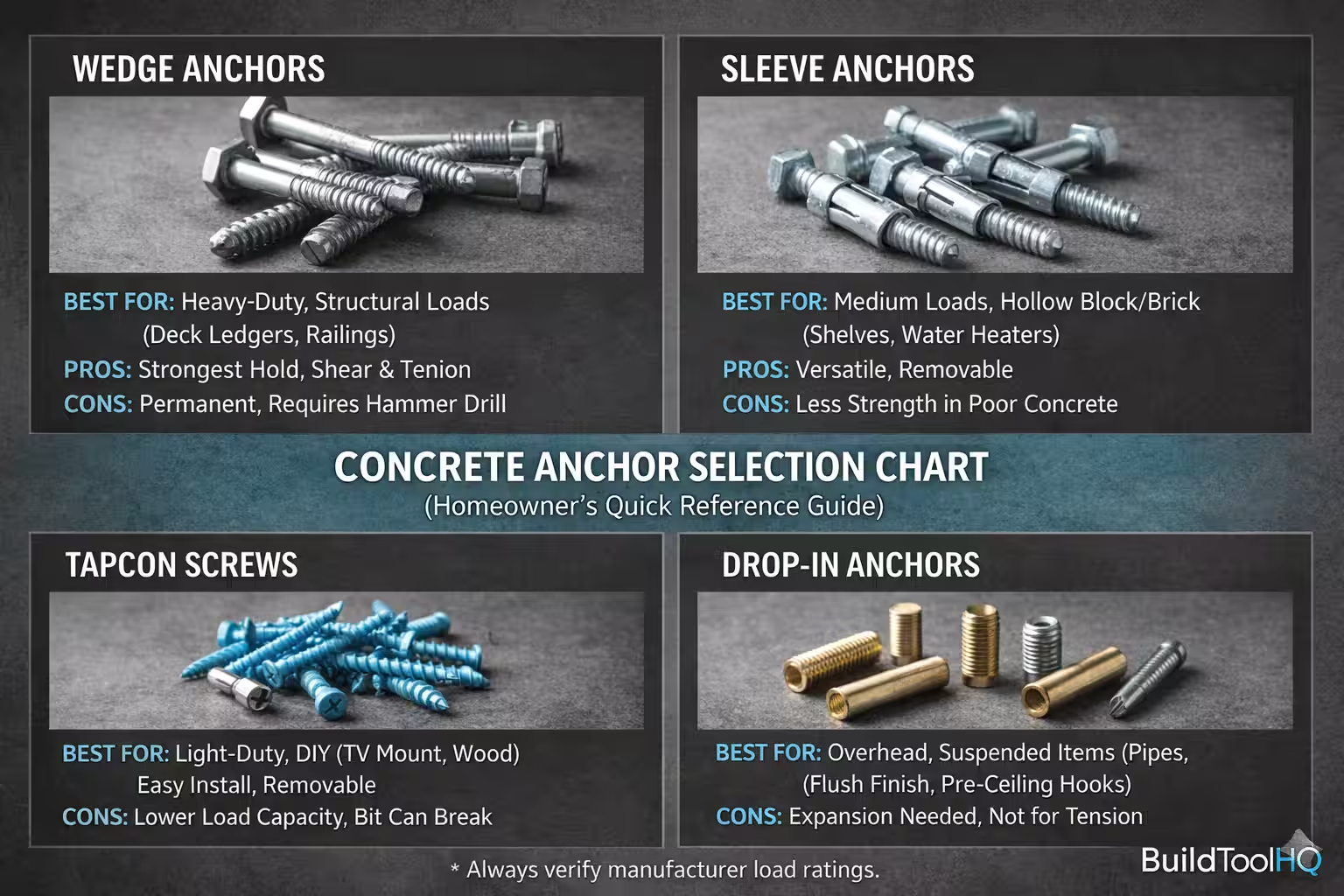
    Wedge Anchors

    Best for heavy-duty applications in solid, uncracked concrete. Wedge anchors provide the highest holding strength but require proper spacing and edge distance to avoid cracking.

    If spacing is a concern, review (Concrete Anchor Spacing & Edge Distance Guide) before installation.


    Sleeve Anchors

    A versatile option that works well in concrete, brick, and block. Sleeve anchors distribute expansion forces more evenly, making them more forgiving in masonry applications.

    If you’re installing into masonry, read (Can You Use Concrete Anchors in Brick or Block?) before choosing wedge anchors.


    Tapcon Screws

    Ideal for light- to medium-duty projects such as shelves, conduit straps, and light fixtures. Tapcon screws install quickly and are removable, but they have lower load capacity than expansion anchors.

    For a direct comparison, see (Tapcon Screws vs Concrete Anchors: Which Should You Use?).


    Drop-In Anchors

    Designed for flush-mounted and overhead installations. Drop-in anchors require precise drilling depth and thorough hole cleaning to achieve their rated strength.

    To understand their load limits, refer to (How Much Weight Can Concrete Anchors Hold?).


    Load Ratings: What Homeowners Often Miss

    Anchor load ratings depend on far more than anchor size alone. Holding power is influenced by:

    • Concrete strength and condition
    • Hole diameter and embedment depth
    • Edge distance and anchor spacing
    • Installation torque

    Improper installation can reduce anchor capacity by 30–50% or more. Always follow correct procedures outlined in (How to Install Concrete Anchors Correctly – Step-by-Step Guide).


    Common Anchor Selection Mistakes

    Homeowners frequently make these errors:

    • Using concrete anchors in hollow block
    • Installing anchors too close to slab edges
    • Over-tightening anchors
    • Ignoring cracked or deteriorated concrete

    These mistakes—and how to avoid them—are explained in (Common Concrete Anchor Mistakes (And How to Avoid Them)).


    Tool Choice Also Matters

    Using the wrong drill or bit can compromise anchor performance before installation even begins. Proper drilling technique and tool selection reduce the risk of cracking and oversized holes.

    If you’re unsure your drill is suitable, review (Best Drill for Concrete Walls (2025 Guide)) or (Best Drill for Home Use (2026 Guide)) before starting.


    Final Homeowner Recommendation

    If you remember only one rule, remember this:

    Always match the anchor to the base material first—then verify the load.

    When in doubt:

    • Use sleeve anchors for masonry
    • Use wedge anchors for heavy loads in solid concrete
    • Use Tapcon screws for light-duty applications

    Before drilling, double-check bit size using (What Size Drill Bit for Concrete Anchors?).


    Save This Guide for Your Next Project

    This concrete anchor selection chart works best when paired with the full guides in this cluster. Together, they form a complete system for choosing, installing, spacing, and loading concrete anchors safely and confidently.


    Related Concrete Anchor Guides


  • Concrete Anchor Spacing & Edge Distance: How Far Apart Should Anchors Be?

    Concrete Anchor Spacing & Edge Distance: How Far Apart Should Anchors Be?


    Concrete anchor spacing and edge distance play a critical role in how strong and safe an installation will be—especially when anchors are placed near slab edges or installed in groups. Even high-quality anchors can fail if spacing rules are ignored.

    This guide explains how far apart concrete anchors should be, how close they can safely be installed to edges, and how spacing requirements change depending on anchor type, load, and base material.


    Why Anchor Spacing and Edge Distance Matter

    Concrete is extremely strong in compression but relatively weak in tension. When an anchor expands or is placed under load, it creates outward pressure inside the concrete. If anchors are installed too close together—or too close to an edge—these stress zones overlap and can cause cracking, spalling, or sudden anchor failure.

    Even anchors selected correctly using (Best Concrete Anchors for Home Use – 2026 Guide) will not perform at their rated strength if spacing and edge-distance rules are ignored.


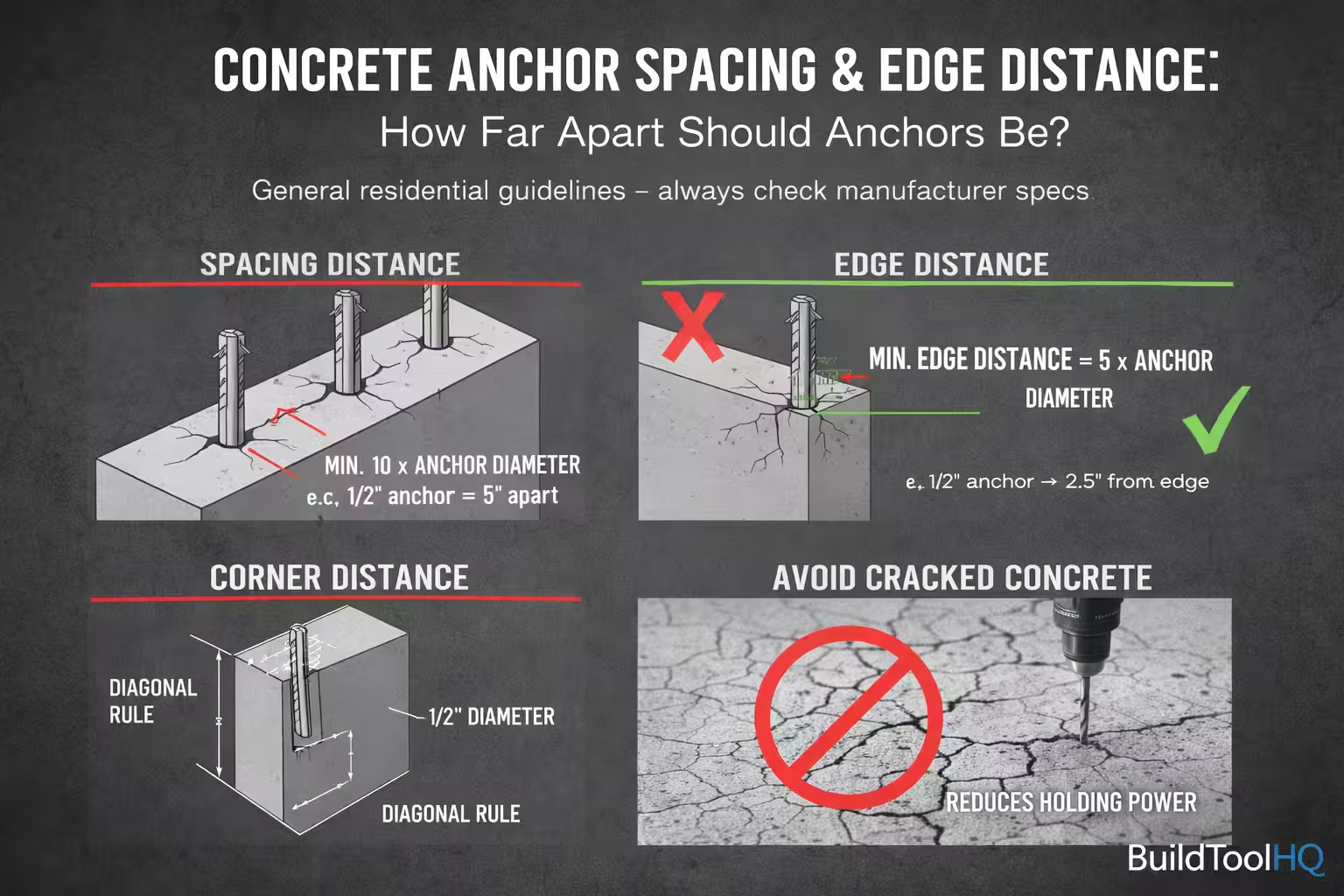
    Minimum Edge Distance (General Guidelines)

    Edge distance is the minimum space required between an anchor and the nearest concrete edge.

    General Rules of Thumb (Non-Structural Use)

    • Wedge anchors
      ➜ Minimum 5–7× anchor diameter
      (Example: ½″ anchor = 2½″–3½″ from edge)
    • Sleeve anchors
      ➜ Minimum 3–5× anchor diameter
    • Drop-in anchors
      ➜ Minimum 4–6× anchor diameter
    • Tapcon concrete screws
      ➜ Minimum 1½″–2″ from edge

    If installation near an edge is unavoidable, Tapcon screws and sleeve anchors are usually safer options than wedge anchors due to lower expansion force.


    Minimum Anchor Spacing (Between Anchors)

    Anchor spacing refers to the distance between two adjacent anchors.

    Typical Spacing Guidelines

    • Wedge anchors
      ➜ Minimum 10× anchor diameter
    • Sleeve anchors
      ➜ Minimum 6–8× anchor diameter
    • Drop-in anchors
      ➜ Minimum 8–10× anchor diameter
    • Tapcon screws
      ➜ Minimum 3–4″ apart

    Example:
    Two ½″ wedge anchors should be spaced at least 5″ apart, and more spacing is recommended for heavier loads.

    To understand how spacing affects holding strength, review (How Much Weight Can Concrete Anchors Hold?).


    Spacing Guidelines for Common Home Projects

    Wall Shelves & TV Mounts

    • Edge distance: ≥ 2½″
    • Anchor spacing: 4″–6″
    • Best anchors: Sleeve anchors or Tapcon screws

    Garage Storage Racks

    • Edge distance: ≥ 3″
    • Anchor spacing: 6″–8″
    • Best anchors: Wedge anchors or sleeve anchors

    Ceiling-Mounted Items

    • Increase spacing by 20–30%
    • Use drop-in anchors rated for overhead applications

    Proper drilling technique is just as important as spacing. If you’re unsure your drill is suitable, see (Best Drill for Concrete Walls (2025 Guide)) before starting.


    What Happens If Anchors Are Installed Too Close?

    Ignoring spacing and edge-distance rules can lead to:

    • ❌ Cracked or spalled concrete
    • ❌ Reduced holding capacity
    • ❌ Anchor pull-out under load
    • ❌ Premature failure over time

    Even light-duty installations can fail if anchors are clustered too tightly or installed near weak edges.


    Brick & Block Spacing Considerations

    Spacing rules change significantly when working with masonry instead of solid concrete.

    • Brick: Install anchors only in mortar joints
    • Concrete block (CMU): Use hollow-wall anchors or chemical anchors
    • Spacing adjustment: Increase spacing by 25–50% compared to solid concrete

    If you’re working with masonry, review (Can You Use Concrete Anchors in Brick or Block?) before drilling.


    Common Spacing Mistakes to Avoid

    One of the most common homeowner mistakes is placing anchors too close together to compensate for heavy loads. In many cases, fewer anchors installed at proper spacing will outperform multiple anchors installed too close.

    Another frequent error is assuming all anchors of the same diameter have identical spacing requirements. Manufacturer specifications vary by design and material, so always confirm requirements before drilling.

    For a broader overview of installation errors, see (Common Mistakes When Installing Concrete Anchors (And How to Avoid Them)).


    Final Takeaway

    Correct concrete anchor spacing and edge distance are just as important as choosing the right anchor. When in doubt:

    • Stay farther from edges
    • Space anchors wider
    • Use Tapcons or sleeve anchors near edges

    Following these guidelines dramatically improves safety, holding strength, and long-term reliability for DIY and home-improvement projects.

    For anchor selection, installation steps, and load guidance, cross-reference (Best Concrete Anchors for Home Use – 2026 Guide) before starting your project.


    Related Concrete Anchor Guides

    (Best Drill for Home Use – 2026 Guide)

    (How to Install Concrete Anchors Correctly – Step-by-Step Guide)

    (Concrete Anchor Selection Chart – Homeowner’s Quick Reference Guide)

    (Types of Concrete Anchors Explained (Sleeve, Wedge, Drop-In, Tapcon))

  • How to Install Concrete Anchors Correctly (Step-by-Step Guide)

    How to Install Concrete Anchors Correctly (Step-by-Step Guide)

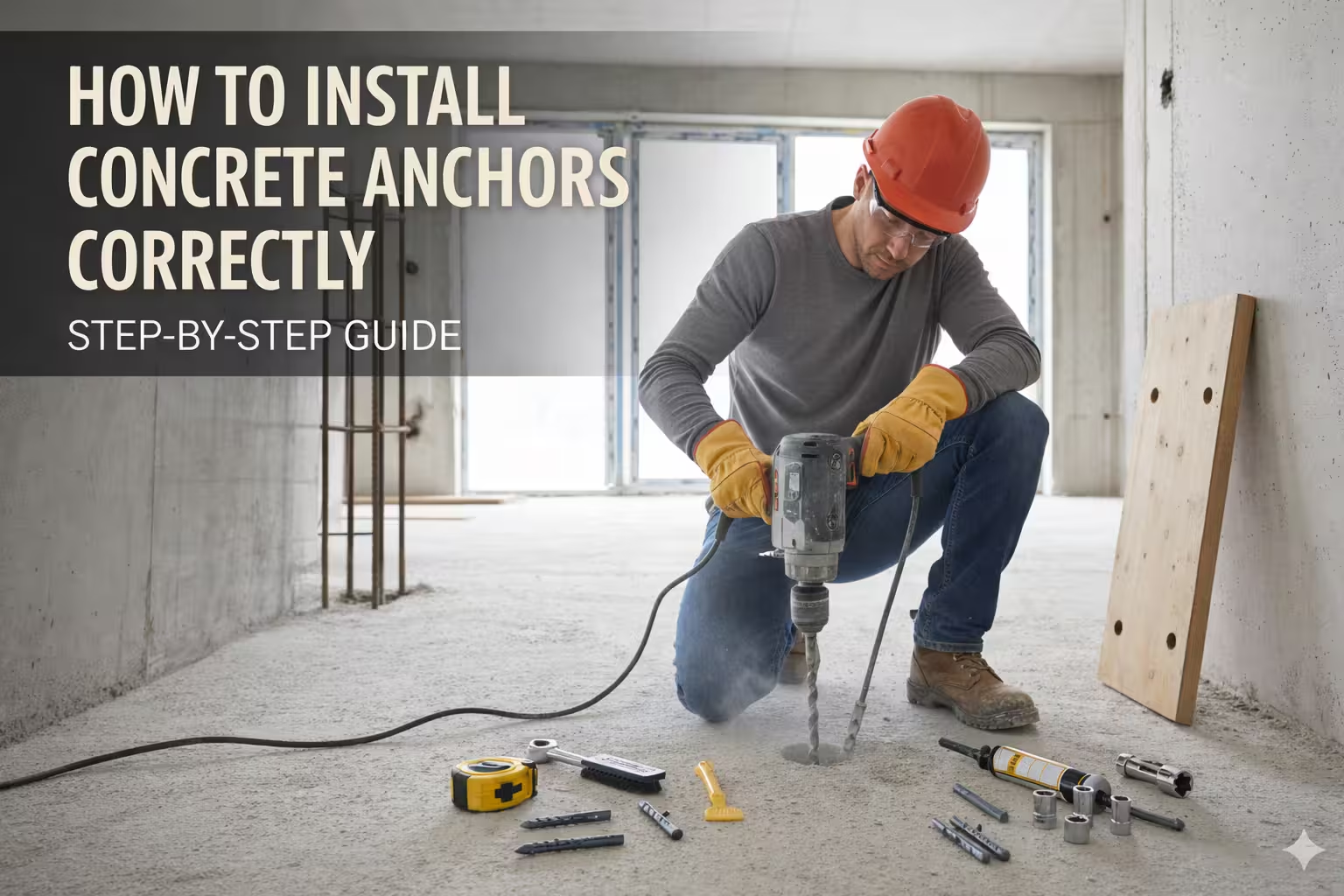
    Installing concrete anchors correctly is critical for safety, strength, and long-term durability. Even the best anchor can fail if it’s installed improperly. This step-by-step guide explains how to install concrete anchors correctly, whether you’re mounting shelves, TVs, electrical panels, or heavy equipment.

    If you haven’t chosen an anchor yet, start with (Best Concrete Anchors for Home Use (2026 Guide)) before drilling.


    Tools and Materials You’ll Need

    Before starting, gather the following:

    • Hammer drill or rotary hammer
    • Correct masonry drill bit
    • Concrete anchors (wedge, sleeve, drop-in, or Tapcon)
    • Vacuum, compressed air, or hole-cleaning brush
    • Wrench or torque wrench
    • Safety glasses and gloves

    If you’re unsure about drill bit sizing, review (What Size Drill Bit for Concrete Anchors?) first.


    Step 1: Mark Anchor Locations Carefully

    Begin by marking your anchor locations with a pencil or marker. Make sure anchors are spaced correctly and not too close to slab edges.

    Incorrect spacing is one of the most common causes of anchor failure. Always follow spacing guidelines in (Concrete Anchor Spacing & Edge Distance Guide) before drilling.


    Step 2: Drill the Hole to the Correct Size and Depth

    Use a hammer drill with the correct masonry bit. Drill straight and perpendicular to the surface.

    Key drilling tips:

    • Drill slightly deeper than the anchor embedment length
    • Do not wobble the drill bit
    • Avoid drilling into cracked or weak concrete

    If you’re unsure whether your drill is suitable, see (Best Drill for Concrete Walls (2025 Guide)).


    Step 3: Clean the Hole Thoroughly (Critical Step)

    Hole cleaning is not optional. Dust left inside the hole prevents anchors from expanding or gripping properly.

    Clean the hole using:

    • Compressed air
    • A vacuum
    • A wire hole-cleaning brush

    Skipping this step can reduce holding power by 30–50%. This mistake is explained in (Common Concrete Anchor Mistakes (And How to Avoid Them)).


    Step 4: Insert the Anchor Correctly

    Insert the anchor according to its type:

    Wedge Anchors

    Tap the anchor into the hole until fully seated, then tighten the nut to expand the wedge.

    Sleeve Anchors

    Insert the anchor through the fixture and into the hole, then tighten gradually.

    Drop-In Anchors

    Insert the anchor flush with the surface and use a setting tool to expand it.

    Tapcon Screws

    Drive the screw directly into the pre-drilled hole without over-tightening.

    For a breakdown of anchor types, see (Types of Concrete Anchors Explained (Wedge, Sleeve, Drop-In, Tapcon)).


    Step 5: Tighten to the Correct Torque

    Over-tightening is one of the fastest ways to damage concrete or strip anchors.

    • Tighten only to manufacturer specifications
    • Use a torque wrench when possible
    • Stop immediately if the anchor spins or cracks appear

    For strength limits, refer to (How Much Weight Can Concrete Anchors Hold?).


    Step 6: Inspect the Installation

    After tightening, check for:

    • No movement or wobble
    • No visible cracks in the concrete
    • Proper seating of the anchor head

    If the anchor spins or feels loose, remove it and install a new anchor in a different location.


    Special Considerations for Brick and Block

    Concrete anchors do not behave the same way in brick or block. Installing into the wrong area can cause bricks to crumble or hollow block to fail.

    If you’re working with masonry, read (Can You Use Concrete Anchors in Brick or Block?) before installing.


    Common Installation Mistakes to Avoid

    Avoid these frequent errors:

    • Using the wrong drill bit size
    • Skipping hole cleaning
    • Installing too close to edges
    • Over-tightening anchors
    • Anchoring into cracked concrete

    Each of these mistakes can significantly reduce holding power or cause sudden failure.


    Final Installation Tips for Homeowners

    If you remember only three rules:

    1. Drill the correct hole size
    2. Clean the hole thoroughly
    3. Do not over-tighten

    Following these steps ensures your anchors perform at their rated strength and remain secure over time.

    For a quick decision overview, bookmark (Concrete Anchor Selection Chart (Homeowner’s Quick Reference Guide)).


    When to Call a Professional

    For structural loads, overhead installations, or safety-critical equipment, consider hiring a licensed professional. Incorrect anchor installation in these cases can result in serious injury or property damage.

  • Can You Use Concrete Anchors in Brick or Block? (What You Need to Know)

    Can You Use Concrete Anchors in Brick or Block? (What You Need to Know)

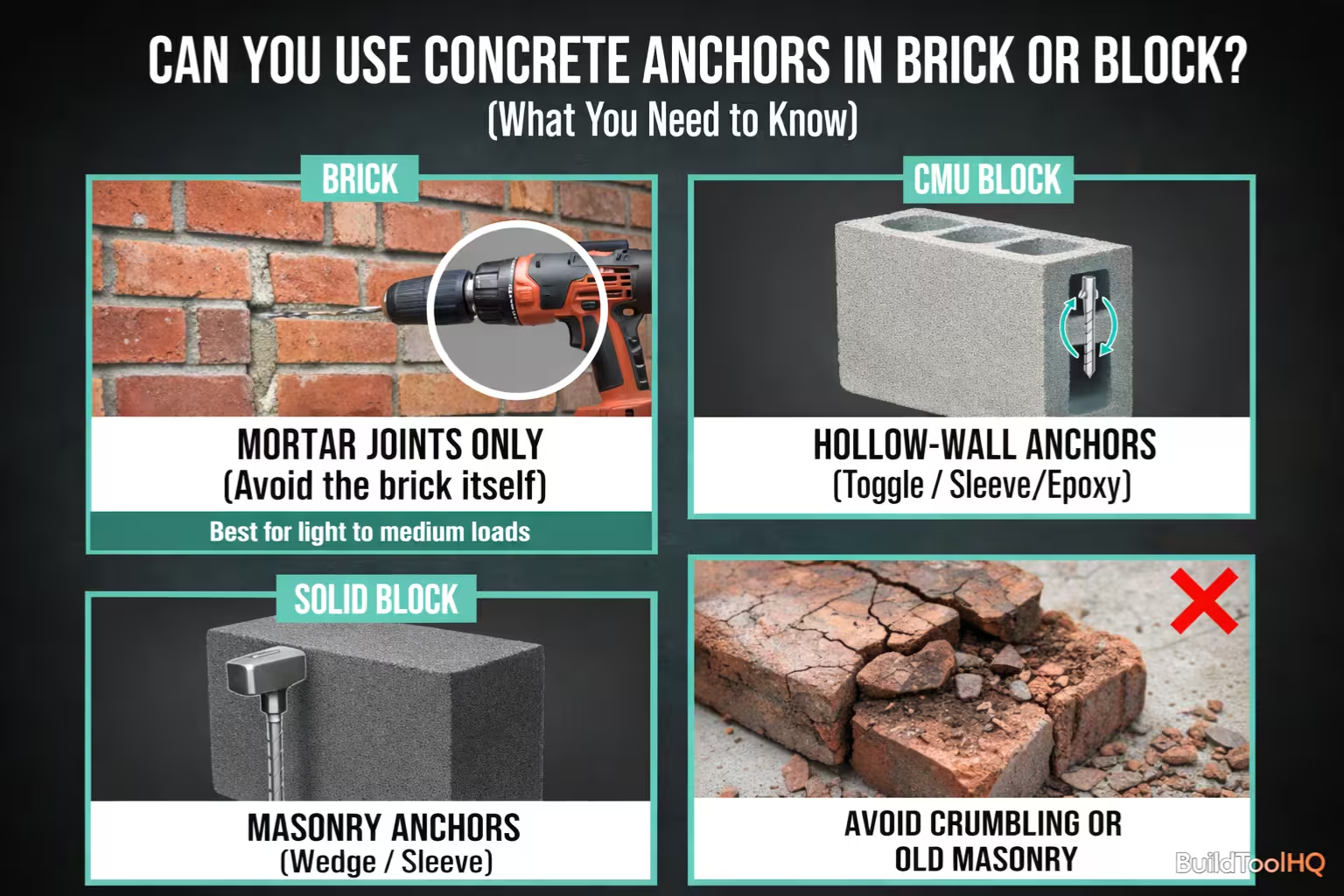
    Can you use concrete anchors in brick or block the same way you would in solid concrete? Many homeowners assume the answer is yes, but that assumption often leads to cracked masonry, loose fixtures, or complete anchor failure.

    While some concrete anchors can be used in masonry, brick and concrete block behave very differently than poured concrete and require more careful anchor selection.

    This guide explains when concrete anchors are safe to use in brick or block, which anchor types work best, and what mistakes to avoid so your installation remains secure and damage-free.


    Concrete vs Brick vs Concrete Block: Why Material Matters

    Before choosing any anchor, it’s important to understand how these materials differ:

    • Concrete: Dense, solid, and strong in compression
    • Brick: Brittle, may be solid or hollow, prone to cracking
    • Concrete block (CMU): Hollow cores with thinner outer walls

    Anchors rated for solid concrete may not perform safely in brick or block, especially when load forces are involved. Understanding these differences is critical before selecting anchors outlined in (Types of Concrete Anchors Explained (Wedge, Sleeve, Drop-In, Tapcon)).


    Can You Use Concrete Anchors in Brick?

    ⚠️ Sometimes — but only with caution

    Brick cracks easily under expansion pressure. Expansion-style anchors can split brick faces or damage mortar joints if the wrong anchor is used.

    Anchors that MAY work in brick:

    • Sleeve anchors (light to medium loads)
    • Masonry screws (Tapcon-style)
    • Plastic anchors (very light-duty only)

    Anchors to AVOID in brick:

    • Large wedge anchors
    • Heavy expansion anchors

    Improper anchor selection in brick is one of the most common failure causes discussed in (Common Mistakes When Installing Concrete Anchors (And How to Avoid Them)).


    Can You Use Concrete Anchors in Concrete Block?

    ⚠️ Only specific anchors work safely

    Concrete block is hollow, meaning traditional expansion anchors may expand into empty space instead of gripping solid material.

    Best anchor options for concrete block:

    • Sleeve anchors with shallow embedment
    • Masonry screws
    • Toggle or specialty hollow-wall anchors
    • Chemical anchors (for higher loads)

    Before selecting anchors, compare options using (Concrete Anchor Selection Chart (Homeowner’s Quick Reference Guide)) to ensure compatibility with hollow masonry.


    Should You Drill Into Brick or Mortar?

    This decision directly affects strength and repairability.

    Drilling into brick:

    • Stronger hold (if brick is solid)
    • Higher risk of cracking

    Drilling into mortar:

    • Easier to repair
    • Lower holding strength

    For light-duty applications, mortar may be acceptable. For heavier loads, always verify anchor capacity using (How Much Weight Can Concrete Anchors Hold?) before drilling.


    Best Anchor Types for Masonry Applications

    Base MaterialRecommended Anchors
    Solid concreteWedge, sleeve, drop-in
    BrickSleeve anchors, masonry screws
    Concrete blockSleeve anchors, toggles, chemical anchors

    Correct installation is just as important as anchor choice. Always follow procedures outlined in (How to Install Concrete Anchors Correctly – Step-by-Step Guide).


    Installation Tips for Brick and Block

    Masonry requires a gentler approach than solid concrete.

    • Use smaller-diameter anchors
    • Drill slowly to prevent cracking
    • Avoid expansion-heavy anchors
    • Clean holes thoroughly
    • Never overtighten

    Overtightening is especially dangerous in brick and block and is covered in detail in (Common Mistakes When Installing Concrete Anchors (And How to Avoid Them)).


    Tool Selection Matters More Than You Think

    Using the wrong drill or bit increases the risk of cracking brick or damaging block. Hammer drills should be used carefully, and bit size must match the anchor exactly.

    If you’re unsure whether your drill is suitable, review (Best Drill for Concrete Walls (2025 Guide)) before starting.


    When NOT to Use Concrete Anchors in Masonry

    Do not use standard concrete anchors if:

    • Brick is cracked, spalling, or weathered
    • Block cores are thin or damaged
    • Load is structural or overhead
    • Manufacturer does not list masonry compatibility

    In these situations, professional guidance or specialty anchoring systems are strongly recommended.


    Can You Use Concrete Anchors in Brick or Block for Heavy Loads?

    For heavy loads such as wall-mounted TVs, cabinets, or overhead fixtures, using concrete anchors in brick or block requires extra caution. Masonry does not distribute expansion forces the same way solid concrete does, which is why anchor type, placement, and spacing are critical.

    Always confirm load ratings and spacing rules using (Best Concrete Anchors for Home Use – 2026 Guide) before attempting heavier installations.


    Final Thoughts

    While some concrete anchors can be used in brick or block, anchors are not interchangeable across materials. Choosing the wrong anchor can result in cracking, failure, or unsafe installations.
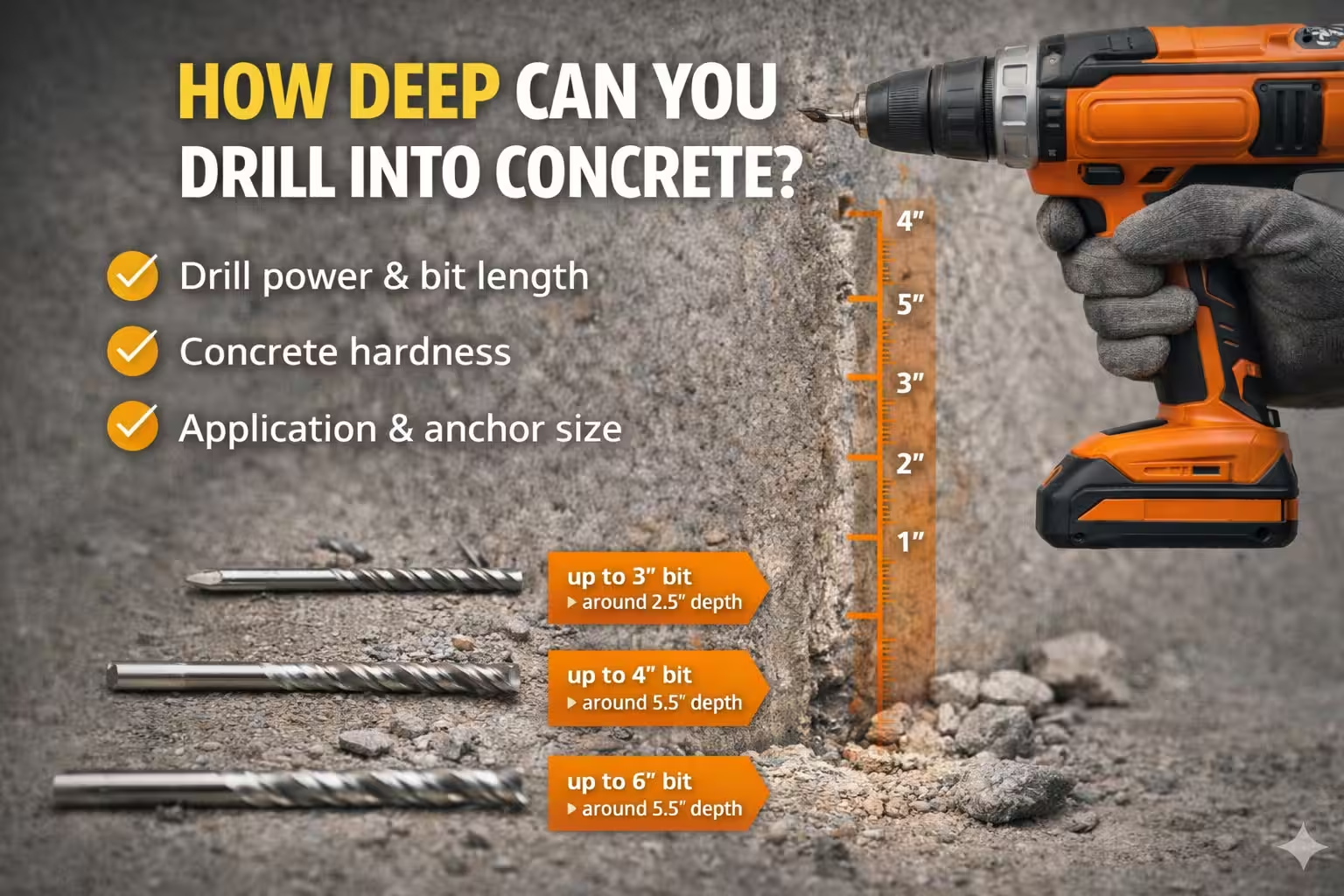
    Always match the anchor type to:

    • The base material
    • The load being supported
    • The installation method

    For anchor comparisons, installation steps, spacing rules, and load guidance, refer back to (How Much Weight Can Concrete Anchors Hold? (Load Ratings Explained)) before starting your project.


    Related Concrete Anchor Guides


  • Common Mistakes When Installing Concrete Anchors (And How to Avoid Them)

    Common Mistakes When Installing Concrete Anchors (And How to Avoid Them)

    Common mistakes when installing concrete anchors can dramatically reduce holding strength or cause anchor failure, even when using high-quality fasteners. In most cases, anchor problems aren’t caused by the anchor itself—but by avoidable installation errors that compromise safety and performance.

    This guide covers the most common mistakes homeowners make when installing concrete anchors and explains how to avoid them using proven best practices.


    Why Installation Mistakes Matter

    Concrete anchors rely on precise drilling, correct embedment, and proper expansion to achieve their rated strength. Even anchors selected using (Best Concrete Anchors for Home Use – 2026 Guide) can fail prematurely if installation steps are skipped or done incorrectly.

    Common consequences of installation mistakes include:

    • Reduced load capacity
    • Anchor spinning or pull-out
    • Cracked or damaged concrete
    • Unsafe overhead installations

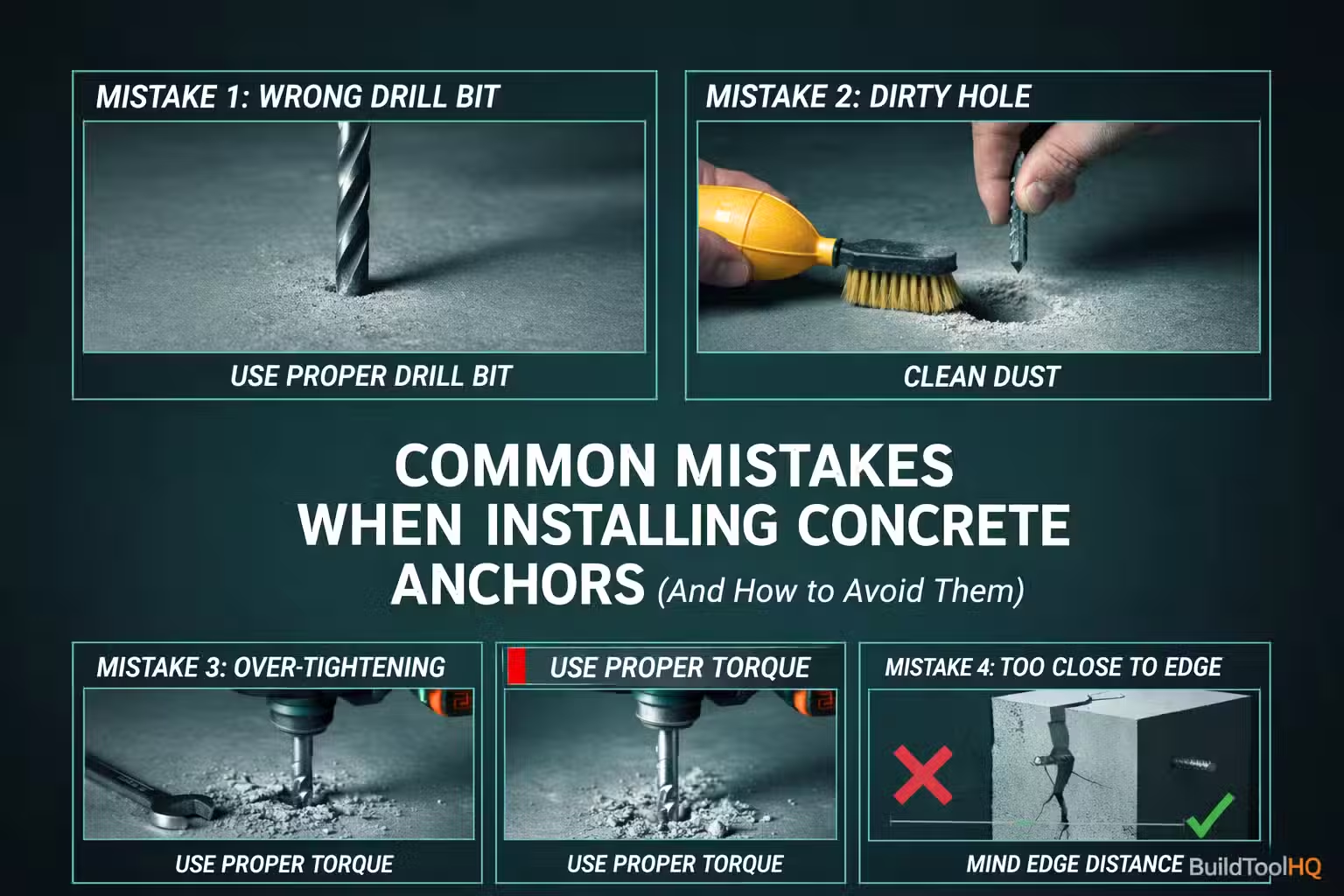
    Mistake #1: Using the Wrong Drill Bit Size

    One of the most frequent—and damaging—errors is drilling the wrong hole diameter.

    • Oversized holes prevent proper expansion
    • Undersized holes cause binding or concrete cracking

    Always match the drill bit exactly to the anchor size, as explained in (What Size Drill Bit for Concrete Anchors?).

    ✅ How to avoid it

    Never “eyeball” drill bits. Verify the anchor diameter and use the manufacturer-specified bit.


    Mistake #2: Skipping Hole Cleaning

    Dust and debris left inside the hole reduce friction and prevent anchors from gripping properly. This mistake is especially common with expansion-style anchors.

    This issue is frequently seen with anchors outlined in (Types of Concrete Anchors Explained (Wedge, Sleeve, Drop-In, Tapcon)).

    ✅ How to avoid it

    Vacuum, blow out, or brush the hole thoroughly before inserting the anchor.


    Mistake #3: Drilling Too Shallow or Too Deep

    Incorrect hole depth directly affects anchor performance:

    • Too shallow → anchor won’t seat fully
    • Too deep → anchor may not expand as designed

    This impacts load capacity and long-term reliability.

    ✅ How to avoid it

    Drill slightly deeper than the anchor length (usually about ¼″) and keep the drill straight.


    Mistake #4: Overtightening the Anchor

    Many DIYers assume tighter is stronger—but overtightening can:

    • Strip threads
    • Crack surrounding concrete
    • Reduce holding strength

    This mistake is especially common with Tapcon screws and wedge anchors.

    ✅ How to avoid it

    Tighten until snug and stop when resistance becomes firm. Use hand tools instead of high-torque impact drivers whenever possible.


    Mistake #5: Installing Anchors Too Close to Concrete Edges

    Concrete edges are weaker and more prone to cracking. Anchors placed too close to edges increase the risk of:

    • Concrete spalling
    • Anchor pull-out

    Correct spacing is critical and often overlooked.

    ✅ How to avoid it

    Follow edge distance and spacing rules outlined in (Concrete Anchor Spacing & Edge Distance Guide).


    Mistake #6: Using the Wrong Anchor for the Load

    Not all anchors are designed to handle the same loads. For example:

    • Tapcon screws → light-duty applications
    • Sleeve anchors → medium loads
    • Wedge anchors → heavy structural loads

    Using the wrong anchor can result in failure even if installed correctly.

    ✅ How to avoid it

    Match the anchor type to the application using (Concrete Anchor Selection Chart (Homeowner’s Quick Reference Guide)) and verify load limits before installation.


    Mistake #7: Installing Anchors in Weak or Damaged Concrete

    Cracked, old, or crumbly concrete dramatically reduces anchor performance. Even properly installed anchors may fail if the base material itself is compromised.

    ✅ How to avoid it

    Inspect the surface carefully. If concrete crumbles during drilling, consider relocating the anchor or using alternative mounting methods.


    Mistake #8: Ignoring Manufacturer Instructions

    Anchor specifications vary by:

    • Brand
    • Diameter
    • Material
    • Installation method

    Relying on “experience” instead of instructions is a common cause of failure.

    ✅ How to avoid it

    Always follow manufacturer guidelines and compare them with the step-by-step process in (How to Install Concrete Anchors Correctly – Step-by-Step Guide).


    When Installation Mistakes Become Safety Hazards

    Installation errors are especially dangerous for:

    • Overhead anchors
    • Wall-mounted TVs and furniture
    • Garage storage systems
    • Structural attachments

    These applications require strict adherence to load limits and best practices.


    Final Thoughts

    Most concrete anchor failures are completely preventable. By avoiding common mistakes—wrong drill bit size, poor hole cleaning, overtightening, improper spacing, and incorrect anchor selection—you can achieve the full rated strength of your anchors and ensure long-term safety.

    For anchor selection, installation, spacing, and load guidance, refer back to (Best Concrete Anchors for Home Use – 2026 Guide).


    Related Concrete Anchor Guides

  • How Much Weight Can Concrete Anchors Hold? (Load Ratings Explained)

    How Much Weight Can Concrete Anchors Hold? (Load Ratings Explained)

    “How much weight can concrete anchors hold?” is one of the most important questions homeowners should ask before mounting shelves, TVs, cabinets, or heavy fixtures. While concrete anchors are extremely strong when installed correctly, their real load capacity depends on anchor type, size, concrete quality, and installation accuracy.

    This guide explains how concrete anchor load ratings work, what affects holding strength, and how to choose the right anchor so your installation stays safe and secure.


    Why Load Ratings Matter

    Concrete anchors are engineered to resist force in different directions. Exceeding their rated capacity can result in:

    • Anchor pull-out
    • Cracked concrete
    • Sudden fixture failure
    • Serious injury or property damage

    Even anchors selected correctly using (Best Concrete Anchors for Home Use – 2026 Guide) can fail if load limits are misunderstood or ignored.


    The Two Types of Load Ratings You Must Understand

    Concrete anchors are rated for two distinct types of force.

    🔽 Shear Load

    Force applied parallel to the wall.

    Example:
    The downward weight of a TV or cabinet pulling along the wall surface.

    Shear loads are usually less dangerous because concrete resists them well.


    🔼 Tension (Pull-Out) Load

    Force applied away from the wall.

    Example:
    Shelves or brackets pulling outward from concrete.

    Most anchor failures occur due to tension load, not shear.


    How Much Weight Can Different Concrete Anchors Hold?

    The values below reflect typical homeowner-use ranges in solid concrete. Always verify manufacturer specifications for exact ratings.


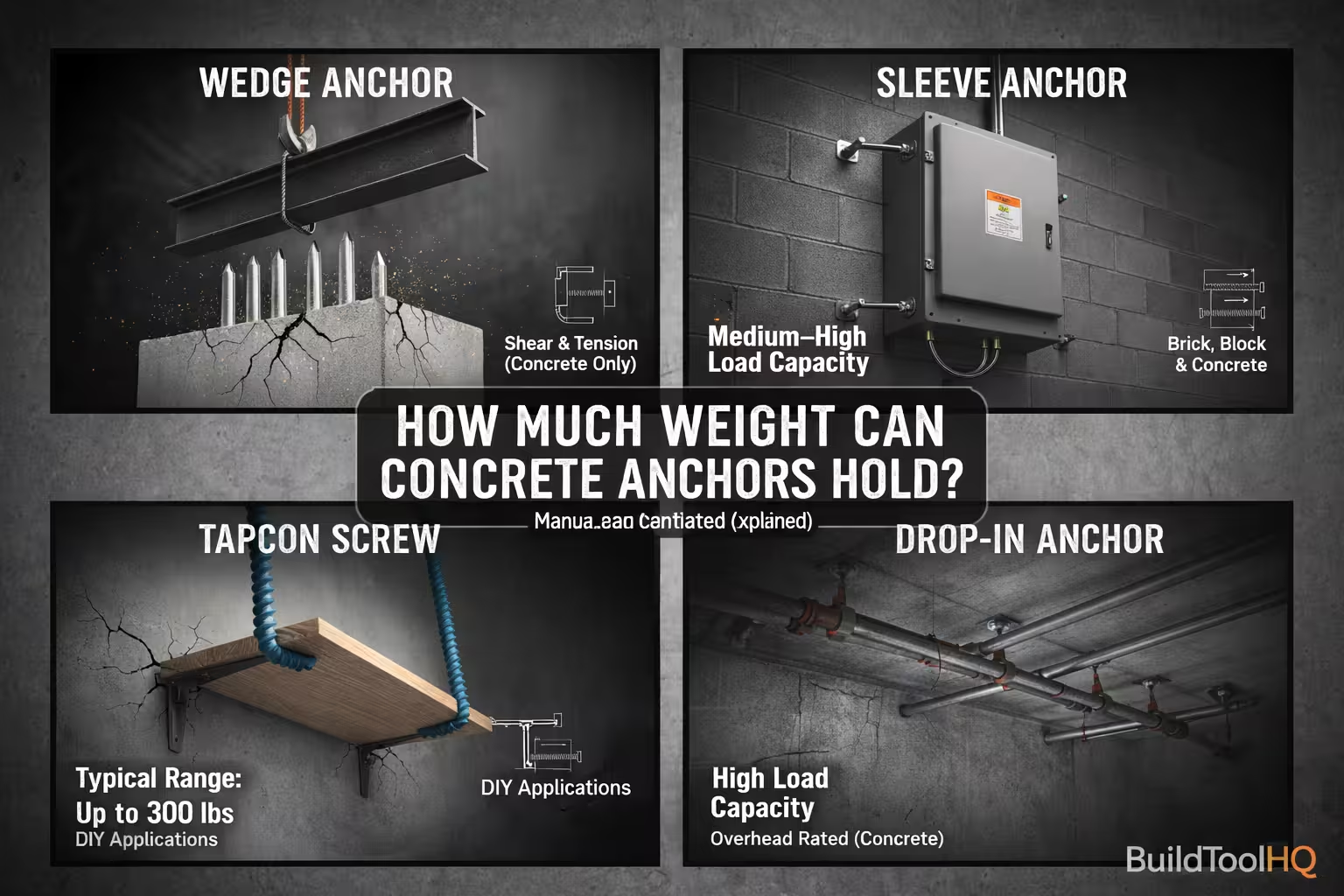
    Wedge Anchors

    Typical load capacity:

    • 3/8″ wedge anchor: ~2,000–3,000 lbs (tension)

    Best for:

    • Structural mounts
    • Railings
    • Heavy equipment

    Important notes:

    • Concrete only (not brick or block)
    • Requires precise drilling and proper spacing

    For anchor type differences, see (Types of Concrete Anchors Explained (Wedge, Sleeve, Drop-In, Tapcon)).


    Sleeve Anchors

    Typical load capacity:

    • 3/8″ sleeve anchor: ~1,200–2,000 lbs

    Best for:

    • TV mounts
    • Shelves
    • Brick, block, and concrete

    Sleeve anchors expand more evenly, reducing cracking risk and making them safer for mixed masonry applications.


    Drop-In Anchors

    Typical load capacity:

    • 3/8″ drop-in anchor: ~1,500–2,500 lbs

    Best for:

    • Flush-mounted hardware
    • Overhead installations
    • Commercial-style projects

    Drop-in anchors require exact drilling depth and proper setting, which is covered in (How to Install Concrete Anchors Correctly – Step-by-Step Guide).


    Tapcon Screws (Concrete Screws)

    Typical load capacity:

    • 3/16″ Tapcon: ~200–300 lbs
    • 1/4″ Tapcon: ~400–600 lbs

    Best for:

    • Light to medium-duty projects
    • Removable installations
    • DIY-friendly applications

    For help choosing between fastener styles, see (Tapcon Screws vs Concrete Anchors: Which Should You Use?).


    Plastic Masonry Anchors

    Typical load capacity:

    • Usually under 100 lbs

    Best for:

    • Very light fixtures only

    Plastic anchors should never be used for TVs, shelving, overhead loads, or safety-related mounts.


    What Factors Affect Concrete Anchor Load Capacity?

    Even the strongest anchor can fail if installed incorrectly. Key factors include:

    🔧 Anchor Size

    Larger diameters generally support higher loads.

    🧱 Concrete Quality

    Cracked, weak, or deteriorated concrete drastically reduces strength.

    🕳️ Hole Size & Depth

    Incorrect bit size or shallow drilling weakens holding power.
    Always verify bit sizing using (What Size Drill Bit for Concrete Anchors?).

    🧹 Hole Cleanliness

    Dust prevents proper expansion and friction.

    🔩 Installation Technique

    • Over-tightening can crack concrete
    • Under-tightening reduces holding strength

    Common errors are explained in (Common Concrete Anchor Mistakes (And How to Avoid Them)).


    Safety Rule: Always Use a Safety Margin

    Never load an anchor to its maximum rating.

    Recommended homeowner rule:
    Use no more than 25–30% of the anchor’s rated maximum load.

    Example:

    • Anchor rated at 1,000 lbs
    • Safe working load: 250–300 lbs

    This margin accounts for:

    • Dynamic movement
    • Installation variation
    • Material imperfections

    How to Choose the Right Anchor Based on Weight

    FixtureRecommended Anchor
    Light shelvesTapcon screws
    TV mountsSleeve anchors
    Heavy cabinetsSleeve or drop-in anchors
    RailingsWedge anchors
    Temporary mountsTapcon screws

    If you want an all-in-one solution for mixed projects, see (Best Concrete Anchor Kits for Homeowners – 2026 Review).


    Drill & Bit Selection Still Matters

    Correct drilling directly affects load capacity. Always use:

    • Carbide-tipped masonry bits
    • Hammer drill mode
    • Exact bit sizes

    If you’re unsure your drill is appropriate, review (Best Drill for Concrete Walls (2025 Guide)) or (Best Drill for Home Use (2026 Guide)) before starting.


    Final Thoughts: Don’t Guess Load Ratings

    Concrete anchors are incredibly strong — when used correctly.

    Always:

    • Choose the right anchor type
    • Drill accurately
    • Respect load ratings
    • Build in a safety margin

    For anchor selection from start to finish, return to (Best Concrete Anchors for Home Use – 2026 Guide).


    Related Concrete Anchor Guides

  • What Size Drill Bit for Concrete Anchors should you use?

    What Size Drill Bit for Concrete Anchors should you use?

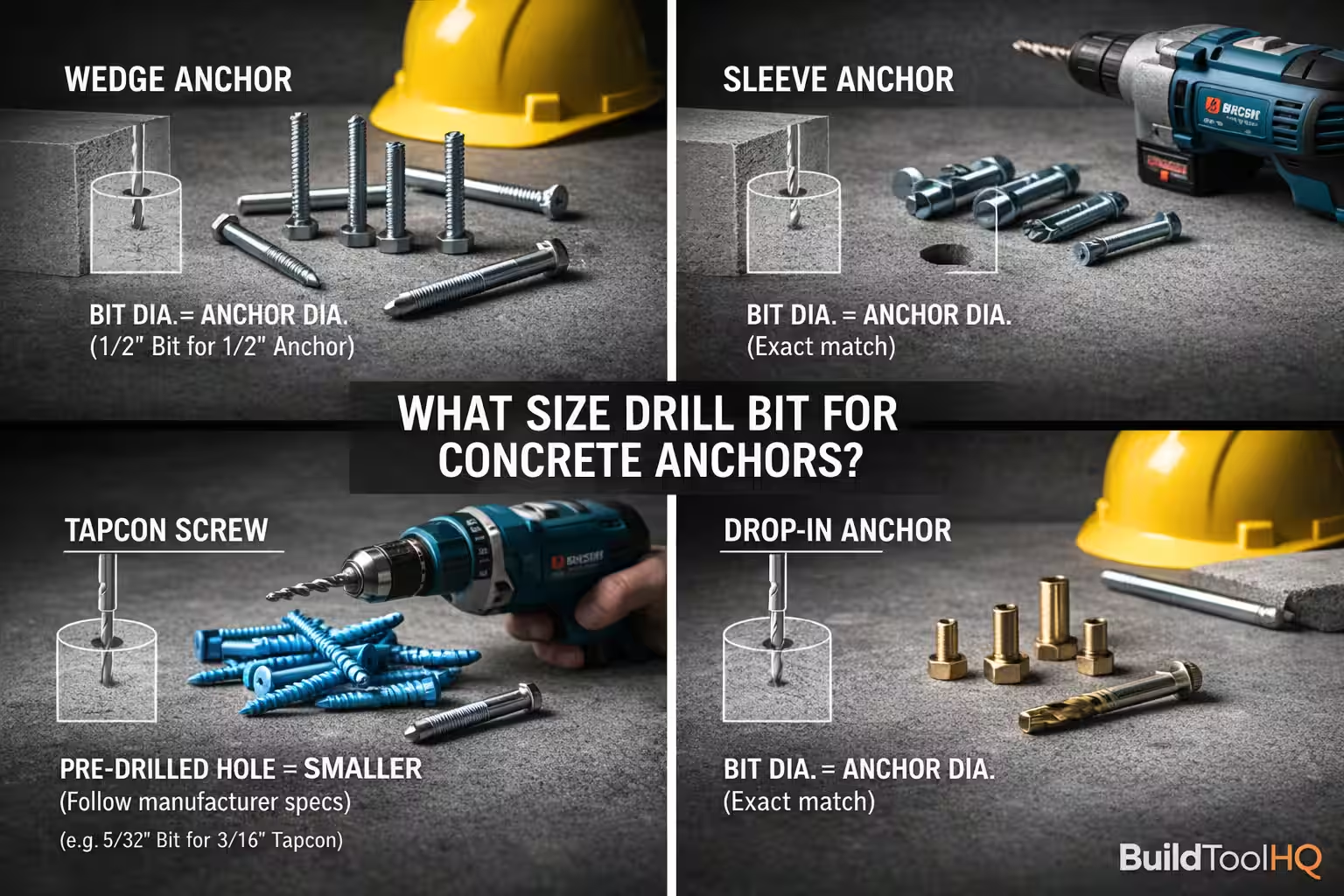
    What size drill bit for concrete anchors you use directly affects holding strength, safety, and whether the anchor installs correctly in concrete, brick, or block. Even a high-quality anchor will fail if the hole is too large, too small, or drilled incorrectly.

    In this guide, you’ll learn what size drill bit to use for concrete anchors, how bit size varies by anchor type, and how to avoid common drilling mistakes that weaken holding strength.


    Why Drill Bit Size Matters for Concrete Anchors

    Concrete anchors rely on precise hole dimensions to grip properly.
    If the hole is oversized, the anchor won’t expand or bite correctly.
    If the hole is undersized, the anchor may not seat fully — or worse, crack the concrete.

    If you’re still choosing which anchor to use, start with (Best Concrete Anchors for Home Use – 2026 Guide) before drilling.


    General Rule: Drill Bit Size = Anchor Diameter

    For most concrete anchors, the rule is simple:

    The drill bit size should match the anchor diameter exactly.

    Examples:

    • 3/8″ anchor → 3/8″ masonry bit
    • 1/2″ anchor → 1/2″ masonry bit

    This applies to most expansion anchors and drop-in anchors.


    Drill Bit Size by Anchor Type

    Different anchor types have slightly different requirements. Here’s how they break down.


    Sleeve Anchors

    Drill bit size: Same diameter as the anchor
    Example:

    • 3/8″ sleeve anchor → 3/8″ masonry bit

    Sleeve anchors rely on even expansion along the sleeve, so hole accuracy is critical.

    Sleeve anchors are commonly discussed in (Types of Concrete Anchors Explained – Sleeve, Wedge, Drop-In, Tapcon).


    Wedge Anchors

    Drill bit size: Same diameter as the anchor
    Hole depth: Slightly deeper than anchor length

    Wedge anchors expand aggressively at the base, so:

    • Hole must be straight
    • Dust must be cleared
    • Depth must allow full expansion

    Incorrect drilling is a common issue covered in (Common Concrete Anchor Installation Mistakes – And How to Avoid Them).


    Drop-In Anchors

    Drill bit size: Exact anchor diameter
    Special note: Requires a setting tool

    Drop-in anchors sit flush with the surface and depend on internal expansion, making precise hole size non-negotiable.

    These anchors are often used for heavier loads discussed in (How Much Weight Can Concrete Anchors Hold? – Load Ratings Explained).


    Tapcon Screws (Concrete Screws)

    Tapcon screws are different.

    Drill bit size:

    • Determined by the screw size, not the head size
    • Always follow manufacturer specs

    Common examples:

    • 3/16″ Tapcon → 5/32″ masonry bit
    • 1/4″ Tapcon → 3/16″ masonry bit

    This difference is why Tapcons are often misinstalled. For a full comparison, see (Tapcon Screws vs Concrete Anchors: Which Should You Use?).


    Plastic Masonry Anchors

    Drill bit size: Matches anchor body diameter

    Plastic anchors are forgiving but not strong, and they should only be used for lightweight projects.

    For anchor selection by surface, see (Best Anchors for Brick vs Concrete vs Block Walls).


    How Deep Should You Drill?

    As a rule:

    • Drill at least 1/4″ deeper than the anchor length
    • This allows space for dust and full expansion

    Failing to drill deep enough is one of the most common DIY mistakes.


    Drill Bit Type Matters Too

    Always use:

    • Carbide-tipped masonry bits
    • Sharp bits only
    • Hammer drill mode for concrete

    Recommended guides:


    Step-by-Step: Drilling the Perfect Anchor Hole

    1. Mark the hole location
    2. Select the correct masonry bit
    3. Drill straight at a steady speed
    4. Drill slightly deeper than anchor length
    5. Clear dust with air or vacuum
    6. Insert anchor or screw

    For a full walkthrough, see (How to Drill Into Concrete Safely – Step-by-Step Guide).


    Common Drill Bit Size Mistakes to Avoid

    Avoid these errors:

    • Guessing bit size instead of measuring
    • Using worn or dull bits
    • Skipping dust removal
    • Using wood or metal bits on concrete

    These mistakes reduce holding strength and are often blamed on the anchor itself.


    Final Recommendation

    If you remember only one thing:

    Use the exact drill bit size recommended for your anchor type — every time.

    Correct drilling improves:

    • Holding power
    • Safety
    • Long-term durability

    For choosing the right fastener overall, return to (Best Concrete Anchors for Home Use – 2026 Guide).


    Continue Learning

    Next guides :

  • Tapcon Screws vs Concrete Anchors: Which Should You Use?

    Tapcon Screws vs Concrete Anchors: Which Should You Use?

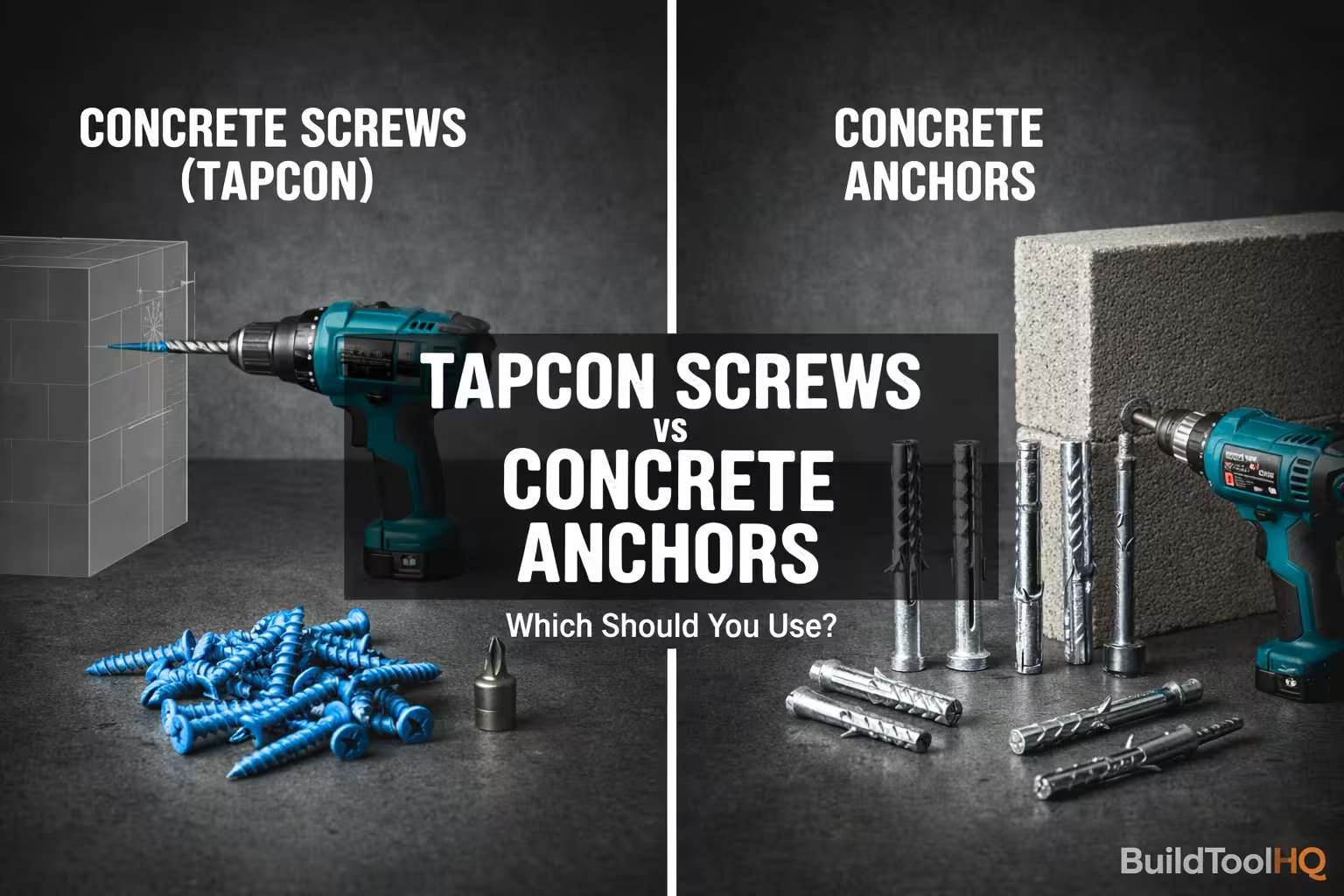
    When fastening into concrete, brick, or block, homeowners often face the same question: should you use Tapcon concrete screws or traditional concrete anchors?
    Both options are effective — but they serve very different purposes, and choosing the wrong one can lead to weak mounts or damaged masonry.

    This guide breaks down Tapcon screws vs concrete anchors, explaining when each option is best for home use.


    What Are Tapcon Screws?

    Tapcon screws (also called concrete screws) are hardened fasteners designed to cut threads directly into concrete or masonry. Unlike expansion anchors, Tapcons rely on thread engagement, not outward pressure, to hold in place.

    Tapcon screws are commonly used for:

    • Shelves
    • Light fixtures
    • Electrical boxes
    • Temporary or adjustable mounts

    For a broader overview of fastener options, see (Types of Concrete Anchors Explained – Sleeve, Wedge, Drop-In, Tapcon).


    What Are Concrete Anchors?

    Concrete anchors include expansion and mechanical fasteners such as:

    • Sleeve anchors
    • Wedge anchors
    • Drop-in anchors

    These anchors hold by expanding inside the drilled hole, creating strong outward pressure against the concrete.

    If you’re comparing all anchor options first, start with (Best Concrete Anchors for Home Use – 2026 Guide).


    Tapcon Screws vs Concrete Anchors: Key Differences

    🔩 Installation Method

    • Tapcon screws thread directly into the hole
    • Concrete anchors expand inside the hole when tightened

    Tapcons are generally faster to install, especially for DIYers.


    🧱 Load Capacity

    • Tapcon screws: light to medium loads
    • Concrete anchors: medium to heavy loads

    For exact weight limits, see (How Much Weight Can Concrete Anchors Hold? – Load Ratings Explained).


    🔧 Removability

    • Tapcon screws: removable and reusable (in some cases)
    • Concrete anchors: usually permanent

    If you expect to reposition or remove fixtures later, Tapcons have a clear advantage.


    🛠️ Tools Required

    • Tapcon screws: drill + masonry bit
    • Concrete anchors: drill + masonry bit + wrench or setting tool

    Correct drilling technique matters — review (How to Drill Into Concrete Safely – Step-by-Step Guide) if you’re unsure.


    When to Use Tapcon Screws

    Tapcon screws are best when:

    • Loads are light to medium
    • You want fast installation
    • The mount may need removal later
    • You’re working in brick or block and want minimal expansion stress

    Common Tapcon projects:

    • Mounting shelves
    • Attaching furring strips
    • Installing conduit or brackets

    Make sure your bit size is exact — see (What Size Drill Bit Should You Use for Concrete Anchors?) (Tapcons are very size-sensitive).


    When to Use Concrete Anchors

    Traditional concrete anchors are better when:

    • Loads are heavy
    • Safety is critical (TVs, handrails)
    • Long-term, permanent mounting is required
    • You’re anchoring into solid concrete

    Concrete anchors are commonly recommended for:

    • TV mounts
    • Structural brackets
    • Railings
    • Heavy cabinets

    If you’re mounting into different masonry types, read (Best Anchors for Brick vs Concrete vs Block Walls).


    Tapcon Screws vs Concrete Anchors: Quick Comparison

    FeatureTapcon ScrewsConcrete Anchors
    Load capacityLight–MediumMedium–Heavy
    InstallationEasyModerate
    RemovableYesUsually no
    Expansion stressNoneYes
    Best forDIY projectsHeavy fixtures

    Common Mistakes to Avoid

    Avoid these frequent errors:

    • Using Tapcons for heavy loads
    • Over-tightening Tapcon screws
    • Using expansion anchors in weak brick
    • Drilling incorrect hole sizes

    These issues are covered in detail in (Common Concrete Anchor Installation Mistakes – And How to Avoid Them).


    Best Drill & Bits for Both Options

    Regardless of fastener choice:

    • Use carbide-tipped masonry bits
    • Drill straight and clean out dust
    • Avoid oversized holes

    Recommended guides:


    Final Verdict: Which One Should You Choose?

    Choose Tapcon screws if:

    • You’re mounting lighter items
    • You want easy installation
    • You may remove the fastener later

    Choose concrete anchors if:

    • Loads are heavy
    • Safety matters
    • You want maximum holding power

    For mixed DIY projects, anchor kits can be useful — see (Best Concrete Anchor Kits for Homeowners – 2026 Review).


    Continue Learning

    Next, explore:

    These guides will help you fasten into concrete safely and confidently.

  • Types of Concrete Anchors Explained (Sleeve, Wedge, Drop-In, Tapcon)

    Types of Concrete Anchors Explained (Sleeve, Wedge, Drop-In, Tapcon)

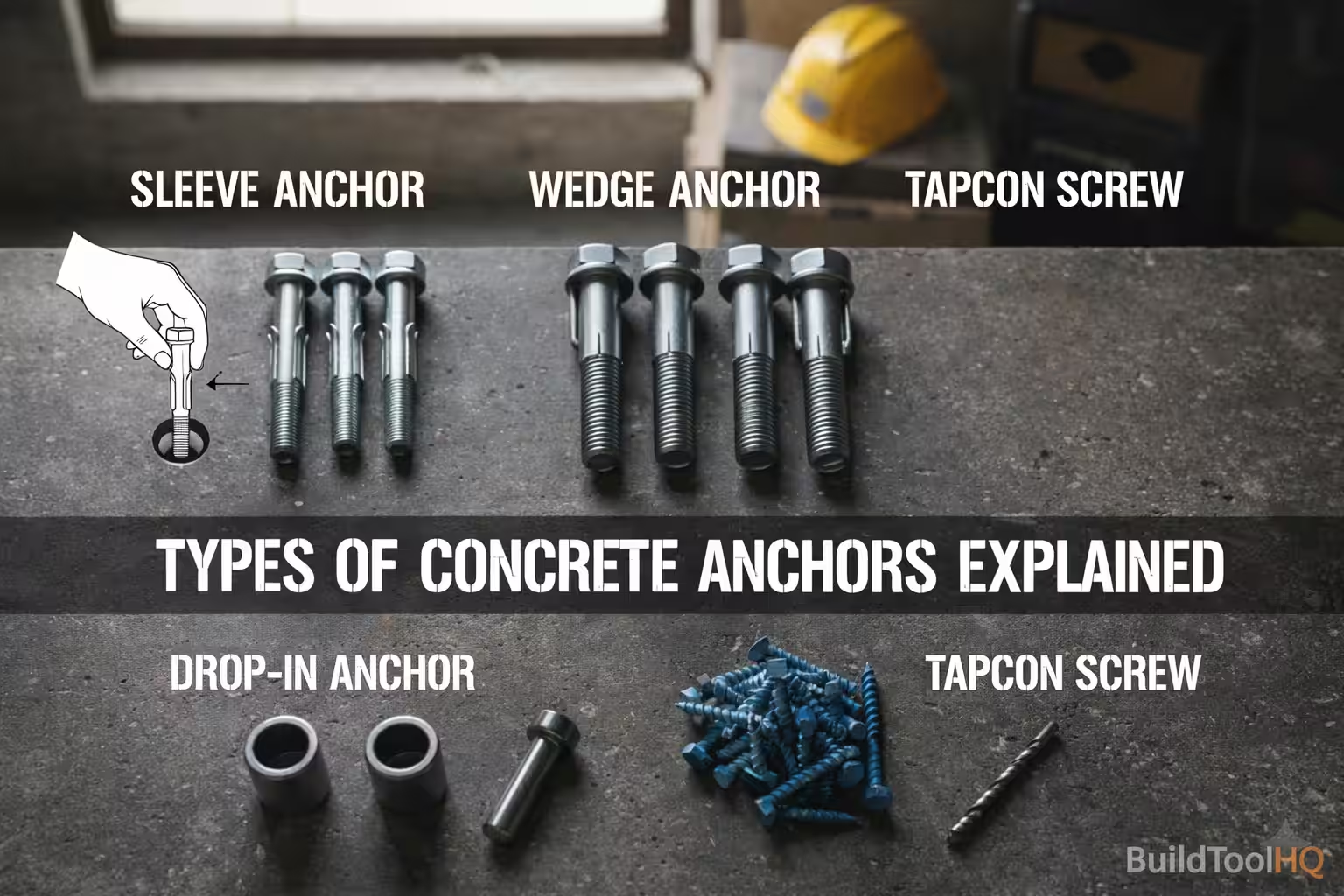
    Types of concrete anchors vary by design, strength, and application, and choosing the right one is essential for safe and secure installations in concrete, brick, and block walls. Each anchor type is designed to work in specific materials and load conditions, and using the wrong one can lead to cracked masonry, loose fixtures, or dangerous failures.

    In this guide, we’ll clearly explain the different types of concrete anchors, how they work, and when homeowners should use each one.


    What Are Concrete Anchors?

    Concrete anchors are fasteners designed to secure objects into solid masonry such as concrete, brick, or concrete block. They rely on expansion, threading, or mechanical locking to hold firmly inside drilled holes.

    If you’re new to anchors or deciding what to buy, start with (Best Concrete Anchors for Home Use – 2026 Guide) to understand which types are best for typical household projects.


    The Main Types of Concrete Anchors

    Below are the most common anchor types homeowners will encounter.


    Sleeve Anchors

    Best for: Brick, block, and concrete
    Load rating: Medium to heavy

    Sleeve anchors use a metal sleeve that expands evenly against the walls of the drilled hole when tightened. This even expansion makes them ideal for brick and block, where aggressive expansion could cause cracking.

    Pros:

    • Works in multiple masonry materials
    • Even expansion reduces cracking risk
    • Good for TV mounts, railings, shelves

    Cons:

    • Not removable once installed
    • Requires precise hole depth

    Sleeve anchors are commonly recommended for home installations covered in (Best Anchors for Brick vs Concrete vs Block Walls).


    Wedge Anchors

    Best for: Solid concrete only
    Load rating: Heavy-duty

    Wedge anchors expand aggressively at the base of the anchor when tightened, creating an extremely strong hold. They are commonly used for structural applications.

    Pros:

    • Extremely strong
    • Ideal for heavy loads

    Cons:

    • Concrete only (not brick or block)
    • Permanent installation

    Using wedge anchors incorrectly is one of the issues discussed in (Common Concrete Anchor Installation Mistakes – And How to Avoid Them).


    Drop-In Anchors

    Best for: Flush-mounted applications in concrete
    Load rating: Heavy-duty

    Drop-in anchors sit flush with the surface of the concrete and require a setting tool to expand them internally.

    Pros:

    • Clean, flush finish
    • High load capacity
    • Professional-grade

    Cons:

    • Requires special setting tool
    • Concrete only

    Drop-in anchors are commonly used in commercial settings but can be useful for advanced DIYers installing heavy fixtures.


    Concrete Screws (Tapcon-Style)

    Best for: Light to medium-duty home projects
    Load rating: Light to medium

    Concrete screws thread directly into concrete or masonry without expansion. They are popular because they’re easy to install and removable.

    Pros:

    • Easy installation
    • Removable
    • No expansion stress

    Cons:

    • Lower load capacity
    • Requires precise drilling

    If you’re deciding between screws and anchors, see (Tapcon Screws vs Concrete Anchors: Which Should You Use?).


    Plastic Masonry Anchors

    Best for: Very light-duty projects
    Load rating: Light

    Plastic anchors expand when a screw is driven in. They are best suited for lightweight fixtures.

    Pros:

    • Inexpensive
    • Easy to install

    Cons:

    • Limited strength
    • Not suitable for heavy loads

    For weight considerations, review (How Much Weight Can Concrete Anchors Hold? – Load Ratings Explained).


    Choosing the Right Anchor for Your Project

    Here’s a quick homeowner decision guide:

    • Shelves & light fixtures → Concrete screws
    • TV mounts → Sleeve anchors
    • Structural loads → Wedge anchors
    • Flush installations → Drop-in anchors
    • Lightweight items → Plastic anchors

    Before drilling, make sure your bit size is correct — see (What Size Drill Bit Should You Use for Concrete Anchors?).


    Drill Bits and Hole Preparation Matter

    No anchor will hold properly without a clean, correctly sized hole.

    Best practices:

    • Use carbide-tipped masonry bits
    • Drill straight and to full depth
    • Clean dust from the hole

    For recommended tools, read (Best Drill Bits for Concrete and Masonry) and (Best Drill for Concrete Walls – 2025 Guide).


    Common Mistakes When Choosing Anchor Types

    Avoid these errors:

    • Using wedge anchors in brick
    • Undersizing or oversizing holes
    • Choosing anchors based only on price
    • Ignoring load ratings

    These mistakes are covered in detail in (Common Concrete Anchor Installation Mistakes – And How to Avoid Them).


    Final Thoughts: Which Anchor Type Is Best?

    There’s no single “best” anchor — only the right anchor for the job.

    For most homeowners:

    • Concrete screws handle small projects
    • Sleeve anchors cover most medium-duty needs
    • Wedge anchors are reserved for heavy loads

    For a full buying overview, return to (Best Concrete Anchors for Home Use – 2026 Guide).


    Continue Learning

    Next, you may want to explore:

    These guides will help you choose and install anchors safely and correctly.

  • Best Concrete Anchors for Home Use (2026 Guide)

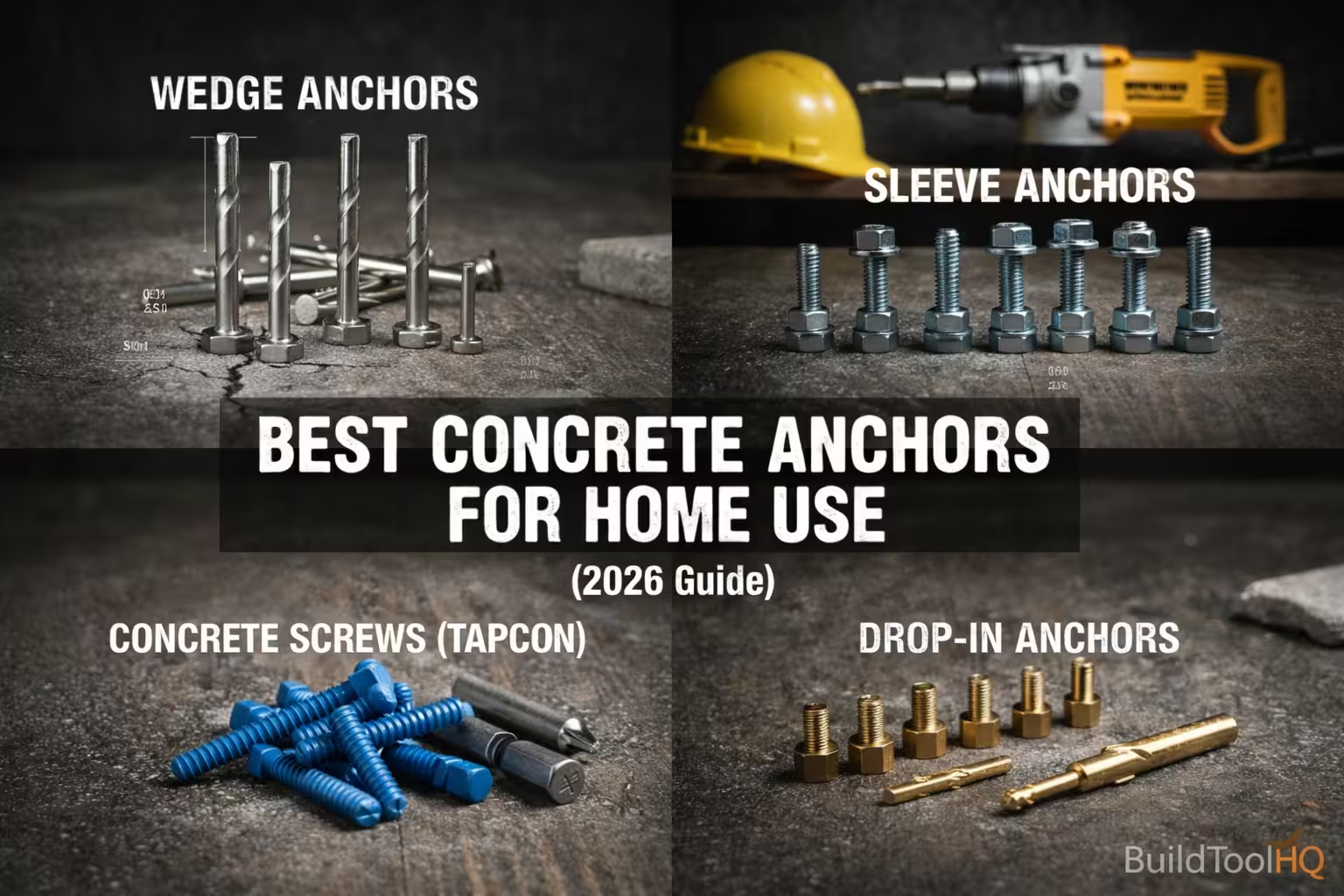
    Best Concrete Anchors for Home Use (2026 Guide)

    Best concrete anchors for home use are essential when mounting shelves, TVs, cabinets, and heavy fixtures into concrete, brick, or block walls. Choosing the wrong anchor can lead to loose mounts, cracked masonry, or unsafe installations — which is why selecting the right anchor type matters for every home project.

    In this guide, you’ll learn which concrete anchors are best for home use, how to choose the right type for your project, and how they connect with proper drilling techniques covered in our other guides.


    What Are Concrete Anchors?

    Concrete anchors are fasteners designed to secure objects into hard masonry surfaces such as concrete, brick, or concrete block. Unlike wood screws or drywall anchors, concrete anchors expand, grip, or thread directly into masonry to create a strong mechanical hold.

    Before choosing an anchor, it’s important to understand:

    • The type of wall (solid concrete, brick, block)
    • The weight of the item
    • The hole size and depth required

    If you’re not sure how drilling affects anchor strength, start with How Deep Can You Drill Into Concrete? and How to Drill Into Concrete Safely – Step-by-Step Guide


    Types of Concrete Anchors (Quick Overview)

    There are several common anchor types used by homeowners. Each has a specific use case.

    For a full breakdown, see (Types of Concrete Anchors Explained – Sleeve, Wedge, Drop-In, Tapcon).

    Common anchor types:

    • Sleeve anchors – versatile, good for brick and block
    • Wedge anchors – extremely strong, concrete only
    • Drop-in anchors – flush-mounted, professional-grade
    • Concrete screws (Tapcon-style) – removable and easy to install
    • Plastic masonry anchors – light-duty only

    Best Concrete Anchors for Common Home Projects

    🧱 Best for Shelves & Light Fixtures

    Concrete screws (Tapcon-style)

    • Easy installation
    • Removable
    • Ideal for shelves, towel bars, small cabinets

    Make sure your hole size is correct — see (What Size Drill Bit Should You Use for Concrete Anchors?).


    📺 Best for TV Mounts & Heavy Wall Loads

    Sleeve anchors or wedge anchors

    • High load capacity
    • Strong expansion grip

    If you’re comparing tools, (Hammer Drill vs Regular Drill: Which One Do You Need?) explains why hammer drills are often required for these anchors.


    🧰 Best for Brick or Block Walls

    Sleeve anchors

    • Even expansion prevents cracking
    • Works well in hollow materials

    Avoid wedge anchors in brick — this mistake is covered in (Common Mistakes When Drilling Into Concrete – And How to Avoid Them).


    🔩 Best for DIY Homeowners

    Concrete anchor kits

    • Multiple sizes included
    • Ideal for mixed projects

    We review the best options in (Best Concrete Anchor Kits for Homeowners – 2026 Review).


    How Much Weight Can Concrete Anchors Hold?

    Anchor strength depends on:

    • Anchor type
    • Diameter and embedment depth
    • Concrete quality
    • Installation accuracy

    For real-world numbers and safety margins, read (How Much Weight Can Concrete Anchors Hold? – Load Ratings Explained).

    ⚠️ Tip: Always derate manufacturer ratings by 25–30% for home projects.


    Concrete Anchors vs Wall Plugs

    Many homeowners confuse concrete anchors with plastic wall plugs.

    Here’s the rule:

    • Wall plugs → light-duty, masonry or brick
    • Concrete anchors → medium to heavy-duty loads

    We break this down clearly in (Types of Concrete Anchors Explained (Sleeve, Wedge, Drop-In, Tapcon).


    Drill Bits Matter More Than You Think

    The anchor is only as strong as the hole it’s installed in.

    Always use:

    • Carbide-tipped masonry bits
    • Correct diameter (never oversize)
    • Clean holes (dust reduces grip)

    If you’re unsure which bit to buy, see (Best Drill Bits for Concrete and Masonry).


    How to Install Concrete Anchors Correctly (Summary)

    Correct installation prevents anchor failure.

    Basic steps:

    1. Mark and level
    2. Drill to correct depth
    3. Clean out dust
    4. Insert anchor
    5. Tighten gradually

    For a full walkthrough, follow (How to Install Concrete Anchors Correctly – Step-by-Step Guide).


    Common Concrete Anchor Mistakes to Avoid

    Avoid these frequent errors:

    • Using the wrong anchor type
    • Drilling too shallow or too deep
    • Overtightening
    • Installing anchors too close to edges

    We cover these in detail in (Common Concrete Anchor Installation Mistakes – And How to Avoid Them).


    Best Tools for Installing Concrete Anchors

    For most home projects:

    • Hammer drill for concrete
    • Standard drill for light masonry
    • Cordless drills for small anchors

    Compare your options in:


    Final Recommendation: Which Concrete Anchor Should You Choose?

    Quick decision guide:

    • Shelves / fixtures → Concrete screws
    • TV mounts → Sleeve anchors
    • Structural loads → Wedge anchors
    • Mixed DIY jobs → Anchor kits

    If you’re still deciding between fastening methods, see (Tapcon Screws vs Concrete Anchors: Which Should You Use?).


    Next Steps

    Now that you understand concrete anchors, continue with:

    These guides will ensure your installations are safe, strong, and long-lasting.

  • Drill Maintenance and Care for Homeowners (Keep Your Drill Working Longer)

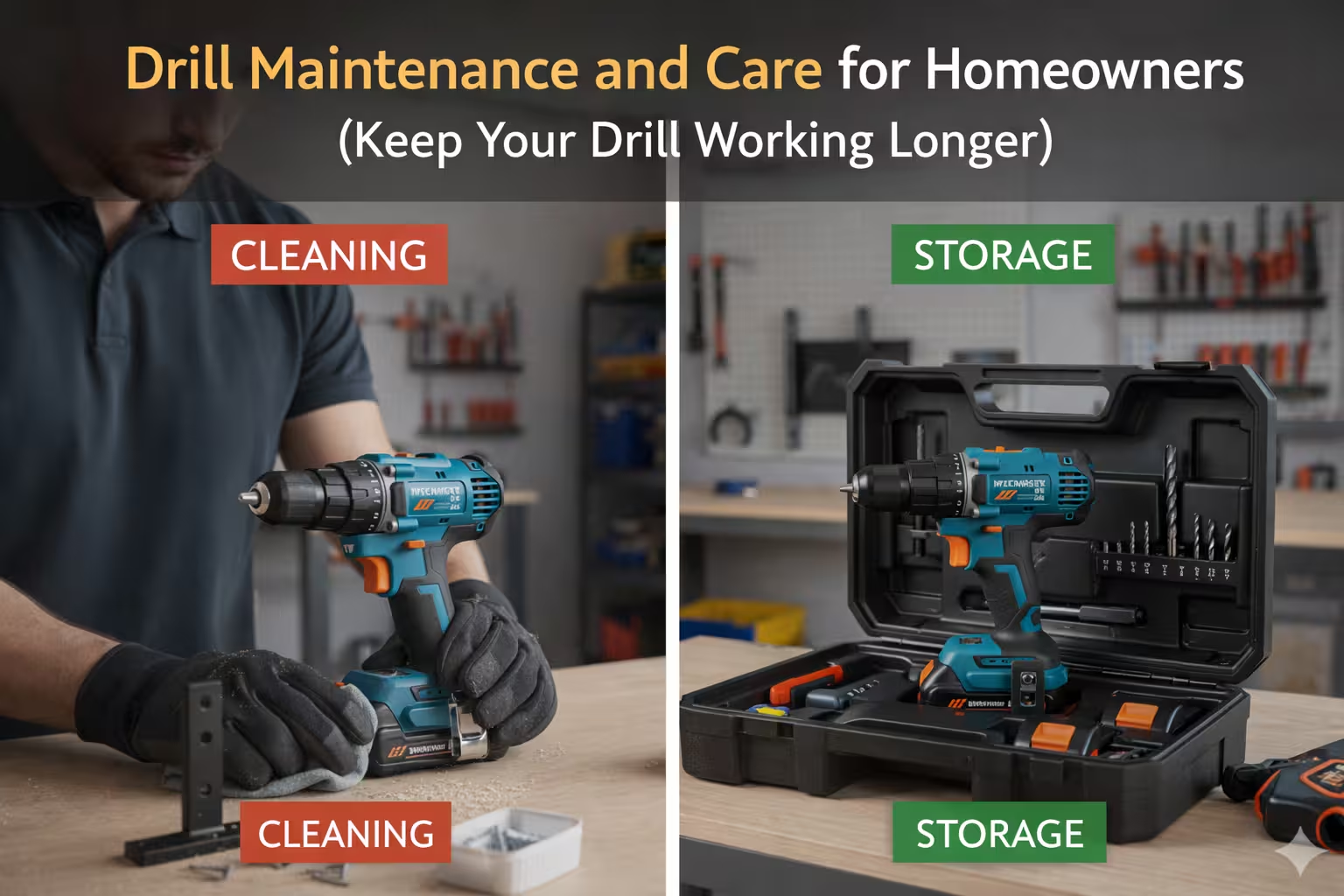
    Drill Maintenance and Care for Homeowners (Keep Your Drill Working Longer)

    Proper drill maintenance and care is often overlooked by homeowners. Many drills fail early not because they are low quality, but because they are poorly maintained. Dust buildup, dull bits, neglected batteries, and improper storage can dramatically shorten a drill’s lifespan.

    This guide explains how homeowners can maintain and care for their drills correctly, so tools last longer, perform better, and remain safe to use for DIY projects.


    Why Drill Maintenance Matters

    Regular maintenance helps:

    • Extend the life of your drill
    • Improve drilling performance
    • Reduce overheating and motor strain
    • Prevent safety issues

    A well-maintained drill delivers consistent power and better control, especially during repeated home projects.

    Before maintaining your drill, make sure you’re using the right tool for your needs. See
    (Best Drill for Home Use (2026 Guide)).


    Clean Your Drill After Use

    Dust and debris are the biggest enemies of power tools.

    After each use:

    • Wipe down the drill body
    • Remove dust from vents
    • Clean the chuck area

    Concrete and masonry dust can clog ventilation openings and cause overheating if not removed.

    If you drill into masonry often, proper bit and drill choice matters. Review
    (Hammer Drill vs Regular Drill: Which One Do You Need?).


    Inspect Drill Bits Regularly

    Dull or damaged drill bits reduce performance and increase strain on the drill.

    Check bits for:

    • Worn cutting edges
    • Chipped carbide tips
    • Bent shanks

    Replace bits when they no longer cut cleanly. Continuing to use worn bits causes excessive pressure and motor stress.

    For proper bit selection, see
    (Best Drill Bits for Concrete and Masonry).


    Maintain the Chuck

    The drill chuck holds the bit securely. Poor chuck condition leads to slipping bits and unsafe operation.

    Chuck care tips:

    • Tighten evenly
    • Remove debris inside the jaws
    • Lightly lubricate if recommended by the manufacturer

    If you’re unsure about chuck types, review
    (Drill Chuck Sizes Explained (¼”, ⅜”, ½”)).


    Battery Care for Cordless Drills

    Batteries are one of the most expensive components of cordless drills.

    Best battery practices:

    • Avoid fully draining batteries frequently
    • Store batteries at room temperature
    • Remove batteries when not in use
    • Use the correct charger

    Proper battery care preserves capacity and reduces replacement costs.

    If you’re deciding between drill types, see
    (Cordless vs Corded Drill: 7 Key Differences for Home Use (2026 Guide)


    Cord and Plug Care for Corded Drills

    For corded drills:

    • Inspect cords for cuts or cracks
    • Avoid pulling the drill by the cord
    • Store cords loosely to prevent damage

    Damaged cords should be repaired or replaced immediately to avoid electrical hazards.


    Store Your Drill Correctly

    Improper storage leads to moisture damage, dust buildup, and accidental drops.

    Best storage practices:

    • Keep drills in a dry location
    • Use a case or shelf
    • Avoid leaving drills on the floor

    Proper storage improves safety and tool longevity.


    Avoid Common Maintenance Mistakes

    Homeowners often:

    • Ignore dust buildup
    • Continue using dull bits
    • Store batteries improperly
    • Skip routine inspections

    Many of these habits lead to poor performance and early tool failure. More mistakes are explained in
    (Common Drill Mistakes Homeowners Make (And How to Avoid Them)


    Safety and Maintenance Go Together

    Maintenance improves safety. Clean tools, sharp bits, and functioning chucks reduce:

    • Kickback
    • Bit slippage
    • Overheating

    For safe operation guidance, review
    (How to Use a Drill Safely at Home (2026 Guide)).


    Frequently Asked Questions

    How often should I clean my drill?

    Light cleaning after each use and deeper inspection every few months is ideal.

    Do drills need lubrication?

    Only specific parts like chucks may need light lubrication. Follow manufacturer guidance.

    Can poor maintenance affect drilling quality?

    Yes. Poorly maintained drills produce uneven holes and reduce accuracy.


    Conclusion: Drill Care Saves Time and Money

    Drill maintenance and care are simple but essential. Cleaning after use, inspecting bits, caring for batteries, and storing drills properly can extend tool life significantly.

    For homeowners, a few minutes of maintenance prevents frustration, improves performance, and protects your investment.

  • How to Use a Drill Safely at Home (2026 Guide)

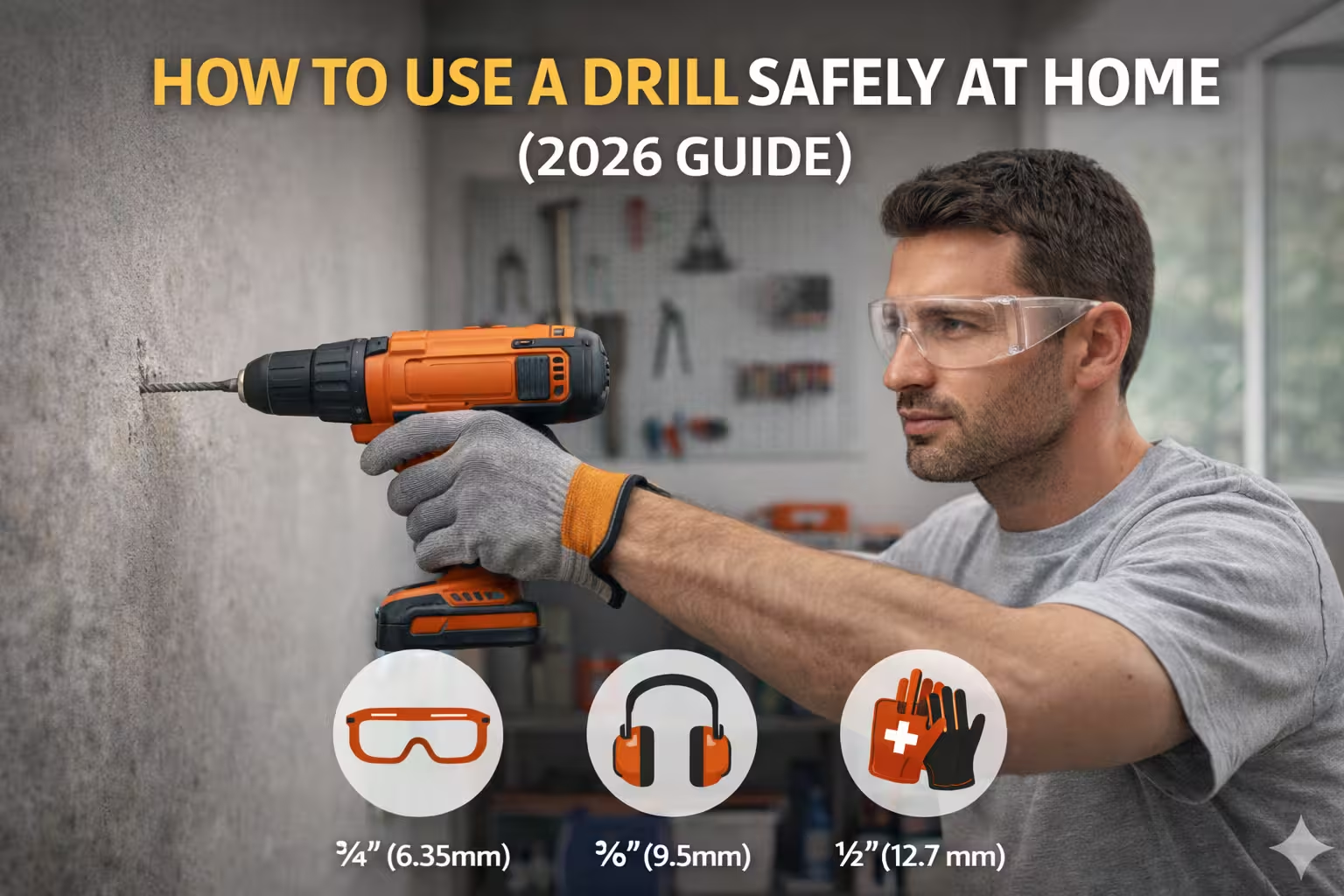
    How to Use a Drill Safely at Home (2026 Guide)

    Knowing how to use a drill safely at home is just as important as choosing the right drill. Many homeowner injuries and damaged projects happen not because of bad tools, but because of unsafe drilling habits and skipped precautions.

    This guide explains essential drill safety practices for home use, including preparation, proper technique, and common hazards to avoid—so you can complete DIY projects confidently and safely.


    Why Drill Safety Matters for Homeowners

    Drills are powerful tools capable of causing:

    • Hand and eye injuries
    • Damaged walls and materials
    • Broken drill bits
    • Loss of control or kickback

    Even small DIY projects require basic safety awareness to prevent accidents.

    For help choosing the right drill before starting, see
    (Best Drill for Home Use (2026 Guide)


    Wear Proper Safety Gear

    Before drilling, always protect yourself.

    Essential safety equipment:

    • Safety glasses to protect eyes from debris
    • Gloves for grip (avoid loose-fitting gloves)
    • Hearing protection for extended drilling sessions

    Concrete and masonry drilling produces fine dust that can irritate eyes and lungs, so protection is especially important.


    Check the Surface Before Drilling

    One of the most important safety steps is inspecting the surface.

    Before drilling:

    • Check for electrical wiring
    • Locate plumbing pipes
    • Use a stud finder for walls

    Drilling blindly can lead to serious damage and costly repairs.

    If your project involves wall mounting or anchors, review
    (Best Drill for DIY Projects at Home (Shelves, TVs, Anchors)).


    Choose the Right Drill for the Job

    Using the wrong drill increases the risk of injury and tool damage.

    Examples:

    • Regular drills struggle in concrete
    • Hammer drills are unnecessary for wood
    • Heavy drills cause fatigue during overhead work

    Understanding drill types improves safety and results. Learn the differences in
    (Hammer Drill vs Regular Drill: Which One Do You Need?).


    Use the Correct Drill Bits

    Always match the drill bit to the material:

    • Wood bits for lumber
    • Masonry bits for concrete or brick
    • Metal bits for steel

    Using the wrong bit increases slippage and overheating.

    For masonry work, see
    (Best Drill Bits for Concrete and Masonry).


    Set the Correct Speed and Torque

    Incorrect settings are a common cause of accidents.

    Safe drilling tips:

    • Start at low speed
    • Increase speed gradually
    • Use torque settings for screw driving

    High speed and excessive force reduce control and increase the chance of bit breakage.

    To better understand drill settings, review
    (What Drill Power Do You Really Need? (RPM, Torque & Voltage Explained)


    Maintain Proper Body Position

    Your stance matters when drilling.

    Best practices:

    • Keep both feet firmly planted
    • Hold the drill with both hands when possible
    • Keep the drill perpendicular to the surface

    Avoid awkward positions that can cause slips or strain.


    Control Pressure and Let the Drill Work

    Pressing too hard does not improve performance.

    Excessive pressure causes:

    • Bit overheating
    • Loss of control
    • Crooked holes

    Apply steady pressure and allow the drill to do the cutting.


    Avoid Common Safety Mistakes

    Homeowners often:

    • Drill without eye protection
    • Use dull or damaged bits
    • Ignore torque settings
    • Drill at full speed immediately

    Many of these mistakes are covered in more detail in
    (Common Drill Mistakes Homeowners Make (And How to Avoid Them)


    Extra Safety Tips for Cordless and Corded Drills

    Cordless drill safety:

    • Keep batteries charged
    • Avoid damaged batteries
    • Store batteries properly

    Corded drill safety:

    • Inspect cords for damage
    • Avoid wet conditions
    • Use grounded outlets

    For help choosing between corded and cordless tools, see
    (Cordless vs Corded Drill: 7 Key Differences for Home Use (2026 Guide)).


    Frequently Asked Questions

    Is drilling dangerous for beginners?

    Drilling is safe when basic precautions are followed and the right drill is used.

    Should I unplug or remove the battery when changing bits?

    Yes. Always disconnect power before changing drill bits.

    Can drill safety improve project quality?

    Yes. Proper technique results in cleaner holes, better accuracy, and less damage.


    Conclusion: Safe Drilling Leads to Better Results

    Learning how to use a drill safely at home protects you, your tools, and your property. Simple habits like wearing eye protection, choosing the correct drill and bit, and controlling speed make a significant difference.

    Safe drilling leads to cleaner results, fewer mistakes, and more confidence in every DIY project.

  • Drill Chuck Sizes Explained (¼”, ⅜”, ½”)

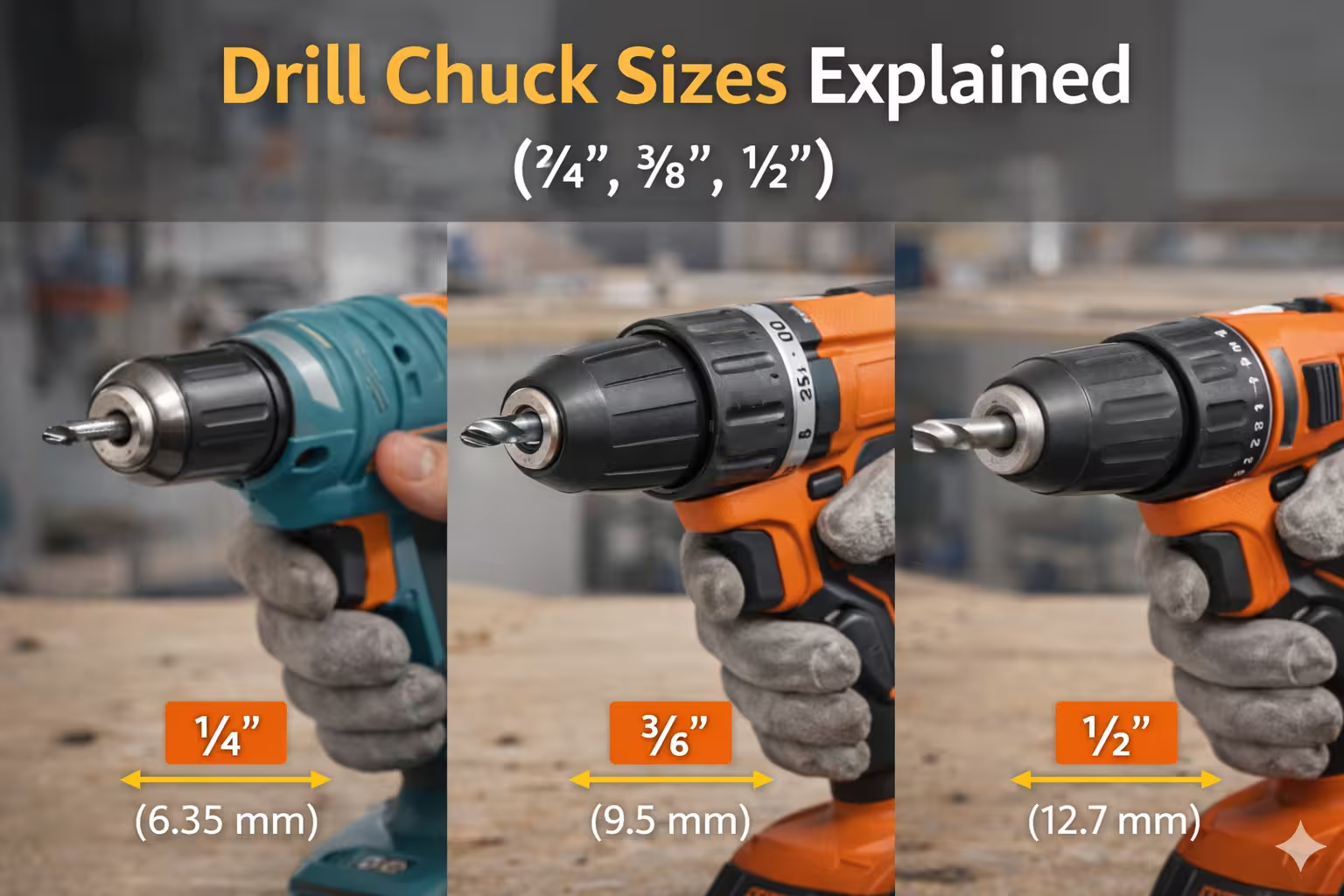
    Drill Chuck Sizes Explained (¼”, ⅜”, ½”)

    Understanding drill chuck sizes is essential when choosing a drill for home use. Many homeowners focus on power, voltage, or brand, but overlook chuck size—even though it directly affects what drill bits you can use and what projects your drill can handle.

    This guide explains ¼”, ⅜”, and ½” drill chuck sizes, what they mean, when each size is best, and how to choose the right chuck size for DIY projects at home.


    What Is a Drill Chuck?

    The drill chuck is the part at the front of the drill that holds the drill bit in place. Chuck size refers to the maximum diameter of the bit shank the drill can accept.

    Choosing the right chuck size ensures:

    • Compatibility with common drill bits
    • Better grip on the bit
    • Safer and more accurate drilling

    For a general overview of choosing a drill, see
    (Best Drill for Home Use (2026 Guide)).


    ¼-Inch Chuck Explained

    A ¼-inch chuck is the smallest common chuck size.

    Best uses:

    • Light-duty DIY
    • Small screws
    • Furniture assembly
    • Precision work

    Advantages:

    • Lightweight
    • Easy to control
    • Ideal for beginners

    Limitations:

    • Cannot accept larger drill bits
    • Not suitable for masonry or heavy drilling

    ¼-inch chucks are most often found on compact cordless drills and impact drivers.


    ⅜-Inch Chuck Explained

    A ⅜-inch chuck is the most common size for homeowner drills.

    Best uses:

    • General DIY projects
    • Shelves and wall mounts
    • Light to medium drilling
    • Screw driving

    Advantages:

    • Accepts a wide range of drill bits
    • Good balance of size and power
    • Suitable for most home tasks

    Limitations:

    • Not ideal for large masonry bits
    • Limited for heavy-duty drilling

    Most cordless drills designed for home use feature a ⅜-inch chuck.


    ½-Inch Chuck Explained

    A ½-inch chuck is found on more powerful drills.

    Best uses:

    • Large drill bits
    • Masonry and concrete drilling
    • Heavy-duty DIY projects

    Advantages:

    • Maximum bit compatibility
    • Stronger grip on larger bits
    • Better for tough materials

    Limitations:

    • Heavier drill
    • Less comfortable for small tasks
    • Overkill for light DIY work

    ½-inch chucks are common on hammer drills and corded drills.

    If you’re drilling into masonry, this chuck size often pairs well with hammer mode. Learn more in
    (Hammer Drill vs Regular Drill: Which One Do You Need?).


    Which Drill Chuck Size Do Homeowners Really Need?

    Most homeowners are best served by a ⅜-inch chuck.

    It offers:

    • Enough capacity for common drill bits
    • Compatibility with anchors and screws
    • Comfortable handling for everyday tasks

    Choose a ½-inch chuck only if you:

    • Drill into concrete frequently
    • Use large drill bits
    • Work on heavier projects

    For most DIY tasks, larger chuck sizes add weight without real benefit.


    Chuck Size vs Drill Power

    Chuck size and drill power are closely related.

    • Small chuck + low torque = light-duty use
    • Larger chuck + higher torque = heavy-duty use

    A drill with a large chuck but insufficient torque won’t perform well. To understand power requirements, see
    (What Drill Power Do You Really Need? (RPM, Torque & Voltage Explained)


    Chuck Size and DIY Projects

    Shelves and Furniture

    ⅜-inch chuck is ideal.

    TV Mounts and Anchors

    ⅜-inch works for drywall; ½-inch is better for masonry anchors.

    Concrete and Brick

    ½-inch chuck with hammer mode performs best.

    If your DIY work includes anchors and masonry, review
    (Best Drill for DIY Projects at Home (Shelves, TVs, Anchors)).


    Common Chuck Size Mistakes

    Homeowners often:

    • Buy a large chuck unnecessarily
    • Ignore bit compatibility
    • Use oversized drills for small jobs

    These mistakes lead to fatigue and poor control. More mistakes are covered in
    (Common Drill Mistakes Homeowners Make (And How to Avoid Them)


    Frequently Asked Questions

    Can a drill with a ⅜-inch chuck use small bits?

    Yes. A ⅜-inch chuck can hold smaller bits securely.

    Is a ½-inch chuck always better?

    No. Bigger chucks add weight and are unnecessary for most DIY work.

    Do chuck sizes affect safety?

    Yes. Proper chuck size improves bit grip and reduces slippage.


    Conclusion: Choosing the Right Drill Chuck Size

    Understanding drill chuck sizes helps homeowners choose a drill that fits their projects without unnecessary weight or cost. For most home use, a ⅜-inch chuck provides the best balance of versatility and comfort.

    Larger chuck sizes are useful for heavy-duty tasks but are rarely required for everyday DIY projects.

  • Common Drill Mistakes Homeowners Make (And How to Avoid Them)

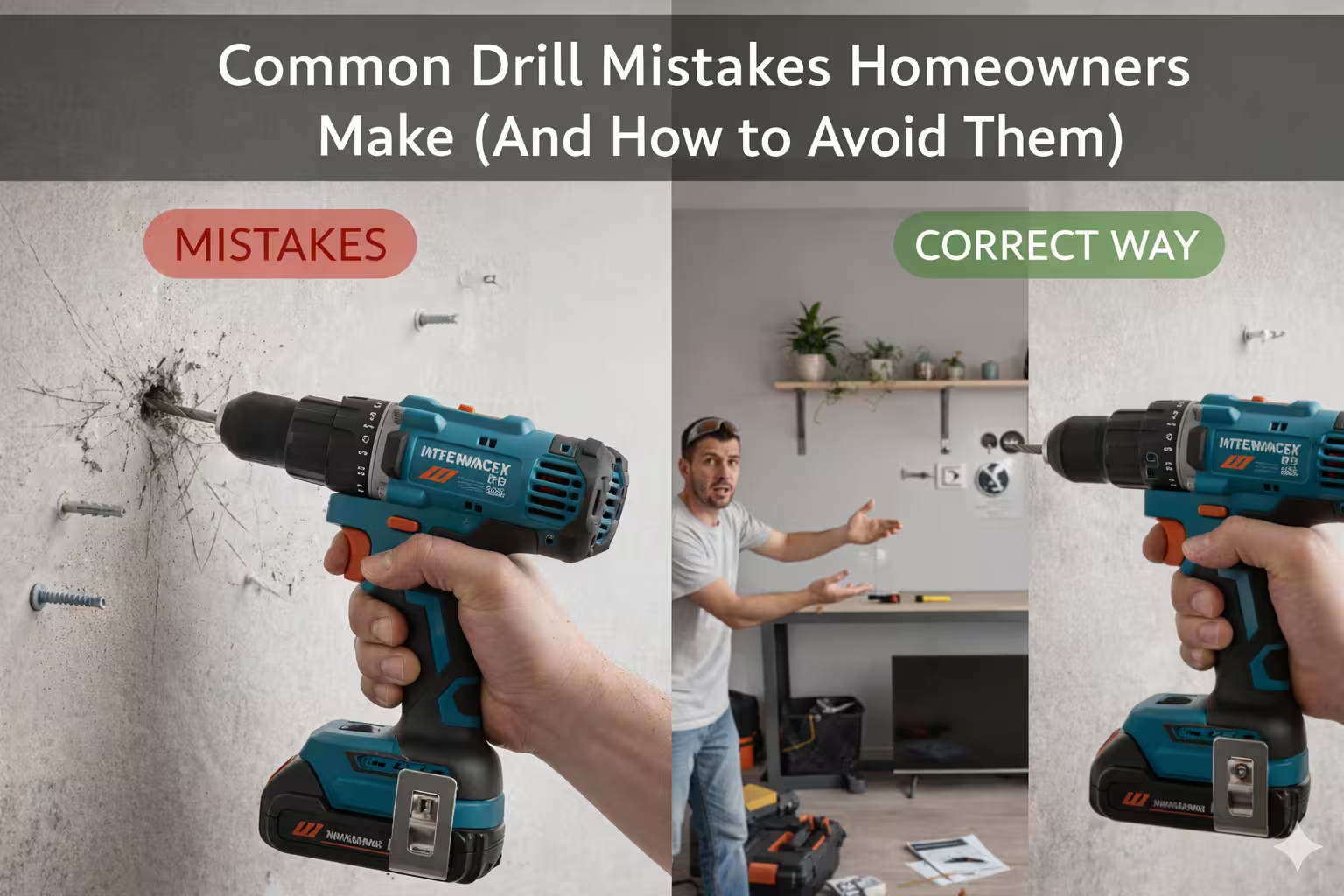
    Common Drill Mistakes Homeowners Make (And How to Avoid Them)

    Many problems homeowners experience when using a drill don’t come from bad tools—they come from common drill mistakes. Stripped screws, crooked holes, damaged walls, and broken bits are usually caused by poor technique or choosing the wrong settings.

    This guide explains the most common drill mistakes homeowners make, why they happen, and how to avoid them so your DIY projects are safer, cleaner, and more successful.


    Using the Wrong Type of Drill

    One of the biggest mistakes is using the wrong drill for the job.

    Examples include:

    • Using a regular drill on concrete or brick
    • Using a heavy hammer drill for light DIY work
    • Choosing corded tools when portability is needed

    Each drill type is designed for specific tasks. For a full overview, see
    (Best Drill for Home Use (2026 Guide)

    If you’re unsure whether a hammer drill is necessary, review
    (Hammer Drill vs Regular Drill: Which One Do You Need?).


    Ignoring Drill Power and Settings

    Many homeowners leave their drill on one setting for every task.

    Common errors:

    • Using high speed for all drilling
    • Ignoring torque settings
    • Applying maximum power unnecessarily

    Different materials require different power levels. Using the wrong settings leads to poor control and damaged materials.
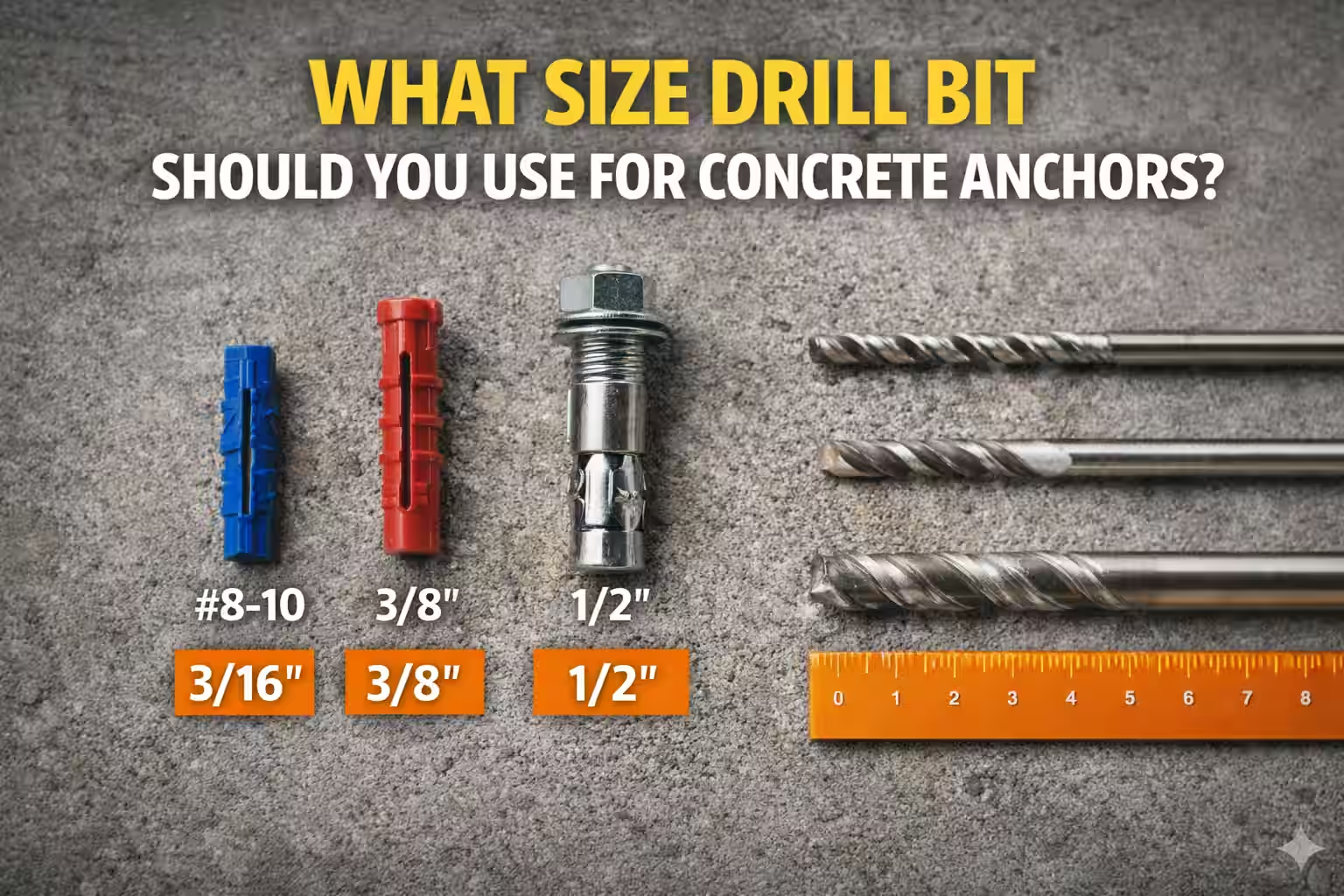
    To understand power properly, see
    (What Drill Power Do You Really Need? (RPM, Torque & Voltage Explained)


    Applying Too Much Pressure

    Pressing harder does not make drilling faster. In fact, it often causes:

    • Bit overheating
    • Loss of control
    • Crooked holes
    • Reduced tool lifespan

    A drill should do the work. Apply steady pressure and let the bit cut naturally.


    Using the Wrong Drill Bits

    Using incorrect drill bits is a very common mistake.

    Examples:

    • Wood bits on masonry
    • Dull bits on hard materials
    • Incorrect bit size for anchors

    Wrong bits reduce efficiency and increase the risk of cracking or slipping.

    If your projects involve concrete or brick, see
    (Best Drill Bits for Concrete and Masonry).


    Skipping Pilot Holes

    Skipping pilot holes often leads to:

    • Split wood
    • Stripped screws
    • Crooked fasteners

    Pilot holes help guide screws and reduce resistance, especially in hardwood or dense materials.
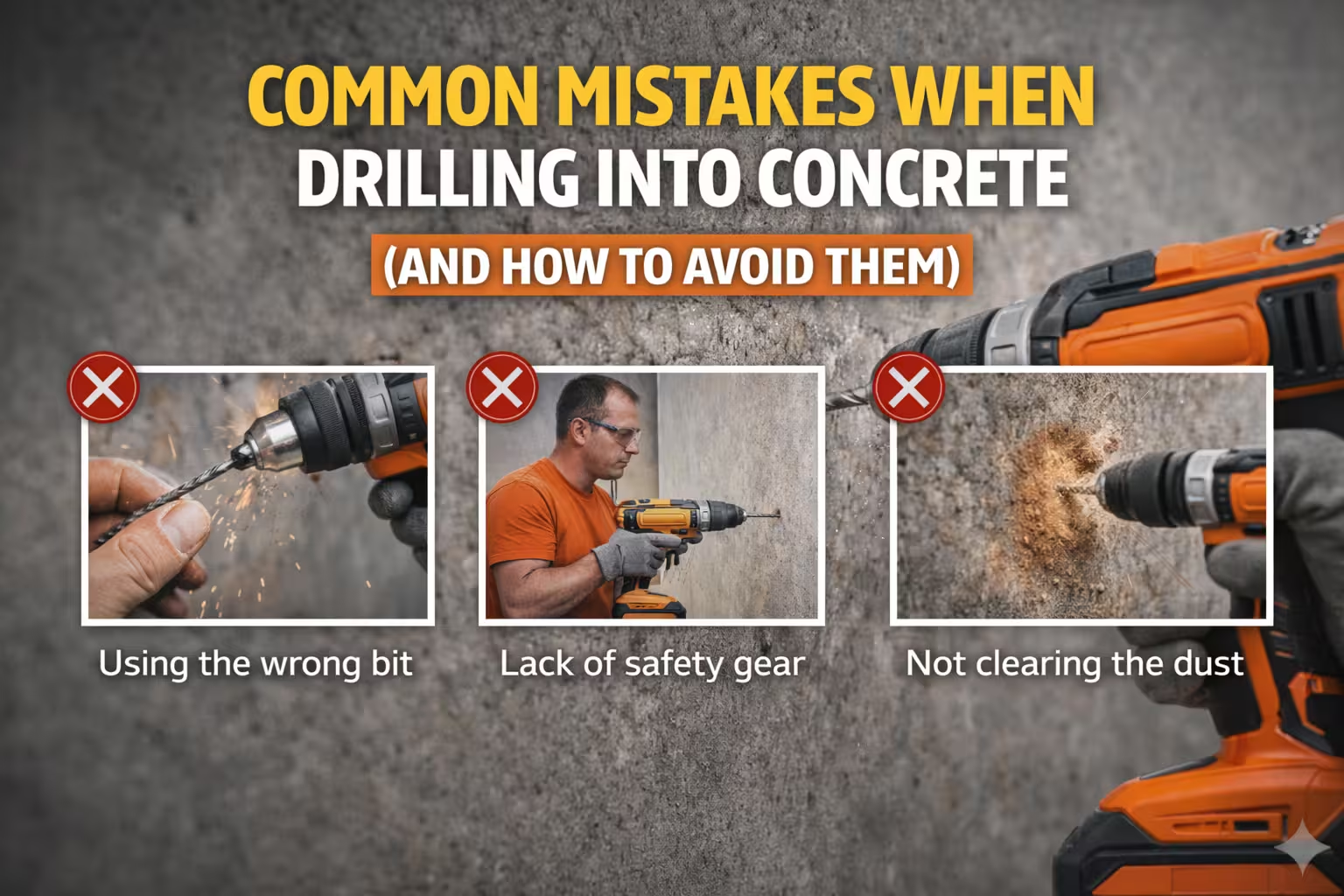
    This mistake is common during furniture assembly and shelving projects. For drill recommendations, see
    (Best Drill for DIY Projects at Home (Shelves, TVs, Anchors)


    Choosing the Wrong Drill Size or Weight

    Heavier drills are not always better.

    Common issues:

    • Fatigue during overhead work
    • Poor control
    • Increased risk of mistakes

    Most homeowners benefit from lighter drills with balanced power rather than oversized tools.


    Not Checking the Surface Before Drilling

    Drilling blindly can cause serious problems.

    Mistakes include:

    • Hitting electrical wiring
    • Drilling into plumbing
    • Damaging hidden studs

    Always inspect walls, use stud finders, and confirm anchor locations before drilling.


    Ignoring Basic Safety Practices

    Skipping safety steps can lead to injury.

    Common oversights:

    • No eye protection
    • Loose clothing
    • Poor footing
    • Unsafe ladder positioning

    For a complete safety overview, see
    (How to Use a Drill Safely at Home (2026 Guide)).


    Frequently Asked Questions

    What is the most common drill mistake?

    Using the wrong drill type or wrong settings for the material.

    Can drill mistakes damage walls permanently?

    Yes. Incorrect drilling can crack masonry, strip drywall, or weaken anchors.

    Are cordless drills easier for beginners?

    Yes. Cordless drills are generally easier to control and safer for beginners.


    Conclusion: Avoiding Common Drill Mistakes

    Most drill problems are preventable. Using the right drill, correct settings, proper bits, and safe technique dramatically improves results.

    By avoiding these common drill mistakes, homeowners can complete DIY projects more efficiently, protect their tools, and achieve cleaner, more professional-looking results.

  • What Drill Power Do You Really Need? (RPM, Torque & Voltage Explained)

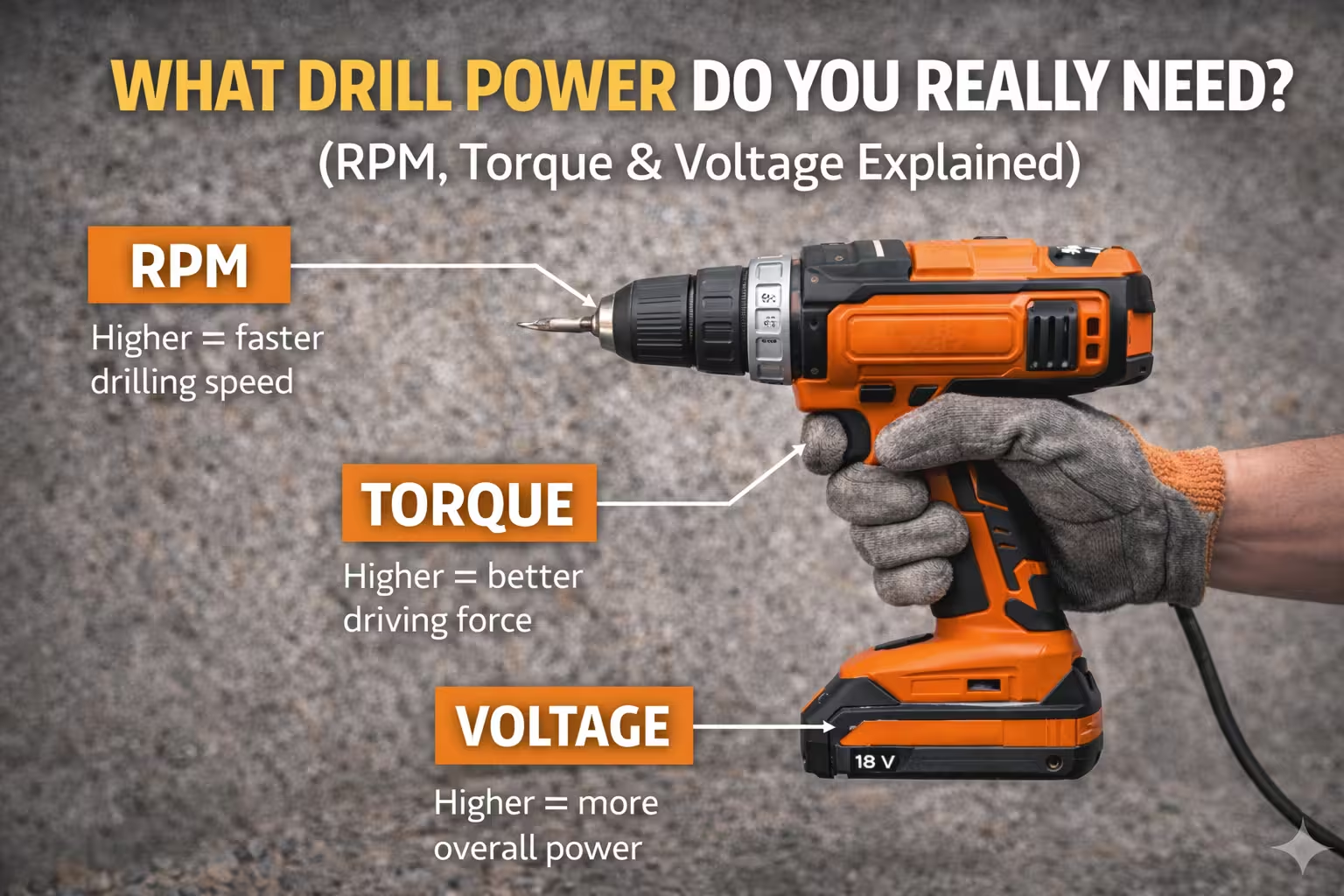
    What Drill Power Do You Really Need? (RPM, Torque & Voltage Explained)

    Understanding drill power (RPM, torque, and voltage) is one of the most confusing parts of choosing a drill for home use. Tool specifications often list these numbers without explaining what they actually mean or how they affect real-world performance.

    This guide breaks down drill power in simple terms so homeowners can confidently choose a drill that’s strong enough for their projects—without buying an oversized, expensive, or uncomfortable tool.


    What Does Drill Power Really Mean?

    Drill power is not a single measurement. It’s a combination of three key factors:

    • RPM (speed)
    • Torque (twisting force)
    • Voltage (battery output for cordless drills)

    These elements work together. A drill with high RPM but low torque may spin fast but struggle with tougher materials. A drill with high torque but poor speed control may feel powerful but lack precision.
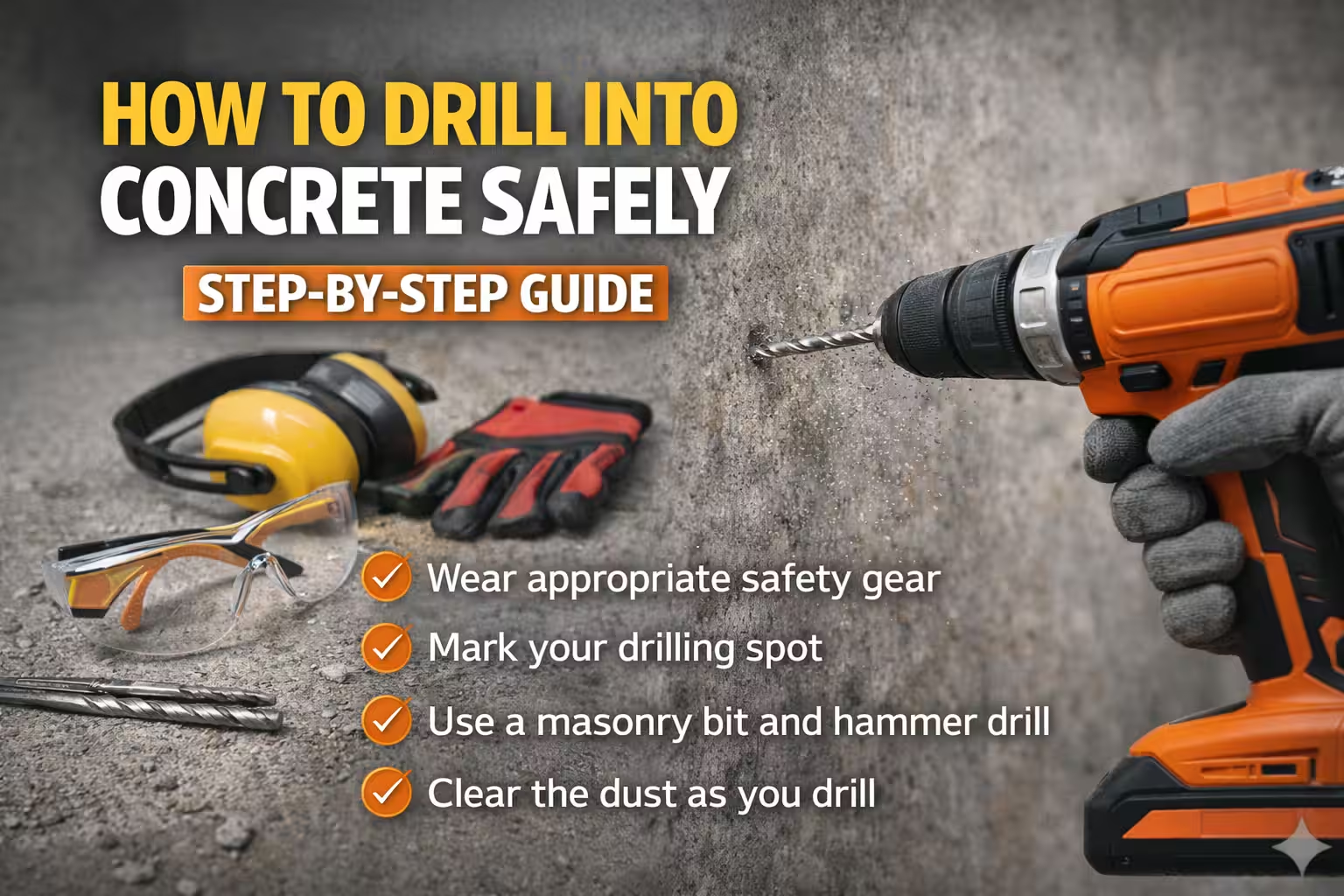
    For a full overview of drill types before diving deeper into power specs, see (Best Drill for Home Use (2026 Guide)


    RPM Explained: Drill Speed

    RPM (revolutions per minute) measures how fast the drill bit spins.

    High RPM is best for:

    • Drilling small holes
    • Wood and drywall
    • Plastic and thin metal
    • Fast, clean drilling

    Low RPM is better for:

    • Drilling larger holes
    • Driving screws
    • Hard materials
    • Preventing bit slippage

    Most modern drills feature variable speed triggers, allowing you to control RPM by how hard you press the trigger. This flexibility is essential for DIY work.

    Using high RPM when drilling large holes or driving screws often causes:

    • Stripped screw heads
    • Overheating
    • Loss of control

    Torque Explained: Twisting Force

    Torque is the force that turns the drill bit or screw.

    High torque is needed for:

    • Driving long screws
    • Dense materials
    • Larger drill bits
    • Masonry drilling (with hammer mode)

    Low torque works best for:

    • Small screws
    • Precision work
    • Light materials

    Many drills include a clutch with adjustable torque settings, which helps prevent overdriving screws and damaging materials.
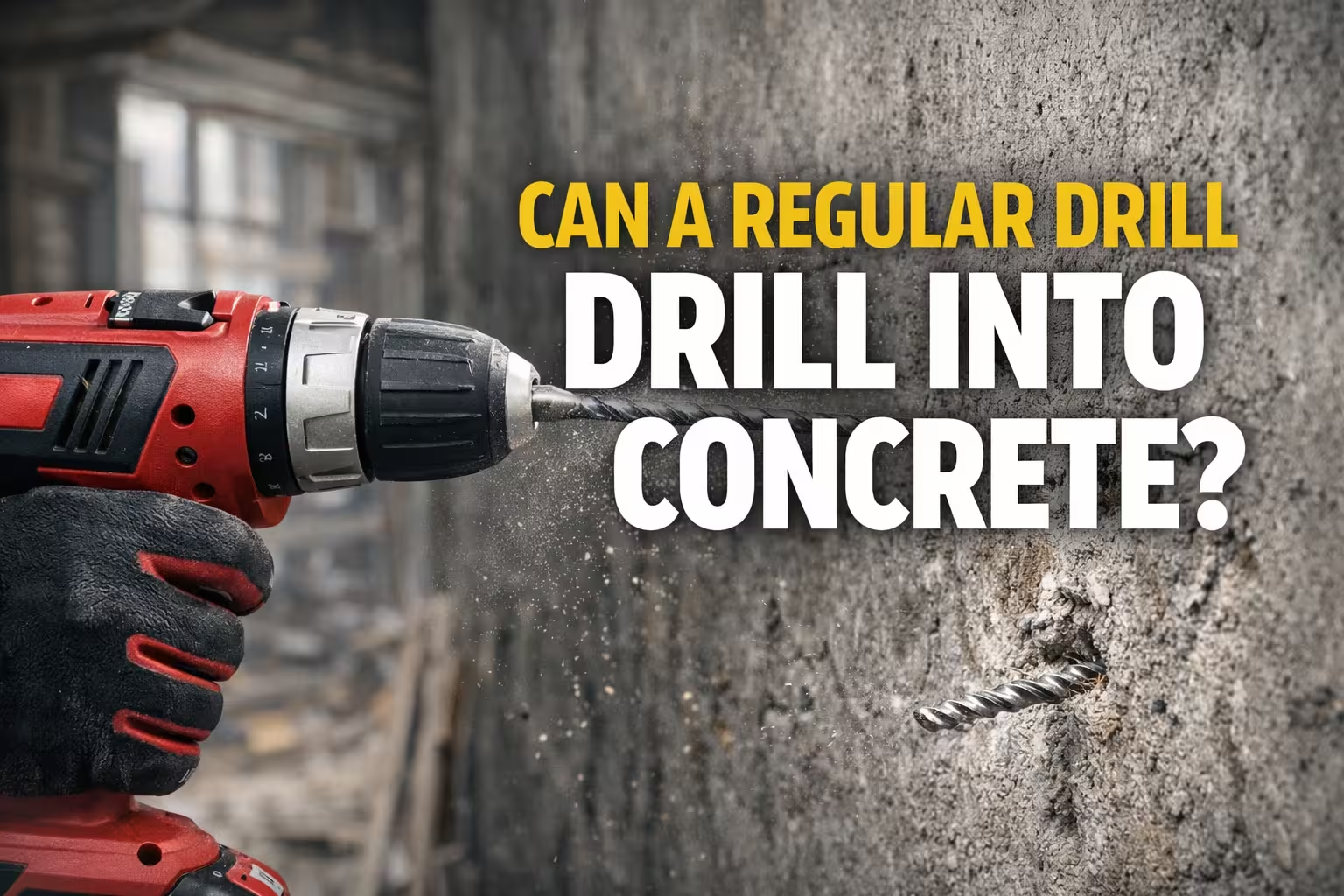
    If you’re unsure how torque differs between drill types, compare them in (Hammer Drill vs Regular Drill: Which One Do You Need?).


    Voltage Explained: Cordless Drill Power

    Voltage applies primarily to cordless drills and reflects battery output.

    Common voltage ranges:

    • 12V: Light-duty tasks, compact size
    • 18V–20V: Ideal for most homeowners
    • 24V+: Heavy-duty or professional use

    Higher voltage generally means more power, but it also increases:

    • Tool weight
    • Battery size
    • Cost

    For most homeowners, 18V–20V cordless drills offer the best balance of power, comfort, and versatility.

    To compare cordless and corded options more clearly, see (Cordless vs Corded Drill: 7 Key Differences for Home Use (2026 Guide)


    How Much Drill Power Do Homeowners Really Need?

    Most homeowners do not need maximum power.

    A drill with:

    • Variable speed
    • Adjustable torque
    • Mid-range voltage
    • Optional hammer mode

    can handle:

    • Furniture assembly
    • Shelves and cabinets
    • Wall anchors
    • Light masonry drilling
    • General home repairs

    Choosing more power than necessary often results in a drill that feels heavy, awkward, and tiring to use.


    When More Drill Power Actually Matters

    Higher drill power becomes important when you:

    • Drill into concrete or brick frequently
    • Use large hole saws
    • Drive long structural screws
    • Work with dense materials

    In these cases, a hammer drill or a higher-torque model makes sense. Learn more in (Best Hammer Drill for Home Use (2026 Guide)


    Common Drill Power Mistakes Homeowners Make

    Many DIY users run into problems because of these mistakes:

    • Choosing the highest voltage without considering weight
    • Ignoring torque settings
    • Using high RPM for all tasks
    • Buying professional-grade tools unnecessarily

    These mistakes often lead to fatigue, poor results, or wasted money. More examples are covered in (Common Drill Mistakes Homeowners Make (And How to Avoid Them)


    Frequently Asked Questions

    Is higher voltage always better?

    No. Higher voltage adds power and weight. Most homeowners are best served by 18V–20V drills.

    Does RPM matter more than torque?

    Both matter. RPM controls speed, torque controls force. Balanced performance is more important than extreme numbers.

    Can low-power drills still handle DIY projects?

    Yes. Many home projects require control and precision rather than raw power.


    Conclusion: Choosing the Right Drill Power

    You don’t need the most powerful drill to succeed with home projects. Understanding RPM, torque, and voltage helps you choose a drill that’s strong enough without being bulky, expensive, or difficult to control.

    For homeowners, balanced power and comfort matter far more than maximum specifications.

  • Cordless vs Corded Drill: 7 Key Differences for Home Use (2026 Guide)

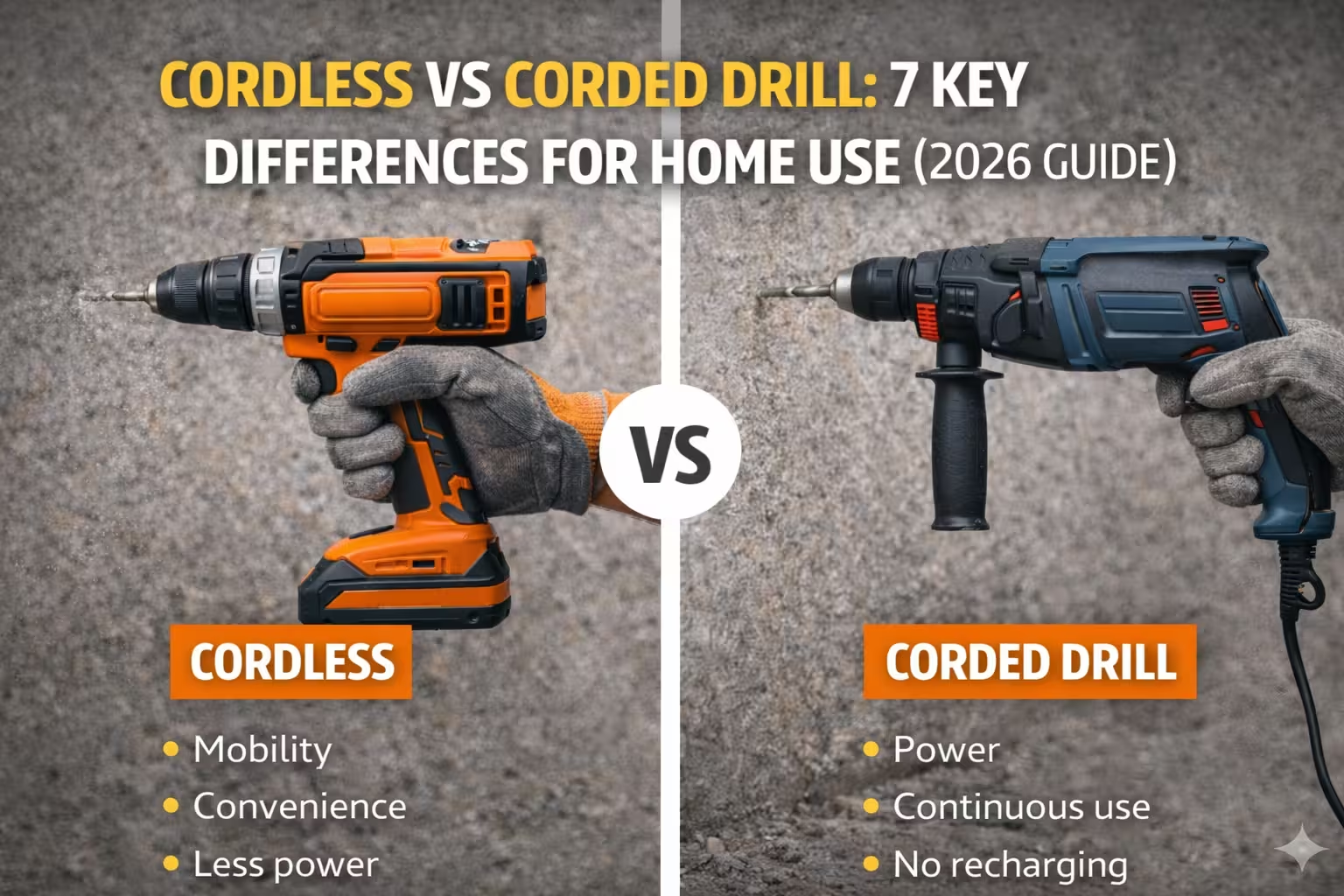
    Cordless vs Corded Drill: 7 Key Differences for Home Use (2026 Guide)

    Choosing between a cordless vs corded drill is one of the most common decisions homeowners face when buying a power tool. Both options can handle everyday tasks, but they excel in very different situations.

    This guide explains the real differences between cordless and corded drills, which one is better for home use, and how to choose the right option based on your projects—not marketing hype.


    1. Power and Performance

    Corded drills deliver consistent power because they draw electricity directly from an outlet. This makes them ideal for long drilling sessions or tougher materials.

    Cordless drills rely on battery output, which can drop as the battery drains. Modern lithium-ion batteries are powerful, but they still can’t match unlimited corded power for extended use.

    Best choice:

    • Heavy or continuous drilling → Corded drill
    • Light to moderate tasks → Cordless drill

    2. Portability and Convenience

    Cordless drills clearly win in portability. You can use them anywhere—garage, backyard, ladder, or job site—without worrying about extension cords.

    Corded drills limit your movement and require a nearby power source, which can be frustrating for quick jobs.

    Winner: Cordless drill


    3. Ease of Use for Homeowners

    For most homeowners, cordless drills are easier to handle:

    • Lighter
    • No cable management
    • Faster setup

    Corded drills can feel bulky and are better suited for workshop environments.

    If you’re still deciding between drill types in general, see (Hammer Drill vs Regular Drill: Which One Do You Need?).


    4. Runtime and Downtime

    Corded drills run non-stop as long as power is available.

    Cordless drills depend on battery life. While spare batteries help, charging downtime is still a factor—especially for longer projects.

    Best choice:

    • Long sessions → Corded
    • Short DIY tasks → Cordless

    5. Maintenance and Longevity

    Corded drills tend to last longer because they don’t rely on batteries that degrade over time.

    Cordless drills may require battery replacement after a few years, which adds cost.

    Long-term durability: Corded drill


    6. Cost and Value

    Corded drills are usually cheaper upfront.

    Cordless drills cost more because of batteries and chargers—but offer greater flexibility.

    Budget-focused buyers: Corded
    Convenience-focused buyers: Cordless


    7. Best Use Cases for Each

    Cordless Drill Is Best For:

    • Hanging shelves
    • Furniture assembly
    • Light drilling and driving
    • General home maintenance

    Corded Drill Is Best For:

    • Workshop use
    • Long drilling sessions
    • Consistent heavy loads

    For a complete recommendation based on all home projects, see (Best Drill for Home Use – 2026 Master Guide).


    Frequently Asked Questions

    Is a cordless drill powerful enough for home use?

    Yes. Modern cordless drills handle most homeowner tasks easily.

    Should beginners choose cordless or corded?

    Most beginners prefer cordless drills due to ease of use and portability.

    Do professionals still use corded drills?

    Yes—especially for continuous or high-load work.


    Final Verdict: Cordless vs Corded Drill

    For most homeowners, a cordless drill is the best all-around choice due to convenience and versatility. A corded drill still makes sense if you work primarily in a garage or need nonstop power.

    If you want a single drill that covers the widest range of tasks, your answer will usually be cordless—but choosing the right type still matters.

  • Hammer Drill vs Regular Drill: Which One Do You Need?

    Hammer Drill vs Regular Drill: Which One Do You Need?

    Hammer drill vs regular drill is a common comparison homeowners face when choosing the right tool for DIY and home improvement projects. While both drills look similar, they work very differently and are designed for different materials.

    This guide explains the key differences between hammer drills and regular drills, when each one makes sense, and how to choose the right option for your home projects—without overspending or buying tools you don’t need.


    What Is a Regular Drill?

    A regular drill provides rotational force only. It spins the drill bit to create holes and drive screws but does not deliver any hammering action.

    Best uses for a regular drill

    • Wood
    • Drywall
    • Plastic
    • Thin metal
    • Light household repairs

    Regular drills are lightweight, easy to control, and ideal for most basic DIY tasks around the home.

    Limitations

    Regular drills struggle with hard materials like concrete and brick. They rely entirely on rotation, which makes drilling into masonry slow and inefficient.

    If you’re wondering whether a standard drill can handle concrete at all, see
    (Can a Regular Drill Drill Into Concrete?)


    What Is a Hammer Drill?

    A hammer drill combines rotation with a rapid hammering motion. This hammering action helps break up hard materials like concrete and masonry while the bit spins.

    Best uses for a hammer drill

    • Concrete walls
    • Brick and block
    • Masonry anchors
    • Wall mounts and fixtures

    Hammer drills are the preferred choice for homeowners who occasionally need to drill into concrete without stepping up to professional-grade tools.

    For a broader overview of drill types, see
    (Best Drill for Home Use (2026 Guide))


    Hammer Drill vs Regular Drill: Key Differences

    Drilling Mechanism

    • Regular drill: Rotational force only
    • Hammer drill: Rotation + hammering action

    Material Capability

    • Regular drill: Soft materials
    • Hammer drill: Soft materials + masonry

    Speed and Efficiency

    • Regular drill: Slow in concrete
    • Hammer drill: Faster and more controlled in concrete

    Versatility

    • Regular drill: Great for basic DIY
    • Hammer drill: Handles both DIY and light masonry work

    Which One Do You Need for Home Use?

    Choose a regular drill if:

    • You only drill into wood, drywall, or metal
    • You don’t install concrete anchors
    • You want a lighter, simpler tool

    Choose a hammer drill if:

    • You drill into concrete or brick occasionally
    • You install wall anchors or mounts
    • You want one drill that handles most home projects

    For homeowners who want a single do-it-all tool, a hammer drill offers much more flexibility.


    What About Rotary Hammers?

    Some people confuse hammer drills with rotary hammers.

    A rotary hammer is a more powerful tool designed for:

    • Thick concrete
    • Structural drilling
    • Large-diameter holes

    For most homeowners, rotary hammers are unnecessary. To understand the difference clearly, read
    (Hammer Drill vs Rotary Hammer: What’s the Difference?)


    Drill Bits Matter More Than You Think

    Even the best drill won’t perform well without the correct drill bit.

    Concrete drilling requires masonry drill bits with carbide tips. Using wood or metal bits leads to poor results and damaged tools.

    Learn more here:
    (Best Drill Bits for Concrete and Masonry)


    Safety Considerations

    Both drill types require safe handling:

    • Wear eye protection
    • Keep the drill straight
    • Avoid excessive pressure
    • Let the drill do the work

    If you’re drilling into hard surfaces, follow proper safety steps outlined in
    (How to Drill Into Concrete Safely (Step-by-Step Guide))


    Common Mistakes to Avoid

    Homeowners often make these mistakes:

    • Using a regular drill on concrete
    • Applying too much pressure
    • Drilling at high speed from the start
    • Using the wrong drill bits

    More mistakes and solutions are covered in
    (Common Drill Mistakes Homeowners Make (And How to Avoid Them)


    Frequently Asked Questions

    Can a hammer drill replace a regular drill?

    Yes. A hammer drill can function like a regular drill when hammer mode is turned off.

    Is a hammer drill harder to use?

    No. Modern hammer drills are easy to control and suitable for DIY users.

    Do all homeowners need a hammer drill?

    Not all, but many benefit from the added versatility.


    Conclusion: Hammer Drill vs Regular Drill

    Choosing between a hammer drill vs regular drill depends on the materials you work with. For basic DIY tasks, a regular drill is sufficient. For drilling into concrete, brick, or masonry, a hammer drill is the better and safer choice.

    For most homeowners, a hammer drill provides the best balance of power, versatility, and long-term value.

  • How Deep Can You Drill Into Concrete?

    How Deep Can You Drill Into Concrete?

    How deep can you drill into concrete depends on the type of drill, drill bit length, concrete hardness, and the purpose of the hole. For anchors, fasteners, or mounting hardware, drilling too shallow or too deep can weaken holding strength and cause installation problems.

    This guide explains how drilling depth works in concrete, what limits you should expect, and how to drill safely and accurately for reliable results.


    What Determines How Deep You Can Drill Into Concrete?

    Several factors affect how deep you can drill into concrete:

    Drill Type

    • Hammer drills are suitable for most anchor-depth holes in concrete walls
    • Rotary hammers can drill much deeper into thick or reinforced concrete

    If you’re still choosing a drill, start with
    Best Drill for Concrete Walls (2025 Guide)


    Drill Bit Length

    The maximum drilling depth is limited by the usable length of the drill bit.

    • Short masonry bits → shallow anchor holes
    • Long masonry or SDS bits → deeper drilling

    Always leave extra space at the bottom of the hole for dust buildup.


    Concrete Hardness and Composition

    Not all concrete is the same.

    • Older or softer concrete drills more easily
    • Reinforced concrete and high-density mixes resist drilling and reduce effective depth

    Hitting rebar or aggregate can stop progress entirely.


    Typical Drilling Depths for Common Applications

    Concrete Anchors

    Most wall anchors require relatively shallow holes.

    • Plastic anchors: usually 1–2 inches
    • Sleeve anchors: typically 2–3 inches
    • Wedge anchors: often 2½–4 inches

    Exact depth depends on anchor type and manufacturer instructions.

    For proper sizing, see
    What Size Drill Bit Should You Use for Concrete Anchors?


    Mounting and Wall Fixtures

    TV mounts, shelves, and brackets generally require drilling deep enough to fully seat anchors while leaving room for dust.

    Drilling too deep weakens the anchor’s grip.


    Heavy-Duty and Structural Drilling

    For structural applications or thick slabs, deeper drilling may be required.

    This is where rotary hammers with long SDS bits are used.

    If you’re unsure which tool fits your job, compare options in
    Hammer Drill vs Rotary Hammer: What’s the Difference?


    How to Drill to the Correct Depth

    Accuracy matters more than maximum depth.

    Use a Depth Guide

    • Many drills include adjustable depth stops
    • Tape wrapped around the bit also works as a visual guide

    Drill Slightly Deeper Than Needed

    Drill the hole about ¼–½ inch deeper than the anchor length to allow space for dust.

    Clear Dust Frequently

    Pull the bit out occasionally to remove dust and maintain drilling efficiency.

    For safe technique, follow
    How to Drill Into Concrete Safely (Step-by-Step Guide)


    What Happens If You Drill Too Deep?

    Drilling deeper than required can cause problems:

    • Reduced anchor holding strength
    • Excess dust preventing proper seating
    • Increased risk of hitting rebar or utilities

    Precision matters more than force when drilling concrete.


    Common Mistakes When Drilling Concrete Too Deep

    Avoid these common errors:

    • Drilling without measuring anchor length
    • Ignoring depth markings
    • Applying excessive pressure
    • Using the wrong drill or bit

    More mistakes and fixes are covered in
    Common Mistakes When Drilling Into Concrete (And How to Avoid Them)

    Frequently Asked Questions

    Can you drill all the way through a concrete wall?

    Yes, but only with the proper drill, long masonry or SDS bits, and careful planning.

    Does deeper drilling weaken concrete?

    Unnecessary depth can weaken anchor performance but usually doesn’t damage structural integrity when done correctly.

    Can a regular drill reach full anchor depth?

    Only in soft masonry and shallow holes. For concrete walls, a hammer drill is recommended.

    Can a Regular Drill Drill Into Concrete?


    Conclusion: How Deep Should You Drill Into Concrete?

    How deep you can drill into concrete depends on the job—not just the tool. For most homeowners, drilling only as deep as needed for anchors or fasteners provides the strongest and safest results.

    Measure carefully, drill precisely, and always match depth to anchor requirements. Concrete doesn’t forgive mistakes—but proper preparation makes drilling straightforward and reliable.

  • What Size Drill Bit Should You Use for Concrete Anchors?

    What Size Drill Bit Should You Use for Concrete Anchors?

    What size drill bit should you use for concrete anchors is one of the most common questions homeowners ask when mounting shelves, brackets, TVs, or fixtures to concrete walls. Choosing the wrong bit size can lead to loose anchors, weak holding power, or damaged concrete.

    This guide explains how to choose the correct drill bit size for concrete anchors, how depth affects strength, and which mistakes to avoid for safe, reliable installations.


    Why Drill Bit Size Matters for Concrete Anchors

    Concrete anchors rely on friction, expansion, or bonding to hold securely inside the hole. If the hole size is incorrect, the anchor cannot perform as designed.

    • Hole too small → anchor won’t fit or may crack concrete
    • Hole too large → anchor won’t grip and may pull out
    • Incorrect depth → reduced holding strength

    Using the correct drill bit size ensures the anchor seats properly and supports the intended load.


    General Rule: Match the Drill Bit to the Anchor Size

    In most cases, the drill bit size should match the diameter of the anchor, not the screw.

    For example:

    • 1/4-inch anchor → 1/4-inch drill bit
    • 3/8-inch anchor → 3/8-inch drill bit

    Always follow the anchor manufacturer’s instructions when available.

    For an overview of tools suitable for anchor installation, see
    Best Drill for Concrete Walls (2025 Guide)


    Common Types of Concrete Anchors and Bit Size Requirements

    Plastic Expansion Anchors

    • Drill bit size = anchor diameter
    • Suitable for light-duty applications

    Sleeve Anchors

    • Drill bit size = anchor diameter
    • Used for medium to heavy loads

    Wedge Anchors

    • Drill bit size = anchor diameter
    • Designed for heavy-duty concrete fastening

    Drop-In Anchors

    • Drill bit size = anchor diameter
    • Requires precise depth and clean holes

    No matter the anchor type, accuracy matters.


    How Deep Should You Drill for Concrete Anchors?

    Drilling depth is just as important as diameter.

    As a general rule:

    • Drill the hole slightly deeper than the anchor length
    • Extra depth allows room for dust and debris

    Drilling too shallow prevents proper seating, while drilling excessively deep weakens the surrounding concrete.

    For a detailed explanation, see
    How Deep Can You Drill Into Concrete?


    Using the Correct Drill and Bit for Anchor Holes

    Concrete anchor holes should be drilled using:

    • A hammer drill for most wall applications
    • A rotary hammer for thick or reinforced concrete

    Use masonry drill bits with carbide tips to handle concrete abrasion.

    For bit selection guidance, read
    Best Drill Bits for Concrete and Masonry


    Common Mistakes When Drilling Anchor Holes

    Many anchor failures happen because of simple mistakes:

    • Using the wrong drill bit size
    • Not drilling deep enough
    • Failing to clear dust from the hole
    • Using a regular drill instead of a hammer drill
    • Applying excessive pressure

    Avoid these issues by following proper drilling technique.

    Common Mistakes When Drilling Into Concrete (And How to Avoid Them)


    Safety Tips When Drilling Anchor Holes

    Concrete drilling produces dust and vibration.

    Always:

    • Wear eye protection
    • Use hearing protection for extended drilling
    • Drill straight and steady
    • Clear dust before inserting anchors

    For a full safety walkthrough, follow
    How to Drill Into Concrete Safely (Step-by-Step Guide)


    Frequently Asked Questions

    Should the drill bit be the same size as the anchor?

    Yes. In most cases, the drill bit should match the anchor diameter exactly.

    Can I use a regular drill for anchor holes?

    Only for very soft masonry. For concrete walls, a hammer drill is recommended.

    Can a Regular Drill Drill Into Concrete?

    What happens if the hole is too big?

    The anchor may spin, loosen, or fail to hold weight securely.


    Conclusion: Choosing the Right Drill Bit Size for Concrete Anchors

    Choosing the correct drill bit size for concrete anchors is essential for safe, secure installations. Matching the bit size to the anchor, drilling to the proper depth, and using the right tools ensures strong holding power and long-lasting results.

    When in doubt, measure carefully and drill precisely—concrete offers no second chances.

  • Common Mistakes When Drilling Into Concrete (And How to Avoid Them)

    Common Mistakes When Drilling Into Concrete (And How to Avoid Them)

    Common mistakes when drilling into concrete are one of the main reasons DIY projects fail. Cracked walls, broken drill bits, loose anchors, and damaged tools usually come from small errors made before or during drilling.

    Concrete is dense, abrasive, and unforgiving. Without the right tools and technique, even simple tasks like installing anchors or mounting shelves can become frustrating or unsafe.

    This guide explains the most common mistakes people make when drilling into concrete—and how to avoid them for cleaner, safer, and more reliable results.


    Using the Wrong Type of Drill

    One of the most common mistakes is using a regular drill instead of a drill designed for concrete.

    A standard drill lacks the hammering action needed to break up concrete efficiently. This leads to slow progress, overheating, and excessive pressure on the tool.

    How to avoid it:

    • Use a hammer drill for most concrete wall applications
    • Use a rotary hammer for thick or reinforced concrete

    If you’re unsure whether your drill is suitable, see
    Can a Regular Drill Drill Into Concrete?
    and
    Hammer Drill vs Rotary Hammer: What’s the Difference?


    Using the Wrong Drill Bit

    Concrete requires masonry drill bits with carbide tips. Using wood or metal bits is a guaranteed way to dull or snap them.

    Common errors include:

    • Using standard twist bits
    • Drilling with worn or damaged masonry bits
    • Using multi-material bits for hard concrete

    How to avoid it:
    Always choose drill bits designed specifically for concrete and masonry.

    For a full breakdown, read
    Best Drill Bits for Concrete and Masonry


    Applying Too Much Pressure

    Many people assume that pushing harder will drill faster. In concrete, this does the opposite.

    Excessive pressure:

    • Overheats the drill bit
    • Strains the drill motor
    • Causes uneven or crooked holes

    How to avoid it:

    • Let the drill and bit do the work
    • Apply steady, moderate pressure
    • Drill at a controlled speed

    Drilling at High Speed Too Soon

    Starting at full speed is another frequent mistake.

    High speed:

    • Causes bit wandering
    • Increases heat buildup
    • Reduces accuracy

    How to avoid it:

    • Start drilling slowly
    • Increase speed only after the bit has seated
    • Use hammer mode once the hole is established

    For proper technique, follow
    How to Drill Into Concrete Safely (Step-by-Step Guide)


    Skipping Surface Preparation

    Failing to prepare the drilling area can lead to inaccurate holes and damaged surfaces.

    Common preparation mistakes:

    • Not marking the hole location
    • Drilling at an angle
    • Ignoring hidden wiring or plumbing

    How to avoid it:

    • Mark drilling points clearly
    • Use a level to ensure straight alignment
    • Check behind walls before drilling

    Ignoring Proper Drill Depth

    Drilling too shallow or too deep can weaken anchors and reduce holding strength.

    Common depth issues:

    • Anchor not fully seated
    • Excess dust preventing proper fit
    • Over-drilling beyond anchor length

    How to avoid it:

    • Match drill depth to anchor requirements
    • Clear dust from the hole

    Learn more here:
    How Deep Can You Drill Into Concrete?
    What Size Drill Bit Should You Use for Concrete Anchors?


    Skipping Safety Gear

    Concrete drilling produces fine dust, vibration, and noise.

    Skipping safety gear increases the risk of:

    • Eye injuries
    • Hearing damage
    • Respiratory irritation

    How to avoid it:
    Always wear:

    • Safety glasses
    • Hearing protection for longer jobs
    • Gloves for grip and vibration control
    • A dust mask when drilling indoors

    Using the Wrong Power Source

    Some users struggle because their drill lacks consistent power.

    Common issues:

    • Cordless drill with insufficient battery power
    • Underpowered drill for hard concrete

    How to avoid it:
    Choose the right power option for your project.

    For guidance, see
    Cordless vs Corded Hammer Drill for Concrete: Which Is Better?


    Frequently Asked Questions

    Why do drill bits break when drilling concrete?

    Usually due to excessive pressure, high speed, or using the wrong type of bit.

    Is it safe to drill concrete indoors?

    Yes, but proper ventilation and dust control are important.

    Can mistakes be fixed after drilling?

    Some issues can be corrected, but many require re-drilling or patching. Prevention is far easier than repair.


    Conclusion: Avoiding Concrete Drilling Mistakes

    Most problems drilling into concrete come from using the wrong tools, rushing the process, or skipping preparation.

    By avoiding these common mistakes when drilling into concrete, homeowners and DIY users can achieve cleaner holes, stronger anchors, and safer results—without damaging tools or walls.

    For a complete overview of tools and techniques, start with
    Best Drill for Concrete Walls (2025 Guide)

  • How to Drill Into Concrete Safely (Step-by-Step Guide)

    How to Drill Into Concrete Safely (Step-by-Step Guide)

    How to drill into concrete safely is one of the most common concerns for homeowners and DIY users working with masonry walls. Concrete is extremely hard, produces fine dust, and places stress on both tools and users if done incorrectly.

    This step-by-step guide explains how to drill into concrete safely, which tools and drill bits to use, and how to avoid common mistakes that cause cracked walls, broken bits, or injuries.


    Step 1: Choose the Right Drill for Concrete

    Using the correct drill is the most important safety decision.

    For most homeowners, a hammer drill is the safest and most effective option for drilling into concrete walls. It combines rotation with a light hammering action that helps break up concrete as the bit spins.

    • For standard anchors and wall mounting → Hammer drill
    • For thick slabs or repeated heavy drilling → Rotary hammer
    • For light, occasional jobs only → Regular drill (not ideal)

    If you’re unsure whether your drill is suitable, see Can a Regular Drill Drill Into Concrete? and Hammer Drill vs Rotary Hammer: What’s the Difference?


    Step 2: Use the Correct Drill Bit

    Safety and performance depend heavily on using the right bit.

    Concrete requires masonry drill bits, which are designed to withstand high friction and impact. Using wood or metal bits will cause overheating, dulling, or snapping.

    For a detailed breakdown of bit types and materials, see Best Drill Bits for Concrete and Masonry

    Never drill concrete with:

    • Wood bits
    • Metal bits
    • Dull or damaged bits

    Step 3: Mark and Prepare the Drilling Spot

    Before drilling:

    1. Mark the hole location clearly
    2. Check for hidden electrical wires or plumbing
    3. Make sure the drill bit is seated straight in the chuck
    4. Hold the drill perpendicular to the wall

    Starting crooked increases the risk of bit slipping or wall damage.


    Step 4: Wear Proper Safety Gear

    Concrete drilling produces dust, vibration, and noise.

    Always wear:

    • Safety glasses (concrete dust can damage eyes)
    • Hearing protection for longer jobs
    • Gloves for grip and vibration control
    • A dust mask when drilling multiple holes

    Concrete dust can be harmful if inhaled, especially indoors.


    Step 5: Start Drilling Slowly

    Safety comes from control, not force.

    • Start at a low speed
    • Apply steady, moderate pressure
    • Let the drill and bit do the work

    Do not force the drill. Excess pressure causes overheating and increases the chance of bit failure.


    Step 6: Use Hammer Mode Correctly

    Once the bit has started cleanly:

    • Switch to hammer mode (if using a hammer drill)
    • Maintain consistent pressure
    • Pause occasionally to clear dust from the hole

    Brick and mortar respond well to hammer mode, but fragile surfaces require a gentle start.


    Step 7: Drill to the Correct Depth

    Drilling deeper than necessary weakens anchors and creates excess dust.

    Anchor depth depends on:

    • Bit size
    • Anchor type
    • Concrete hardness

    For detailed depth guidance, see How Deep Can You Drill Into Concrete? and What Size Drill Bit Should You Use for Concrete Anchors?


    Step 8: Let the Drill Cool Down

    Concrete drilling creates heat.

    • Stop periodically
    • Allow the bit and drill to cool
    • Clear dust from the hole before continuing

    Overheating shortens tool life and increases injury risk.


    Common Safety Mistakes to Avoid

    Many concrete drilling accidents come from avoidable mistakes:

    • Using the wrong drill or bit
    • Drilling at high speed from the start
    • Applying excessive pressure
    • Skipping safety gear
    • Ignoring dust buildup

    For a full breakdown, see Common Mistakes When Drilling Into Concrete (And How to Avoid Them)


    Frequently Asked Questions

    Is drilling into concrete dangerous?

    It can be if done incorrectly. Using proper tools, safety gear, and technique greatly reduces risk.

    Can I drill concrete indoors?

    Yes, but ensure proper ventilation and dust control.

    Should I use hammer mode on brick?

    Yes, but start slowly to avoid cracking softer brick or mortar.


    Conclusion

    Learning how to drill into concrete safely comes down to preparation, proper tools, and patience. A hammer drill, masonry bits, controlled speed, and basic safety gear make concrete drilling safe and manageable for most homeowners.

    Following these steps protects your tools, your walls, and most importantly—you.

  • Can a Regular Drill Drill Into Concrete?

    Can a Regular Drill Drill Into Concrete?

    Many homeowners wonder: can a regular drill drill into concrete, especially for small projects like hanging shelves, installing anchors, or mounting light fixtures.

    The short answer is yes—but only in limited situations, and it’s usually not the best tool for the job.

    In this guide, we’ll explain when a regular drill can work on concrete, why it often struggles, and when you should use a hammer drill instead to avoid frustration or damage.


    Can a Regular Drill Drill Into Concrete?

    A regular drill can drill into concrete, but only under specific conditions:

    • The concrete is relatively soft or old
    • The hole is small and shallow
    • You use the correct masonry drill bit
    • You drill slowly and apply steady pressure

    Even then, drilling into concrete with a standard drill is slow, inefficient, and hard on the tool.

    For most homeowners, a hammer drill is the safer and more practical choice.

    Best Drill for Concrete Walls (2025 Guide)


    Why Regular Drills Struggle With Concrete

    Concrete is much harder than wood or drywall. It requires more than just rotational force to penetrate effectively.

    A regular drill:

    • Spins the bit only
    • Relies entirely on pressure from the user
    • Cannot break up dense material efficiently

    As a result, the bit overheats, progress slows dramatically, and the drill motor experiences unnecessary strain.

    This is why many DIY users think concrete is “impossible” to drill — when the real issue is using the wrong tool.


    When a Regular Drill Might Work on Concrete

    There are a few situations where a regular drill can get the job done:

    Soft Masonry or Mortar

    Mortar joints and softer masonry are easier to drill than solid concrete.

    Small Anchor Holes

    Very small holes (such as for light-duty plastic anchors) may be possible.

    Occasional One-Time Jobs

    If you only need one or two shallow holes and don’t own a hammer drill, a regular drill may suffice.

    That said, even in these cases, drilling will be slow and physically demanding.


    Regular Drill vs Hammer Drill for Concrete

    The biggest difference between these tools is how they handle resistance.

    Regular Drill

    • Rotation only
    • Requires high pressure from the user
    • Poor efficiency in concrete

    Hammer Drill

    • Rotation + hammering action
    • Breaks up concrete as it drills
    • Faster, cleaner, and safer results

    For a detailed comparison, see:
    Hammer Drill vs Rotary Hammer: What’s the Difference?


    What Happens If You Use a Regular Drill on Hard Concrete

    Using a regular drill on dense concrete often leads to problems:

    • Burned or dull drill bits
    • Overheating the drill motor
    • Excessive vibration and fatigue
    • Crooked or incomplete holes
    • Cracked masonry from uneven pressure

    Many of these issues can be avoided simply by choosing the right drill.

    Common Mistakes When Drilling Into Concrete (And How to Avoid Them)


    Do You Need Special Drill Bits for Concrete?

    Yes. Whether you use a regular drill or a hammer drill, masonry drill bits are essential.

    Concrete drilling requires bits with:

    • Hardened carbide tips
    • Proper flute design for dust removal

    Using wood or metal bits will quickly dull them and may damage the drill.

    Best Drill Bits for Concrete and Masonry


    Safety Tips When Drilling Concrete With Any Drill

    Concrete drilling creates dust, vibration, and resistance. Always follow basic safety precautions:

    • Wear eye protection
    • Use hearing protection for extended drilling
    • Start slowly to prevent bit wandering
    • Keep the drill straight and steady
    • Take breaks to prevent overheating

    For a complete walkthrough, see:
    How to Drill Into Concrete Safely (Step-by-Step Guide)


    Frequently Asked Questions

    Is a regular drill strong enough for concrete anchors?

    Only for very small anchors in soft masonry. For most anchors, a hammer drill is recommended.

    Can a cordless drill drill into concrete?

    Yes, but only if it has a hammer function. Cordless hammer drills work well for light to medium concrete tasks.

    Cordless vs Corded Hammer Drill for Concrete: Which Is Better?

    How deep can a regular drill go into concrete?

    Depth is limited and depends on bit quality and concrete hardness. Most regular drills struggle beyond shallow holes.

    How Deep Can You Drill Into Concrete?


    Conclusion: Should You Use a Regular Drill on Concrete?

    A regular drill can drill into concrete in limited situations, but it is not the ideal tool. For most homeowners and DIY users, a hammer drill provides faster results, less effort, and better safety.

    If you plan to drill into concrete more than once, investing in the right drill will save time, protect your tools, and deliver cleaner results.