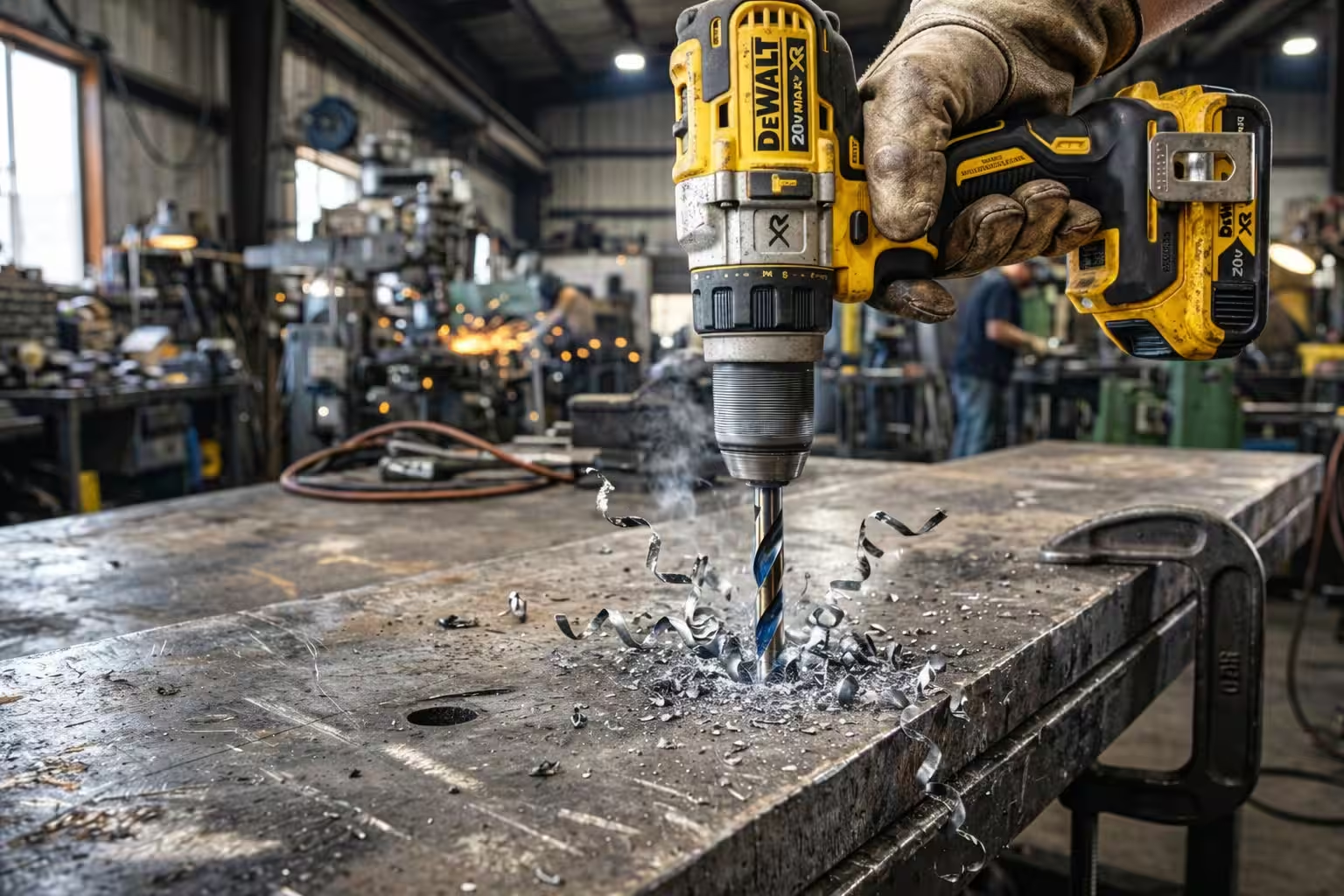
Drilling into metal requires stronger drill bits than those used for wood or masonry. Using the wrong drill bit can cause overheating, dull edges, or broken bits.
The best drill bit for steel and metal depends on the type of metal you’re drilling. Softer metals like aluminum require different drill bits than harder materials such as stainless steel or hardened steel.
In this guide, we’ll explain the best drill bits for metal, how they work, and how to choose the right one for your project.
If you want a full overview of drill bit types for all materials, see (Best Drill Bits for Every Material (2026 Complete Guide)).
Metal Drill Bit Types Comparison
Different drill bits are designed to handle different metals and drilling conditions.
| Drill Bit Type | Best For | Material | Key Feature |
|---|---|---|---|
| HSS Drill Bit | Aluminum, mild steel | Metal | Durable and affordable |
| Titanium Drill Bit | Light metals | Metal | Reduced friction coating |
| Cobalt Drill Bit | Stainless steel | Hard metal | Heat resistant alloy |
| Step Drill Bit | Sheet metal | Thin metal | Multiple hole sizes |
For most home projects, high-speed steel (HSS) drill bits work well for general metal drilling.
Best Drill Bits for Steel
Steel is harder than many other materials and requires drill bits that can maintain sharp cutting edges while resisting heat.
Two common options include:
High-Speed Steel (HSS) Drill Bits
HSS drill bits are widely used for drilling softer metals like:
- aluminum
- brass
- mild steel
They are durable, affordable, and commonly included in drill bit sets.
Cobalt Drill Bits
Cobalt drill bits are specifically designed for drilling harder metals such as:
- stainless steel
- hardened steel
- cast iron
Cobalt bits contain a cobalt alloy that improves heat resistance and durability.
Because of their strength, cobalt bits stay sharp longer when drilling tough materials.
You can learn more about these options in (Titanium vs Cobalt Drill Bits: Which Is Better?).
Titanium-Coated Drill Bits
Titanium drill bits are similar to HSS drill bits but include a titanium coating that reduces friction.
Benefits include:
- longer lifespan
- smoother drilling
- reduced heat buildup
These drill bits work well for lighter metals such as aluminum and sheet metal.
However, once the coating wears away, the drill bit performs like a standard HSS bit.
Step Drill Bits for Thin Metal
Step drill bits are ideal for drilling holes in thin metal surfaces.
They are commonly used for:
- sheet metal
- electrical panels
- thin aluminum
- plastic panels
A single step drill bit can create multiple hole sizes without needing to change bits.
This makes them extremely useful for installation and fabrication work.
Common Mistakes When Drilling Metal
Metal drilling requires proper technique. Several common mistakes can damage drill bits or produce poor holes.
Drilling Too Fast
High speeds generate excessive heat and can dull drill bits quickly.
Not Using Cutting Oil
Lubrication helps reduce friction and heat when drilling metal.
Applying Too Much Pressure
Excessive force can break drill bits or cause rough holes.
Using the Wrong Drill Bit
Wood or masonry drill bits are not designed for metal drilling.
If you experience drill bit damage, see (Why Drill Bits Burn or Break (And How to Prevent It)).
Tips for Drilling Metal Successfully
Following proper drilling techniques improves hole quality and extends drill bit life.
Use slower drill speeds
Metal drilling works best at lower speeds.
Apply cutting oil
Lubrication reduces heat and friction.
Start with a pilot hole
Small holes guide larger drill bits more accurately.
Secure the metal
Clamping the workpiece prevents movement while drilling.
These techniques are widely used in metal fabrication and DIY projects.
If you’re unsure which drill to use, see (Best Drill for Home Use (2026 Guide)).
Choosing the Right Drill Bit Size
The correct drill bit size depends on the fastener or hardware being installed.
For example:
- smaller drill bits for pilot holes
- larger drill bits for bolts or anchors
Step drill bits can also be useful for adjusting hole sizes gradually.
Final Thoughts
Choosing the best drill bit for steel and metal improves drilling speed, hole quality, and tool lifespan.
Quick recap:
- HSS drill bits work for general metal drilling
- Titanium bits reduce friction for lighter metals
- Cobalt drill bits handle hard metals like stainless steel
- Step drill bits are ideal for sheet metal
Using the correct drill bit ensures clean holes and efficient drilling.
For a broader overview of drill bits, see (Best Drill Bits for Every Material (2026 Complete Guide)).
Metal Drill Bit FAQs
Frequently Asked Questions About Drill Bits for Steel and Metal
What is the best drill bit for drilling steel?
The best drill bits for steel are cobalt drill bits (M35 or M42) because they can withstand high heat and maintain their cutting edge when drilling hard metals like stainless steel and hardened steel.
Can you drill steel with a regular drill bit?
Yes, but only if the drill bit is made from high-speed steel (HSS). Standard HSS bits can drill mild steel and softer metals, but harder materials like stainless steel require cobalt drill bits for better durability.
What is the difference between cobalt and titanium drill bits?
Titanium-coated drill bits reduce friction and last longer than standard HSS bits when drilling softer metals. Cobalt drill bits, however, are much more heat-resistant and are better suited for drilling harder metals like stainless steel.
What speed should you use when drilling steel?
Steel should be drilled at low to moderate speed with steady pressure. Slower speeds help reduce heat buildup and prevent the drill bit from dulling too quickly.
Do you need cutting oil when drilling metal?
Yes. Cutting oil or drilling lubricant helps reduce friction and heat when drilling metal. This extends the life of the drill bit and improves cutting performance.
Why does my drill bit stop cutting metal?
Drill bits may stop cutting metal due to excessive heat, dull cutting edges, incorrect drilling speed, or lack of lubrication. Using cutting oil and slower speeds can significantly improve drilling performance.
Can you drill stainless steel with a regular drill?
Drilling stainless steel requires cobalt drill bits and low drilling speed. Regular HSS drill bits often dull quickly when used on stainless steel because the material is very hard.
What drill bit should you use for aluminum?
Aluminum can be drilled using standard HSS drill bits or titanium-coated bits. Because aluminum is softer than steel, drilling usually requires less pressure and higher speeds.
How do you prevent drill bits from overheating when drilling metal?
To prevent overheating:
- Use cutting oil
- Drill at low speed
- Apply steady pressure
- Pull the bit out occasionally to remove metal chips
These steps help reduce heat and extend drill bit life.
Leave a Reply