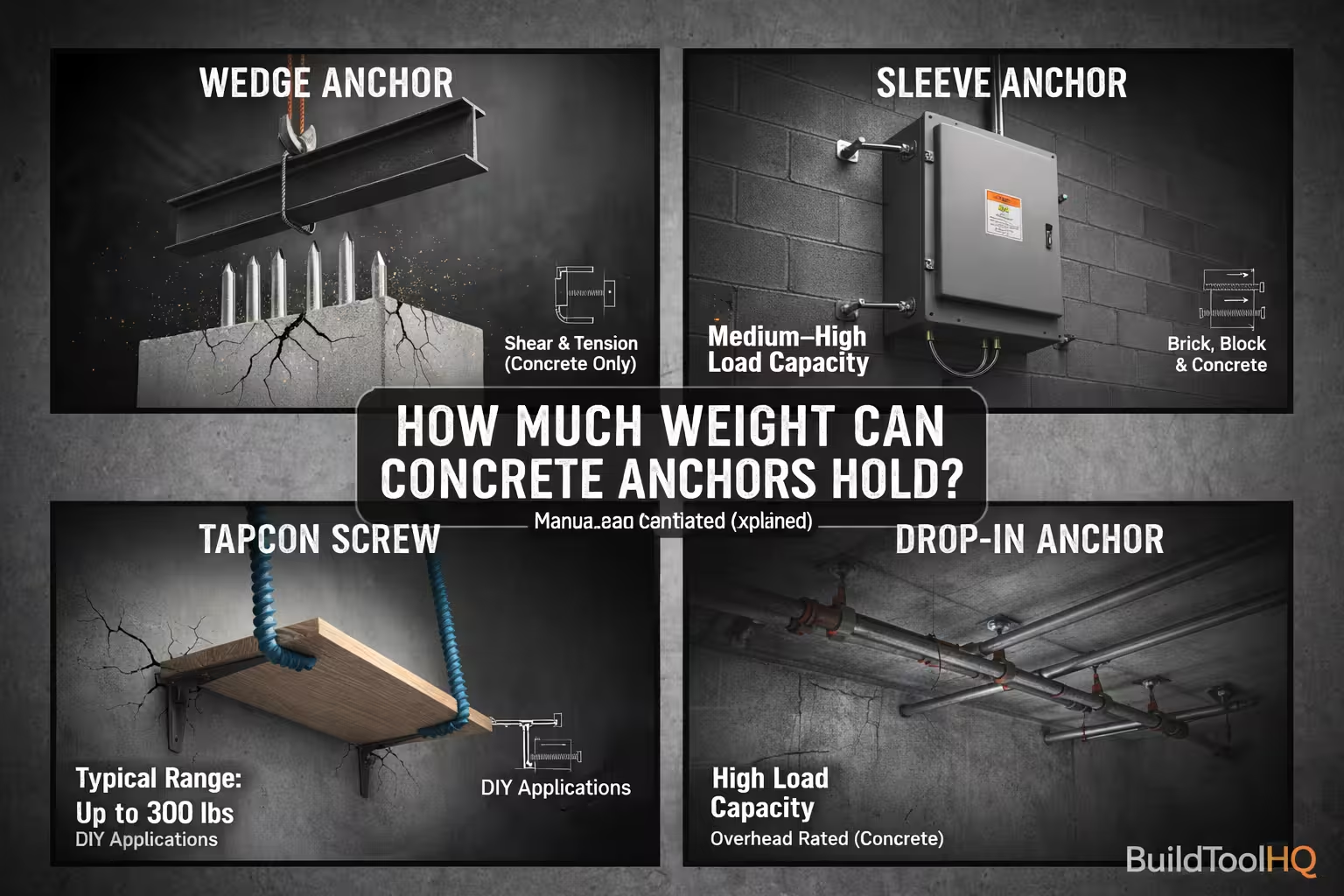
“How much weight can concrete anchors hold?” is one of the most important questions homeowners should ask before mounting shelves, TVs, cabinets, or heavy fixtures. While concrete anchors are extremely strong when installed correctly, their real load capacity depends on anchor type, size, concrete quality, and installation accuracy.
This guide explains how concrete anchor load ratings work, what affects holding strength, and how to choose the right anchor so your installation stays safe and secure.
Why Load Ratings Matter
Concrete anchors are engineered to resist force in different directions. Exceeding their rated capacity can result in:
- Anchor pull-out
- Cracked concrete
- Sudden fixture failure
- Serious injury or property damage
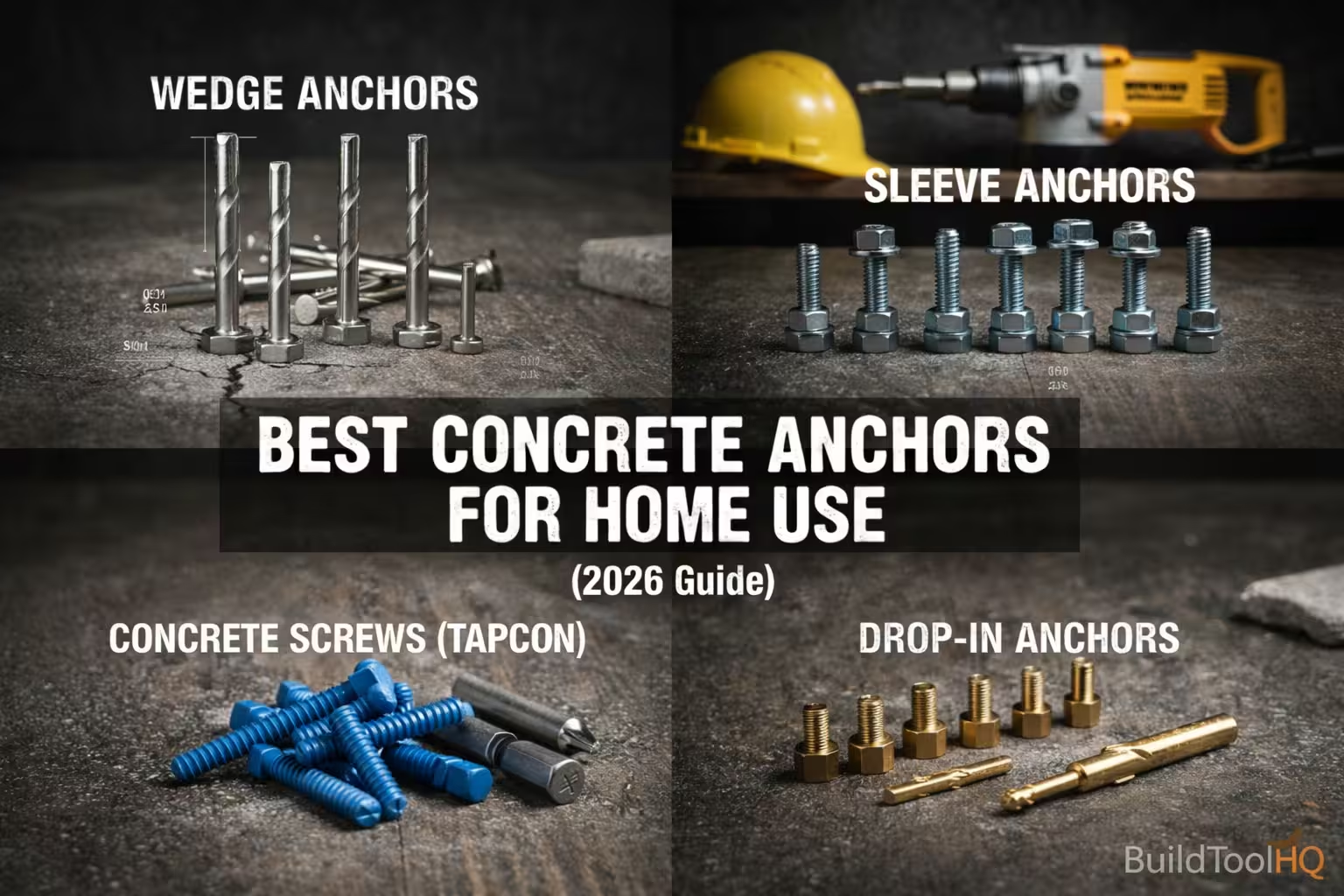
Even anchors selected correctly using (Best Concrete Anchors for Home Use – 2026 Guide) can fail if load limits are misunderstood or ignored.
The Two Types of Load Ratings You Must Understand
Concrete anchors are rated for two distinct types of force.
🔽 Shear Load
Force applied parallel to the wall.
Example:
The downward weight of a TV or cabinet pulling along the wall surface.
Shear loads are usually less dangerous because concrete resists them well.
🔼 Tension (Pull-Out) Load
Force applied away from the wall.
Example:
Shelves or brackets pulling outward from concrete.
Most anchor failures occur due to tension load, not shear.
How Much Weight Can Different Concrete Anchors Hold?
The values below reflect typical homeowner-use ranges in solid concrete. Always verify manufacturer specifications for exact ratings.
Wedge Anchors
Typical load capacity:
- 3/8″ wedge anchor: ~2,000–3,000 lbs (tension)
Best for:
- Structural mounts
- Railings
- Heavy equipment
Important notes:
- Concrete only (not brick or block)
- Requires precise drilling and proper spacing
For anchor type differences, see (Types of Concrete Anchors Explained (Wedge, Sleeve, Drop-In, Tapcon)).
Sleeve Anchors
Typical load capacity:
- 3/8″ sleeve anchor: ~1,200–2,000 lbs
Best for:
- TV mounts
- Shelves
- Brick, block, and concrete
Sleeve anchors expand more evenly, reducing cracking risk and making them safer for mixed masonry applications.
Drop-In Anchors
Typical load capacity:
- 3/8″ drop-in anchor: ~1,500–2,500 lbs
Best for:
- Flush-mounted hardware
- Overhead installations
- Commercial-style projects
Drop-in anchors require exact drilling depth and proper setting, which is covered in (How to Install Concrete Anchors Correctly – Step-by-Step Guide).
Tapcon Screws (Concrete Screws)
Typical load capacity:
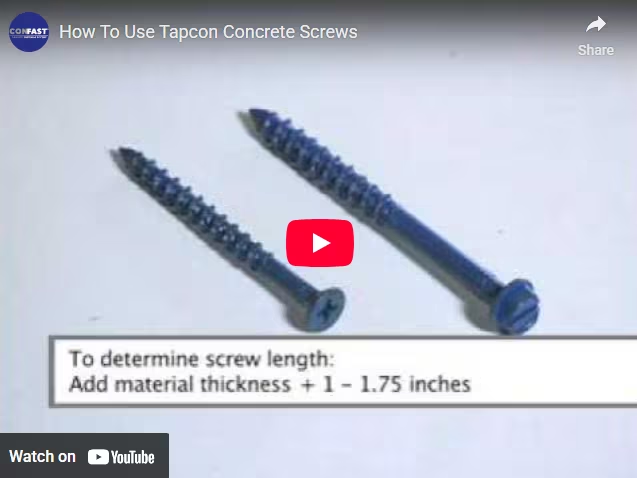
- 3/16″ Tapcon: ~200–300 lbs
- 1/4″ Tapcon: ~400–600 lbs
Best for:
- Light to medium-duty projects
- Removable installations
- DIY-friendly applications
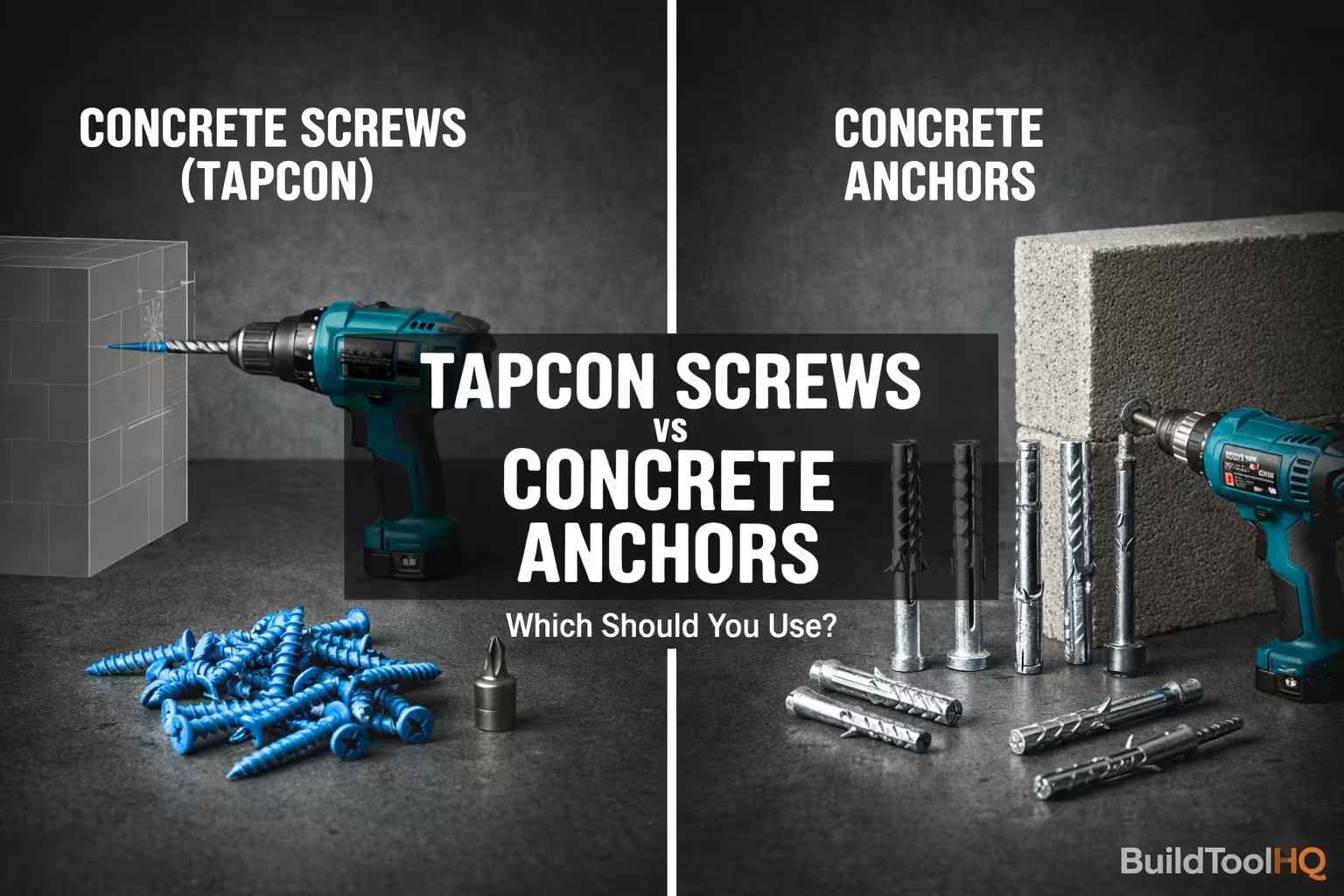
For help choosing between fastener styles, see (Tapcon Screws vs Concrete Anchors: Which Should You Use?).
Plastic Masonry Anchors
Typical load capacity:
- Usually under 100 lbs
Best for:
- Very light fixtures only
Plastic anchors should never be used for TVs, shelving, overhead loads, or safety-related mounts.
What Factors Affect Concrete Anchor Load Capacity?
Even the strongest anchor can fail if installed incorrectly. Key factors include:
🔧 Anchor Size
Larger diameters generally support higher loads.
🧱 Concrete Quality
Cracked, weak, or deteriorated concrete drastically reduces strength.
🕳️ Hole Size & Depth
Incorrect bit size or shallow drilling weakens holding power.
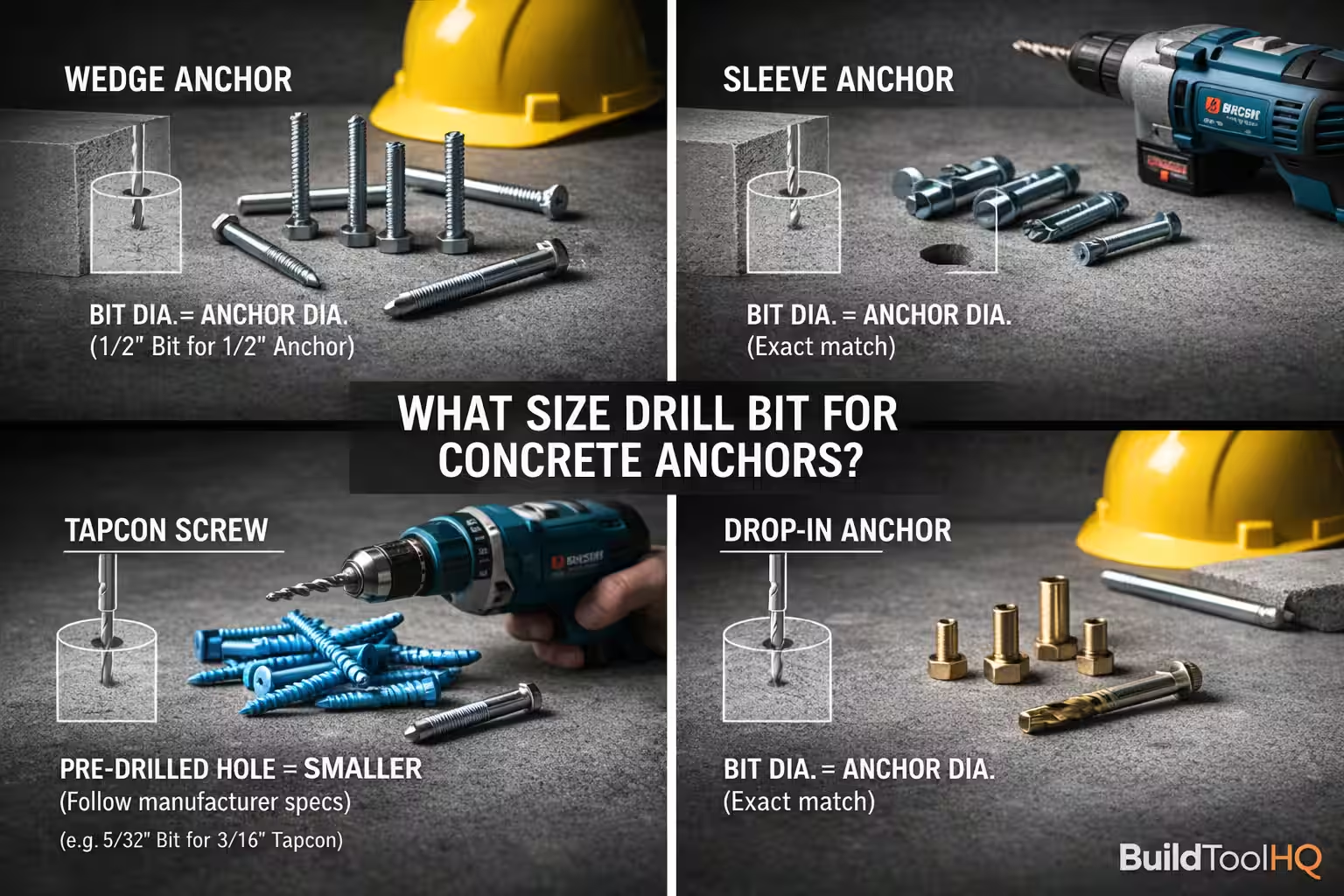
Always verify bit sizing using (What Size Drill Bit for Concrete Anchors?).
🧹 Hole Cleanliness
Dust prevents proper expansion and friction.
🔩 Installation Technique
- Over-tightening can crack concrete
- Under-tightening reduces holding strength
Common errors are explained in (Common Concrete Anchor Mistakes (And How to Avoid Them)).
Safety Rule: Always Use a Safety Margin
Never load an anchor to its maximum rating.
Recommended homeowner rule:
Use no more than 25–30% of the anchor’s rated maximum load.
Example:
- Anchor rated at 1,000 lbs
- Safe working load: 250–300 lbs
This margin accounts for:
- Dynamic movement
- Installation variation
- Material imperfections
How to Choose the Right Anchor Based on Weight
| Fixture | Recommended Anchor |
|---|---|
| Light shelves | Tapcon screws |
| TV mounts | Sleeve anchors |
| Heavy cabinets | Sleeve or drop-in anchors |
| Railings | Wedge anchors |
| Temporary mounts | Tapcon screws |
If you want an all-in-one solution for mixed projects, see (Best Concrete Anchor Kits for Homeowners – 2026 Review).
Drill & Bit Selection Still Matters
Correct drilling directly affects load capacity. Always use:
- Carbide-tipped masonry bits
- Hammer drill mode
- Exact bit sizes
If you’re unsure your drill is appropriate, review (Best Drill for Concrete Walls (2025 Guide)) or (Best Drill for Home Use (2026 Guide)) before starting.
Final Thoughts: Don’t Guess Load Ratings
Concrete anchors are incredibly strong — when used correctly.
Always:
- Choose the right anchor type
- Drill accurately
- Respect load ratings
- Build in a safety margin
For anchor selection from start to finish, return to (Best Concrete Anchors for Home Use – 2026 Guide).