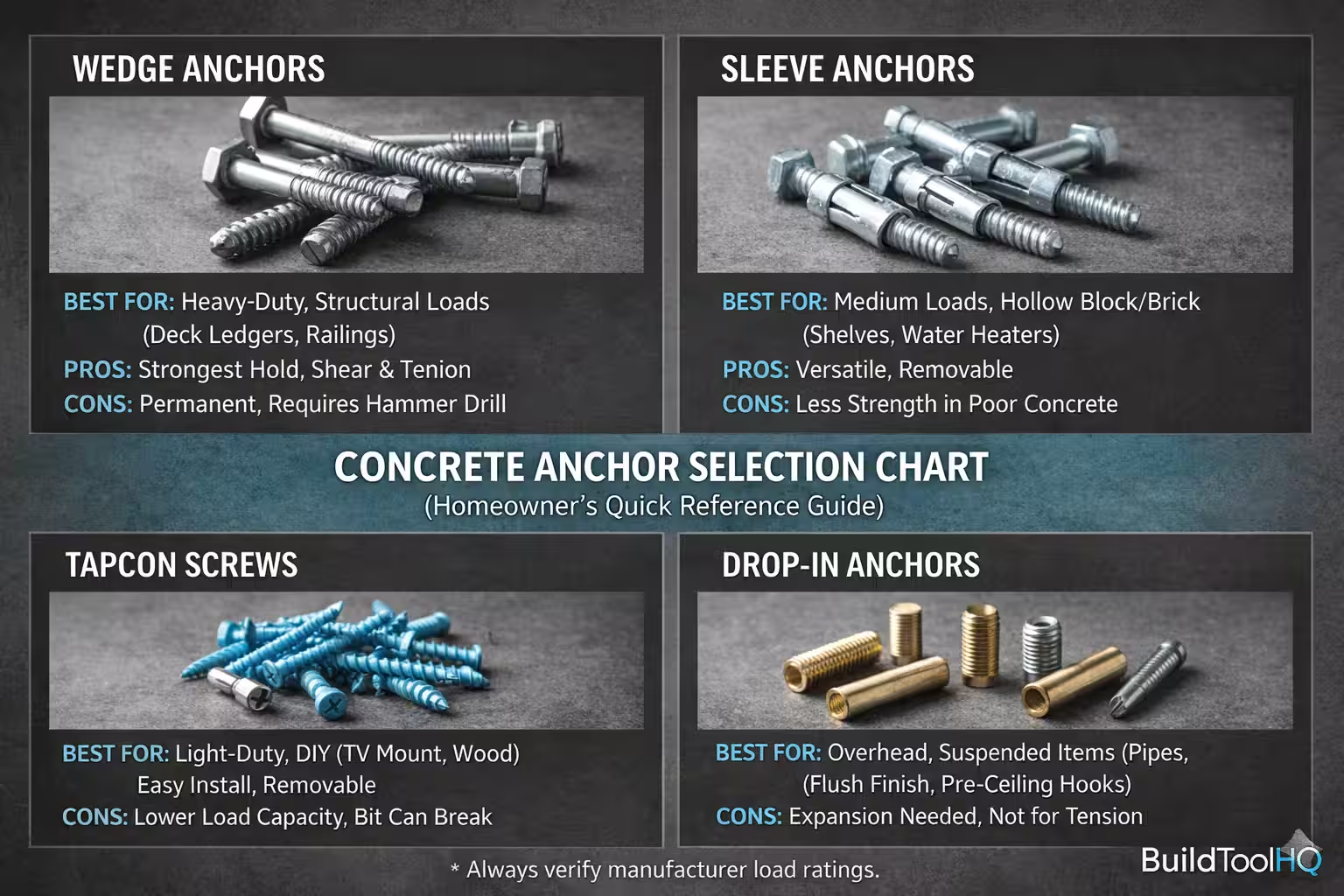
Choosing the right concrete anchor can feel overwhelming when you’re faced with multiple anchor types, load ratings, base materials, and installation rules. Using the wrong anchor isn’t just inconvenient—it can lead to cracked concrete, loose fixtures, or sudden anchor failure.
This concrete anchor selection chart is designed as a homeowner-friendly reference that helps you quickly choose the correct anchor for common DIY and home-improvement projects—without guesswork.
If you’ve worked through the guides in this cluster, this post brings everything together into one practical decision tool you can rely on before drilling your first hole.
Why a Concrete Anchor Selection Chart Matters
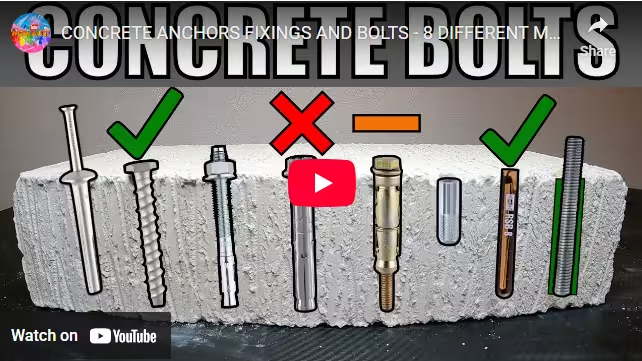
Concrete anchors are not one-size-fits-all fasteners. Each anchor is engineered for specific materials, loads, and installation conditions. When the wrong anchor is used, common problems include:
- Loose or wobbling fixtures
- Cracked concrete or masonry
- Reduced load capacity
- Anchor pull-out or sudden failure
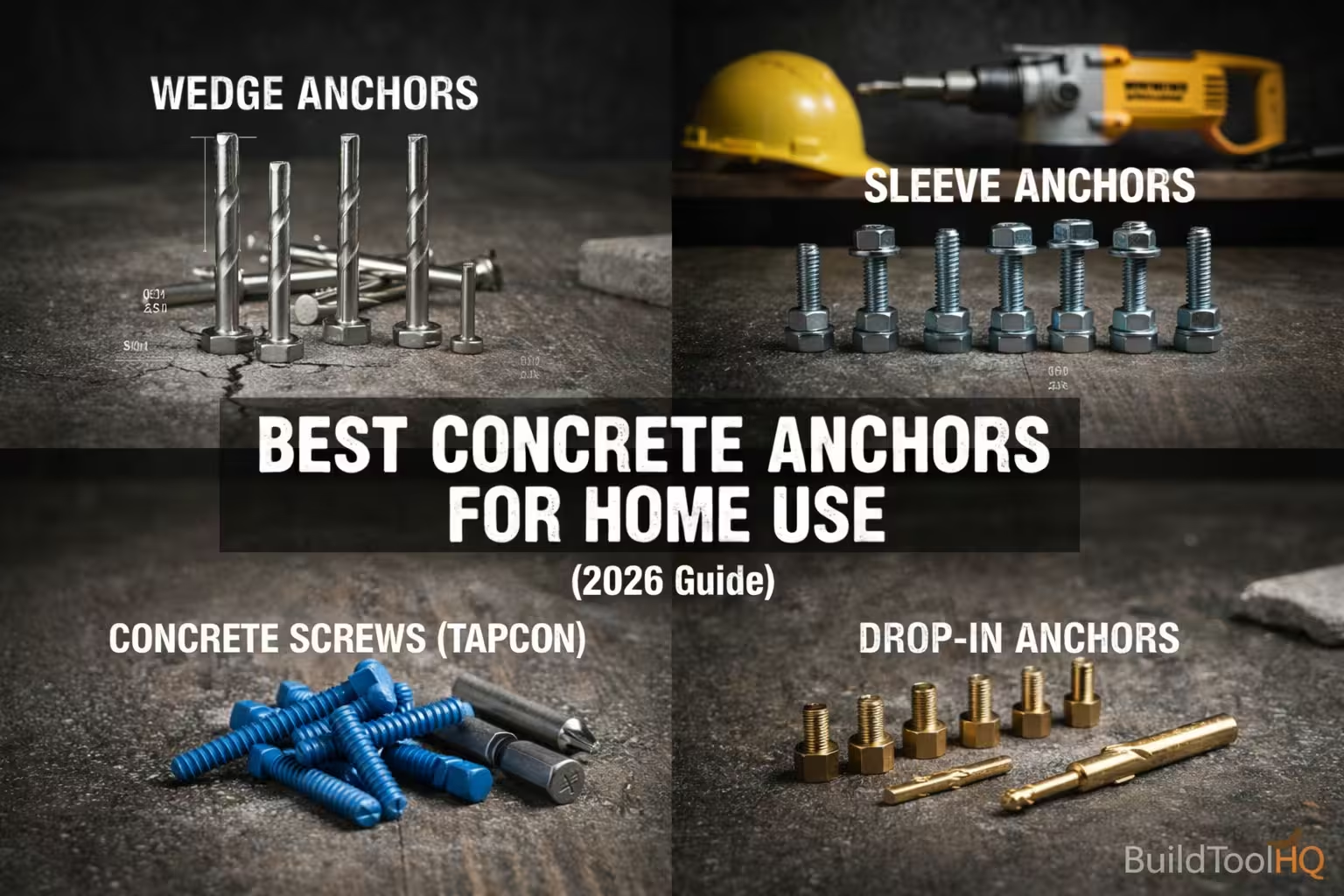
Most anchor failures happen not because of poor-quality hardware, but because the anchor chosen wasn’t appropriate for the base material or load. For a deeper understanding of anchor categories, start with (Best Concrete Anchors for Home Use – 2026 Guide).
Quick Concrete Anchor Selection Chart (Home Use)
| Project Type | Base Material | Recommended Anchor |
|---|---|---|
| TV mount | Poured concrete | Wedge anchor |
| Wall shelving | Poured concrete | Sleeve anchor |
| Light fixtures | Concrete / CMU | Tapcon screws |
| Electrical panel | Solid block | Sleeve anchor |
| Overhead pipes | Concrete ceiling | Drop-in anchor |
| Brick wall fixtures | Brick mortar | Masonry screw |
| Heavy equipment | Structural concrete | Wedge anchor |
⚠️ Always verify manufacturer load ratings, anchor diameter, and local building code requirements.
How to Choose the Right Anchor (Simple Decision Process)
When selecting a concrete anchor, follow this order:
- Identify the base material (concrete, brick, block, or masonry)
- Determine the load (light, medium, heavy, or overhead)
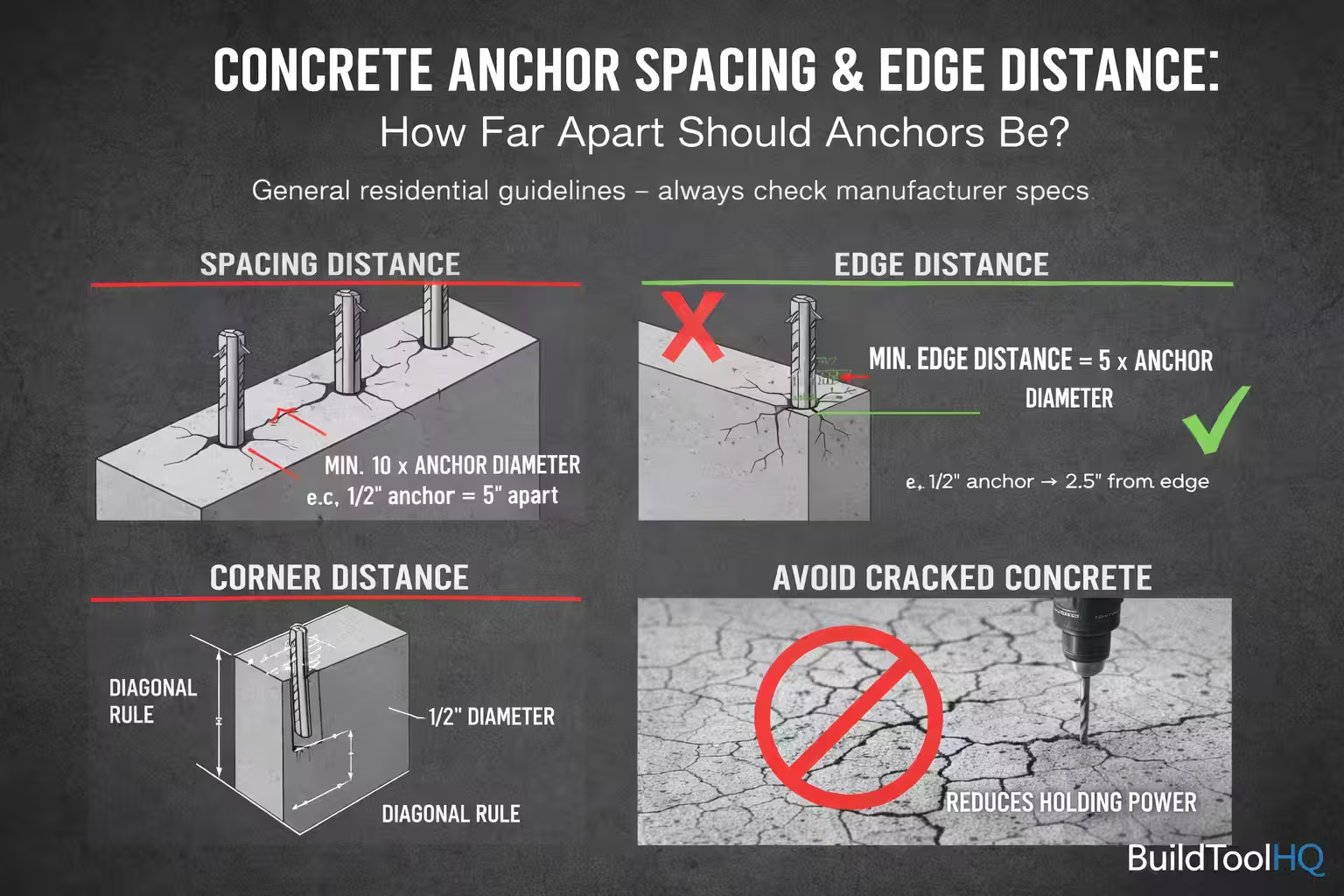
- Check edge distance and spacing requirements
- Match the anchor type to both material and load
Skipping any of these steps significantly increases the risk of anchor failure.
Anchor Types Explained (Quick Decision Guide)
Wedge Anchors
Best for heavy-duty applications in solid, uncracked concrete. Wedge anchors provide the highest holding strength but require proper spacing and edge distance to avoid cracking.
If spacing is a concern, review (Concrete Anchor Spacing & Edge Distance Guide) before installation.
Sleeve Anchors
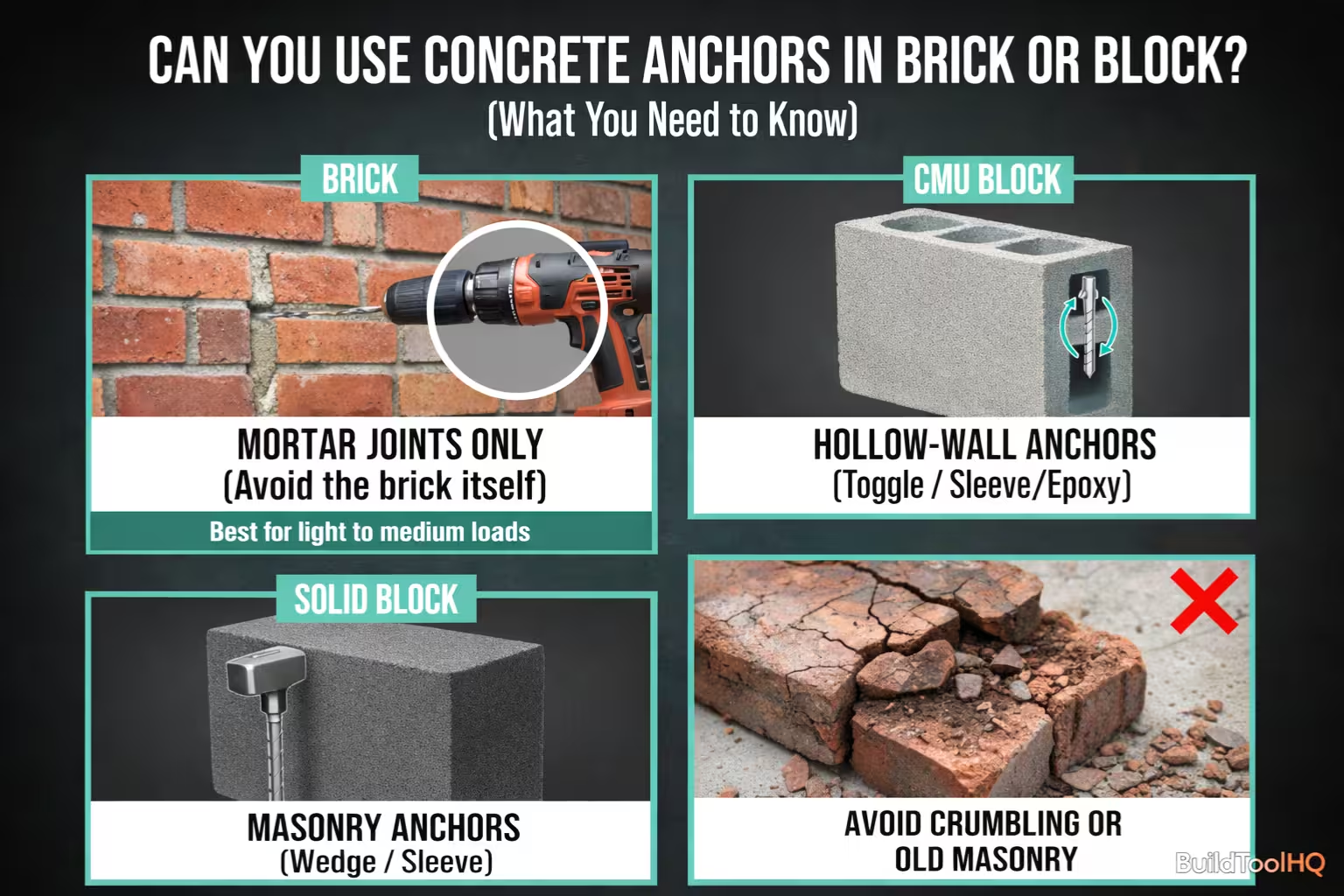
A versatile option that works well in concrete, brick, and block. Sleeve anchors distribute expansion forces more evenly, making them more forgiving in masonry applications.
If you’re installing into masonry, read (Can You Use Concrete Anchors in Brick or Block?) before choosing wedge anchors.
Tapcon Screws
Ideal for light- to medium-duty projects such as shelves, conduit straps, and light fixtures. Tapcon screws install quickly and are removable, but they have lower load capacity than expansion anchors.
For a direct comparison, see (Tapcon Screws vs Concrete Anchors: Which Should You Use?).
Drop-In Anchors
Designed for flush-mounted and overhead installations. Drop-in anchors require precise drilling depth and thorough hole cleaning to achieve their rated strength.
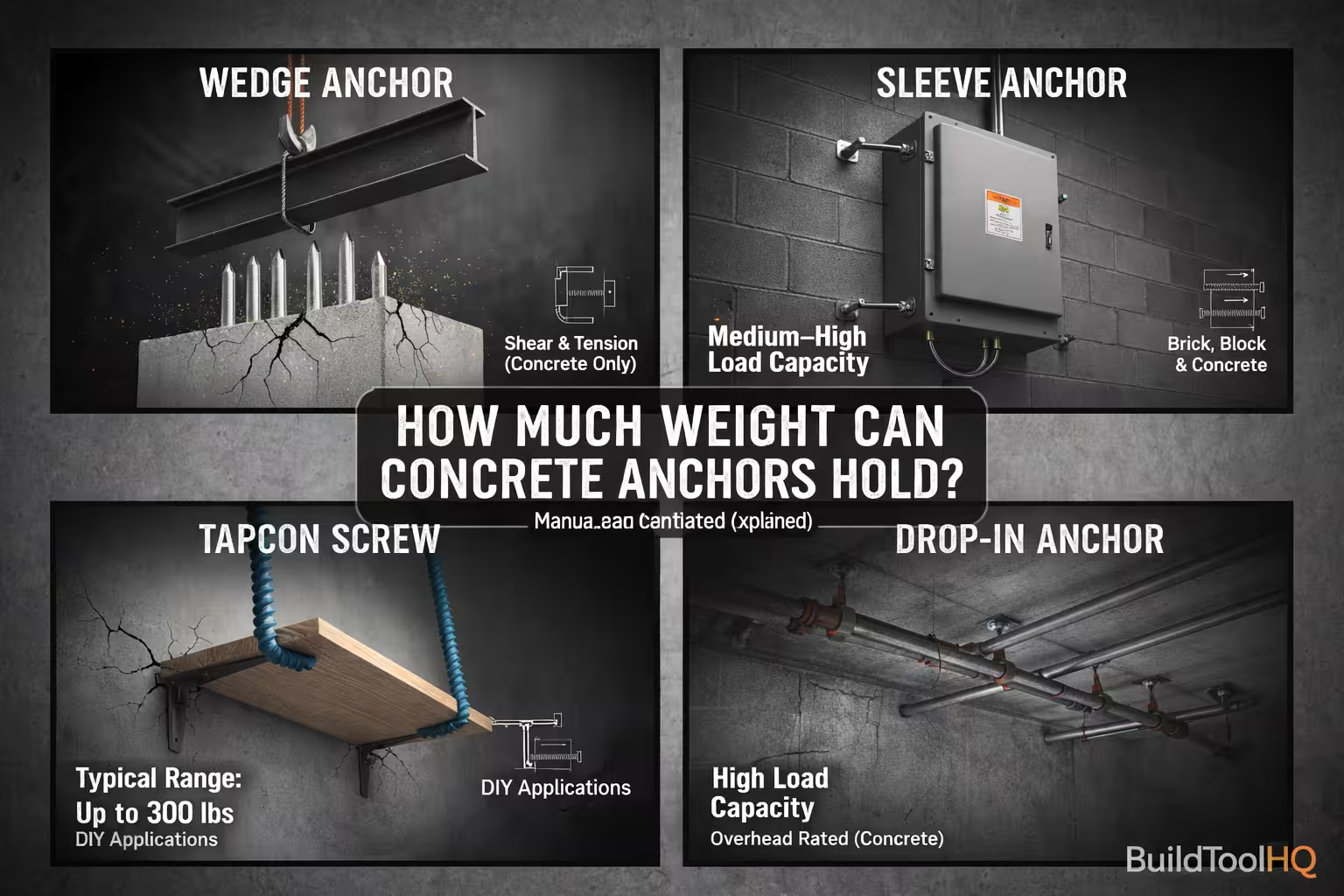
To understand their load limits, refer to (How Much Weight Can Concrete Anchors Hold?).
Load Ratings: What Homeowners Often Miss
Anchor load ratings depend on far more than anchor size alone. Holding power is influenced by:
- Concrete strength and condition
- Hole diameter and embedment depth
- Edge distance and anchor spacing
- Installation torque
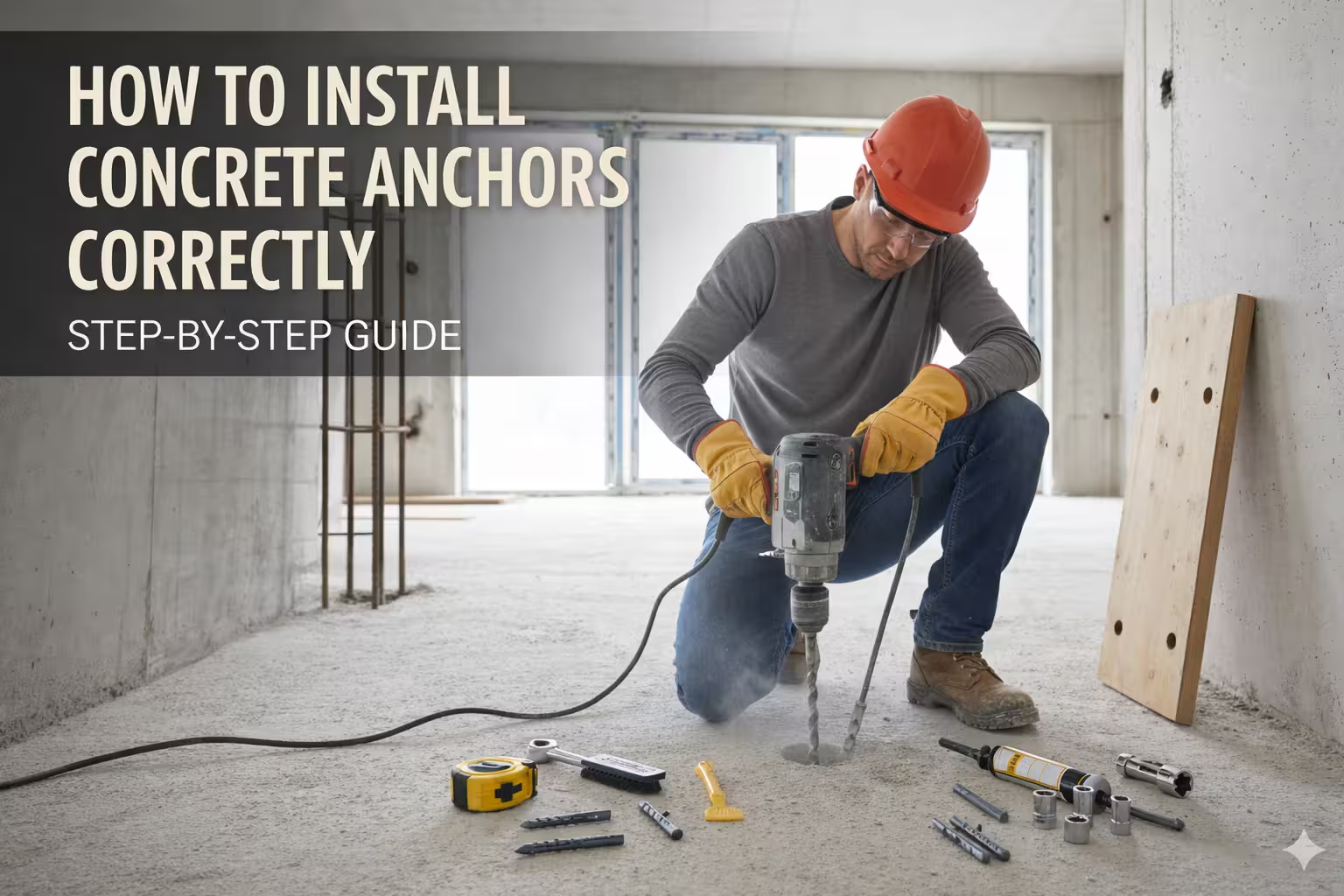
Improper installation can reduce anchor capacity by 30–50% or more. Always follow correct procedures outlined in (How to Install Concrete Anchors Correctly – Step-by-Step Guide).
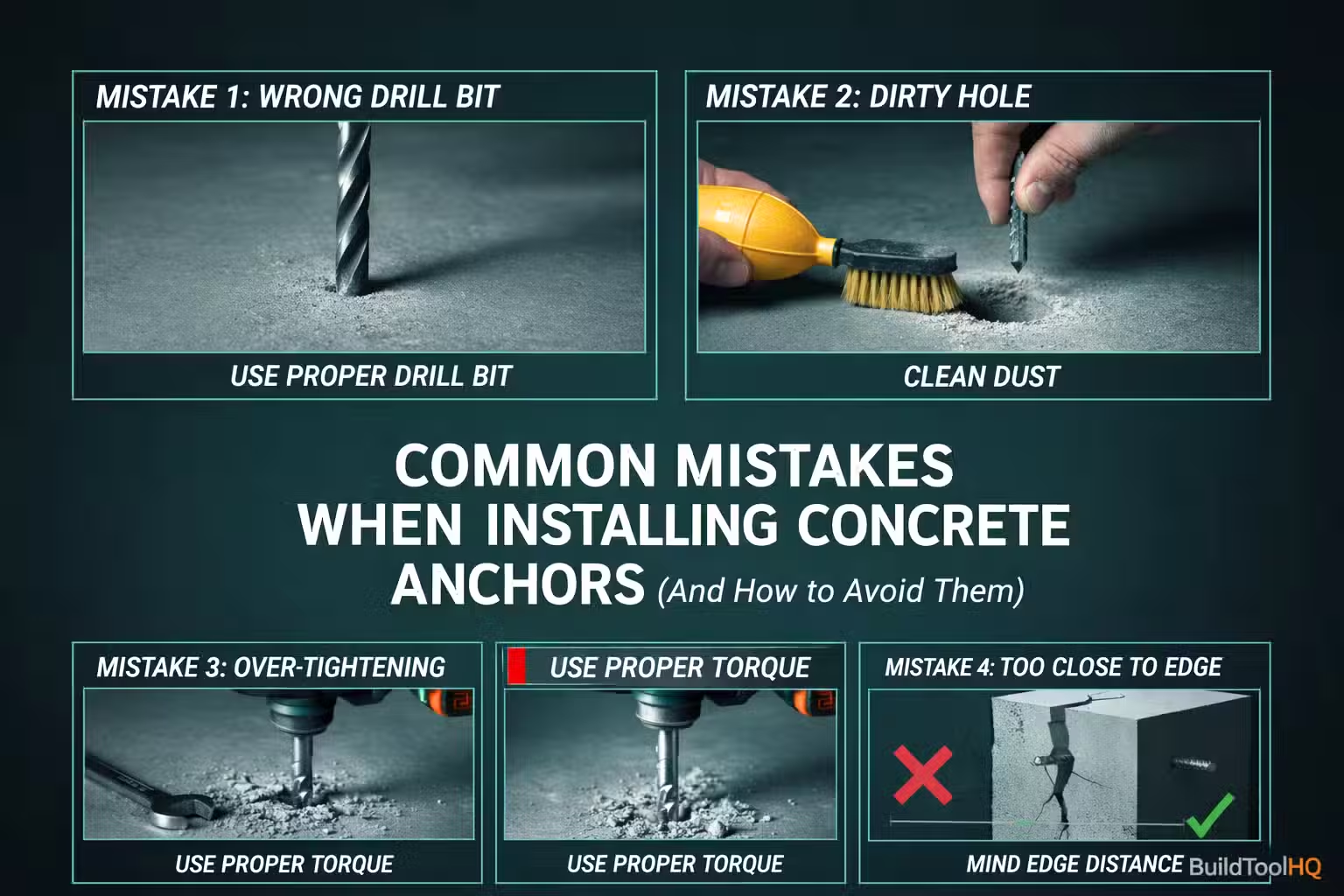
Common Anchor Selection Mistakes
Homeowners frequently make these errors:
- Using concrete anchors in hollow block
- Installing anchors too close to slab edges
- Over-tightening anchors
- Ignoring cracked or deteriorated concrete
These mistakes—and how to avoid them—are explained in (Common Concrete Anchor Mistakes (And How to Avoid Them)).
Tool Choice Also Matters
Using the wrong drill or bit can compromise anchor performance before installation even begins. Proper drilling technique and tool selection reduce the risk of cracking and oversized holes.
If you’re unsure your drill is suitable, review (Best Drill for Concrete Walls (2025 Guide)) or (Best Drill for Home Use (2026 Guide)) before starting.
Final Homeowner Recommendation
If you remember only one rule, remember this:
Always match the anchor to the base material first—then verify the load.
When in doubt:
- Use sleeve anchors for masonry
- Use wedge anchors for heavy loads in solid concrete
- Use Tapcon screws for light-duty applications
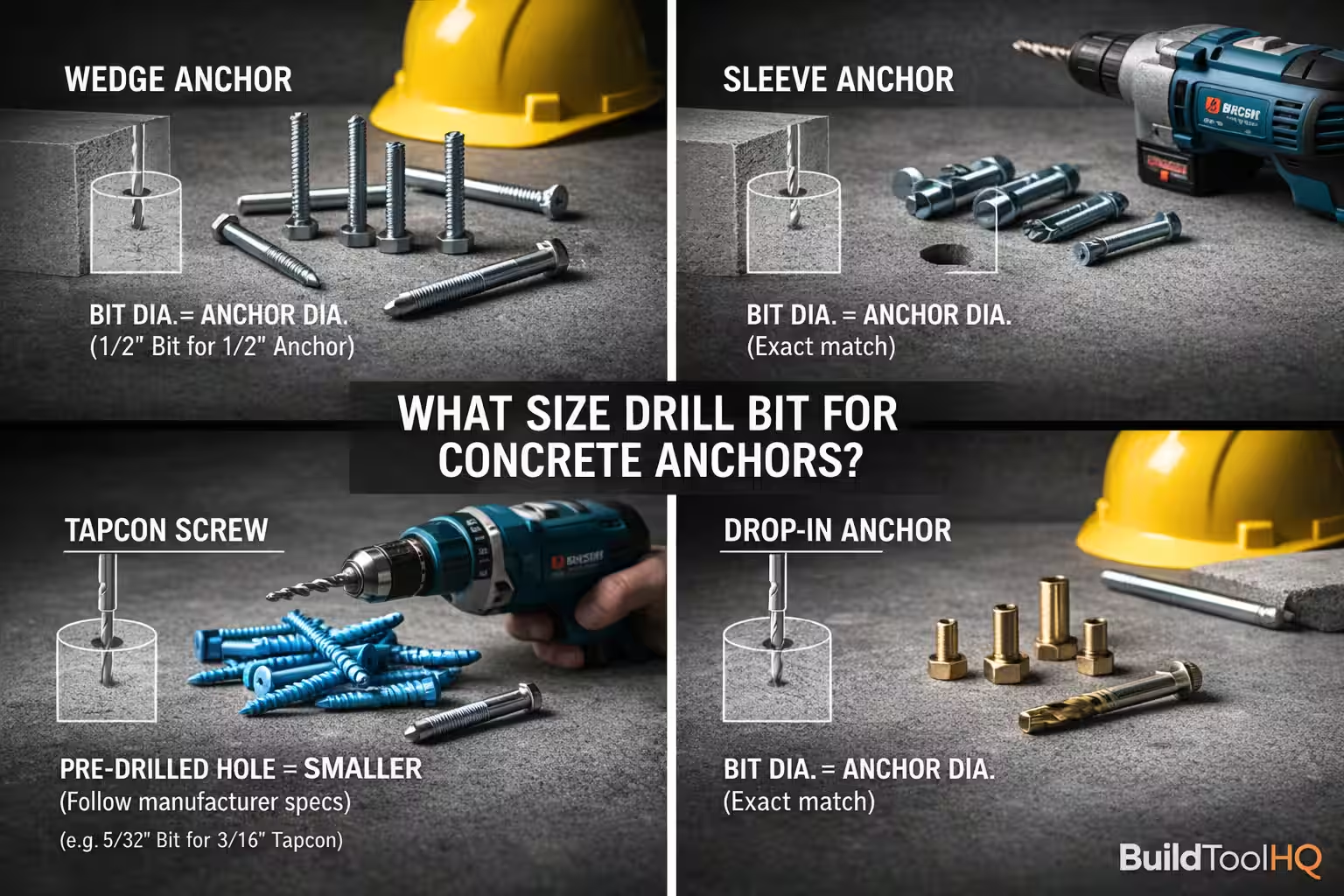
Before drilling, double-check bit size using (What Size Drill Bit for Concrete Anchors?).
Save This Guide for Your Next Project
This concrete anchor selection chart works best when paired with the full guides in this cluster. Together, they form a complete system for choosing, installing, spacing, and loading concrete anchors safely and confidently.
Related Concrete Anchor Guides
- (Best Concrete Anchors for Home Use – 2026 Guide)
- (Best Drill for Concrete Walls (2025 Guide))
- (Concrete Anchor Spacing & Edge Distance Guide)
- (Can You Use Concrete Anchors in Brick or Block?)