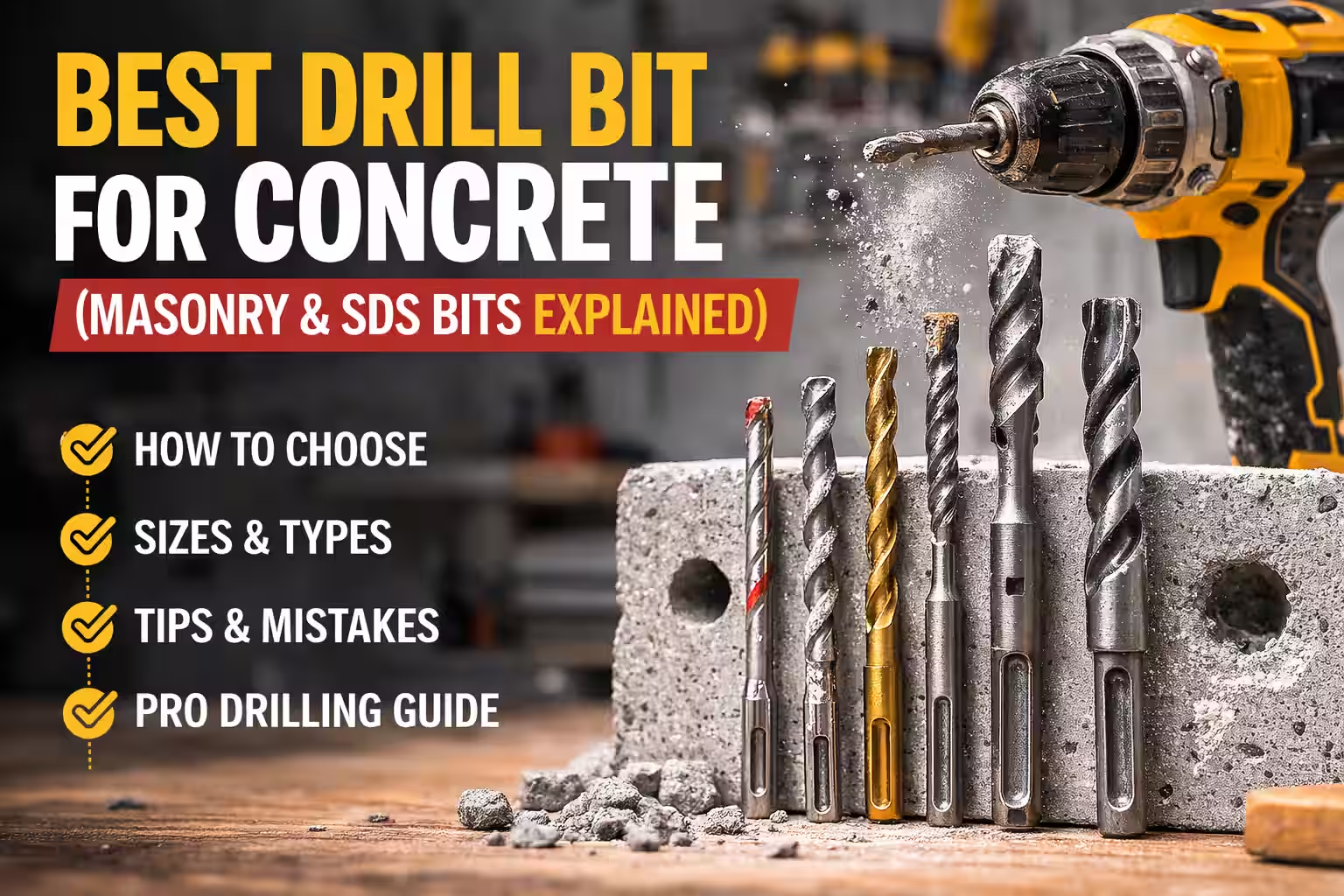
Drilling into concrete requires the best drill bit for concrete if you want clean holes, faster drilling, and longer tool life. Concrete is extremely dense and abrasive, which means regular drill bits will quickly dull or break.
Using the correct masonry drill bit makes a huge difference when installing anchors, mounting shelves, or securing fixtures into concrete walls.
If you want a complete overview of all materials, see our guide on (Best Drill Bits for Every Material (2026 Complete Guide)).
In this guide, we explain the best drill bits for concrete, how they work, and how to choose the right one for your project.
Drill Bits for Concrete Comparison Table
Before diving into details, here is a quick comparison of the most common concrete drill bits.
| Drill Bit Type | Best For | Drill Type | Key Feature |
|---|---|---|---|
| Carbide Masonry Bit | Light concrete drilling | Standard drill / hammer drill | Carbide cutting tip |
| SDS Plus Bit | Heavy concrete drilling | Rotary hammer | Quick-lock SDS shank |
| SDS Max Bit | Professional construction | Rotary hammer | Large diameter drilling |
| Multi-Purpose Bit | Brick and concrete | Standard drill | Versatile cutting edge |
Most homeowners will use carbide masonry bits, while professionals often use SDS bits with rotary hammers.
What Makes a Good Concrete Drill Bit
The best drill bits for concrete share several important design features that allow them to penetrate hard materials.
Carbide Cutting Tip
Concrete drill bits usually have a tungsten carbide tip brazed onto the end of the bit. This material is extremely durable and can withstand the impact created by hammer drilling.
Spiral Flutes
Concrete bits have deep spiral flutes designed to remove dust and debris from the hole while drilling.
Impact Resistance
Unlike metal drill bits, masonry bits are designed to handle the repeated impact created by hammer drills.
For brick drilling, similar bits are used. You can learn more in (Best Drill Bit for Brick and Masonry).
Carbide Masonry Drill Bits
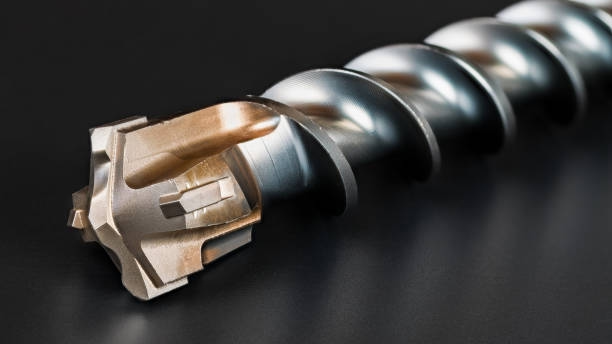
Carbide masonry drill bits are the most common drill bits for concrete used by homeowners.
They work well for:
- installing wall anchors
- mounting shelving brackets
- drilling holes for concrete screws
- light concrete drilling
These bits are compatible with both standard drills and hammer drills, although hammer mode greatly improves drilling speed.
Typical sizes range from 3/16 inch to 1/2 inch, which covers most DIY projects.
When drilling concrete walls regularly, you may also want to read (Best Drill for Concrete Walls (2025 Guide)).
SDS Drill Bits for Concrete
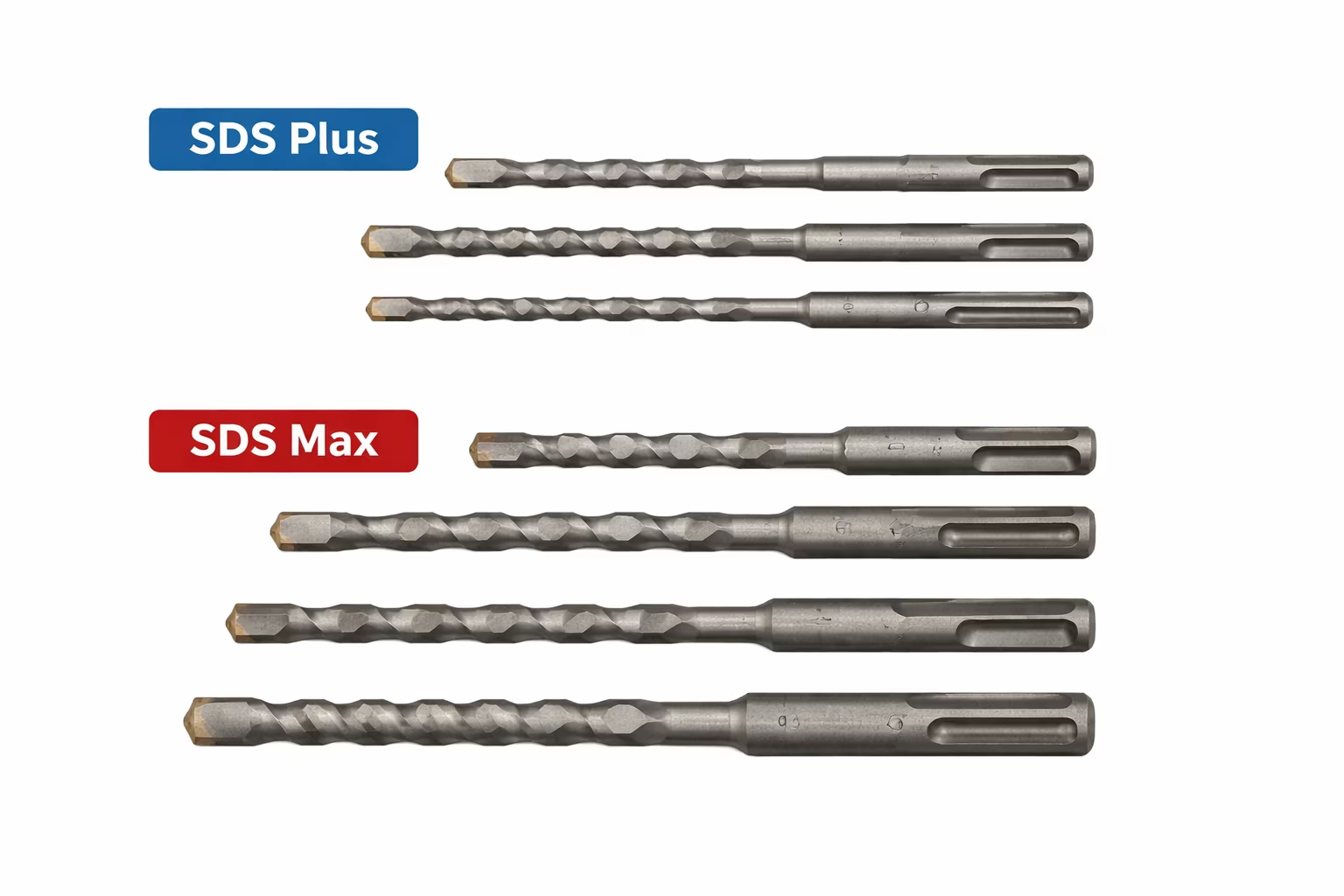
For tougher drilling tasks, SDS drill bits are a better option.
SDS stands for Slotted Drive System, which allows the bit to slide inside the drill chuck and transfer more hammering power.
There are two common types:
SDS Plus
SDS Plus bits are widely used in rotary hammer drills for medium-duty concrete drilling.
They are ideal for:
- drilling deeper holes
- drilling larger diameters
- working with reinforced concrete
SDS Max
SDS Max bits are used for heavy-duty construction and professional drilling applications.
They are typically used for:
- large anchor holes
- demolition drilling
- thick concrete structures
Most homeowners will not need SDS Max bits, but contractors often rely on them for demanding jobs.
You can also compare different masonry options in (Masonry Drill Bits vs Concrete Drill Bits).
Best Drill Type for Concrete Drilling
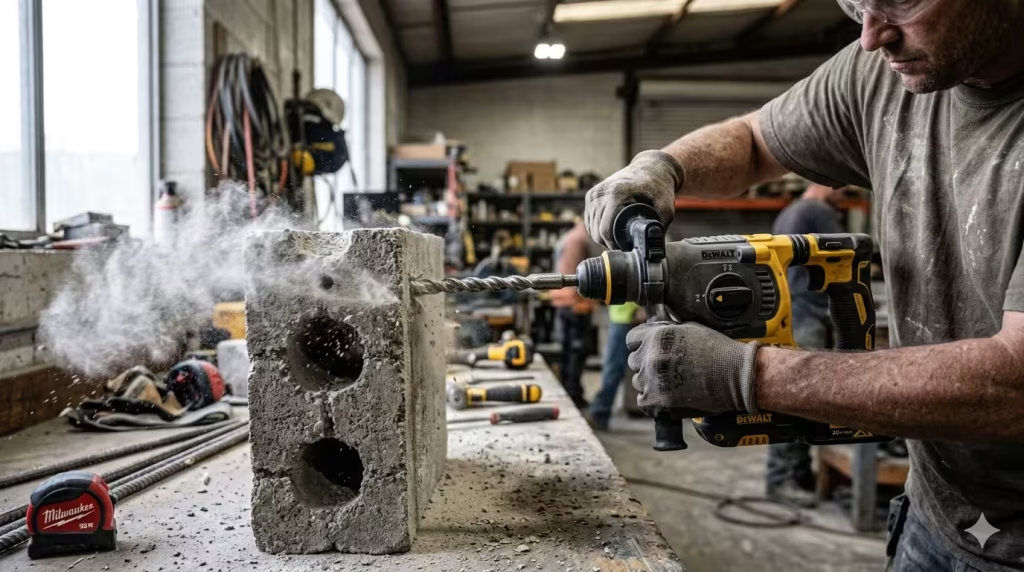
Even the best drill bit for concrete performs poorly without the right drill.
Three drill types are commonly used:
Standard Drill
A regular drill can work for light concrete drilling, but it will be slower and require more pressure.
Some homeowners ask if this is possible, which is explained in (Can a Regular Drill Drill Into Concrete?).
Hammer Drill
Hammer drills combine rotation with a hammering motion, making them far more effective for drilling into concrete.
They are the most common choice for homeowners.
You can learn more about this in (Hammer Drill vs Rotary Hammer: What’s the Difference?).
Rotary Hammer
Rotary hammers are much more powerful and are typically used with SDS drill bits.
These drills are ideal for heavy-duty drilling or larger holes.
If you’re considering buying one, see (Best Hammer Drill for Home Use).
Common Mistakes When Drilling Concrete
Concrete drilling can damage drill bits quickly if done incorrectly.
Common mistakes include:
Drilling Too Fast
High speeds create excessive heat and reduce the lifespan of masonry bits.
Applying Too Much Pressure
Let the drill and bit do the work. Excess pressure can break the carbide tip.
Not Clearing Dust
Concrete dust builds up in the hole and slows drilling. Periodically pull the bit out to clear debris.
Using the Wrong Drill Bit
Standard metal or wood drill bits will dull quickly in concrete.
If you experience overheating or broken bits, see (Why Drill Bits Burn or Break (And How to Prevent It)).
Tips for Drilling Into Concrete Successfully
Follow these tips for the best results when drilling into concrete.
Use Hammer Mode
Hammer mode significantly improves drilling speed.
Start With a Pilot Hole
Small pilot holes help guide larger bits accurately.
Drill Slowly
Lower speeds produce cleaner holes and reduce heat buildup.
Use Proper Anchors
Make sure the hole size matches the anchor size.
You can learn more about anchor sizing in (What Size Drill Bit Should You Use for Concrete Anchors?).
Final Thoughts
Choosing the best drill bit for concrete is essential for safe and effective drilling.
Quick recap:
- Carbide masonry bits are best for most DIY projects
- SDS Plus bits work well for deeper or larger holes
- Hammer drills dramatically improve drilling performance
- Proper technique prevents overheating and broken bits
For a complete overview of drilling materials and bit types, see our full guide on (Best Drill Bits for Every Material (2026 Complete Guide)).
Frequently Asked Questions About Drill Bits for Concrete
What is the best drill bit for concrete?
The best drill bits for concrete are carbide-tipped masonry drill bits or SDS drill bits. These bits are specifically designed to withstand the impact and hardness of concrete, brick, and stone when used with hammer drills or rotary hammers.
Can you drill concrete with a regular drill bit?
No. Standard metal or wood drill bits are not designed for concrete and will dull quickly or break. Concrete requires masonry drill bits with carbide tips that can handle the hardness of the material.
What is the difference between masonry drill bits and SDS drill bits?
Masonry drill bits are used with standard hammer drills, while SDS drill bits are designed for rotary hammer drills. SDS bits have a special shank that locks into the drill and allows better impact energy transfer when drilling into concrete.
Do you need a hammer drill to drill concrete?
A hammer drill is strongly recommended for drilling concrete. The hammering action helps break up the concrete while the drill bit rotates, making the drilling process much faster and easier.
What drill speed should you use for concrete?
Concrete should be drilled at moderate speed with steady pressure. Let the hammering action do most of the work instead of forcing the drill bit into the material.
Why does my concrete drill bit stop cutting?
Concrete drill bits may stop cutting because of overheating, dull carbide tips, hitting rebar, or excessive dust buildup in the hole. Removing the bit periodically to clear dust can help maintain drilling efficiency.
Can you drill through rebar in concrete?
Standard masonry drill bits cannot easily drill through steel rebar. If you hit rebar, you may need to switch to a metal drill bit or specialized rebar cutter before continuing with the masonry bit.
What size drill bit should you use for concrete anchors?
The drill bit size should match the diameter of the concrete anchor you are installing. For example, a 1/4-inch anchor typically requires a 1/4-inch masonry drill bit.