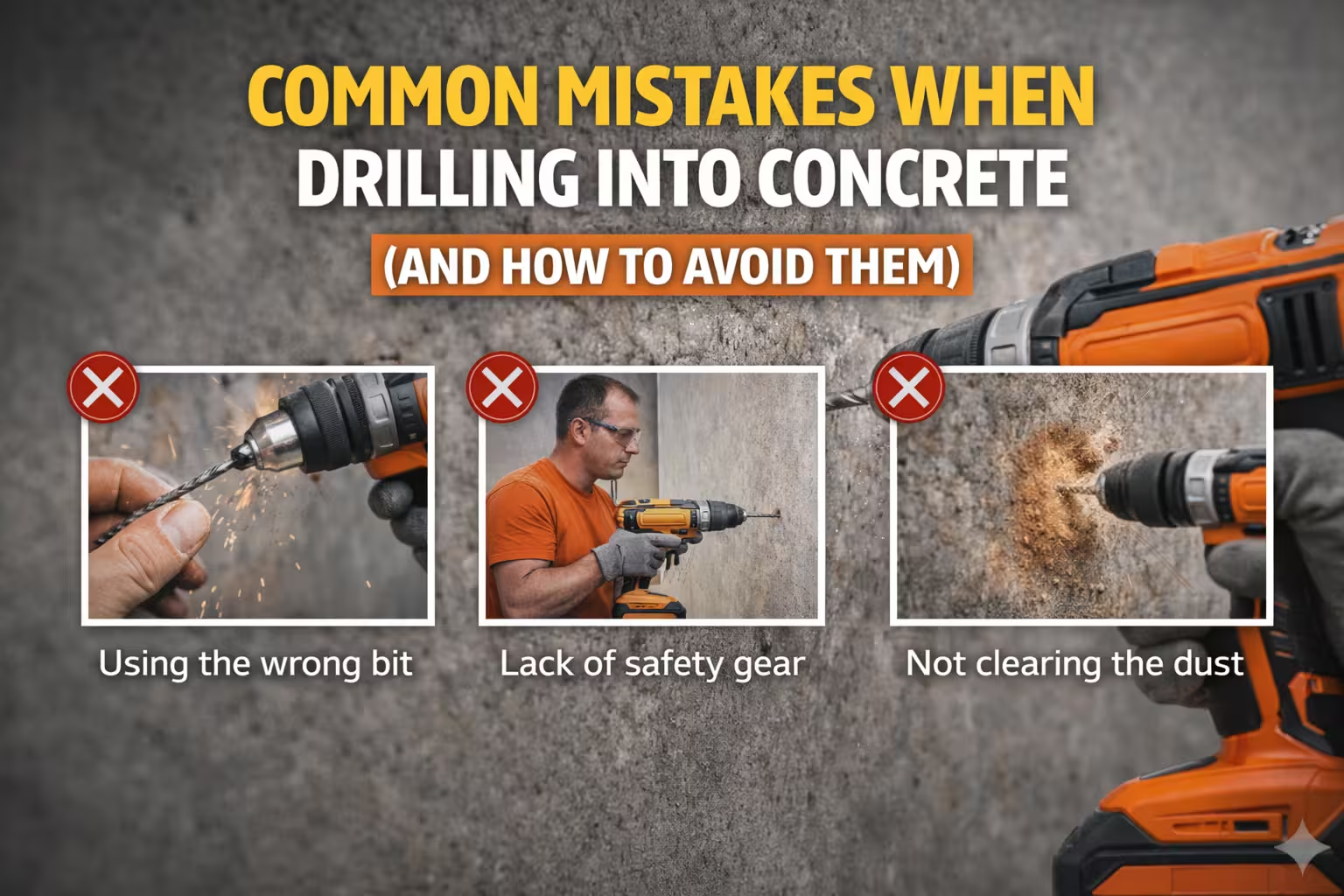
Common mistakes when drilling into concrete are one of the main reasons DIY projects fail. Cracked walls, broken drill bits, loose anchors, and damaged tools usually come from small errors made before or during drilling.
Concrete is dense, abrasive, and unforgiving. Without the right tools and technique, even simple tasks like installing anchors or mounting shelves can become frustrating or unsafe.
This guide explains the most common mistakes people make when drilling into concrete—and how to avoid them for cleaner, safer, and more reliable results.
Using the Wrong Type of Drill
One of the most common mistakes is using a regular drill instead of a drill designed for concrete.
A standard drill lacks the hammering action needed to break up concrete efficiently. This leads to slow progress, overheating, and excessive pressure on the tool.
How to avoid it:
- Use a hammer drill for most concrete wall applications
- Use a rotary hammer for thick or reinforced concrete
If you’re unsure whether your drill is suitable, see
Can a Regular Drill Drill Into Concrete?
and
Hammer Drill vs Rotary Hammer: What’s the Difference?
Using the Wrong Drill Bit
Concrete requires masonry drill bits with carbide tips. Using wood or metal bits is a guaranteed way to dull or snap them.
Common errors include:
- Using standard twist bits
- Drilling with worn or damaged masonry bits
- Using multi-material bits for hard concrete
How to avoid it:
Always choose drill bits designed specifically for concrete and masonry.
For a full breakdown, read
Best Drill Bits for Concrete and Masonry
Applying Too Much Pressure
Many people assume that pushing harder will drill faster. In concrete, this does the opposite.
Excessive pressure:
- Overheats the drill bit
- Strains the drill motor
- Causes uneven or crooked holes
How to avoid it:
- Let the drill and bit do the work
- Apply steady, moderate pressure
- Drill at a controlled speed
Drilling at High Speed Too Soon
Starting at full speed is another frequent mistake.
High speed:
- Causes bit wandering
- Increases heat buildup
- Reduces accuracy
How to avoid it:
- Start drilling slowly
- Increase speed only after the bit has seated
- Use hammer mode once the hole is established
For proper technique, follow
How to Drill Into Concrete Safely (Step-by-Step Guide)
Skipping Surface Preparation
Failing to prepare the drilling area can lead to inaccurate holes and damaged surfaces.
Common preparation mistakes:
- Not marking the hole location
- Drilling at an angle
- Ignoring hidden wiring or plumbing
How to avoid it:
- Mark drilling points clearly
- Use a level to ensure straight alignment
- Check behind walls before drilling
Ignoring Proper Drill Depth
Drilling too shallow or too deep can weaken anchors and reduce holding strength.
Common depth issues:
- Anchor not fully seated
- Excess dust preventing proper fit
- Over-drilling beyond anchor length
How to avoid it:
- Match drill depth to anchor requirements
- Clear dust from the hole
Learn more here:
How Deep Can You Drill Into Concrete?
What Size Drill Bit Should You Use for Concrete Anchors?
Skipping Safety Gear
Concrete drilling produces fine dust, vibration, and noise.
Skipping safety gear increases the risk of:
- Eye injuries
- Hearing damage
- Respiratory irritation
How to avoid it:
Always wear:
- Safety glasses
- Hearing protection for longer jobs
- Gloves for grip and vibration control
- A dust mask when drilling indoors
Using the Wrong Power Source
Some users struggle because their drill lacks consistent power.
Common issues:
- Cordless drill with insufficient battery power
- Underpowered drill for hard concrete
How to avoid it:
Choose the right power option for your project.
For guidance, see
Cordless vs Corded Hammer Drill for Concrete: Which Is Better?
Frequently Asked Questions
Why do drill bits break when drilling concrete?
Usually due to excessive pressure, high speed, or using the wrong type of bit.
Is it safe to drill concrete indoors?
Yes, but proper ventilation and dust control are important.
Can mistakes be fixed after drilling?
Some issues can be corrected, but many require re-drilling or patching. Prevention is far easier than repair.
Conclusion: Avoiding Concrete Drilling Mistakes
Most problems drilling into concrete come from using the wrong tools, rushing the process, or skipping preparation.
By avoiding these common mistakes when drilling into concrete, homeowners and DIY users can achieve cleaner holes, stronger anchors, and safer results—without damaging tools or walls.
For a complete overview of tools and techniques, start with
Best Drill for Concrete Walls (2025 Guide)