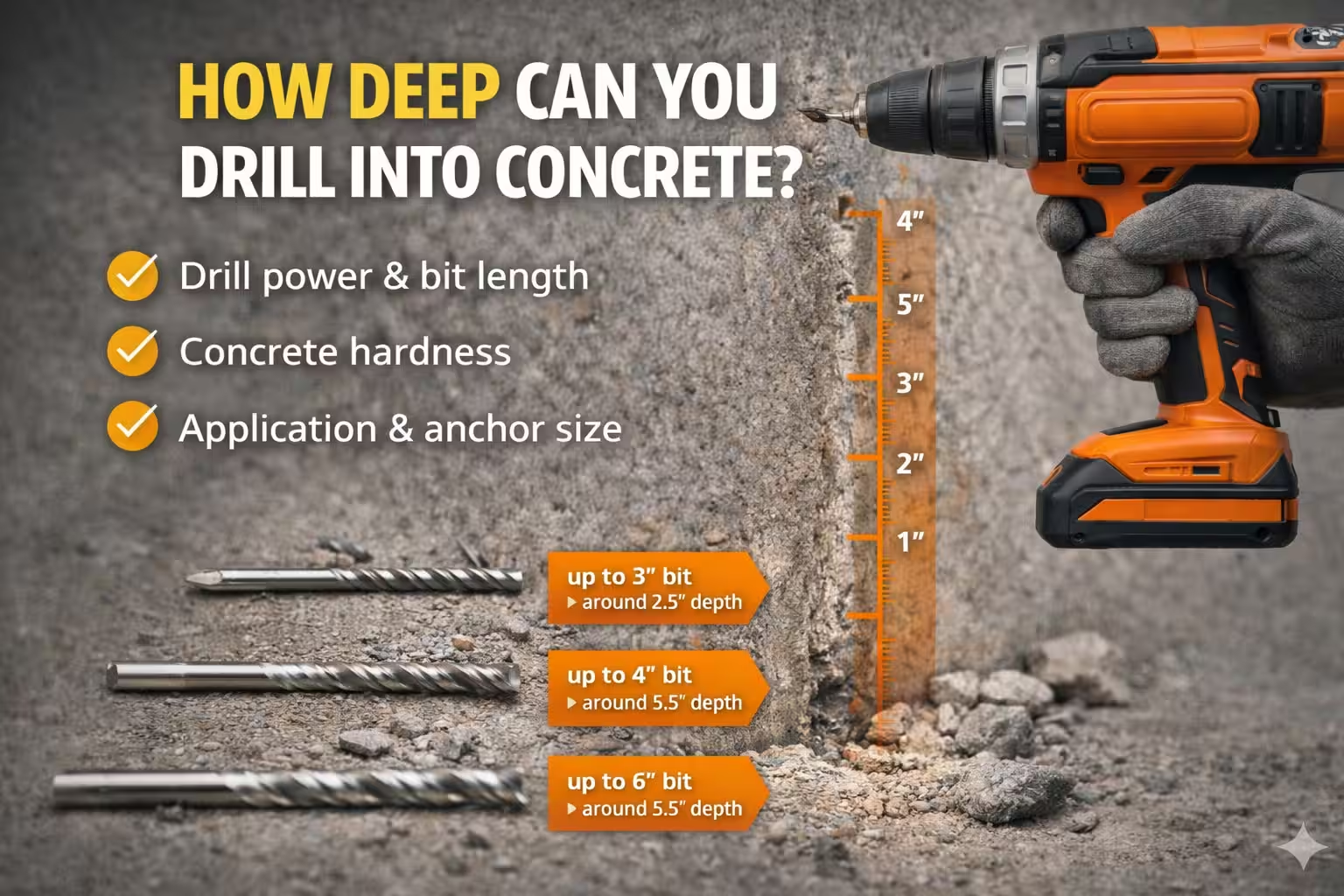
How deep can you drill into concrete depends on the type of drill, drill bit length, concrete hardness, and the purpose of the hole. For anchors, fasteners, or mounting hardware, drilling too shallow or too deep can weaken holding strength and cause installation problems.
This guide explains how drilling depth works in concrete, what limits you should expect, and how to drill safely and accurately for reliable results.
What Determines How Deep You Can Drill Into Concrete?
Several factors affect how deep you can drill into concrete:
Drill Type
- Hammer drills are suitable for most anchor-depth holes in concrete walls
- Rotary hammers can drill much deeper into thick or reinforced concrete
If you’re still choosing a drill, start with
Best Drill for Concrete Walls (2025 Guide)
Drill Bit Length
The maximum drilling depth is limited by the usable length of the drill bit.
- Short masonry bits → shallow anchor holes
- Long masonry or SDS bits → deeper drilling
Always leave extra space at the bottom of the hole for dust buildup.
Concrete Hardness and Composition
Not all concrete is the same.
- Older or softer concrete drills more easily
- Reinforced concrete and high-density mixes resist drilling and reduce effective depth
Hitting rebar or aggregate can stop progress entirely.
Typical Drilling Depths for Common Applications
Concrete Anchors
Most wall anchors require relatively shallow holes.
- Plastic anchors: usually 1–2 inches
- Sleeve anchors: typically 2–3 inches
- Wedge anchors: often 2½–4 inches
Exact depth depends on anchor type and manufacturer instructions.
For proper sizing, see
What Size Drill Bit Should You Use for Concrete Anchors?
Mounting and Wall Fixtures
TV mounts, shelves, and brackets generally require drilling deep enough to fully seat anchors while leaving room for dust.
Drilling too deep weakens the anchor’s grip.
Heavy-Duty and Structural Drilling
For structural applications or thick slabs, deeper drilling may be required.
This is where rotary hammers with long SDS bits are used.
If you’re unsure which tool fits your job, compare options in
Hammer Drill vs Rotary Hammer: What’s the Difference?
How to Drill to the Correct Depth
Accuracy matters more than maximum depth.
Use a Depth Guide
- Many drills include adjustable depth stops
- Tape wrapped around the bit also works as a visual guide
Drill Slightly Deeper Than Needed
Drill the hole about ¼–½ inch deeper than the anchor length to allow space for dust.
Clear Dust Frequently
Pull the bit out occasionally to remove dust and maintain drilling efficiency.
For safe technique, follow
How to Drill Into Concrete Safely (Step-by-Step Guide)
What Happens If You Drill Too Deep?
Drilling deeper than required can cause problems:
- Reduced anchor holding strength
- Excess dust preventing proper seating
- Increased risk of hitting rebar or utilities
Precision matters more than force when drilling concrete.
Common Mistakes When Drilling Concrete Too Deep
Avoid these common errors:
- Drilling without measuring anchor length
- Ignoring depth markings
- Applying excessive pressure
- Using the wrong drill or bit
More mistakes and fixes are covered in
Common Mistakes When Drilling Into Concrete (And How to Avoid Them)
Frequently Asked Questions
Can you drill all the way through a concrete wall?
Yes, but only with the proper drill, long masonry or SDS bits, and careful planning.
Does deeper drilling weaken concrete?
Unnecessary depth can weaken anchor performance but usually doesn’t damage structural integrity when done correctly.
Can a regular drill reach full anchor depth?
Only in soft masonry and shallow holes. For concrete walls, a hammer drill is recommended.
Can a Regular Drill Drill Into Concrete?
Conclusion: How Deep Should You Drill Into Concrete?
How deep you can drill into concrete depends on the job—not just the tool. For most homeowners, drilling only as deep as needed for anchors or fasteners provides the strongest and safest results.
Measure carefully, drill precisely, and always match depth to anchor requirements. Concrete doesn’t forgive mistakes—but proper preparation makes drilling straightforward and reliable.