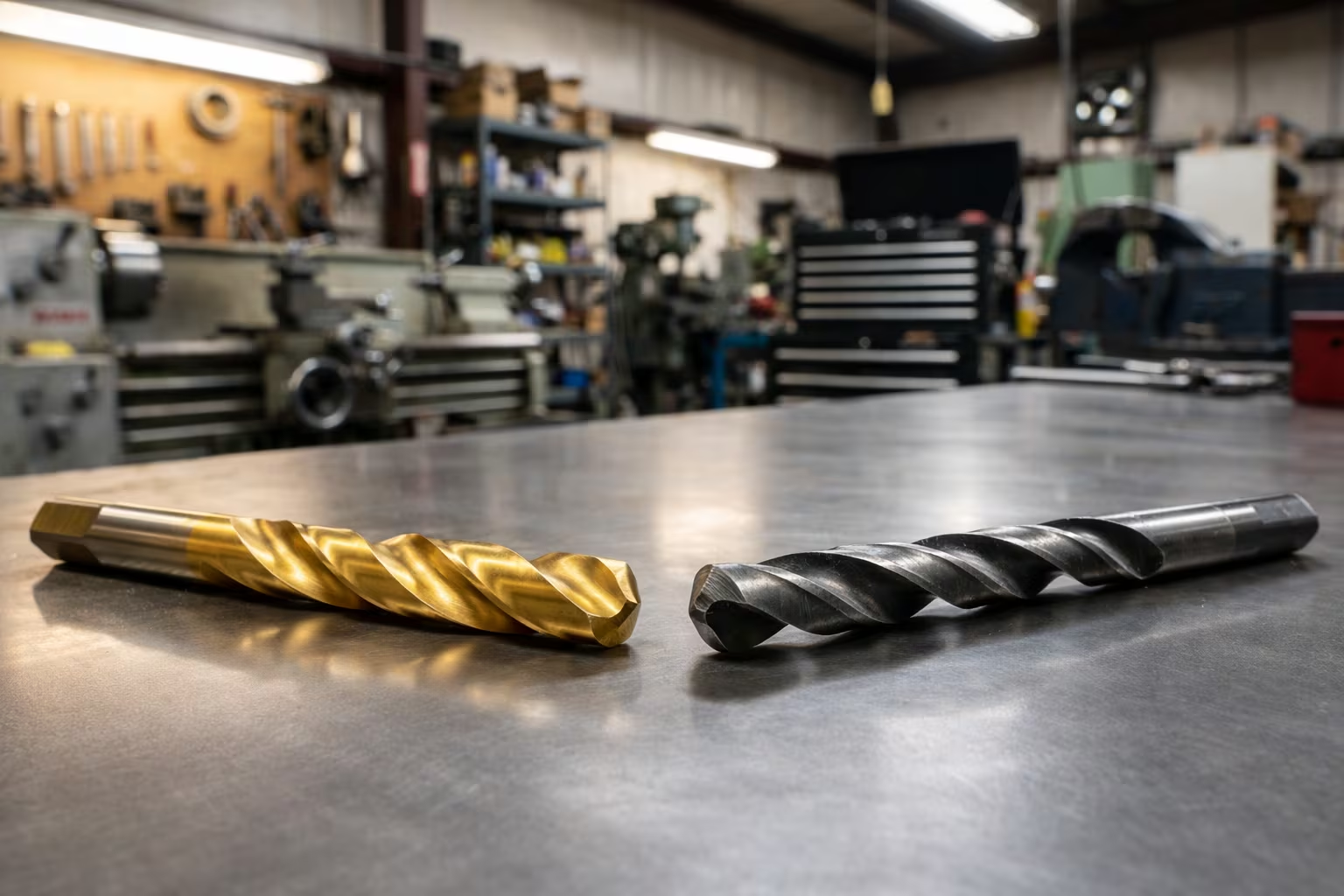
When drilling into metal, choosing the right drill bit can make a huge difference in performance, durability, and hole quality. Two of the most common drill bits used for metal drilling are titanium drill bits and cobalt drill bits.
Both types are designed to drill into metal efficiently, but they perform differently depending on the material being drilled.
In this guide, we’ll compare titanium vs cobalt drill bits, explain their advantages and disadvantages, and help you choose the best option for your projects.
If you want a broader overview of drill bits for all materials, see (Best Drill Bits for Every Material (2026 Complete Guide)).
Titanium vs Cobalt Drill Bits Comparison
Before diving into the details, here is a quick comparison of these two drill bit types.
| Drill Bit Type | Best For | Durability | Heat Resistance | Typical Use |
|---|---|---|---|---|
| Titanium Drill Bits | Soft metals | Medium | Moderate | Aluminum, copper |
| Cobalt Drill Bits | Hard metals | Very high | Excellent | Stainless steel, hardened steel |
Both drill bits are designed for metal drilling, but they behave differently under heat and stress.
What Are Titanium Drill Bits?
Titanium drill bits are typically high-speed steel (HSS) drill bits coated with titanium nitride.
The titanium coating improves durability and reduces friction when drilling.
Key benefits of titanium drill bits include:
- reduced heat buildup
- smoother drilling
- longer lifespan than standard HSS bits
- improved corrosion resistance
Titanium drill bits are commonly used for drilling:
- aluminum
- copper
- brass
- thin steel
Because of their coating, these bits stay sharper longer than regular HSS drill bits.
However, once the coating wears off, the drill bit performs like a standard steel drill bit.
What Are Cobalt Drill Bits?
Cobalt drill bits are made from a steel alloy that contains cobalt, rather than being coated like titanium bits.
This means the cobalt material runs through the entire drill bit, not just the surface.
Cobalt drill bits are designed to handle extreme heat and harder metals.
They are commonly used for drilling:
- stainless steel
- hardened steel
- cast iron
- high-tensile metals
Because cobalt drill bits tolerate high temperatures, they maintain sharp cutting edges even during heavy drilling.
This makes them ideal for tougher metal drilling applications.
Durability Comparison
One of the biggest differences between titanium and cobalt drill bits is durability.
Titanium drill bits rely on a surface coating for improved performance.
Over time, this coating can wear away, especially if the drill bit is used frequently.
Cobalt drill bits are different because the cobalt material is mixed into the metal itself.
This means the drill bit maintains its strength and heat resistance even after long use.
As a result, cobalt drill bits generally last longer when drilling hard metals.
Heat Resistance
Heat buildup is a major factor when drilling metal.
High friction generates heat, which can dull or damage drill bits.
Titanium drill bits help reduce friction due to their coating, but they still have limits.
Cobalt drill bits perform much better in high-temperature conditions.
Because of their alloy composition, they maintain cutting performance even when drilling tough metals like stainless steel.
If drill bits frequently overheat, see (Why Drill Bits Burn or Break (And How to Prevent It)).
Best Applications for Titanium Drill Bits
Titanium drill bits work well for lighter metal drilling tasks.
They are ideal for:
- aluminum drilling
- sheet metal
- copper pipes
- soft steel
These drill bits are commonly used by homeowners and DIY users because they are affordable and versatile.
For many general home projects, titanium drill bits perform very well.
Best Applications for Cobalt Drill Bits
Cobalt drill bits are designed for more demanding applications.
They are commonly used for:
- stainless steel drilling
- hardened metal
- cast iron
- industrial metal drilling
Because cobalt bits resist heat and wear, they are widely used in professional workshops and metal fabrication.
If you’re drilling steel frequently, see (Best Drill Bit for Steel and Metal).
Which Drill Bit Is Better?
The answer depends on the material you are drilling.
Titanium drill bits are better for:
- aluminum
- copper
- soft metals
- general DIY projects
Cobalt drill bits are better for:
- stainless steel
- hardened metals
- heavy-duty metal drilling
For most homeowners, titanium drill bits are usually sufficient.
However, if you’re drilling stainless steel or hard metals, cobalt drill bits are the better choice.
Drilling Tips for Metal
Even with the right drill bit, technique is extremely important when drilling metal.
Use cutting oil
Cutting oil reduces friction and heat.
Drill slowly
Slower drill speeds produce cleaner holes and protect the drill bit.
Apply steady pressure
Let the drill bit cut gradually without forcing it.
Use proper drill power
The drill itself also affects performance.
To understand drill power requirements, see (What Drill Power Do You Really Need?).
You can also see recommended drills for DIY work in (Best Drill for Home Use (2026 Guide)).
Final Thoughts
Both titanium and cobalt drill bits are excellent tools for metal drilling, but they are designed for different tasks.
Quick recap:
- Titanium drill bits are great for soft metals and DIY use
- Cobalt drill bits are best for hard metals and heavy-duty drilling
- Heat resistance is the main advantage of cobalt drill bits
Choosing the right drill bit for the job improves drilling speed, hole quality, and tool lifespan.
For a complete overview of drill bits used across materials, see (Best Drill Bits for Every Material (2026 Complete Guide)).
Titanium vs Cobalt Drill Bit FAQs
Frequently Asked Questions About Titanium vs Cobalt Drill Bits
What is the difference between titanium and cobalt drill bits?
Titanium drill bits are typically high-speed steel (HSS) bits coated with titanium nitride, which reduces friction and increases durability. Cobalt drill bits are made from steel alloys containing cobalt, allowing them to withstand higher temperatures and drill harder metals.
Which drill bit is better for metal: titanium or cobalt?
Cobalt drill bits are generally better for hard metals such as stainless steel or hardened steel because they resist heat and maintain their cutting edge longer. Titanium-coated bits are better suited for softer metals like aluminum, copper, and mild steel.
Do titanium drill bits last longer than cobalt bits?
Titanium-coated bits can last longer than standard HSS bits, but cobalt drill bits usually last longer when drilling hard metals. Titanium coatings eventually wear off, while cobalt is mixed into the steel itself.
Can you sharpen titanium drill bits?
Titanium drill bits can technically be sharpened, but once the titanium coating is removed during sharpening, the bit loses some of its friction-reducing properties.
Can you sharpen cobalt drill bits?
Yes. Cobalt drill bits can be resharpened multiple times without losing their heat resistance because cobalt is part of the metal alloy rather than a surface coating.
What materials are titanium drill bits best for?
Titanium-coated drill bits are best for:
- Aluminum
- Copper
- Brass
- Plastic
- Wood
- Mild steel
They are a good option for general-purpose drilling tasks.
What materials are cobalt drill bits best for?
Cobalt drill bits are ideal for drilling hard and heat-resistant metals, including:
- Stainless steel
- Hardened steel
- Cast iron
- High-strength alloys
They are commonly used in industrial and metalworking applications.
Why do drill bits turn blue when drilling metal?
Drill bits can turn blue due to excessive heat buildup during drilling. This often happens when drilling at high speeds, applying too much pressure, or not using cutting oil.
Should you use cutting oil when drilling metal?
Yes. Using cutting oil or lubricant reduces heat and friction when drilling metal, helping drill bits last longer and cut more efficiently.