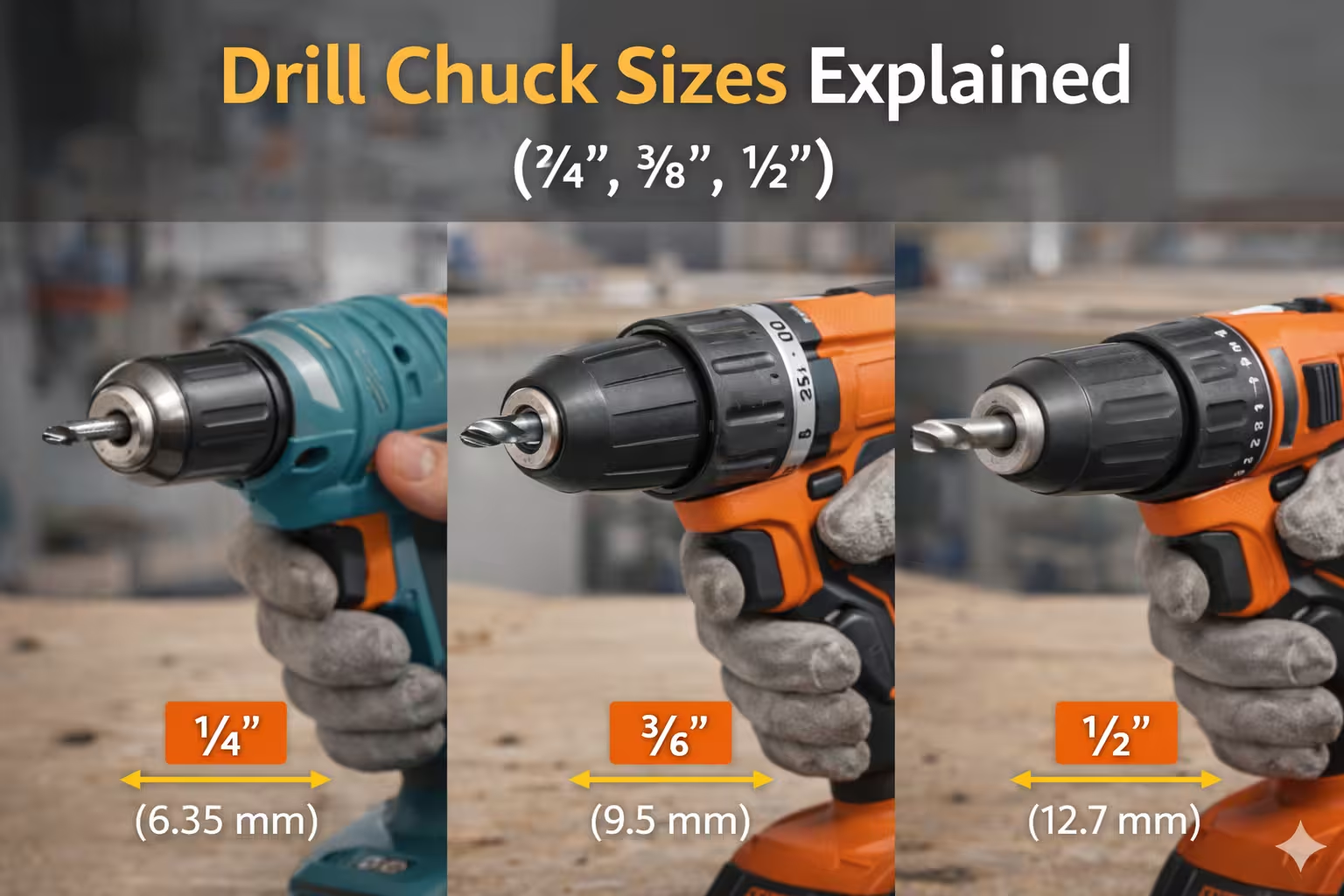
Understanding drill chuck sizes is essential when choosing a drill for home use. Many homeowners focus on power, voltage, or brand, but overlook chuck size—even though it directly affects what drill bits you can use and what projects your drill can handle.
This guide explains ¼”, ⅜”, and ½” drill chuck sizes, what they mean, when each size is best, and how to choose the right chuck size for DIY projects at home.
What Is a Drill Chuck?
The drill chuck is the part at the front of the drill that holds the drill bit in place. Chuck size refers to the maximum diameter of the bit shank the drill can accept.
Choosing the right chuck size ensures:
- Compatibility with common drill bits
- Better grip on the bit
- Safer and more accurate drilling
For a general overview of choosing a drill, see
(Best Drill for Home Use (2026 Guide)).
¼-Inch Chuck Explained
A ¼-inch chuck is the smallest common chuck size.
Best uses:
- Light-duty DIY
- Small screws
- Furniture assembly
- Precision work
Advantages:
- Lightweight
- Easy to control
- Ideal for beginners
Limitations:
- Cannot accept larger drill bits
- Not suitable for masonry or heavy drilling
¼-inch chucks are most often found on compact cordless drills and impact drivers.
⅜-Inch Chuck Explained
A ⅜-inch chuck is the most common size for homeowner drills.
Best uses:
- General DIY projects
- Shelves and wall mounts
- Light to medium drilling
- Screw driving
Advantages:
- Accepts a wide range of drill bits
- Good balance of size and power
- Suitable for most home tasks
Limitations:
- Not ideal for large masonry bits
- Limited for heavy-duty drilling
Most cordless drills designed for home use feature a ⅜-inch chuck.
½-Inch Chuck Explained
A ½-inch chuck is found on more powerful drills.
Best uses:
- Large drill bits
- Masonry and concrete drilling
- Heavy-duty DIY projects
Advantages:
- Maximum bit compatibility
- Stronger grip on larger bits
- Better for tough materials
Limitations:
- Heavier drill
- Less comfortable for small tasks
- Overkill for light DIY work
½-inch chucks are common on hammer drills and corded drills.
If you’re drilling into masonry, this chuck size often pairs well with hammer mode. Learn more in
(Hammer Drill vs Regular Drill: Which One Do You Need?).
Which Drill Chuck Size Do Homeowners Really Need?
Most homeowners are best served by a ⅜-inch chuck.
It offers:
- Enough capacity for common drill bits
- Compatibility with anchors and screws
- Comfortable handling for everyday tasks
Choose a ½-inch chuck only if you:
- Drill into concrete frequently
- Use large drill bits
- Work on heavier projects
For most DIY tasks, larger chuck sizes add weight without real benefit.
Chuck Size vs Drill Power
Chuck size and drill power are closely related.
- Small chuck + low torque = light-duty use
- Larger chuck + higher torque = heavy-duty use
A drill with a large chuck but insufficient torque won’t perform well. To understand power requirements, see
(What Drill Power Do You Really Need? (RPM, Torque & Voltage Explained)
Chuck Size and DIY Projects
Shelves and Furniture
⅜-inch chuck is ideal.
TV Mounts and Anchors
⅜-inch works for drywall; ½-inch is better for masonry anchors.
Concrete and Brick
½-inch chuck with hammer mode performs best.
If your DIY work includes anchors and masonry, review
(Best Drill for DIY Projects at Home (Shelves, TVs, Anchors)).
Common Chuck Size Mistakes
Homeowners often:
- Buy a large chuck unnecessarily
- Ignore bit compatibility
- Use oversized drills for small jobs
These mistakes lead to fatigue and poor control. More mistakes are covered in
(Common Drill Mistakes Homeowners Make (And How to Avoid Them)
Frequently Asked Questions
Can a drill with a ⅜-inch chuck use small bits?
Yes. A ⅜-inch chuck can hold smaller bits securely.
Is a ½-inch chuck always better?
No. Bigger chucks add weight and are unnecessary for most DIY work.
Do chuck sizes affect safety?
Yes. Proper chuck size improves bit grip and reduces slippage.
Conclusion: Choosing the Right Drill Chuck Size
Understanding drill chuck sizes helps homeowners choose a drill that fits their projects without unnecessary weight or cost. For most home use, a ⅜-inch chuck provides the best balance of versatility and comfort.
Larger chuck sizes are useful for heavy-duty tasks but are rarely required for everyday DIY projects.