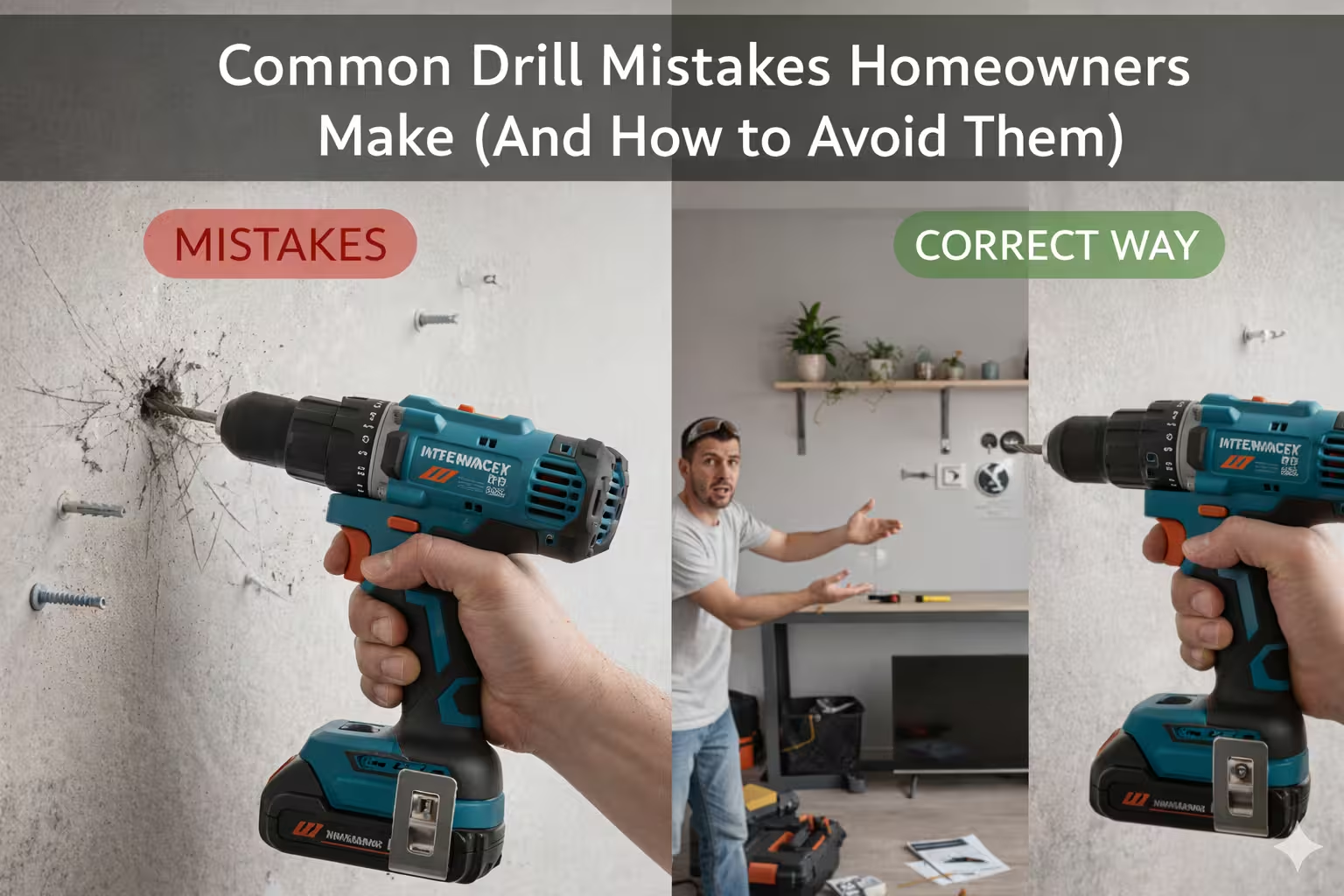
Many problems homeowners experience when using a drill don’t come from bad tools—they come from common drill mistakes. Stripped screws, crooked holes, damaged walls, and broken bits are usually caused by poor technique or choosing the wrong settings.
This guide explains the most common drill mistakes homeowners make, why they happen, and how to avoid them so your DIY projects are safer, cleaner, and more successful.
Using the Wrong Type of Drill
One of the biggest mistakes is using the wrong drill for the job.
Examples include:
- Using a regular drill on concrete or brick
- Using a heavy hammer drill for light DIY work
- Choosing corded tools when portability is needed
Each drill type is designed for specific tasks. For a full overview, see
(Best Drill for Home Use (2026 Guide)
If you’re unsure whether a hammer drill is necessary, review
(Hammer Drill vs Regular Drill: Which One Do You Need?).
Ignoring Drill Power and Settings
Many homeowners leave their drill on one setting for every task.
Common errors:
- Using high speed for all drilling
- Ignoring torque settings
- Applying maximum power unnecessarily
Different materials require different power levels. Using the wrong settings leads to poor control and damaged materials.
To understand power properly, see
(What Drill Power Do You Really Need? (RPM, Torque & Voltage Explained)
Applying Too Much Pressure
Pressing harder does not make drilling faster. In fact, it often causes:
- Bit overheating
- Loss of control
- Crooked holes
- Reduced tool lifespan
A drill should do the work. Apply steady pressure and let the bit cut naturally.
Using the Wrong Drill Bits
Using incorrect drill bits is a very common mistake.
Examples:
- Wood bits on masonry
- Dull bits on hard materials
- Incorrect bit size for anchors
Wrong bits reduce efficiency and increase the risk of cracking or slipping.
If your projects involve concrete or brick, see
(Best Drill Bits for Concrete and Masonry).
Skipping Pilot Holes
Skipping pilot holes often leads to:
- Split wood
- Stripped screws
- Crooked fasteners
Pilot holes help guide screws and reduce resistance, especially in hardwood or dense materials.
This mistake is common during furniture assembly and shelving projects. For drill recommendations, see
(Best Drill for DIY Projects at Home (Shelves, TVs, Anchors)
Choosing the Wrong Drill Size or Weight
Heavier drills are not always better.
Common issues:
- Fatigue during overhead work
- Poor control
- Increased risk of mistakes
Most homeowners benefit from lighter drills with balanced power rather than oversized tools.
Not Checking the Surface Before Drilling
Drilling blindly can cause serious problems.
Mistakes include:
- Hitting electrical wiring
- Drilling into plumbing
- Damaging hidden studs
Always inspect walls, use stud finders, and confirm anchor locations before drilling.
Ignoring Basic Safety Practices
Skipping safety steps can lead to injury.
Common oversights:
- No eye protection
- Loose clothing
- Poor footing
- Unsafe ladder positioning
For a complete safety overview, see
(How to Use a Drill Safely at Home (2026 Guide)).
Frequently Asked Questions
What is the most common drill mistake?
Using the wrong drill type or wrong settings for the material.
Can drill mistakes damage walls permanently?
Yes. Incorrect drilling can crack masonry, strip drywall, or weaken anchors.
Are cordless drills easier for beginners?
Yes. Cordless drills are generally easier to control and safer for beginners.
Conclusion: Avoiding Common Drill Mistakes
Most drill problems are preventable. Using the right drill, correct settings, proper bits, and safe technique dramatically improves results.
By avoiding these common drill mistakes, homeowners can complete DIY projects more efficiently, protect their tools, and achieve cleaner, more professional-looking results.