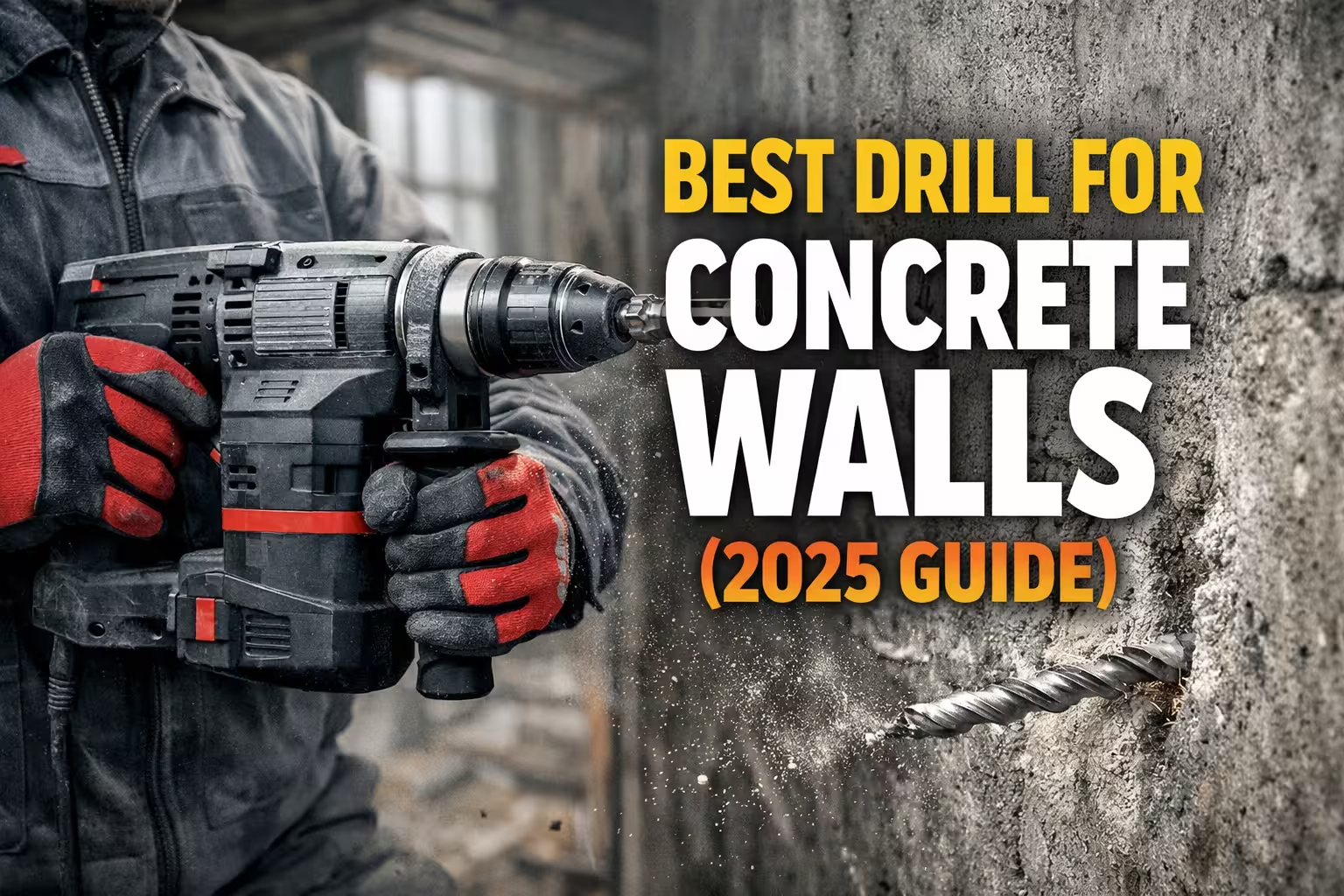
What is the best drill for concrete walls? Drilling into concrete walls is very different from drilling into wood or drywall. Concrete, brick, and masonry are dense materials that require the right drill type, proper technique, and correct accessories to avoid damaged tools, broken bits, or cracked walls.
This guide is designed for homeowners and DIY users who want to hang shelves, install anchors, mount TVs, or complete light renovation work safely and efficiently.
By the end of this guide, you’ll know:
- Which drill works best for concrete walls
- How hammer drills compare to rotary hammers
- What features actually matter
- How to drill safely and avoid common mistakes
What Is the Best Drill for Concrete Walls?
For most homeowners, the best drill for concrete walls is a hammer drill.
A hammer drill combines normal rotary drilling with a rapid hammering action. This action helps break up concrete as the bit spins, making drilling faster, easier, and far less stressful on both the tool and the user.
For everyday tasks like anchor holes, shelving, or wall mounts, a hammer drill provides the best balance of power, control, and affordability.
For heavier-duty work—such as drilling large or deep holes into reinforced concrete—a rotary hammer may be more effective. A standard drill can work in limited cases but is not recommended for most concrete jobs.
Can a Regular Drill Drill Into Concrete?
Hammer Drill vs Regular Drill vs Rotary Hammer
Understanding the differences between drill types helps you choose the right tool for your project.
Regular Drill
A regular drill only rotates the bit and does not provide any hammering action.
- Best for: Wood, drywall, plastic, light metal
- Concrete performance: Poor to very limited
- Verdict: Can work slowly in soft masonry, but inefficient and frustrating
Hammer Drill
A hammer drill rotates the bit while applying light forward impacts.
- Best for: Concrete walls, brick, masonry anchors
- Concrete performance: Good for most household tasks
- Verdict: Best all-around option for homeowners
Rotary Hammer
A rotary hammer uses a piston-driven mechanism to deliver powerful impacts.
- Best for: Thick concrete, structural work, large holes
- Concrete performance: Excellent
- Verdict: Overkill for most DIY users
If you’re unsure which tool fits your needs, see our full breakdown here:
Hammer Drill vs Rotary Hammer: What’s the Difference?
Quick Summary
- Small to medium holes → Hammer drill
- Large or repeated holes → Rotary hammer
- Occasional light drilling → Regular drill (not ideal)
Key Features That Matter When Drilling Concrete Walls
Not all drills perform the same, even within the same category. These features make the biggest difference when drilling into concrete.
Hammer Function
Always choose a drill with a true hammer mode, not just high speed.
Power and Torque
Concrete requires steady power. Higher torque prevents stalling and improves control.
Speed Control
Lower, controlled speeds reduce bit wear and improve accuracy.
Masonry Bit Compatibility
Use proper masonry bits designed for concrete and brick.
Best Drill Bits for Concrete and Masonry
Grip and Stability
Side handles and ergonomic grips improve safety and drilling precision.
Safety Tips for Drilling Into Concrete Walls
Concrete drilling produces dust, vibration, and resistance. Follow these safety basics:
- Wear eye protection to block concrete dust
- Use hearing protection for extended drilling
- Start slowly to prevent bit wandering
- Keep the drill perpendicular to the wall
- Take breaks to prevent overheating
- Check for electrical wiring or plumbing before drilling
For a full safety walkthrough, see:
How to Drill Into Concrete Safely (Step-by-Step Guide)
Common Mistakes to Avoid When Drilling Concrete
Many drilling problems come from simple, avoidable mistakes:
- Using wood or metal bits instead of masonry bits
- Applying too much pressure instead of letting the drill work
- Drilling at high speed instead of controlled speed
- Using a regular drill for hard concrete
- Skipping pilot holes when accuracy matters
Avoiding these mistakes improves results and extends tool life.
Common Mistakes When Drilling Into Concrete (And How to Avoid Them)
Concrete Anchors, Bit Size, and Depth
Choosing the right bit size and drilling depth is essential for secure anchors.
- Anchor size determines the required bit diameter
- Hole depth must match anchor length
- Over-drilling weakens holding power
Learn more here:
What Size Drill Bit Should You Use for Concrete Anchors?
How Deep Can You Drill Into Concrete?
Cordless vs Corded Drills for Concrete Walls
Both cordless and corded hammer drills can work well for concrete, but each has trade-offs.
- Cordless drills offer convenience and portability
- Corded drills provide continuous power for longer jobs
If you’re deciding between the two, read our comparison:
Cordless vs Corded Hammer Drill for Concrete: Which Is Better?
Conclusion: Choosing the Right Drill for Concrete Walls
Drilling into concrete walls requires the right tool—not brute force. For most homeowners and DIY users, a hammer drill offers the best balance of power, control, and ease of use.
Rotary hammers are ideal for heavy-duty work, while regular drills should only be used in limited cases. With the correct drill, proper bits, and safe technique, concrete drilling becomes straightforward and reliable.
Frequently Asked Questions
Can a regular drill drill into concrete?
Yes, but only into soft masonry and very slowly. A hammer drill is far more effective and safer.
Do I need special drill bits for concrete?
Yes. Masonry drill bits are specifically designed for concrete and brick.
How deep can you drill into a concrete wall?
Depth depends on drill power, bit length, and concrete hardness. Most homeowner hammer drills handle anchor-depth holes easily.
Should I use hammer mode on brick walls?
Yes. Brick and mortar respond well to hammer mode, but start slowly to avoid cracking.
Is a rotary hammer better than a hammer drill?
A rotary hammer is more powerful, but a hammer drill is easier to control and more practical for most DIY tasks.