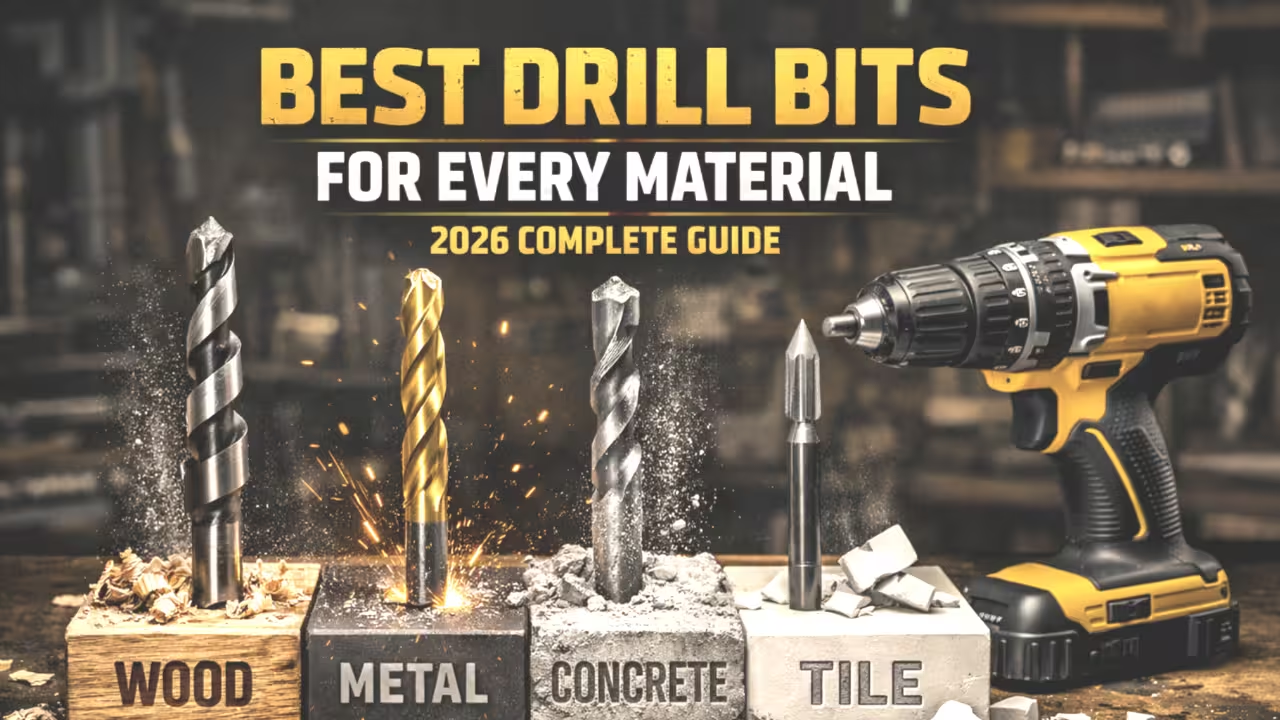
Best drill bits for every material are essential if you want clean holes, longer tool life, and safer drilling. Choosing the right drill bit is just as important as choosing the right drill. Using the wrong bit can damage materials, dull your tools quickly, or produce inaccurate holes.
Whether you’re drilling into concrete, wood, steel, tile, or glass, each material requires a specific type of drill bit.
In this guide, we’ll explain the best drill bits for every common material homeowners work with, how they differ, and how to select the right one for your project.
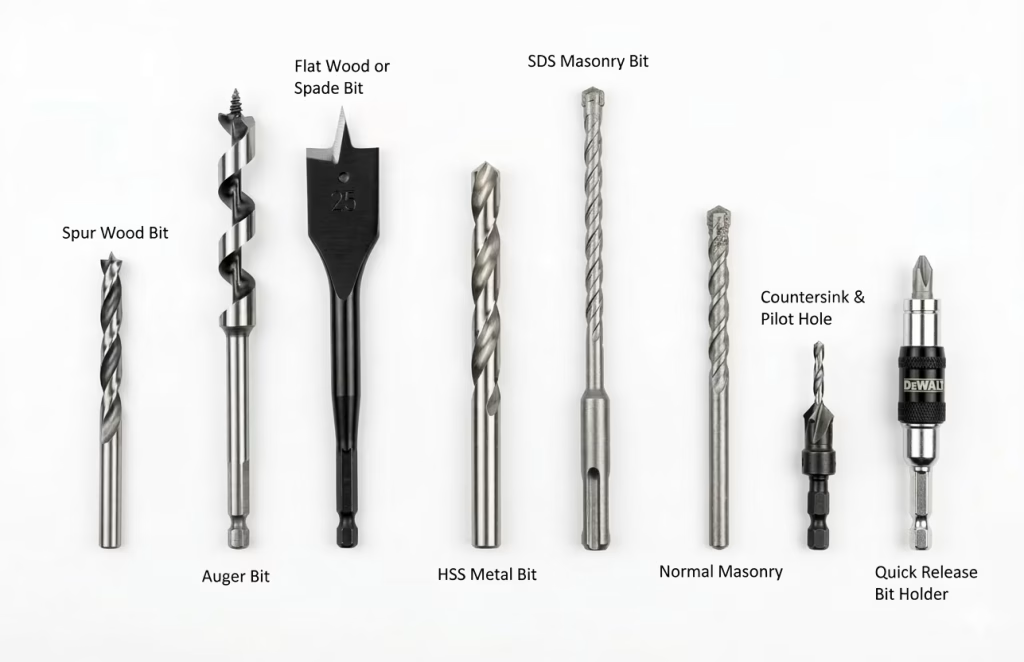
If you’re still deciding which drill to use for your projects, you may also want to read (Best Drill for Home Use (2026 Guide)).
Drill Bit Types Comparison Table
Before diving into each material, here is a quick overview of the most common drill bit types and what they are best used for.
| Drill Bit Type | Best For | Material | Key Feature |
|---|---|---|---|
| Masonry Bit | Concrete, Brick | Masonry | Carbide tip with hammer drilling |
| Cobalt Bit | Steel & Hard Metal | Metal | Heat-resistant alloy |
| Titanium Bit | Aluminum & Light Metal | Metal | Reduced friction coating |
| Brad Point Bit | Clean wood holes | Wood | Sharp center point |
| Spade Bit | Large wood holes | Wood | Fast drilling |
| Diamond Bit | Tile, Glass | Fragile surfaces | Diamond cutting edge |
Choosing the right bit from the start helps avoid problems like overheating or bit breakage.
Best Drill Bits for Concrete
Concrete is one of the hardest surfaces homeowners drill into. Standard drill bits will quickly dull or snap.
The best option is a carbide-tipped masonry drill bit designed to withstand the impact created by hammer drills.
Key features of concrete drill bits:
- carbide cutting tip
- spiral flutes for debris removal
- designed for hammer drilling
For heavy-duty drilling, SDS masonry bits are often used with rotary hammers.
If you’re drilling concrete frequently, a hammer drill will make the job much easier (Hammer Drill vs Rotary Hammer: What’s the Difference?).
For a full breakdown of masonry drill bits, see (Best Drill Bit for Concrete (Masonry & SDS Bits Explained)).
Best Drill Bits for Brick and Masonry
Brick and block are slightly softer than concrete but still require specialized drill bits.
Masonry bits are ideal because they combine durability with impact resistance.
Typical uses include:
- installing wall anchors
- mounting shelves
- drilling for outdoor fixtures
If you’re unsure whether masonry bits or concrete bits are better for your project, see (Masonry Drill Bits vs Concrete Drill Bits).
Best Drill Bits for Steel and Metal
Metal drilling requires drill bits that resist heat and maintain sharp cutting edges.
The most common types include:
High-Speed Steel (HSS)
These bits work well for softer metals such as aluminum.
Titanium-Coated Bits
Titanium coating reduces friction and increases durability.
Cobalt Drill Bits
Cobalt bits are designed for hard metals such as stainless steel and hardened steel.
They maintain sharpness longer and resist heat better than standard bits.
A full comparison between these materials is explained in (Titanium vs Cobalt Drill Bits: Which Is Better?).
When drilling metal, slower speeds and cutting oil will significantly improve results.
Best Drill Bits for Wood
Wood is easier to drill than masonry or metal, but different drill bits produce different results.
Common wood drill bits include:
Brad Point Bits
Ideal for clean, precise holes when installing cabinets or shelves.
Spade Bits
Best for large holes in wood quickly.
Auger Bits
Designed for deep drilling in thick wood.
If you’re working on home improvement projects like shelving or TV mounts, you may also find this helpful (Best Drill for DIY Projects at Home (Shelves, TVs, Anchors)).
Best Drill Bits for Tile and Porcelain
Tile and porcelain surfaces are fragile and can easily crack if drilled incorrectly.
The best options include:
- diamond-tipped drill bits
- carbide tile drill bits
These bits grind slowly through the tile instead of cutting aggressively.
Always drill at low speed and apply gentle pressure.
More detailed recommendations are available in (Best Drill Bit for Tile and Porcelain).
Best Drill Bits for Glass
Glass drilling requires special bits designed to avoid cracking the surface.
Recommended drill bits include:
- spear-point glass bits
- diamond drill bits
Both options grind through the glass rather than cutting sharply.
Water cooling can also reduce heat buildup and prevent cracks.
More tips can be found in (Best Drill Bit for Glass).
Why Drill Bits Burn or Break
One of the most common problems homeowners face is drill bits overheating or snapping.
Typical causes include:
- drilling too fast
- applying too much pressure
- using the wrong bit for the material
- dull or worn drill bits
Understanding the cause of the problem helps extend tool life and prevent damage.
You can learn more in (Why Drill Bits Burn or Break (And How to Prevent It)).
Regular tool maintenance also helps keep bits performing well (Drill Maintenance and Care for Homeowners (Keep Your Drill Working Longer)).
How to Choose the Right Drill Bit
Before starting any project, consider three factors:
Material
Different materials require different drill bit types.
Hole Size
Larger holes may require specialized bits such as spade bits or hole saws.
Drill Type
Some drill bits are designed for hammer drills or rotary hammers.
When installing anchors in masonry, the correct bit size is also important (What Size Drill Bit Should You Use for Concrete Anchors?).
Final Thoughts
Choosing the correct drill bit is essential for safe and effective drilling.
Quick recap:
- Concrete → carbide masonry bits
- Brick → masonry drill bits
- Metal → cobalt or titanium bits
- Wood → brad point or spade bits
- Tile → diamond tile bits
- Glass → spear point bits
Using the correct drill bit will improve drilling speed, prevent tool damage, and produce cleaner holes.
If you’re still selecting the right drill for your projects, this guide will help you get started (Best Drill for Home Use (2026 Guide)).
Frequently Asked Questions About Drill Bits
What drill bit works for most materials?
High-speed steel (HSS) drill bits work for many common materials such as wood, plastic, and soft metals. However, harder materials like concrete, tile, or glass require specialized drill bits such as masonry bits, carbide bits, or diamond drill bits.
What is the best drill bit for drilling metal?
The best drill bits for metal are cobalt drill bits or titanium-coated HSS drill bits. These bits are designed to handle the heat and hardness of materials like steel, stainless steel, and aluminum.
What drill bit should you use for concrete and masonry?
For concrete, brick, and stone, you should use carbide-tipped masonry drill bits. These bits are designed to withstand impact drilling and are typically used with a hammer drill.
What drill bit is best for glass and tile?
Glass and tile require diamond drill bits or carbide spear-point drill bits. These bits grind through brittle materials without cracking them when used with low speed and water cooling.
What is the difference between HSS, titanium, and cobalt drill bits?
- HSS (High-Speed Steel): good for general drilling in wood and soft metals.
- Titanium-coated bits: last longer and reduce friction.
- Cobalt drill bits: designed for drilling very hard metals like stainless steel.
Why do drill bits overheat or turn blue?
Drill bits turn blue when excessive heat builds up during drilling. This usually happens when drilling too fast, applying too much pressure, or not using lubrication when drilling metal.
Can you use the same drill bit for wood and metal?
Some HSS drill bits can drill both wood and metal, but specialized bits usually perform better. For example, brad-point bits are better for wood, while cobalt bits are better for metal.
How do you choose the right drill bit?
Choosing the correct drill bit depends on:
- The material being drilled
- The drill type being used
- The hole size needed
- Whether cooling or lubrication is required
Using the correct drill bit improves accuracy, reduces wear, and prevents damage to both the tool and the material.