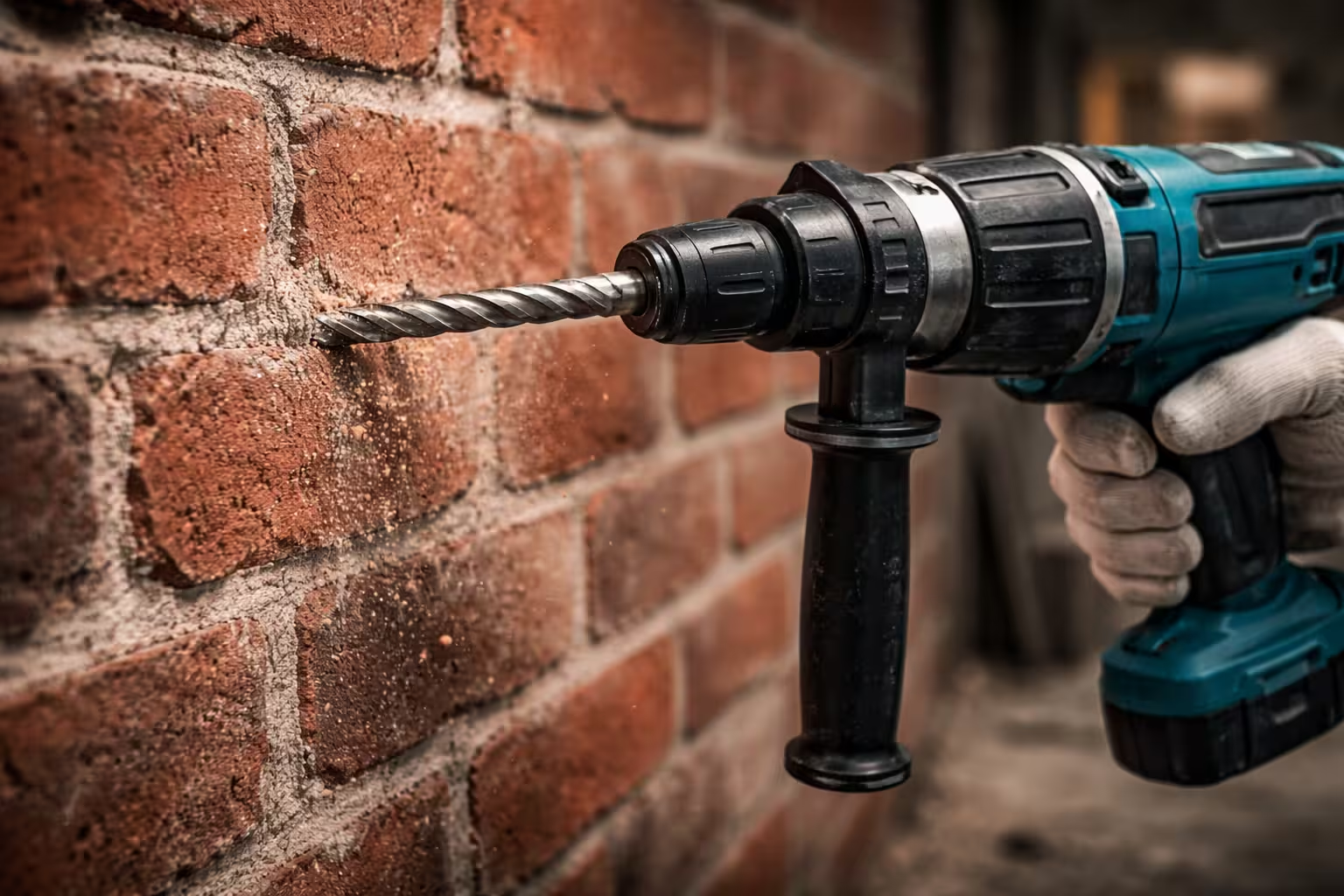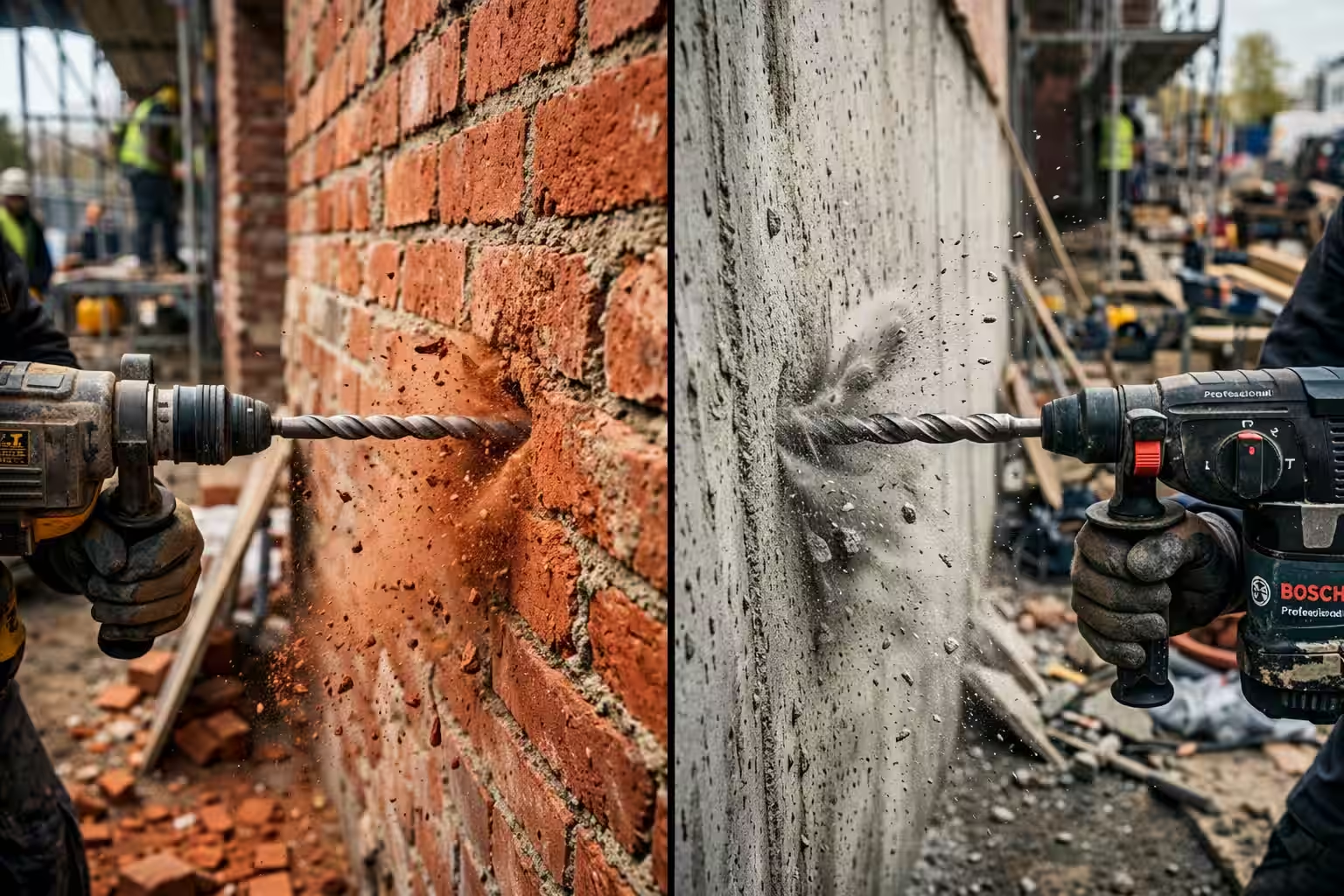
Understanding masonry drill bits vs concrete drill bits is important when drilling into brick, block, or dense concrete materials. Many DIYers and homeowners see the terms masonry drill bit and concrete drill bit used interchangeably, but they are not always exactly the same.
Both types are designed to handle mineral materials, but they differ in strength, design, and ideal applications. Understanding the difference helps you drill faster, avoid damaging your tools, and achieve cleaner holes.
In this guide, we’ll explain how masonry drill bits and concrete drill bits work, their key differences, and when to use each one for your projects.
(Best Drill Bits for Every Material (2026 Complete Guide))
What Are Masonry Drill Bits?
Masonry drill bits are designed for drilling into a wide range of construction materials such as:
- Brick
- Concrete blocks
- Mortar joints
- Natural stone
- Lightweight concrete
Unlike wood or metal drill bits that cut material, masonry bits work by crushing and grinding the surface using a hardened carbide tip.
Most masonry drill bits have three main components:
Carbide Cutting Tip
The tip is made from tungsten carbide, a very hard material that can withstand the friction created when drilling stone-like surfaces.
Steel Body
The body of the bit is typically hardened steel that supports the carbide tip and handles the rotational force of the drill.
Spiral Flutes
These grooves help remove dust and debris from the hole while drilling.
Masonry bits are commonly used with:
- Standard drills
- Hammer drills
For most household drilling tasks in brick or block, a masonry bit works perfectly well.
(Best Drill Bits for Concrete and Masonry)
What Are Concrete Drill Bits?
Concrete drill bits are designed specifically for dense and reinforced concrete, which is significantly harder than materials like brick or mortar.
While they look similar to masonry bits, concrete bits are typically built stronger and used with more powerful drilling tools.
Key features of concrete drill bits include:
Reinforced Carbide Tips
Concrete bits often have thicker carbide heads to withstand the impact forces generated by hammer drills.
Aggressive Flute Design
The spiral grooves are often deeper or wider to quickly remove concrete dust.
SDS or SDS Plus Shanks
Many concrete drill bits use SDS shank systems that lock into hammer drills or rotary hammers.
These features allow concrete bits to handle heavy-duty drilling tasks such as:
- Reinforced concrete walls
- Structural concrete slabs
- Foundations
- Concrete floors
(Best Drill Bit for Concrete (Masonry & SDS Bits Explained))
Masonry Drill Bits vs Concrete Drill Bits
Although the two types share similarities, there are important differences in strength and performance.
| Feature | Masonry Drill Bits | Concrete Drill Bits |
|---|---|---|
| Best material | Brick, mortar, block | Dense or reinforced concrete |
| Drill type | Standard drill or hammer drill | Hammer drill or rotary hammer |
| Carbide tip strength | Standard carbide | Reinforced carbide |
| Durability | Medium-duty drilling | Heavy-duty drilling |
| Typical users | DIY homeowners | Contractors and professionals |
In simple terms, concrete drill bits are a stronger version of masonry bits, designed for tougher drilling jobs.
When Should You Use Masonry Drill Bits?
Masonry bits are ideal for most everyday DIY and home improvement tasks.
They work best for materials like:
- Brick walls
- Concrete blocks
- Mortar joints
- Natural stone
- Pavers
Common home projects include:
- Installing wall anchors
- Mounting shelves
- Hanging outdoor lighting
- Attaching brackets to brick walls
For these jobs, masonry bits offer the perfect balance between durability and versatility.
(Best Drill Bit for Brick and Masonry (Complete Guide))
When Should You Use Concrete Drill Bits?
Concrete drill bits are recommended when drilling into very dense or structural concrete.
These materials require higher impact force and stronger drill bits to penetrate effectively.
Concrete bits are typically used for projects like:
- Drilling anchor holes in concrete slabs
- Installing structural anchors
- Mounting heavy equipment
- Working with reinforced concrete walls
In these situations, using a standard masonry bit may result in:
- Slow drilling
- Overheating
- Premature bit wear
Concrete drill bits paired with a hammer drill or rotary hammer can drill significantly faster and last longer.
(Hammer Drill vs Rotary Hammer: What’s the Difference?)
Can Masonry Drill Bits Drill Into Concrete?
Yes, masonry drill bits can drill into concrete, but performance depends on the hardness of the concrete.
For lightweight or older concrete, masonry bits often work well when used with a hammer drill.
However, when drilling into dense structural concrete, masonry bits may struggle and wear down quickly.
Using a dedicated concrete drill bit provides several advantages:
- Faster drilling speed
- Less heat buildup
- Longer bit lifespan
- Cleaner holes
(Best Drill for Concrete Walls (2026 Guide))
Tips for Drilling Into Concrete or Masonry
Whether you’re using masonry or concrete drill bits, proper technique can significantly improve results.
Use Hammer Mode
Hammer drills combine rotation and impact, making it much easier to drill through mineral materials.
Apply Steady Pressure
Let the drill do the work. Excessive pressure can dull the bit or overheat the drill.
Remove Dust Frequently
Pull the drill bit out every few seconds to clear debris and allow cooling.
Start With a Pilot Hole
For larger holes, drilling a small pilot hole first helps guide the bit and reduce stress.
Common Mistakes When Drilling Concrete or Brick
Many DIYers damage drill bits by making simple mistakes.
Some of the most common include:
- Using wood or metal drill bits on masonry
- Drilling without hammer mode
- Applying too much pressure
- Not clearing dust from the hole
- Using dull drill bits
Avoiding these mistakes can dramatically extend the life of your drill bits and improve drilling performance.
Final Verdict
Both masonry drill bits and concrete drill bits are essential tools for working with construction materials.
- Masonry drill bits are versatile and ideal for brick, mortar, and lighter concrete.
- Concrete drill bits are built for heavy-duty drilling into dense or reinforced concrete.
For most homeowners and DIY projects, masonry bits will handle the majority of tasks. However, if you regularly drill into concrete slabs or foundations, investing in dedicated concrete drill bits is the better choice.
Choosing the right drill bit not only makes drilling easier but also protects your tools and produces cleaner, more accurate holes.
Masonry vs Concrete Drill Bit FAQs
Frequently Asked Questions About Masonry vs Concrete Drill Bits
What is the difference between masonry drill bits and concrete drill bits?
Masonry drill bits are designed to drill into brick, mortar, stone, and lighter masonry materials, while concrete drill bits are built to handle harder materials like reinforced concrete. Concrete bits often have stronger carbide tips and are commonly used with hammer drills or rotary hammer drills.
Can masonry drill bits be used on concrete?
Yes, masonry drill bits can drill into light or soft concrete, but they may wear out quickly when used on very hard or reinforced concrete. For heavy-duty concrete drilling, SDS concrete drill bits are usually more effective.
What drill should you use for masonry and concrete?
A hammer drill works well for most masonry and light concrete drilling. For harder concrete or larger holes, a rotary hammer drill with SDS bits provides more impact power and drilling efficiency.
What does SDS mean for concrete drill bits?
SDS stands for Slotted Drive System, a special shank design that allows drill bits to lock into rotary hammer drills. SDS bits transfer more hammering force into the material, making them ideal for drilling hard concrete.
Can you drill brick with concrete drill bits?
Yes. Concrete drill bits can drill through brick and other masonry materials, but they are typically designed for tougher materials. In many cases, standard masonry bits are sufficient for brick drilling.
What speed should you drill masonry or concrete at?
Concrete and masonry should be drilled at moderate speed with steady pressure. Let the hammering action of the drill do most of the work rather than forcing the drill bit into the material.
Why does my masonry drill bit stop drilling?
A masonry drill bit may stop drilling due to dull carbide tips, excessive heat, hitting rebar, or dust buildup inside the hole. Pulling the drill bit out periodically to clear dust can improve drilling performance.
What size drill bit should you use for masonry anchors?
The drill bit size should match the diameter of the masonry anchor or wall plug you plan to install. For example, a 6 mm wall plug typically requires a 6 mm masonry drill bit.
Can masonry drill bits drill through stone?
Yes. Masonry drill bits can drill through many types of stone, brick, mortar, and concrete, although very dense stone may require stronger bits or rotary hammer drilling.