The best concrete anchor kits for homeowners make it easier to tackle a wide range of DIY projects without buying anchors one by one. Whether you’re mounting shelves, securing a TV, installing garage storage, or working on light outdoor projects, a quality anchor kit provides the right sizes and anchor types for safe, reliable fastening in concrete and masonry.
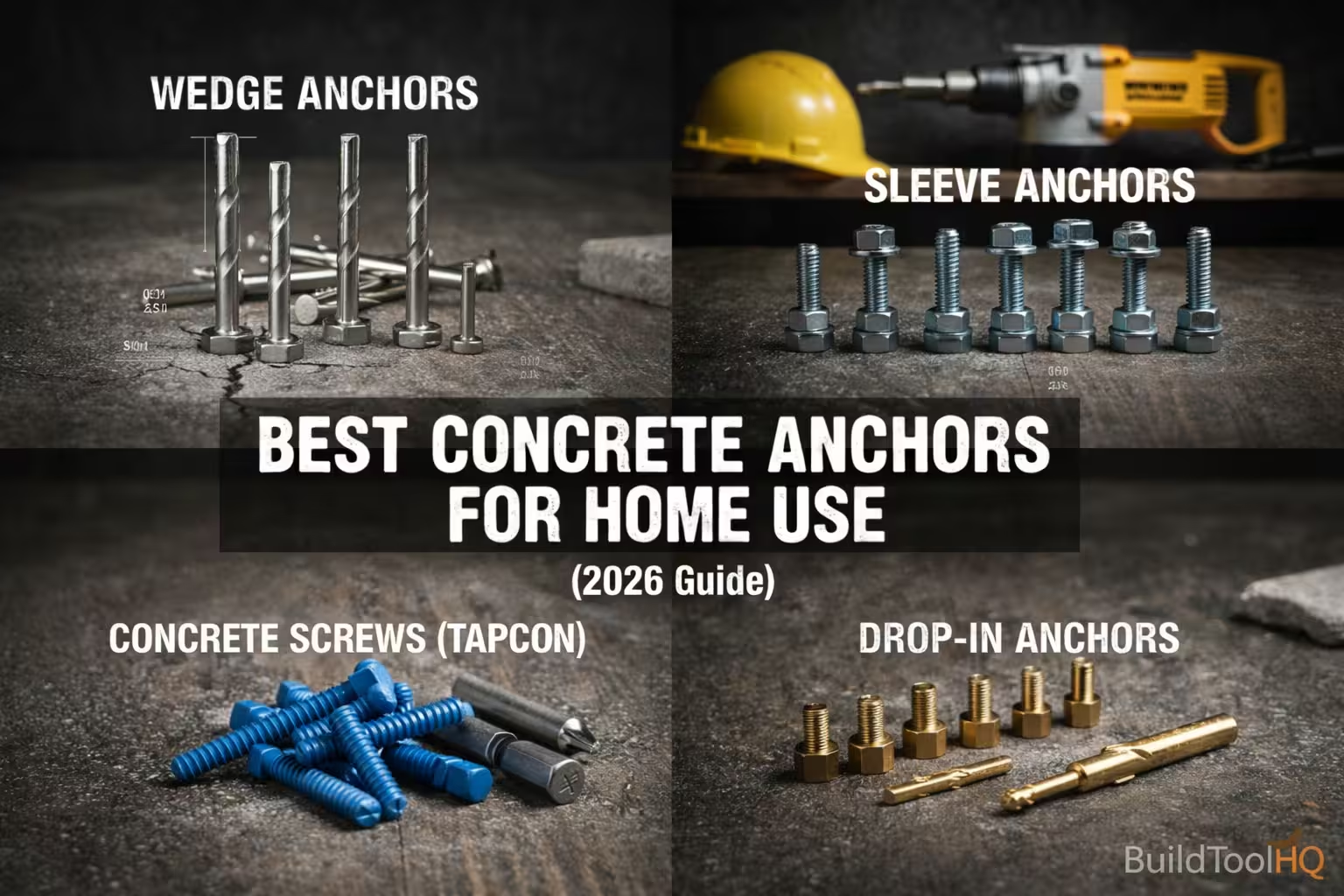
If you’re new to concrete anchoring, start with (Best Concrete Anchors for Home Use – 2026 Guide) to understand anchor basics before choosing a kit.
What Is a Concrete Anchor Kit?
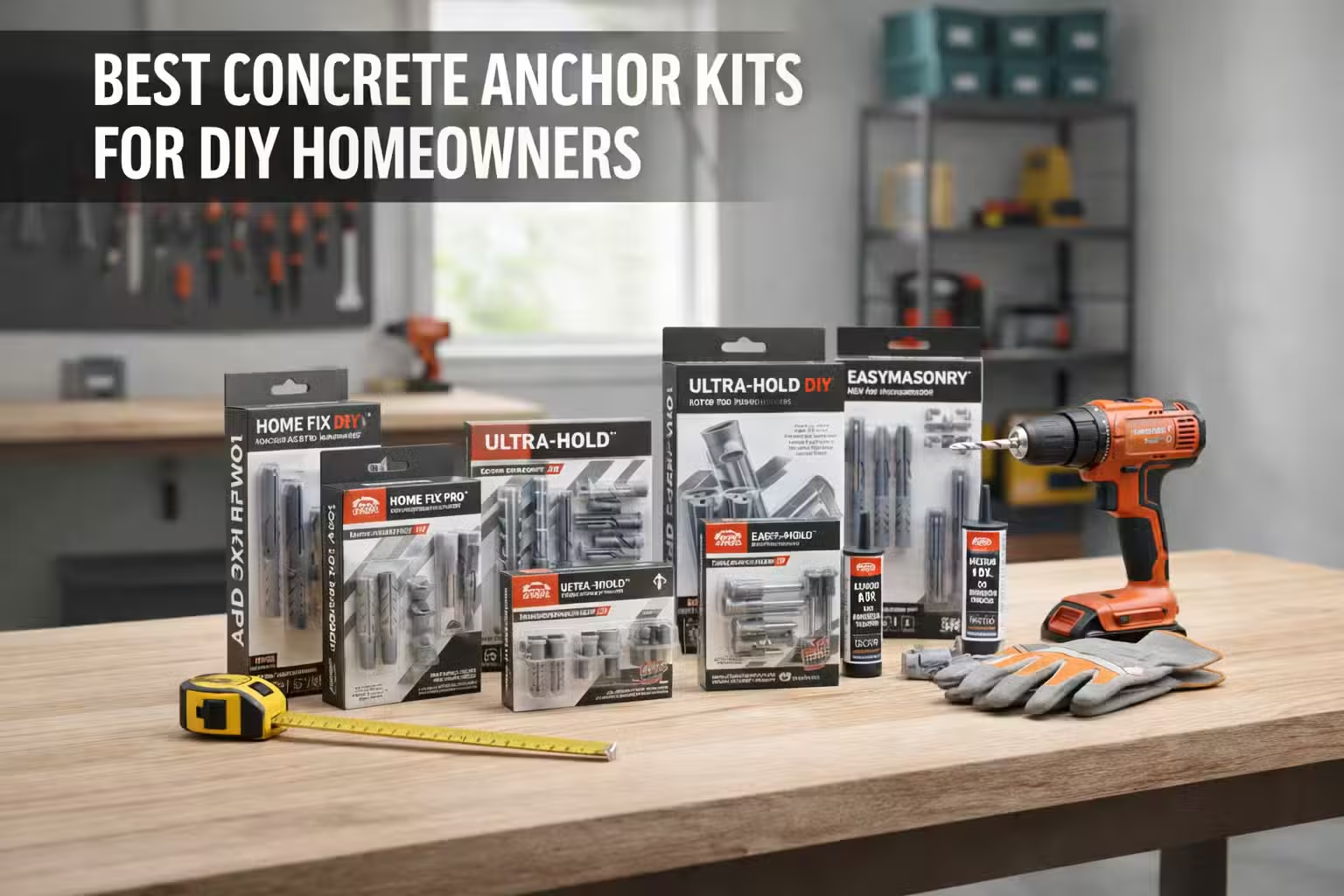
A concrete anchor kit is a bundled assortment of anchors designed to handle multiple household applications. Instead of buying individual fasteners for each project, a kit gives you a range of sizes and styles in one package.
Most homeowner-focused kits include:
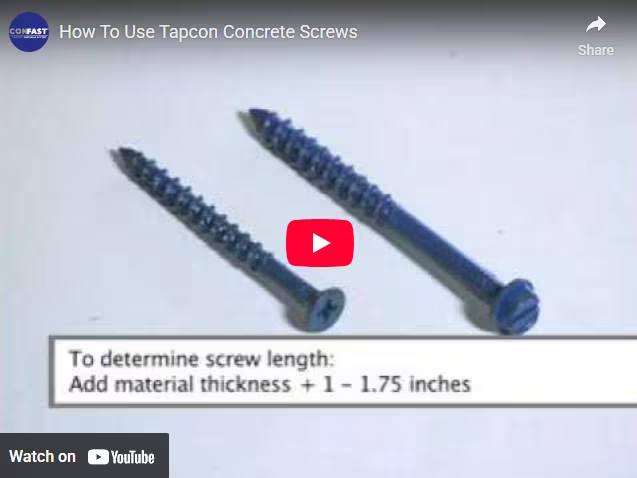
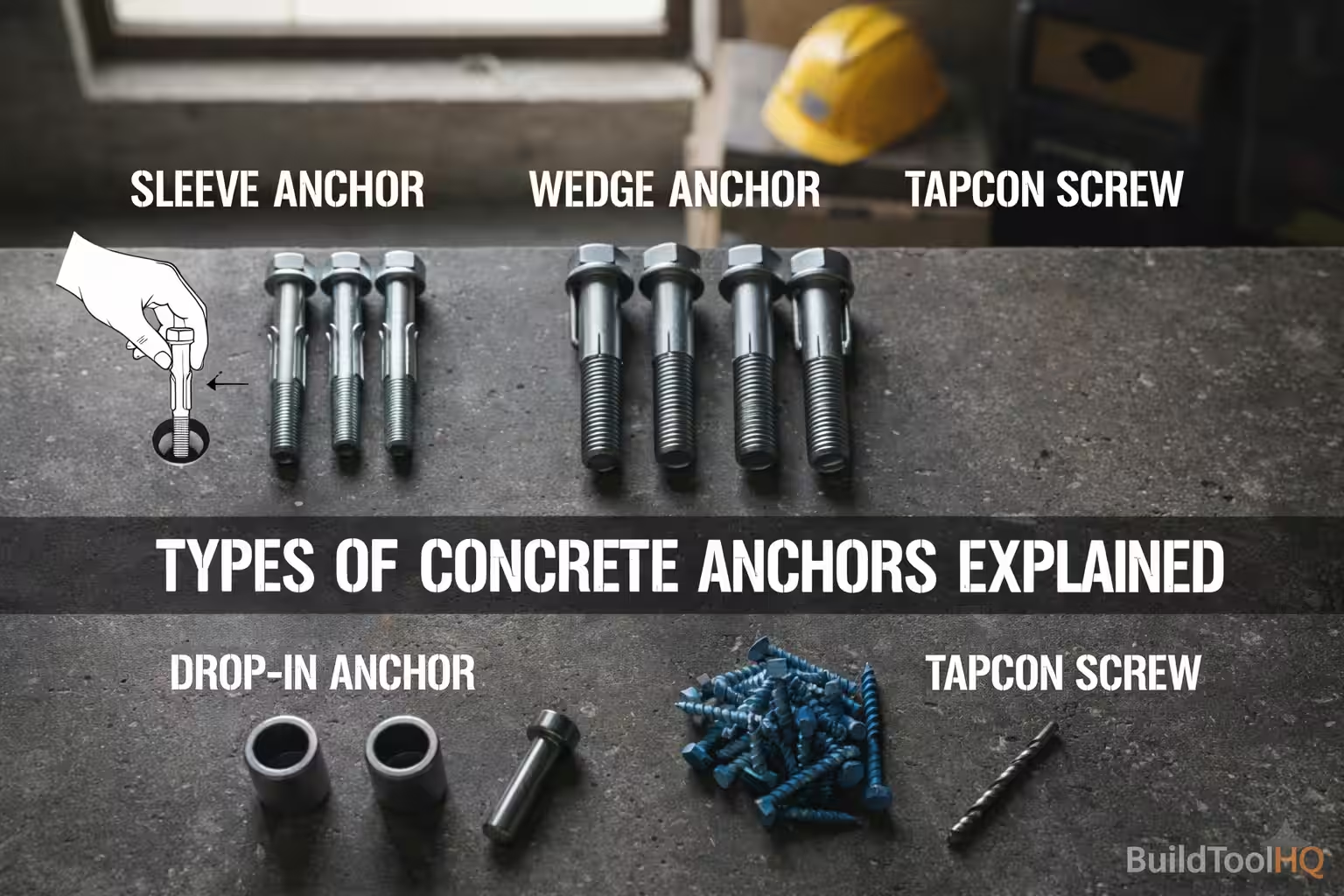
- Tapcon-style concrete screws
- Sleeve anchors
- Small wedge anchors or drop-in anchors
- Masonry drill bits (in higher-quality kits)
If you’re unsure which anchor is best for each job, use (Concrete Anchor Selection Chart – Homeowner’s Quick Reference Guide) before installing.
Best Types of Concrete Anchor Kits for DIY Homeowners
Not all anchor kits are created equal. The best homeowner kits prioritize versatility, safety, and ease of installation.
1️⃣ Tapcon Screw Kits (Best for Light-Duty Projects)
Tapcon screws are ideal for:
- Wall-mounted shelves
- TV mounts into concrete
- Wood-to-concrete fastening
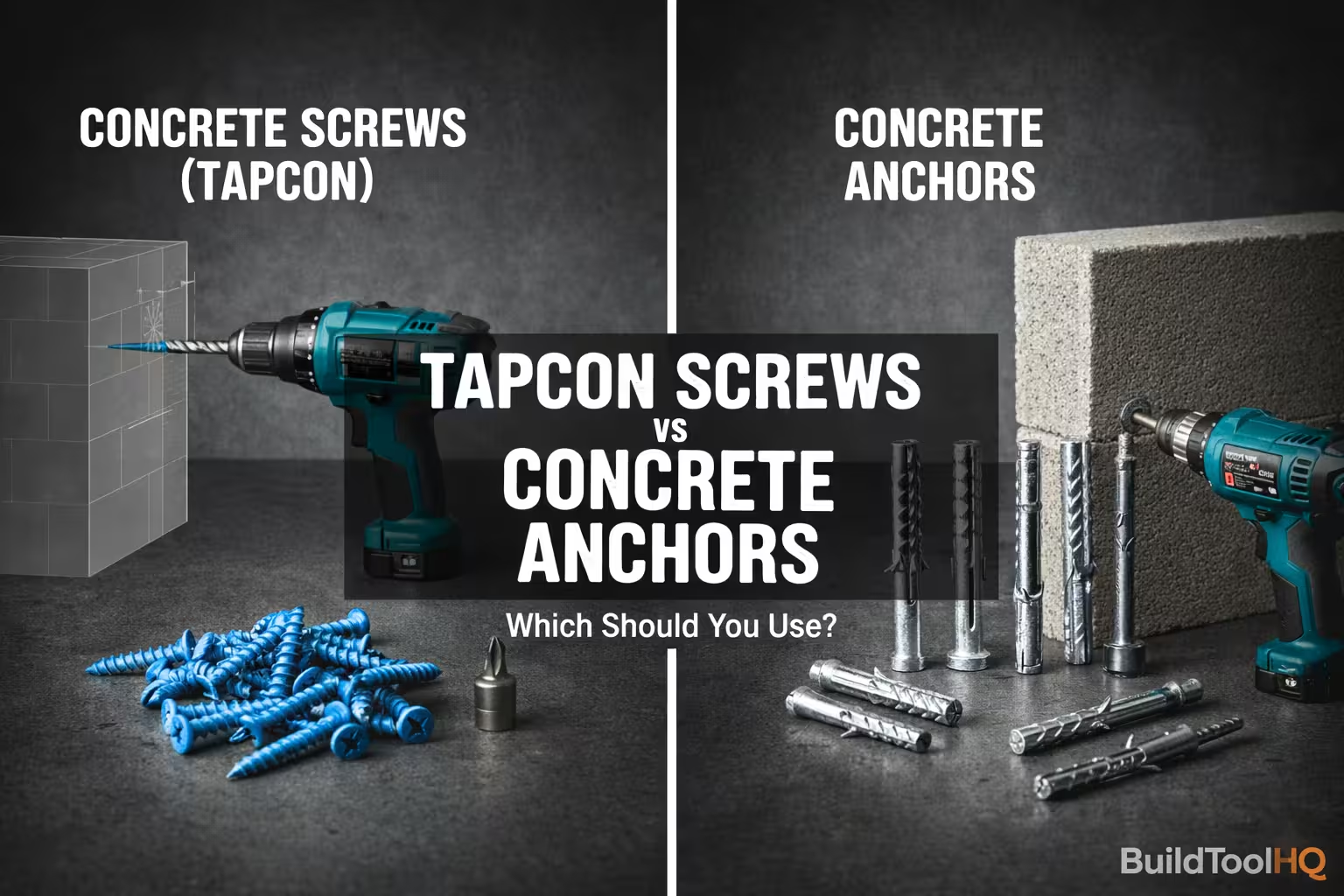
They’re quick to install, removable, and forgiving for DIY use. However, they are not designed for heavy structural loads.
For a full comparison, see (Tapcon Screws vs Concrete Anchors: Which Should You Use?).
2️⃣ Sleeve Anchor Kits (Best All-Around Option)
Sleeve anchors are the most versatile anchors found in homeowner kits. They perform well in:
- Solid concrete
- Brick
- Concrete block (CMU)
Because sleeve anchors distribute expansion forces more evenly, they’re safer for mixed masonry projects.
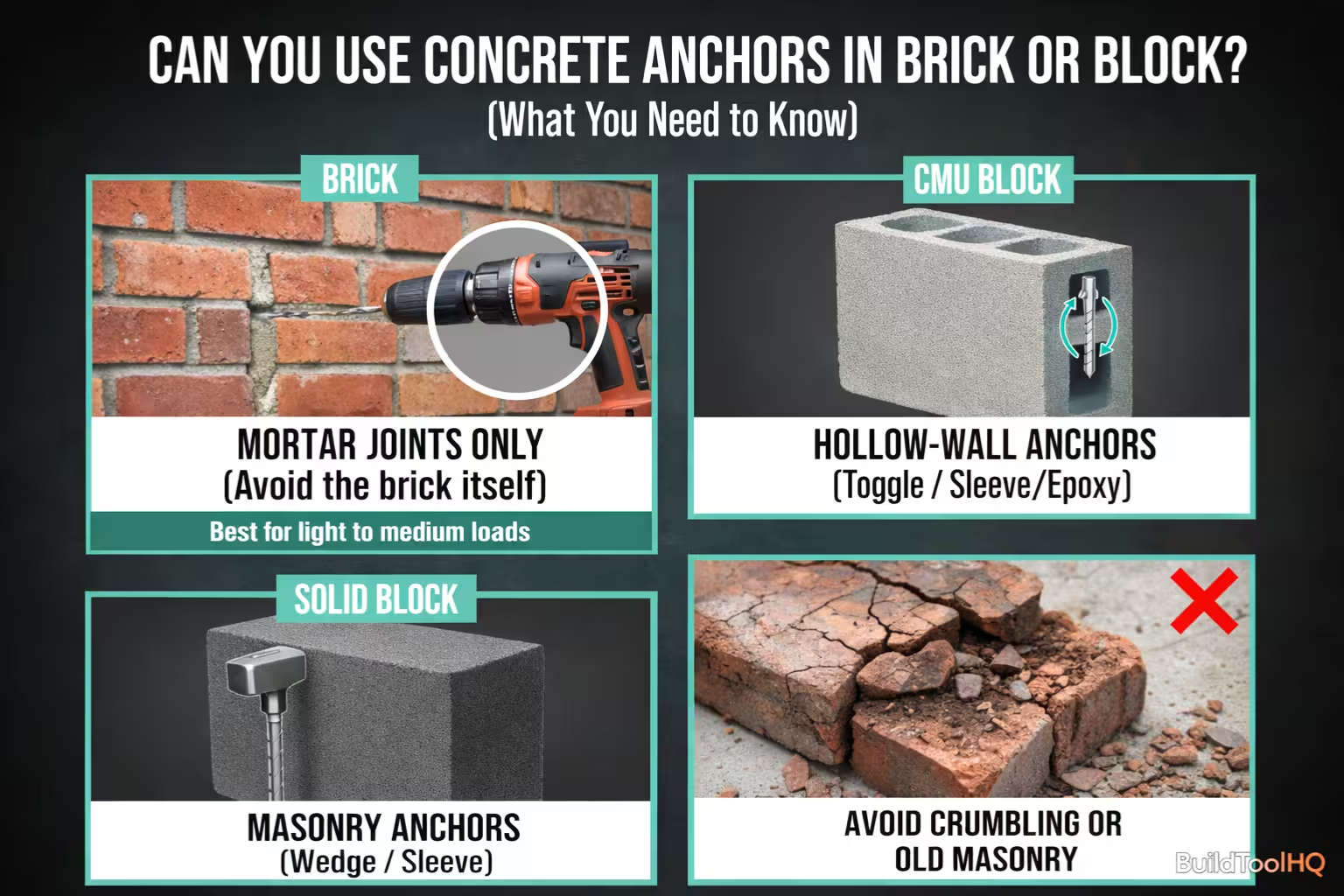
If you plan to anchor into masonry, read (Can You Use Concrete Anchors in Brick or Block?) before choosing wedge anchors.
3️⃣ Wedge Anchor Kits (For Heavier Loads)
Some premium kits include small wedge anchors for:
- Deck posts
- Railings
- Structural brackets
Wedge anchors provide the highest holding strength, but they require proper drilling, spacing, and edge distance.
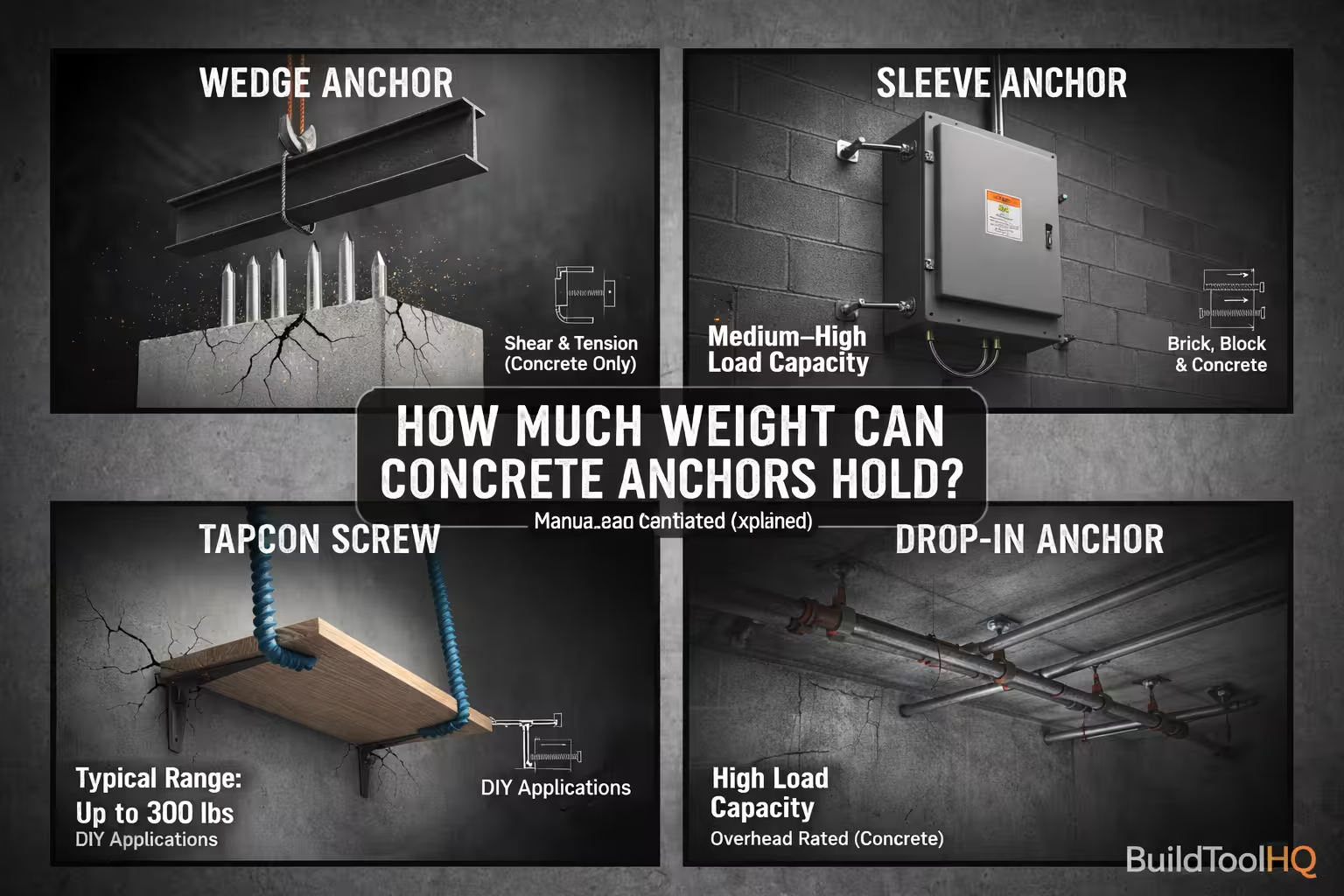
Before using them, review (How Much Weight Can Concrete Anchors Hold?) to confirm safety limits.
What to Look for in the Best Concrete Anchor Kits (2026)
When comparing kits, focus on quality and usability, not just the number of pieces.
✔ Multiple Sizes
A good homeowner kit should include at least:
- 3/16″
- 1/4″
- 3/8″
Using the correct size allows you to match anchor strength to the job instead of over- or under-engineering.
✔ Clear Load Ratings
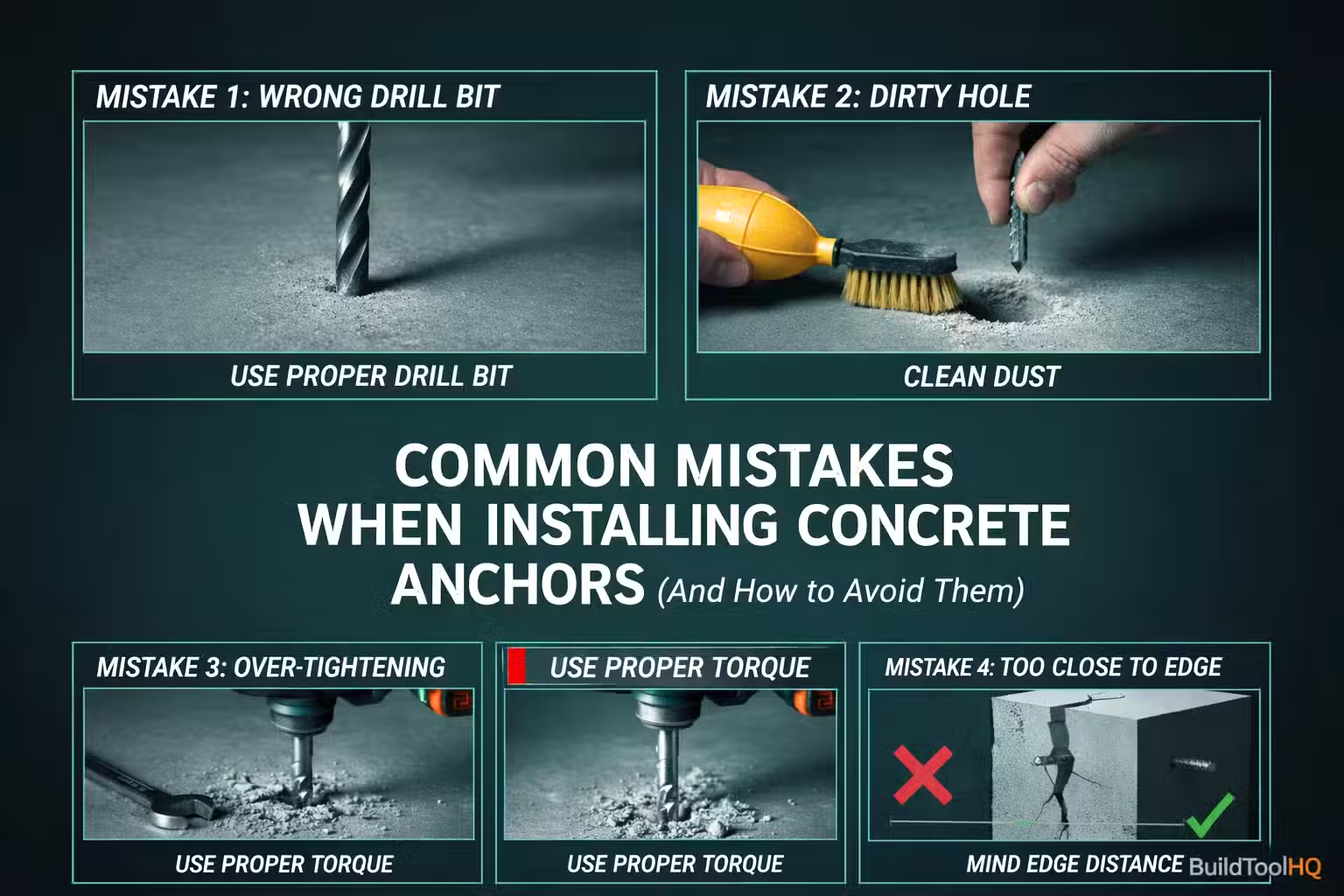
Avoid kits that don’t specify load capacity. Improper load matching is one of the most common DIY mistakes, explained in (Common Concrete Anchor Mistakes (And How to Avoid Them)).
✔ Corrosion Resistance
For garages, basements, or outdoor projects, zinc-plated or stainless anchors last significantly longer.
✔ Correct Drill Bits Included
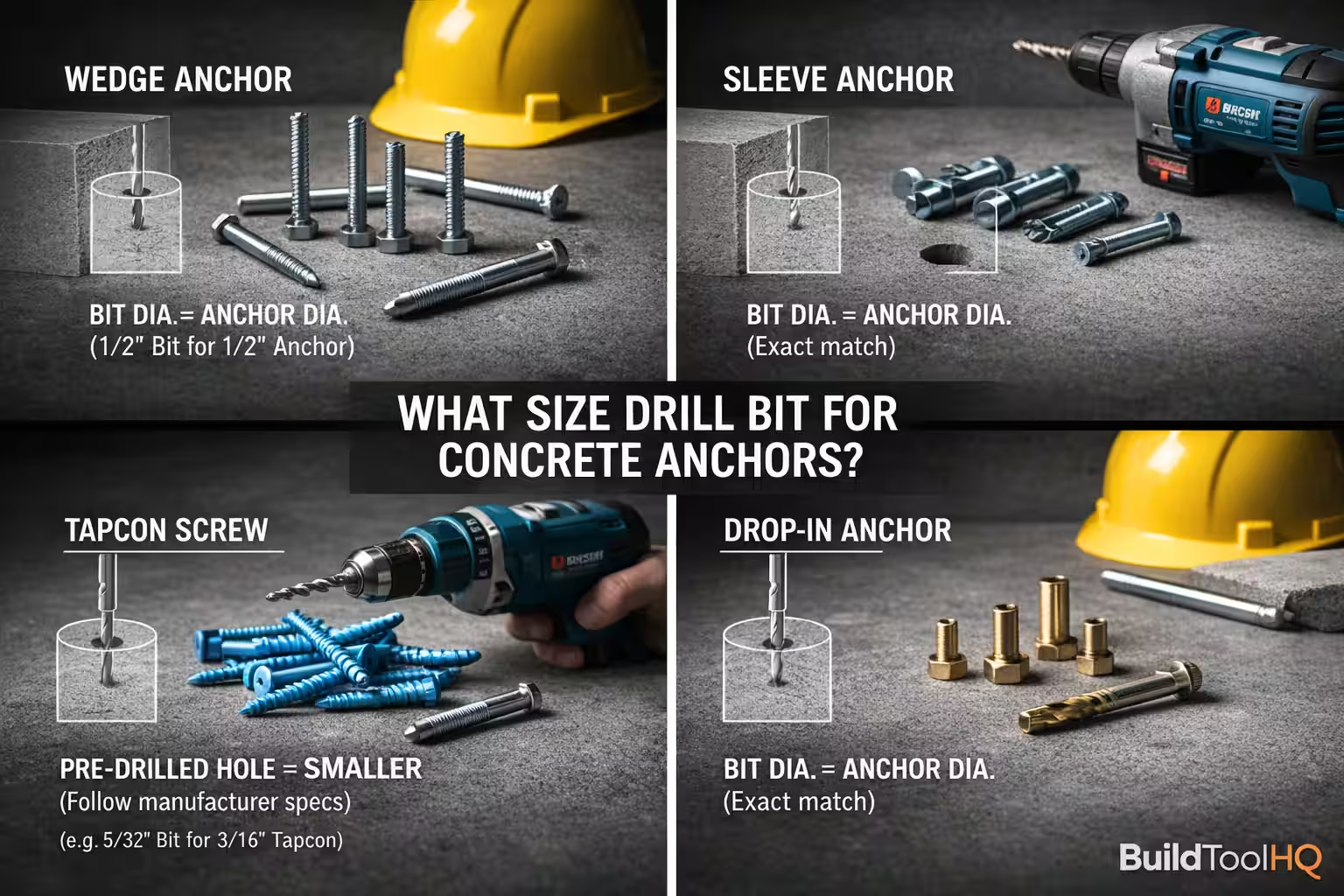
Using the wrong drill bit can ruin anchor performance. Always match bit size exactly, as explained in (What Size Drill Bit for Concrete Anchors?).
If you’re unsure your drill is suitable, review (Best Drill for Concrete Walls (2025 Guide)) or (Best Drill for Home Use (2026 Guide)) before starting.
Are Concrete Anchor Kits Safe for Heavy Loads?
Concrete anchor kits are best suited for light to medium-duty household projects. For overhead or safety-critical applications—such as suspended piping, water heaters, or structural steel—individual anchors rated for the exact load are safer than general-purpose kits.
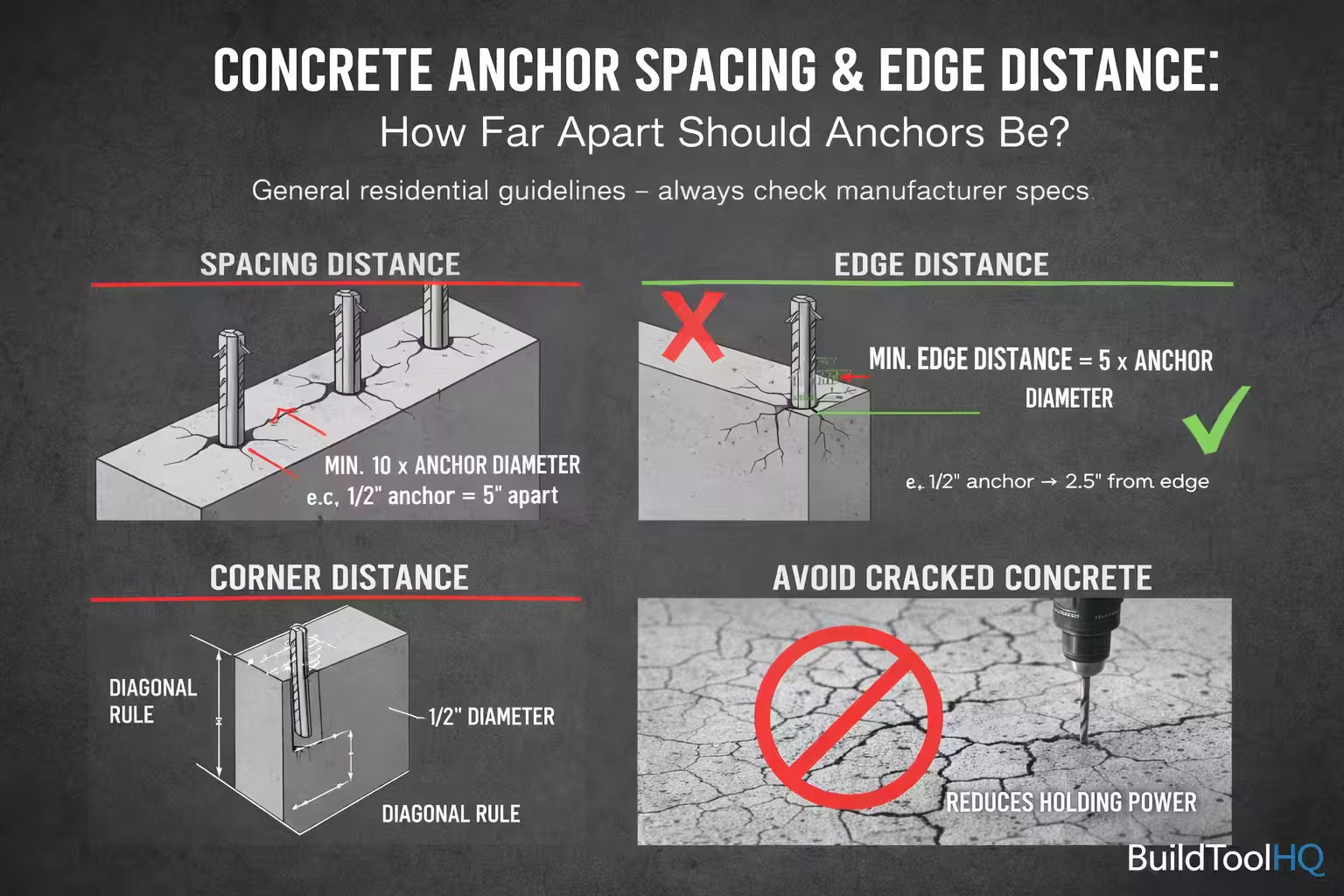
Spacing and edge distance also matter. Poor placement weakens even strong anchors, so review (Concrete Anchor Spacing & Edge Distance: How Far Apart Should Anchors Be?) before heavier installations.
Installation Tips for Kit-Based Anchors
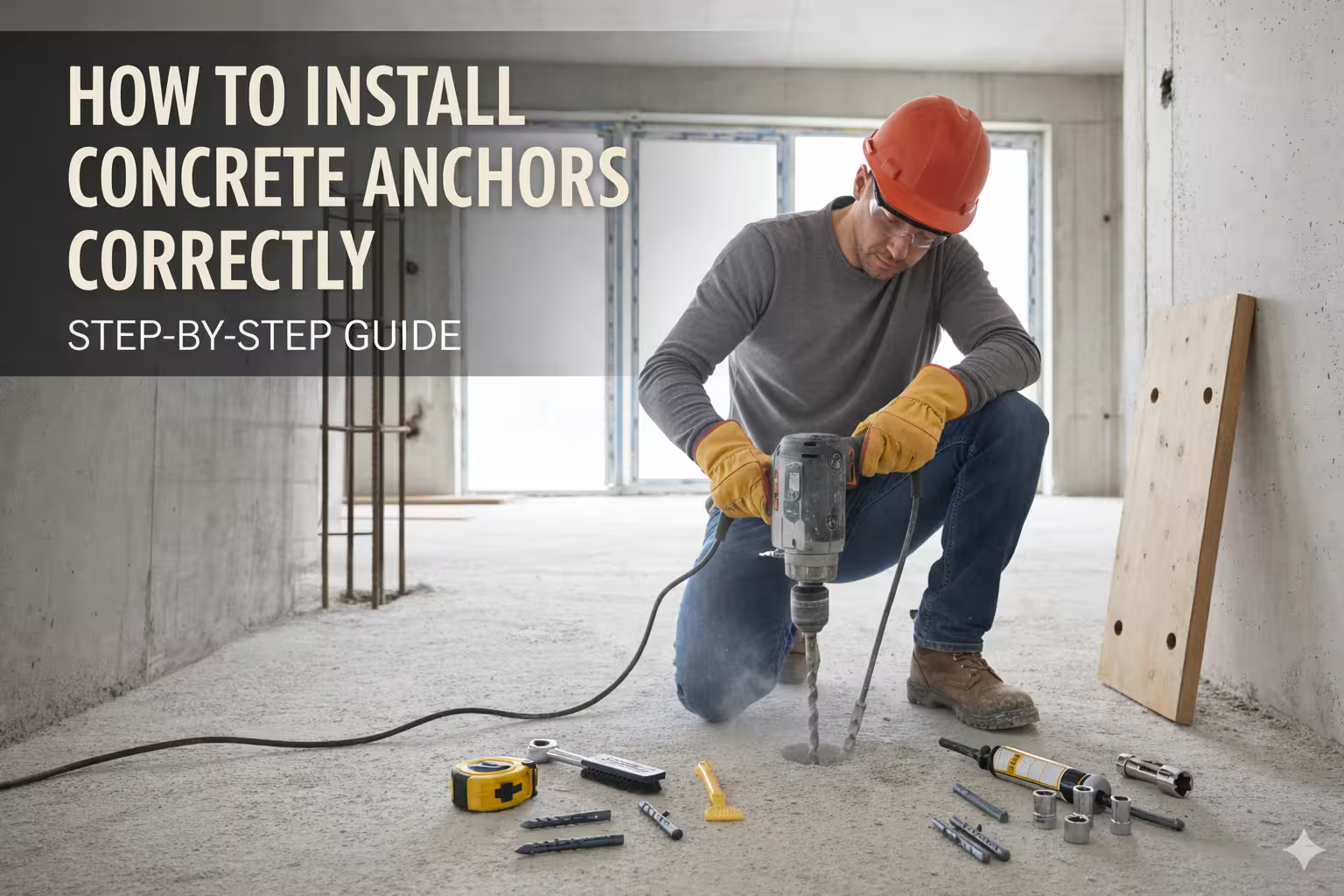
Even the best anchor kit will fail if installed incorrectly. Always:
- Drill to the correct depth
- Clean dust from the hole
- Avoid cracked or deteriorated concrete
- Tighten anchors to recommended torque
For a complete walkthrough, follow (How to Install Concrete Anchors Correctly – Step-by-Step Guide).
Final Verdict: Are Concrete Anchor Kits Worth It?
✅ Yes—for most DIY homeowners.
Concrete anchor kits save money, reduce trips to the hardware store, and ensure you always have the right fastener on hand. The best kits combine Tapcon screws and sleeve anchors, cover multiple sizes, and provide clear load guidance.
For heavy or safety-critical installations, individual anchors remain the better choice—but for everyday home projects, a quality concrete anchor kit is one of the most practical additions to your toolbox.
Frequently Asked Questions
Q: Are concrete anchor kits strong enough for home use?
A: Yes. Most kits are designed for light to medium-duty household projects such as shelves, TV mounts, and garage storage.
Q: What anchor types are usually included in concrete anchor kits?
A: Most kits include Tapcon screws, sleeve anchors, and sometimes wedge or drop-in anchors in multiple sizes.
Q: Can I use concrete anchor kits in brick or block?
A: Some anchors in kits work in brick or CMU, but sleeve anchors are usually the safest option for masonry applications.