Category: Tool Comparisons

  • Titanium vs Cobalt Drill Bits: Which Is Better? (Complete Guide)

    Titanium vs Cobalt Drill Bits: Which Is Better? (Complete Guide)

    When drilling into metal, choosing the right drill bit can make a huge difference in performance, durability, and hole quality. Two of the most common drill bits used for metal drilling are titanium drill bits and cobalt drill bits.

    Both types are designed to drill into metal efficiently, but they perform differently depending on the material being drilled.

    In this guide, we’ll compare titanium vs cobalt drill bits, explain their advantages and disadvantages, and help you choose the best option for your projects.

    If you want a broader overview of drill bits for all materials, see (Best Drill Bits for Every Material (2026 Complete Guide)).


    Titanium vs Cobalt Drill Bits Comparison

    Before diving into the details, here is a quick comparison of these two drill bit types.

    Drill Bit TypeBest ForDurabilityHeat ResistanceTypical Use
    Titanium Drill BitsSoft metalsMediumModerateAluminum, copper
    Cobalt Drill BitsHard metalsVery highExcellentStainless steel, hardened steel

    Both drill bits are designed for metal drilling, but they behave differently under heat and stress.


    What Are Titanium Drill Bits?

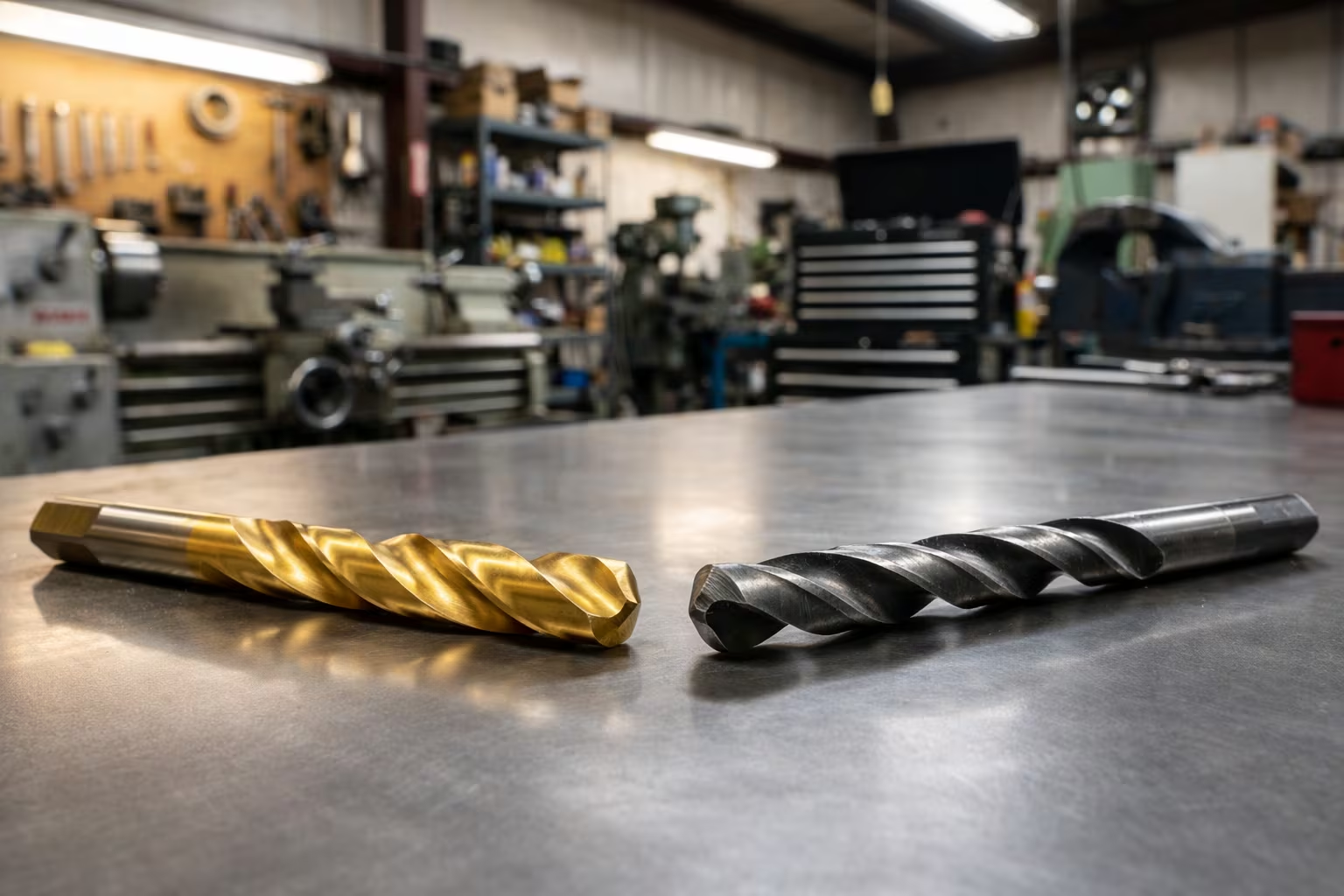
    Titanium drill bits are typically high-speed steel (HSS) drill bits coated with titanium nitride.

    The titanium coating improves durability and reduces friction when drilling.

    Key benefits of titanium drill bits include:

    • reduced heat buildup
    • smoother drilling
    • longer lifespan than standard HSS bits
    • improved corrosion resistance

    Titanium drill bits are commonly used for drilling:

    • aluminum
    • copper
    • brass
    • thin steel

    Because of their coating, these bits stay sharper longer than regular HSS drill bits.

    However, once the coating wears off, the drill bit performs like a standard steel drill bit.


    What Are Cobalt Drill Bits?

    Cobalt drill bits are made from a steel alloy that contains cobalt, rather than being coated like titanium bits.

    This means the cobalt material runs through the entire drill bit, not just the surface.

    Cobalt drill bits are designed to handle extreme heat and harder metals.

    They are commonly used for drilling:

    • stainless steel
    • hardened steel
    • cast iron
    • high-tensile metals

    Because cobalt drill bits tolerate high temperatures, they maintain sharp cutting edges even during heavy drilling.

    This makes them ideal for tougher metal drilling applications.


    Durability Comparison

    One of the biggest differences between titanium and cobalt drill bits is durability.

    Titanium drill bits rely on a surface coating for improved performance.

    Over time, this coating can wear away, especially if the drill bit is used frequently.

    Cobalt drill bits are different because the cobalt material is mixed into the metal itself.

    This means the drill bit maintains its strength and heat resistance even after long use.

    As a result, cobalt drill bits generally last longer when drilling hard metals.


    Heat Resistance

    Heat buildup is a major factor when drilling metal.

    High friction generates heat, which can dull or damage drill bits.

    Titanium drill bits help reduce friction due to their coating, but they still have limits.

    Cobalt drill bits perform much better in high-temperature conditions.

    Because of their alloy composition, they maintain cutting performance even when drilling tough metals like stainless steel.

    If drill bits frequently overheat, see (Why Drill Bits Burn or Break (And How to Prevent It)).


    Best Applications for Titanium Drill Bits

    Titanium drill bits work well for lighter metal drilling tasks.

    They are ideal for:

    • aluminum drilling
    • sheet metal
    • copper pipes
    • soft steel

    These drill bits are commonly used by homeowners and DIY users because they are affordable and versatile.

    For many general home projects, titanium drill bits perform very well.


    Best Applications for Cobalt Drill Bits

    Cobalt drill bits are designed for more demanding applications.

    They are commonly used for:

    • stainless steel drilling
    • hardened metal
    • cast iron
    • industrial metal drilling

    Because cobalt bits resist heat and wear, they are widely used in professional workshops and metal fabrication.

    If you’re drilling steel frequently, see (Best Drill Bit for Steel and Metal).


    Which Drill Bit Is Better?

    The answer depends on the material you are drilling.

    Titanium drill bits are better for:

    • aluminum
    • copper
    • soft metals
    • general DIY projects

    Cobalt drill bits are better for:

    • stainless steel
    • hardened metals
    • heavy-duty metal drilling

    For most homeowners, titanium drill bits are usually sufficient.

    However, if you’re drilling stainless steel or hard metals, cobalt drill bits are the better choice.


    Drilling Tips for Metal

    Even with the right drill bit, technique is extremely important when drilling metal.

    Use cutting oil

    Cutting oil reduces friction and heat.

    Drill slowly

    Slower drill speeds produce cleaner holes and protect the drill bit.

    Apply steady pressure

    Let the drill bit cut gradually without forcing it.

    Use proper drill power

    The drill itself also affects performance.

    To understand drill power requirements, see (What Drill Power Do You Really Need?).

    You can also see recommended drills for DIY work in (Best Drill for Home Use (2026 Guide)).


    Final Thoughts

    Both titanium and cobalt drill bits are excellent tools for metal drilling, but they are designed for different tasks.

    Quick recap:

    • Titanium drill bits are great for soft metals and DIY use
    • Cobalt drill bits are best for hard metals and heavy-duty drilling
    • Heat resistance is the main advantage of cobalt drill bits

    Choosing the right drill bit for the job improves drilling speed, hole quality, and tool lifespan.

    For a complete overview of drill bits used across materials, see (Best Drill Bits for Every Material (2026 Complete Guide)).

    Titanium vs Cobalt Drill Bit FAQs

    Frequently Asked Questions About Titanium vs Cobalt Drill Bits

    What is the difference between titanium and cobalt drill bits?

    Titanium drill bits are typically high-speed steel (HSS) bits coated with titanium nitride, which reduces friction and increases durability. Cobalt drill bits are made from steel alloys containing cobalt, allowing them to withstand higher temperatures and drill harder metals.


    Which drill bit is better for metal: titanium or cobalt?

    Cobalt drill bits are generally better for hard metals such as stainless steel or hardened steel because they resist heat and maintain their cutting edge longer. Titanium-coated bits are better suited for softer metals like aluminum, copper, and mild steel.


    Do titanium drill bits last longer than cobalt bits?

    Titanium-coated bits can last longer than standard HSS bits, but cobalt drill bits usually last longer when drilling hard metals. Titanium coatings eventually wear off, while cobalt is mixed into the steel itself.


    Can you sharpen titanium drill bits?

    Titanium drill bits can technically be sharpened, but once the titanium coating is removed during sharpening, the bit loses some of its friction-reducing properties.


    Can you sharpen cobalt drill bits?

    Yes. Cobalt drill bits can be resharpened multiple times without losing their heat resistance because cobalt is part of the metal alloy rather than a surface coating.


    What materials are titanium drill bits best for?

    Titanium-coated drill bits are best for:

    • Aluminum
    • Copper
    • Brass
    • Plastic
    • Wood
    • Mild steel

    They are a good option for general-purpose drilling tasks.


    What materials are cobalt drill bits best for?

    Cobalt drill bits are ideal for drilling hard and heat-resistant metals, including:

    • Stainless steel
    • Hardened steel
    • Cast iron
    • High-strength alloys

    They are commonly used in industrial and metalworking applications.


    Why do drill bits turn blue when drilling metal?

    Drill bits can turn blue due to excessive heat buildup during drilling. This often happens when drilling at high speeds, applying too much pressure, or not using cutting oil.


    Should you use cutting oil when drilling metal?

    Yes. Using cutting oil or lubricant reduces heat and friction when drilling metal, helping drill bits last longer and cut more efficiently.
  • Masonry Drill Bits vs Concrete Drill Bits: What’s the Difference?

    Masonry Drill Bits vs Concrete Drill Bits: What’s the Difference?

    Understanding masonry drill bits vs concrete drill bits is important when drilling into brick, block, or dense concrete materials. Many DIYers and homeowners see the terms masonry drill bit and concrete drill bit used interchangeably, but they are not always exactly the same.

    Both types are designed to handle mineral materials, but they differ in strength, design, and ideal applications. Understanding the difference helps you drill faster, avoid damaging your tools, and achieve cleaner holes.

    In this guide, we’ll explain how masonry drill bits and concrete drill bits work, their key differences, and when to use each one for your projects.

    (Best Drill Bits for Every Material (2026 Complete Guide))


    What Are Masonry Drill Bits?

    Masonry drill bits are designed for drilling into a wide range of construction materials such as:

    • Brick
    • Concrete blocks
    • Mortar joints
    • Natural stone
    • Lightweight concrete

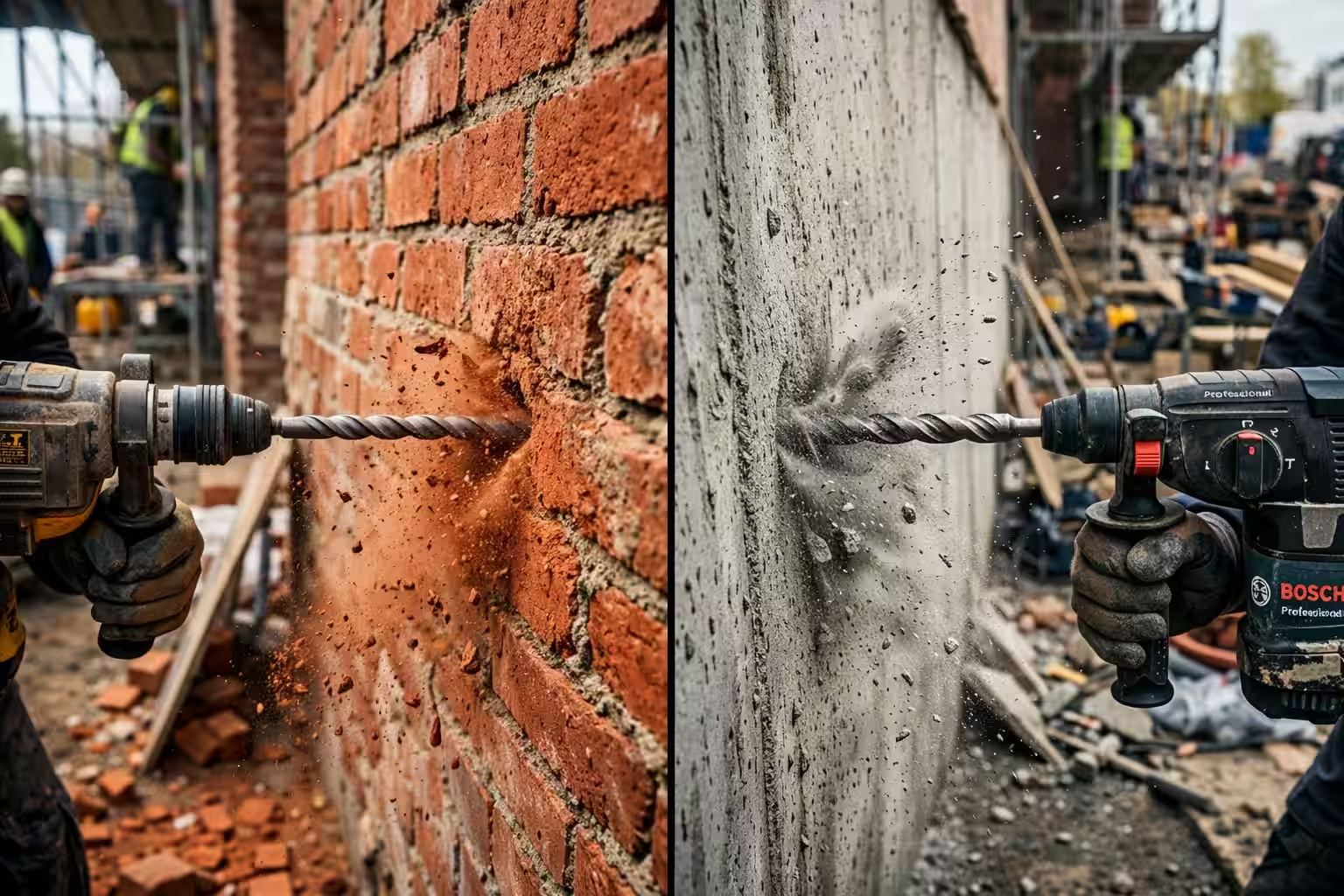
    Unlike wood or metal drill bits that cut material, masonry bits work by crushing and grinding the surface using a hardened carbide tip.

    Most masonry drill bits have three main components:

    Carbide Cutting Tip
    The tip is made from tungsten carbide, a very hard material that can withstand the friction created when drilling stone-like surfaces.

    Steel Body
    The body of the bit is typically hardened steel that supports the carbide tip and handles the rotational force of the drill.

    Spiral Flutes
    These grooves help remove dust and debris from the hole while drilling.

    Masonry bits are commonly used with:

    • Standard drills
    • Hammer drills

    For most household drilling tasks in brick or block, a masonry bit works perfectly well.

    (Best Drill Bits for Concrete and Masonry)


    What Are Concrete Drill Bits?

    Concrete drill bits are designed specifically for dense and reinforced concrete, which is significantly harder than materials like brick or mortar.

    While they look similar to masonry bits, concrete bits are typically built stronger and used with more powerful drilling tools.

    Key features of concrete drill bits include:

    Reinforced Carbide Tips
    Concrete bits often have thicker carbide heads to withstand the impact forces generated by hammer drills.

    Aggressive Flute Design
    The spiral grooves are often deeper or wider to quickly remove concrete dust.

    SDS or SDS Plus Shanks
    Many concrete drill bits use SDS shank systems that lock into hammer drills or rotary hammers.

    These features allow concrete bits to handle heavy-duty drilling tasks such as:

    • Reinforced concrete walls
    • Structural concrete slabs
    • Foundations
    • Concrete floors

    (Best Drill Bit for Concrete (Masonry & SDS Bits Explained))


    Masonry Drill Bits vs Concrete Drill Bits

    Although the two types share similarities, there are important differences in strength and performance.

    FeatureMasonry Drill BitsConcrete Drill Bits
    Best materialBrick, mortar, blockDense or reinforced concrete
    Drill typeStandard drill or hammer drillHammer drill or rotary hammer
    Carbide tip strengthStandard carbideReinforced carbide
    DurabilityMedium-duty drillingHeavy-duty drilling
    Typical usersDIY homeownersContractors and professionals

    In simple terms, concrete drill bits are a stronger version of masonry bits, designed for tougher drilling jobs.


    When Should You Use Masonry Drill Bits?

    Masonry bits are ideal for most everyday DIY and home improvement tasks.

    They work best for materials like:

    • Brick walls
    • Concrete blocks
    • Mortar joints
    • Natural stone
    • Pavers

    Common home projects include:

    • Installing wall anchors
    • Mounting shelves
    • Hanging outdoor lighting
    • Attaching brackets to brick walls

    For these jobs, masonry bits offer the perfect balance between durability and versatility.

    (Best Drill Bit for Brick and Masonry (Complete Guide))


    When Should You Use Concrete Drill Bits?

    Concrete drill bits are recommended when drilling into very dense or structural concrete.

    These materials require higher impact force and stronger drill bits to penetrate effectively.

    Concrete bits are typically used for projects like:

    • Drilling anchor holes in concrete slabs
    • Installing structural anchors
    • Mounting heavy equipment
    • Working with reinforced concrete walls

    In these situations, using a standard masonry bit may result in:

    • Slow drilling
    • Overheating
    • Premature bit wear

    Concrete drill bits paired with a hammer drill or rotary hammer can drill significantly faster and last longer.

    (Hammer Drill vs Rotary Hammer: What’s the Difference?)


    Can Masonry Drill Bits Drill Into Concrete?

    Yes, masonry drill bits can drill into concrete, but performance depends on the hardness of the concrete.

    For lightweight or older concrete, masonry bits often work well when used with a hammer drill.

    However, when drilling into dense structural concrete, masonry bits may struggle and wear down quickly.

    Using a dedicated concrete drill bit provides several advantages:

    • Faster drilling speed
    • Less heat buildup
    • Longer bit lifespan
    • Cleaner holes

    (Best Drill for Concrete Walls (2026 Guide))


    Tips for Drilling Into Concrete or Masonry

    Whether you’re using masonry or concrete drill bits, proper technique can significantly improve results.

    Use Hammer Mode

    Hammer drills combine rotation and impact, making it much easier to drill through mineral materials.

    Apply Steady Pressure

    Let the drill do the work. Excessive pressure can dull the bit or overheat the drill.

    Remove Dust Frequently

    Pull the drill bit out every few seconds to clear debris and allow cooling.

    Start With a Pilot Hole

    For larger holes, drilling a small pilot hole first helps guide the bit and reduce stress.


    Common Mistakes When Drilling Concrete or Brick

    Many DIYers damage drill bits by making simple mistakes.

    Some of the most common include:

    • Using wood or metal drill bits on masonry
    • Drilling without hammer mode
    • Applying too much pressure
    • Not clearing dust from the hole
    • Using dull drill bits

    Avoiding these mistakes can dramatically extend the life of your drill bits and improve drilling performance.


    Final Verdict

    Both masonry drill bits and concrete drill bits are essential tools for working with construction materials.

    • Masonry drill bits are versatile and ideal for brick, mortar, and lighter concrete.
    • Concrete drill bits are built for heavy-duty drilling into dense or reinforced concrete.

    For most homeowners and DIY projects, masonry bits will handle the majority of tasks. However, if you regularly drill into concrete slabs or foundations, investing in dedicated concrete drill bits is the better choice.

    Choosing the right drill bit not only makes drilling easier but also protects your tools and produces cleaner, more accurate holes.

    Masonry vs Concrete Drill Bit FAQs

    Frequently Asked Questions About Masonry vs Concrete Drill Bits

    What is the difference between masonry drill bits and concrete drill bits?

    Masonry drill bits are designed to drill into brick, mortar, stone, and lighter masonry materials, while concrete drill bits are built to handle harder materials like reinforced concrete. Concrete bits often have stronger carbide tips and are commonly used with hammer drills or rotary hammer drills.


    Can masonry drill bits be used on concrete?

    Yes, masonry drill bits can drill into light or soft concrete, but they may wear out quickly when used on very hard or reinforced concrete. For heavy-duty concrete drilling, SDS concrete drill bits are usually more effective.


    What drill should you use for masonry and concrete?

    A hammer drill works well for most masonry and light concrete drilling. For harder concrete or larger holes, a rotary hammer drill with SDS bits provides more impact power and drilling efficiency.


    What does SDS mean for concrete drill bits?

    SDS stands for Slotted Drive System, a special shank design that allows drill bits to lock into rotary hammer drills. SDS bits transfer more hammering force into the material, making them ideal for drilling hard concrete.


    Can you drill brick with concrete drill bits?

    Yes. Concrete drill bits can drill through brick and other masonry materials, but they are typically designed for tougher materials. In many cases, standard masonry bits are sufficient for brick drilling.


    What speed should you drill masonry or concrete at?

    Concrete and masonry should be drilled at moderate speed with steady pressure. Let the hammering action of the drill do most of the work rather than forcing the drill bit into the material.


    Why does my masonry drill bit stop drilling?

    A masonry drill bit may stop drilling due to dull carbide tips, excessive heat, hitting rebar, or dust buildup inside the hole. Pulling the drill bit out periodically to clear dust can improve drilling performance.


    What size drill bit should you use for masonry anchors?

    The drill bit size should match the diameter of the masonry anchor or wall plug you plan to install. For example, a 6 mm wall plug typically requires a 6 mm masonry drill bit.


    Can masonry drill bits drill through stone?

    Yes. Masonry drill bits can drill through many types of stone, brick, mortar, and concrete, although very dense stone may require stronger bits or rotary hammer drilling.

  • Cordless vs Corded Drill: 7 Key Differences for Home Use (2026 Guide)

    Cordless vs Corded Drill: 7 Key Differences for Home Use (2026 Guide)

    Choosing between a cordless vs corded drill is one of the most common decisions homeowners face when buying a power tool. Both options can handle everyday tasks, but they excel in very different situations.

    This guide explains the real differences between cordless and corded drills, which one is better for home use, and how to choose the right option based on your projects—not marketing hype.


    1. Power and Performance

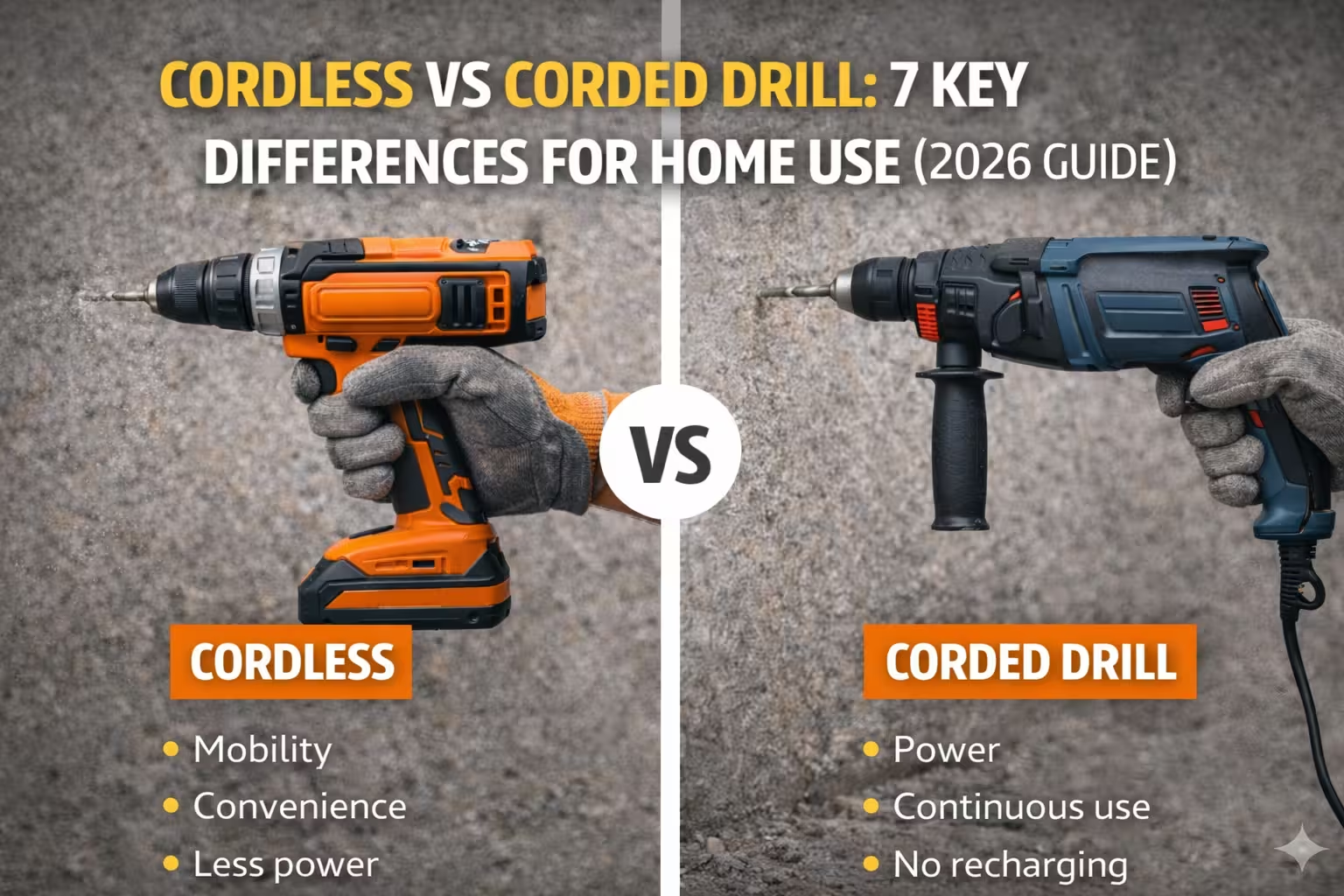
    Corded drills deliver consistent power because they draw electricity directly from an outlet. This makes them ideal for long drilling sessions or tougher materials.

    Cordless drills rely on battery output, which can drop as the battery drains. Modern lithium-ion batteries are powerful, but they still can’t match unlimited corded power for extended use.

    Best choice:

    • Heavy or continuous drilling → Corded drill
    • Light to moderate tasks → Cordless drill

    2. Portability and Convenience

    Cordless drills clearly win in portability. You can use them anywhere—garage, backyard, ladder, or job site—without worrying about extension cords.

    Corded drills limit your movement and require a nearby power source, which can be frustrating for quick jobs.

    Winner: Cordless drill


    3. Ease of Use for Homeowners

    For most homeowners, cordless drills are easier to handle:

    • Lighter
    • No cable management
    • Faster setup

    Corded drills can feel bulky and are better suited for workshop environments.

    If you’re still deciding between drill types in general, see (Hammer Drill vs Regular Drill: Which One Do You Need?).


    4. Runtime and Downtime

    Corded drills run non-stop as long as power is available.

    Cordless drills depend on battery life. While spare batteries help, charging downtime is still a factor—especially for longer projects.

    Best choice:

    • Long sessions → Corded
    • Short DIY tasks → Cordless

    5. Maintenance and Longevity

    Corded drills tend to last longer because they don’t rely on batteries that degrade over time.

    Cordless drills may require battery replacement after a few years, which adds cost.

    Long-term durability: Corded drill


    6. Cost and Value

    Corded drills are usually cheaper upfront.

    Cordless drills cost more because of batteries and chargers—but offer greater flexibility.

    Budget-focused buyers: Corded
    Convenience-focused buyers: Cordless


    7. Best Use Cases for Each

    Cordless Drill Is Best For:

    • Hanging shelves
    • Furniture assembly
    • Light drilling and driving
    • General home maintenance

    Corded Drill Is Best For:

    • Workshop use
    • Long drilling sessions
    • Consistent heavy loads

    For a complete recommendation based on all home projects, see (Best Drill for Home Use – 2026 Master Guide).


    Frequently Asked Questions

    Is a cordless drill powerful enough for home use?

    Yes. Modern cordless drills handle most homeowner tasks easily.

    Should beginners choose cordless or corded?

    Most beginners prefer cordless drills due to ease of use and portability.

    Do professionals still use corded drills?

    Yes—especially for continuous or high-load work.


    Final Verdict: Cordless vs Corded Drill

    For most homeowners, a cordless drill is the best all-around choice due to convenience and versatility. A corded drill still makes sense if you work primarily in a garage or need nonstop power.

    If you want a single drill that covers the widest range of tasks, your answer will usually be cordless—but choosing the right type still matters.