
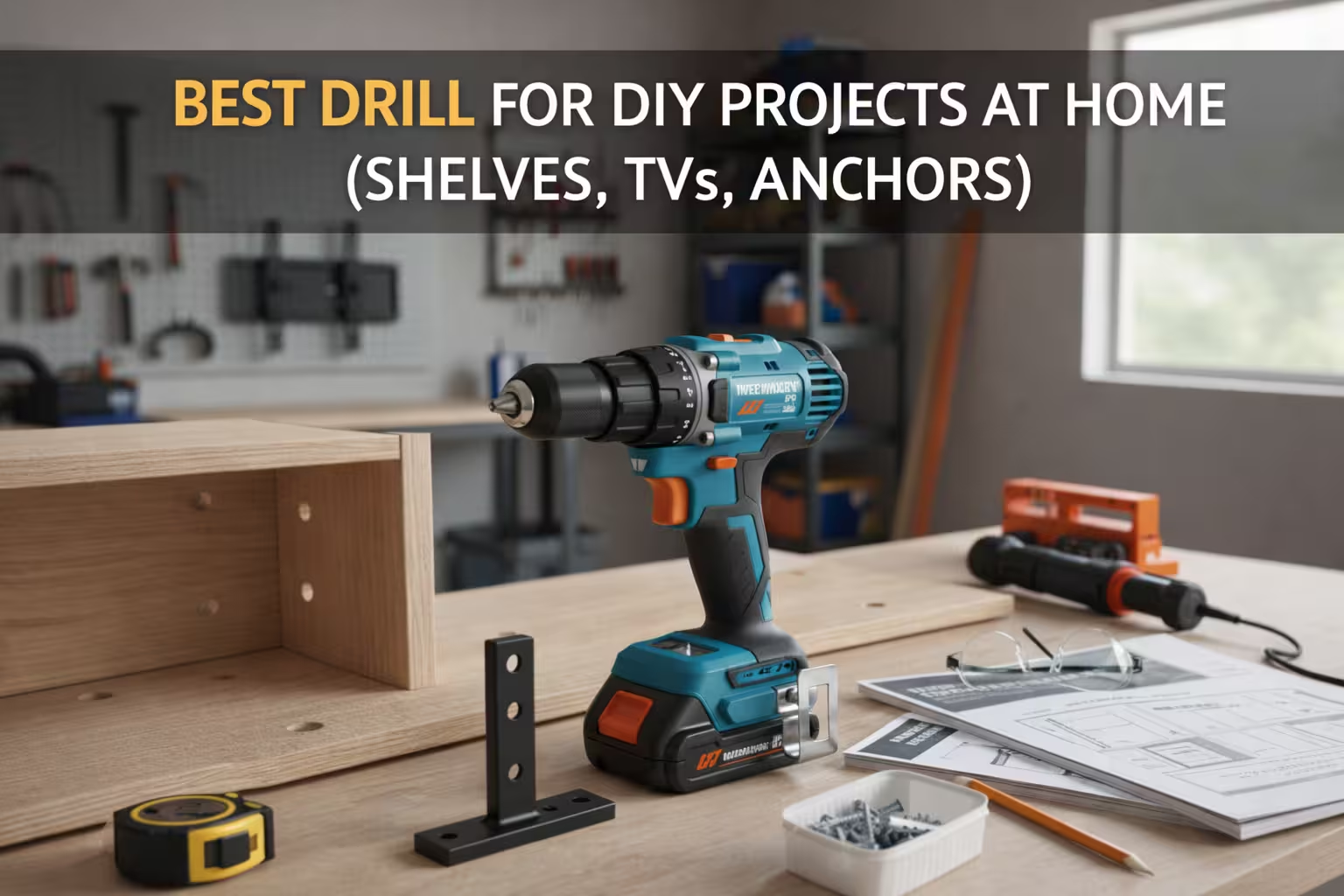
Choosing the best drill for DIY projects at home doesn’t mean buying the most powerful tool on the shelf. Most homeowner projects require a drill that is versatile, easy to control, and strong enough for common materials like wood, drywall, and occasional masonry.
This guide explains what to look for in a drill for DIY home projects, which features actually matter, and how to choose a drill that covers shelves, TV mounts, anchors, and everyday repairs—without overspending.
What Counts as DIY Projects at Home?
DIY projects for homeowners usually include:
- Hanging shelves and cabinets
- Mounting TVs and wall brackets
- Installing drywall or masonry anchors
- Furniture assembly
- Small renovation and repair tasks
These projects require balanced performance, not professional-grade power.
For a full breakdown of drill types and homeowner needs, see
(Best Drill for Home Use (2026 Guide)
What Type of Drill Is Best for DIY Projects?
For most homeowners, a cordless drill or cordless hammer drill is the best choice.
Cordless Drill
A standard cordless drill is ideal for:
- Wood
- Drywall
- Plastic
- Thin metal
- Furniture assembly
It’s lightweight, easy to control, and handles most indoor projects comfortably.
Cordless Hammer Drill
A cordless hammer drill adds a hammering mode, making it suitable for:
- Brick
- Concrete
- Masonry anchors
If your DIY projects include wall mounting into concrete or brick, a hammer drill provides extra flexibility.
To compare drill types more clearly, see
(Hammer Drill vs Regular Drill: Which One Do You Need?).
Cordless vs Corded for DIY Work
Most DIY homeowners prefer cordless drills because they:
- Are easier to move around the house
- Don’t require extension cords
- Work well on ladders or overhead
Corded drills still make sense if:
- You work mostly in a garage
- You do long drilling sessions
- You want consistent power without batteries
For a full comparison, see
(Cordless vs Corded Drill: 7 Key Differences for Home Use (2026 Guide)
Drill Power: How Much Is Enough for DIY?
DIY projects rarely need extreme power.
A good DIY drill should have:
- Variable speed control
- Adjustable torque settings
- Enough power to drive screws without stalling
Most homeowners are well served by:
- 18V–20V cordless drills
- Mid-range torque with clutch settings
To understand drill power in detail, see
(What Drill Power Do You Really Need? (RPM, Torque & Voltage Explained)
Drill Bits and Accessories Matter
Even the best drill won’t perform well without the right accessories.
For DIY home projects:
- Use wood bits for lumber
- Use drywall anchors for hollow walls
- Use masonry bits for concrete or brick
- Match bit size to anchor size
Using incorrect bits leads to poor results and damaged materials.
If your projects involve masonry, review
(Best Drill Bits for Concrete and Masonry).
Common DIY Drill Mistakes to Avoid
Homeowners often run into trouble by:
- Choosing a drill that’s too heavy
- Using the wrong torque setting
- Drilling too fast
- Skipping pilot holes
- Using the wrong bit for the material
Avoiding these mistakes improves results and protects both the drill and your walls. More examples are covered in
(Common Drill Mistakes Homeowners Make (And How to Avoid Them)
Safety Tips for DIY Drilling
Basic safety practices go a long way:
- Wear eye protection
- Keep the drill straight
- Let the drill do the work
- Avoid excessive pressure
- Check for wiring and plumbing before drilling
If your project involves concrete or masonry, follow
(How to Drill Into Concrete Safely (Step-by-Step Guide)
Frequently Asked Questions
Can one drill handle all DIY projects?
Yes. A quality cordless drill or cordless hammer drill can handle most homeowner tasks.
Do I need a hammer drill for shelves or TVs?
Only if you’re drilling into concrete or brick. Drywall and wood don’t require hammer mode.
Is a heavier drill better?
Not necessarily. Heavier drills can cause fatigue and reduce control for DIY work.
Conclusion: Choosing the Best Drill for DIY Projects
The best drill for DIY projects at home is one that balances power, control, and comfort. Most homeowners benefit from a cordless drill with adjustable speed and torque, while those working with masonry should consider a cordless hammer drill.
Choosing the right drill makes DIY projects easier, safer, and more enjoyable—without unnecessary complexity.
Leave a Reply