Author: thommyleroy75

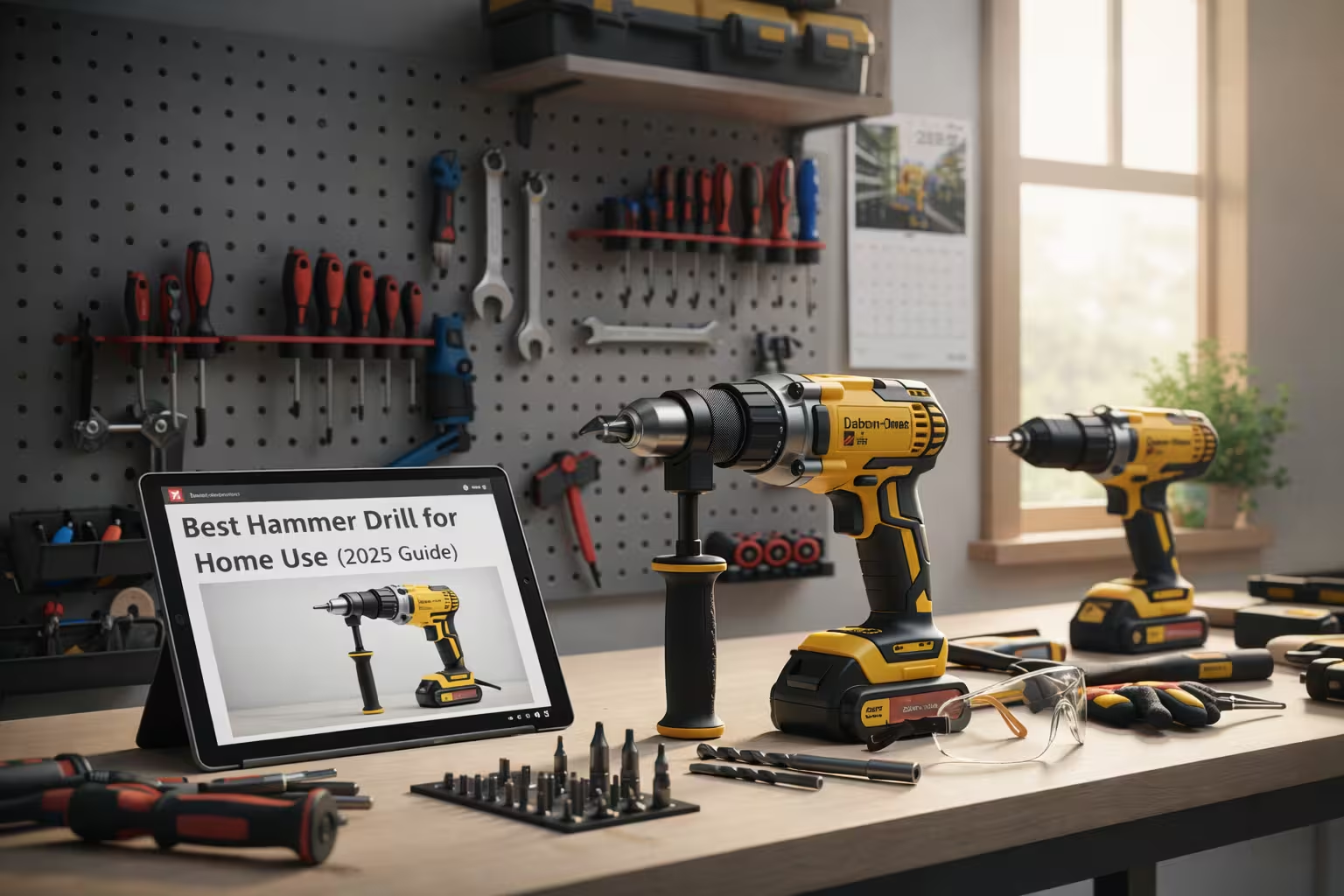
  • Best Hammer Drill for Home Use (2025 Guide)

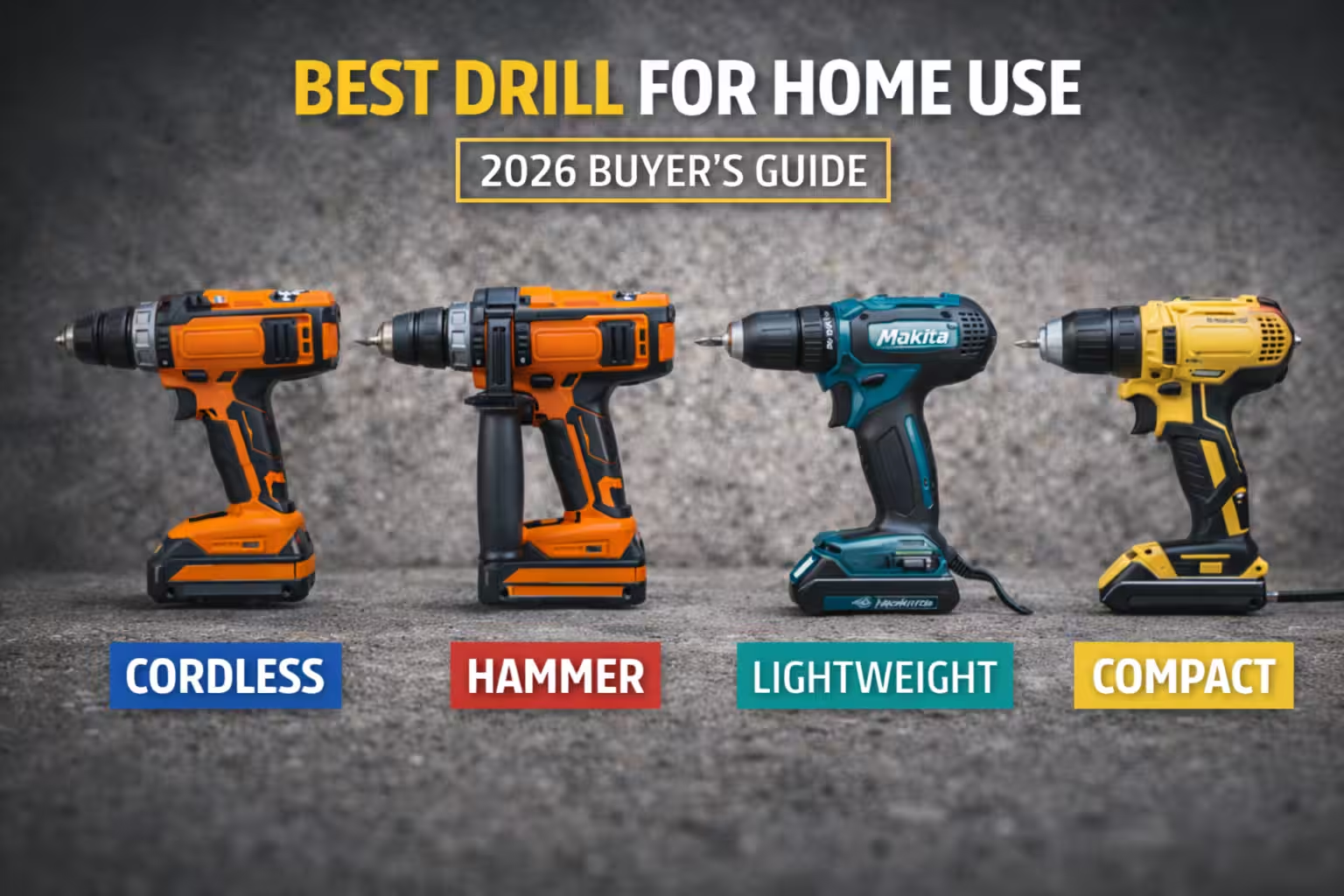
    Hammer drills are one of the most useful power tools for homeowners who need to drill into concrete, brick, or masonry. While they are often associated with professional construction work, modern hammer drills are widely used for DIY projects, renovations, and home maintenance.

    This guide is for homeowners and DIY users who want a practical hammer drill for everyday tasks such as mounting shelves, installing anchors, hanging TVs, or drilling into concrete walls—without buying an oversized or overly complex tool.


    What Is a Hammer Drill?

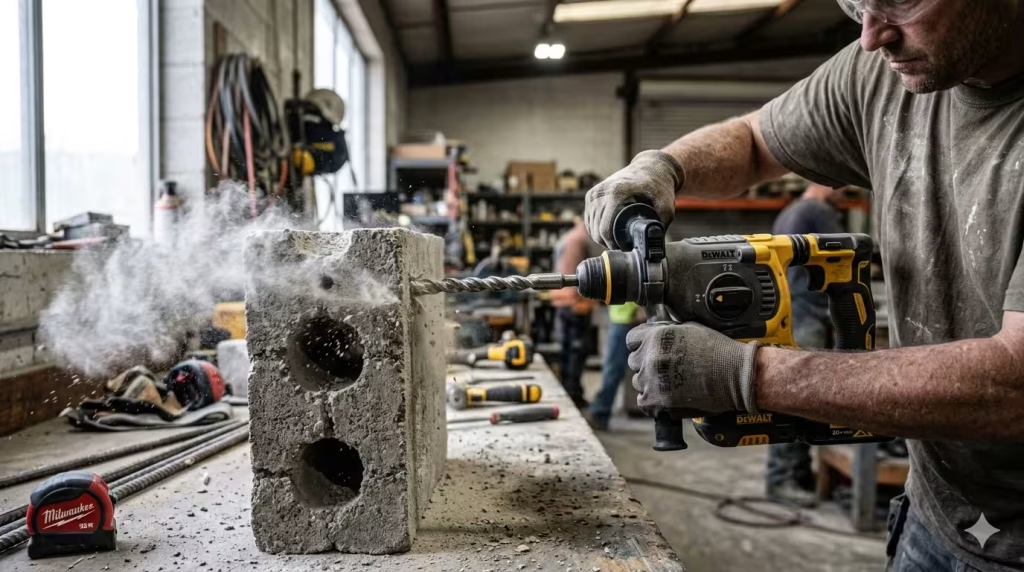
    A hammer drill is a power drill that combines rotational drilling with a hammering action. As the bit spins, the drill rapidly pulses forward, helping break up hard materials like concrete and brick.

    This hammering motion makes drilling into masonry faster, easier, and more controlled compared to using a regular drill.

    If you’re unsure whether a hammer drill is truly necessary for your needs, this is explained in more detail here:
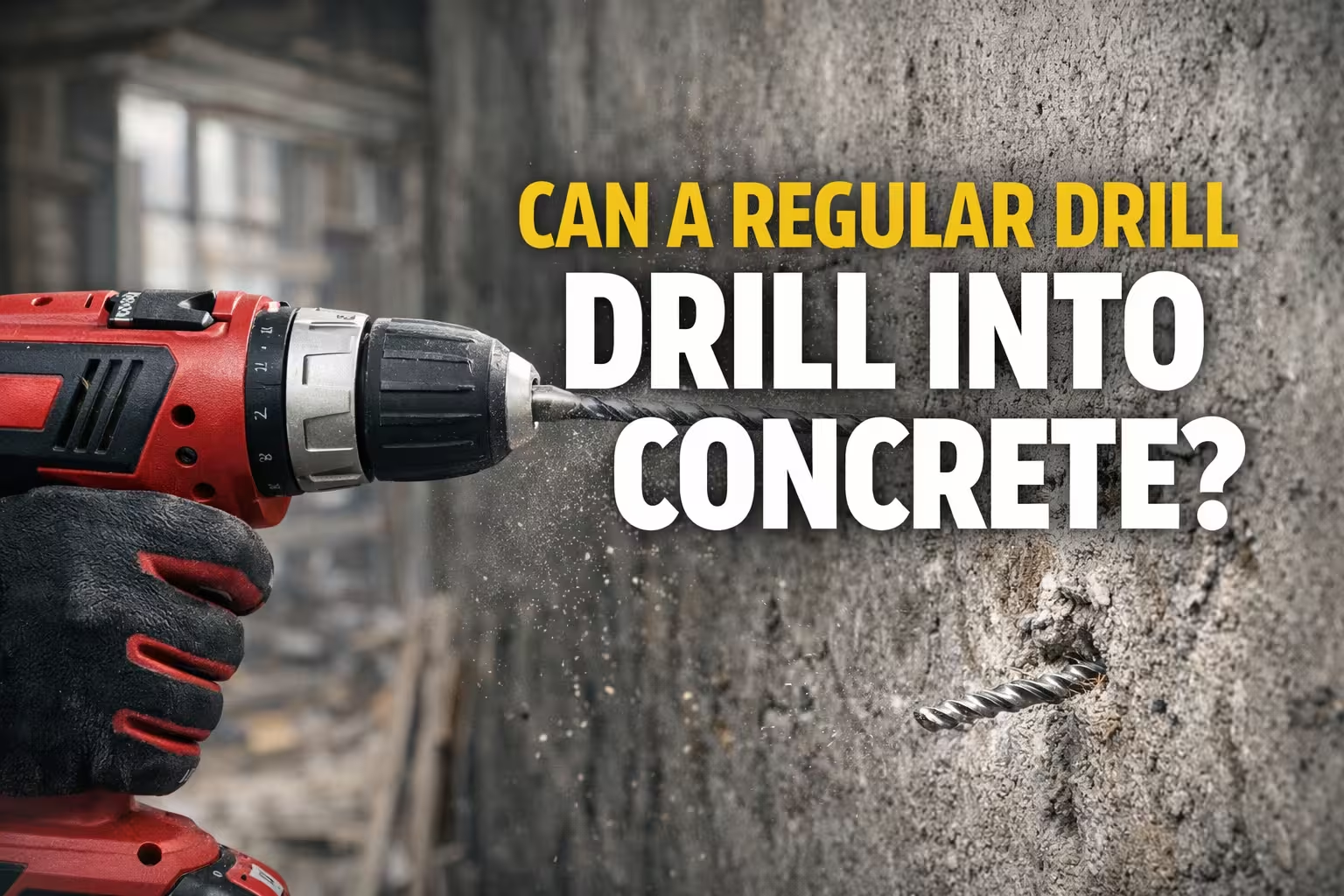
    Can a Regular Drill Drill Into Concrete?


    Why a Hammer Drill Is Ideal for Home Use

    For most homeowners, a hammer drill offers the best balance between power, versatility, and ease of use.

    Key benefits for DIY users:

    • Handles concrete, brick, and masonry with less effort
    • Works as a regular drill when hammer mode is turned off
    • Lighter and easier to control than a rotary hammer
    • Suitable for occasional to frequent home projects

    A hammer drill is often the best upgrade for homeowners who have outgrown a standard drill but don’t need professional demolition-level power.

    For a deeper comparison between drill types, see:
    Hammer Drill vs Rotary Hammer: What’s the Difference?


    Hammer Drill vs Rotary Hammer for Homeowners

    Many DIY users wonder whether they should choose a hammer drill or a rotary hammer. The difference matters.

    Hammer Drill

    • Best for: Concrete walls, brick, masonry anchors
    • Typical use: Home renovations and DIY projects
    • Size and weight: Compact and manageable
    • Learning curve: Easy for beginners

    Rotary Hammer

    • Best for: Thick concrete, structural drilling
    • Typical use: Heavy-duty or professional work
    • Size and weight: Larger and heavier
    • Learning curve: More advanced

    For most homeowners, a hammer drill is the more practical and user-friendly option.


    Features to Look for in a Hammer Drill for Home Use

    Not all hammer drills are the same. These features matter most for residential projects.

    Variable Speed Control

    Allows better control when starting holes and drilling into brittle materials.
    Dedicated Hammer Mode

    Make sure the drill has a true hammer setting that can be turned on or off.

    Comfortable Grip and Side Handle

    Concrete drilling creates vibration. A stable grip improves accuracy and reduces fatigue.

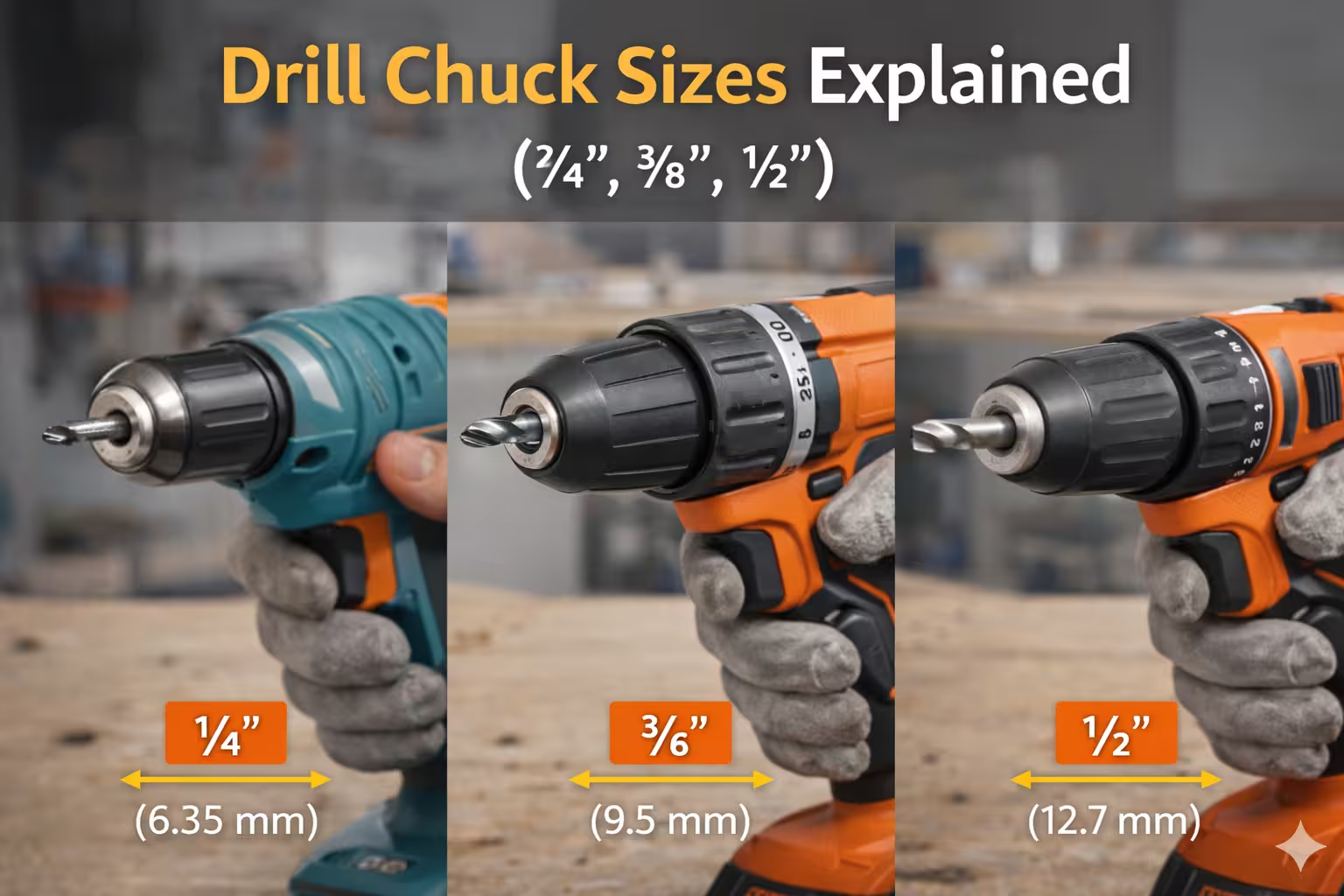
    Chuck Type

    Standard keyed or keyless chucks are fine for home use. SDS systems are usually found on rotary hammers.

    Power Balance

    More power is helpful, but excessive power can make the drill harder to control for smaller tasks.


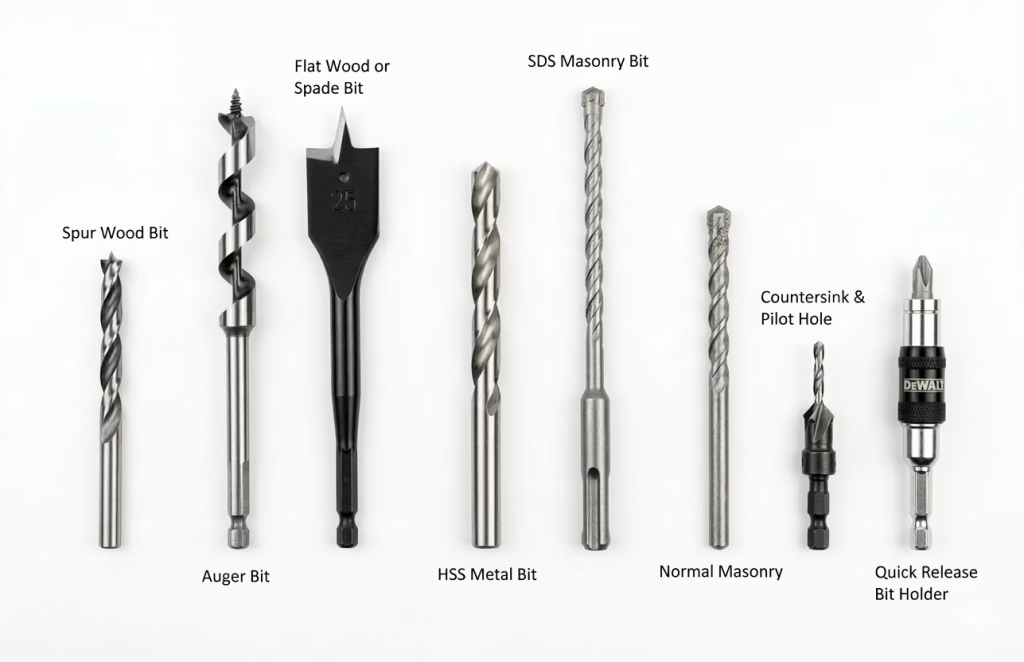
    Drill Bits Matter Just as Much as the Drill

    Even the best hammer drill will struggle if the wrong drill bit is used.

    Masonry drill bits are specifically designed to withstand impact and grind through concrete rather than cut it.

    For a detailed explanation of which bits work best, see:
    Best Drill Bits for Concrete and Masonry


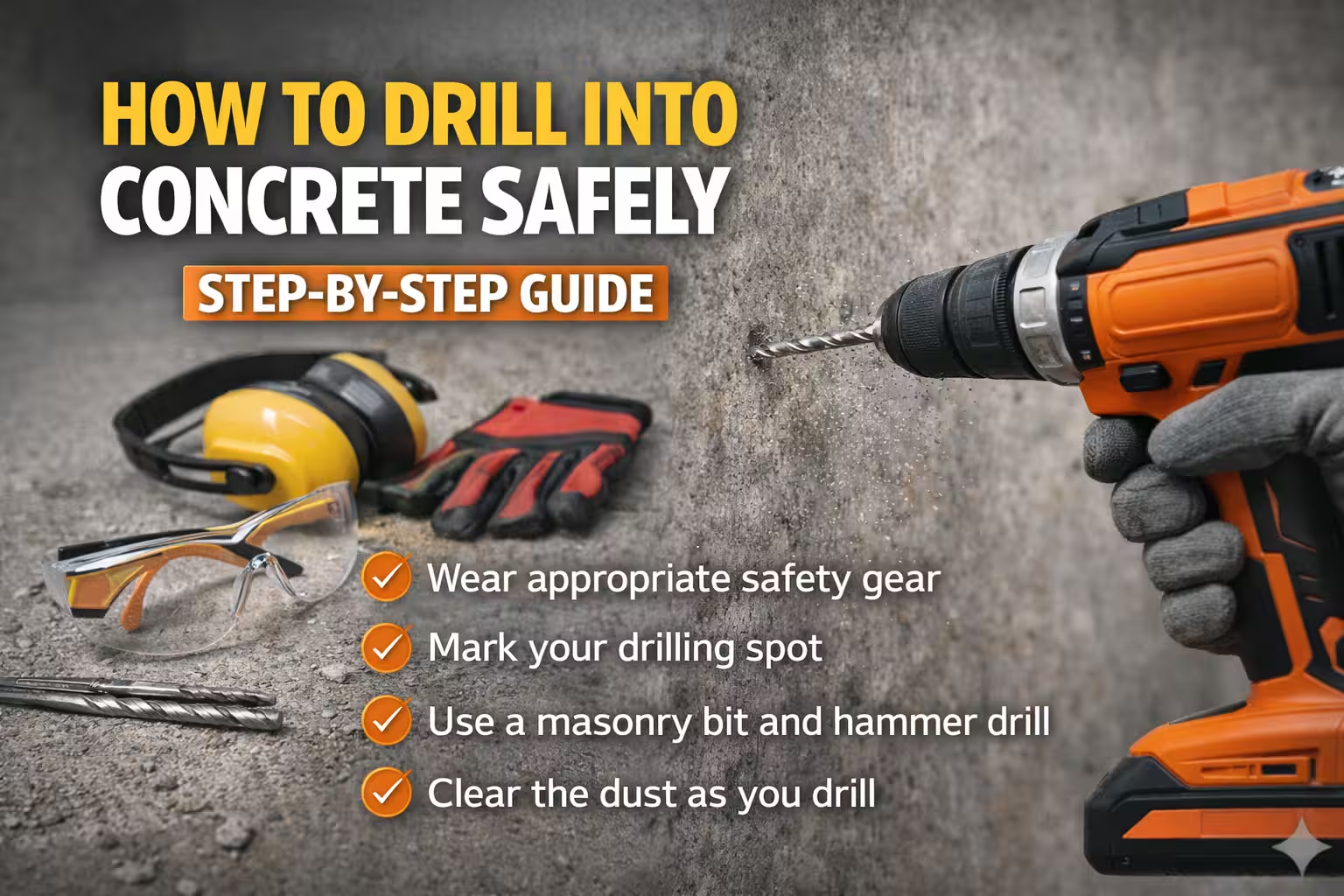
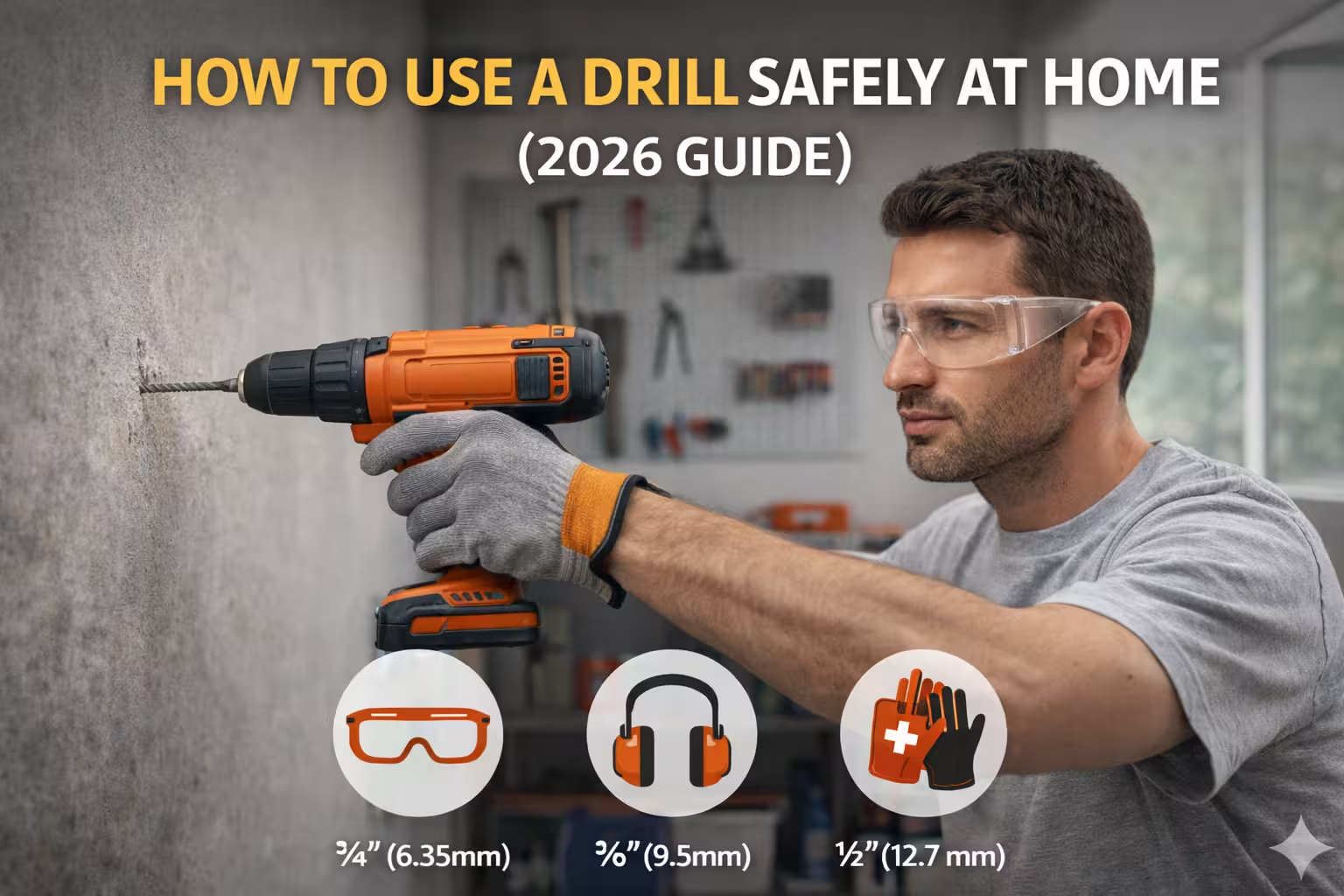
    Safety Tips for Using a Hammer Drill at Home

    Concrete drilling involves dust, vibration, and resistance. Basic safety steps go a long way.

    • Wear eye protection to prevent debris injury
    • Use hearing protection for extended drilling
    • Keep the drill straight and steady
    • Let the drill do the work—avoid forcing it
    • Take breaks to prevent overheating

    Always check for electrical wiring or plumbing before drilling into walls.


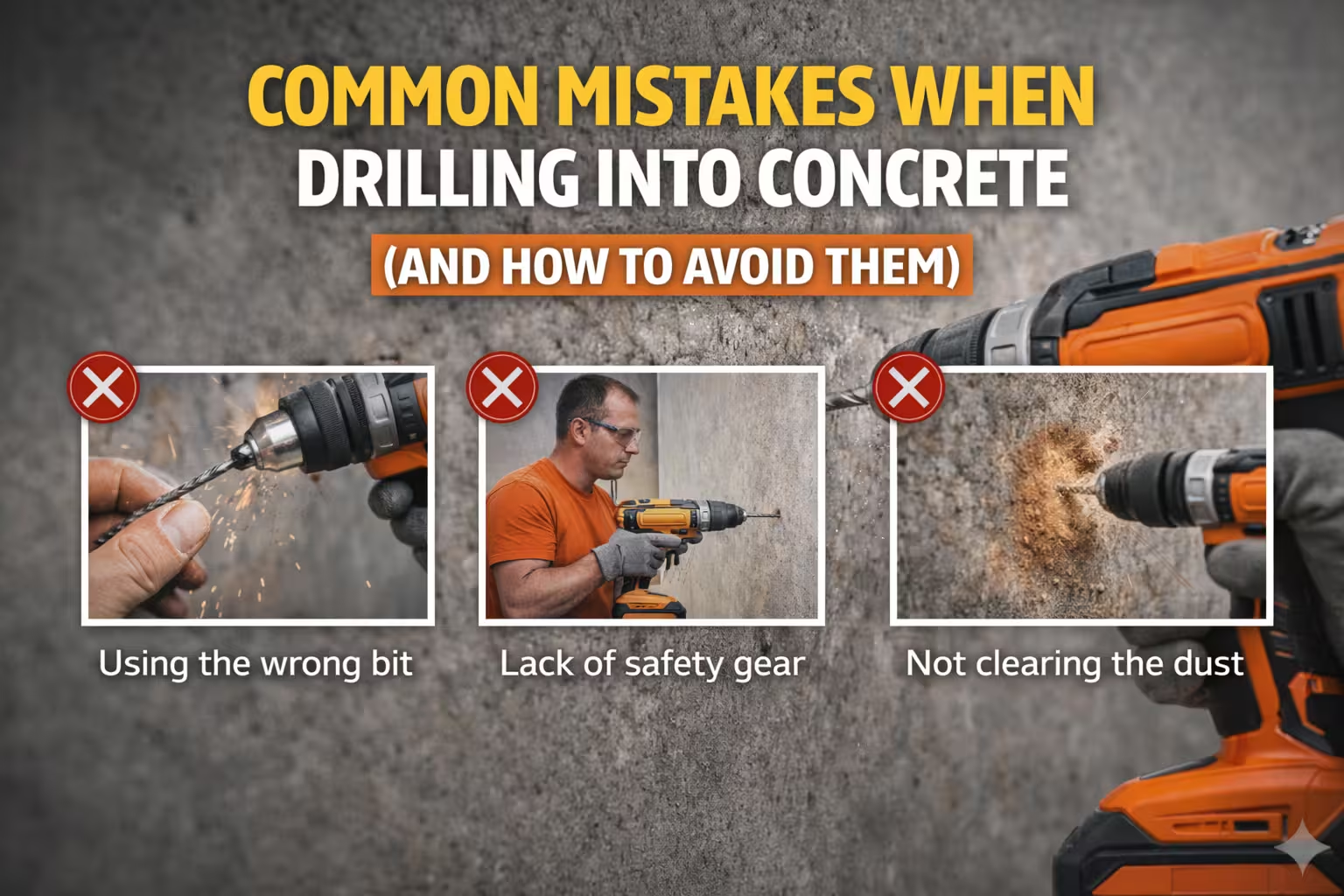
    Common Mistakes Homeowners Make

    Avoiding these mistakes will improve results and protect your tools.

    • Using standard drill bits instead of masonry bits
    • Applying excessive pressure
    • Drilling at full speed immediately
    • Ignoring hammer mode settings
    • Choosing an oversized tool for small jobs

    Good technique matters as much as the drill itself.


    Frequently Asked Questions

    Is a hammer drill overkill for home use?

    No. A hammer drill is one of the most versatile tools a homeowner can own and is suitable for many everyday projects.

    Can a hammer drill replace a regular drill?

    Yes. Most hammer drills function as standard drills when hammer mode is turned off.

    Do I need a hammer drill for brick walls?

    Yes. Brick and mortar respond well to hammer drilling and reduce strain on the tool.

    Is corded or cordless better for homeowners?

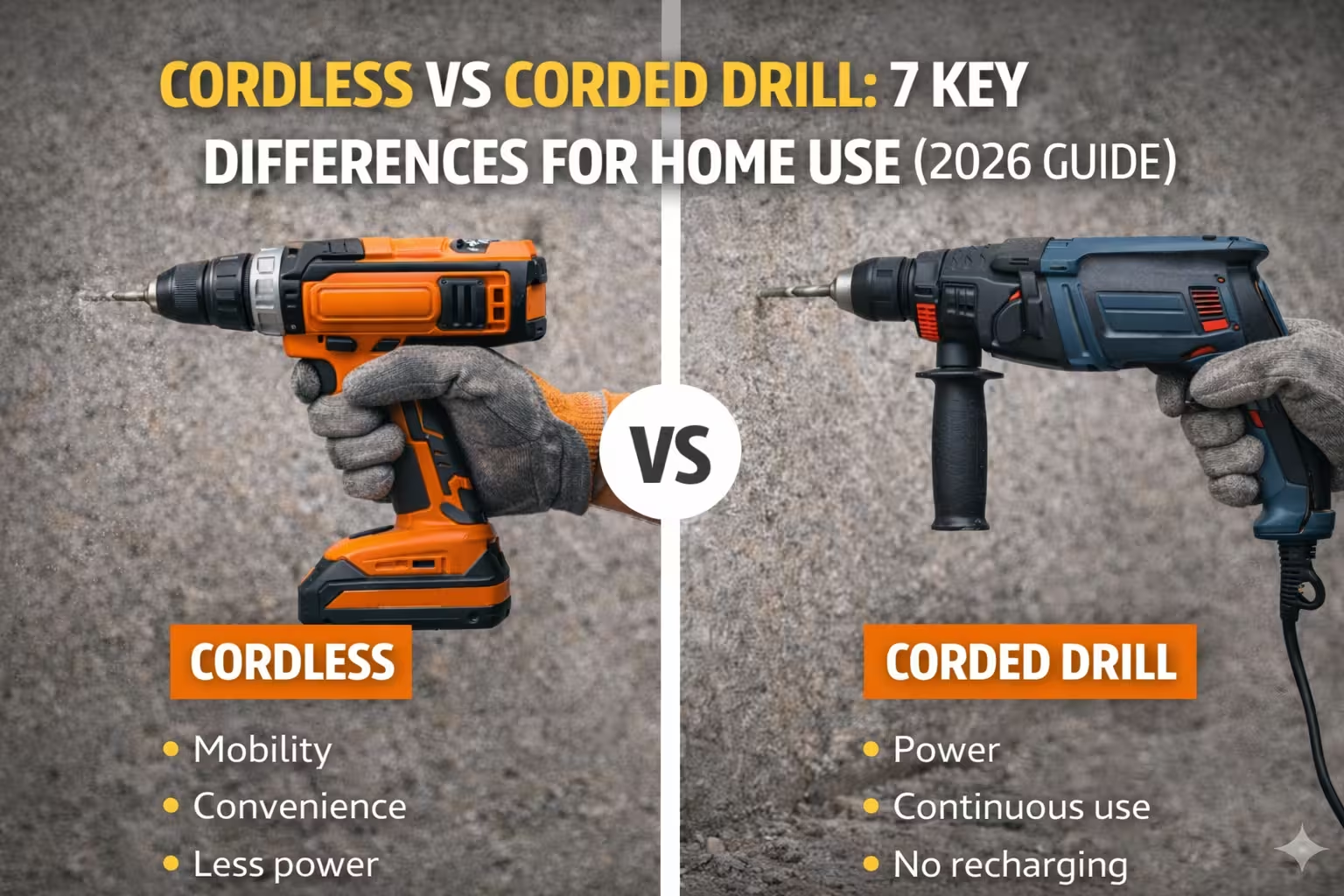
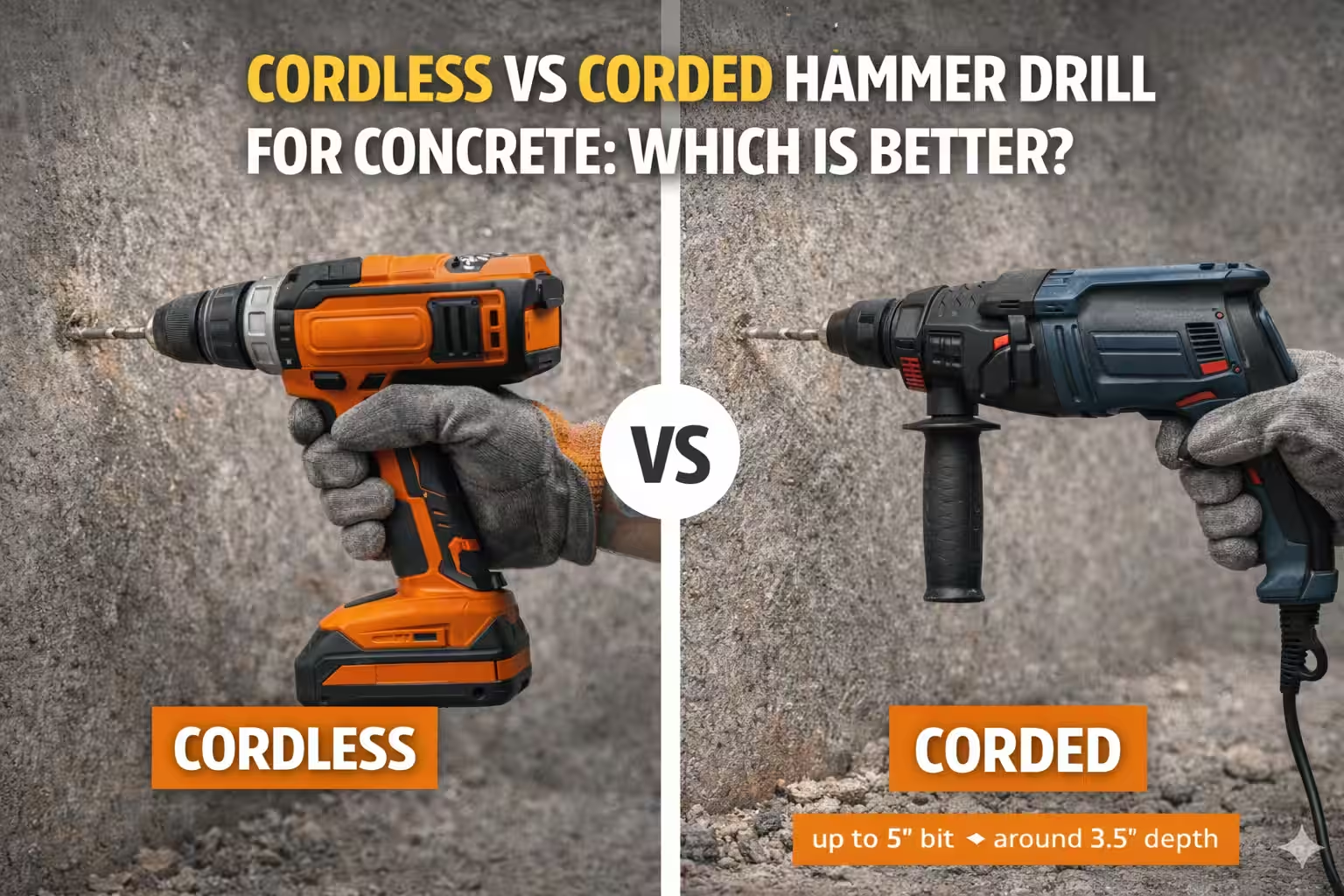
    Both work well. Cordless offers convenience, while corded provides continuous power.

    Can a hammer drill drill into concrete slabs?

    Yes, for light to moderate drilling. For repeated deep holes, a rotary hammer is better.


    Conclusion

    For homeowners and DIY users, a hammer drill is the best all-around tool for drilling into concrete, brick, and masonry. It offers enough power for demanding tasks while remaining easy to control and versatile for everyday use.

    When paired with the correct masonry bits and proper technique, a hammer drill makes concrete drilling faster, cleaner, and far less frustrating—making it an essential upgrade for serious DIY work.

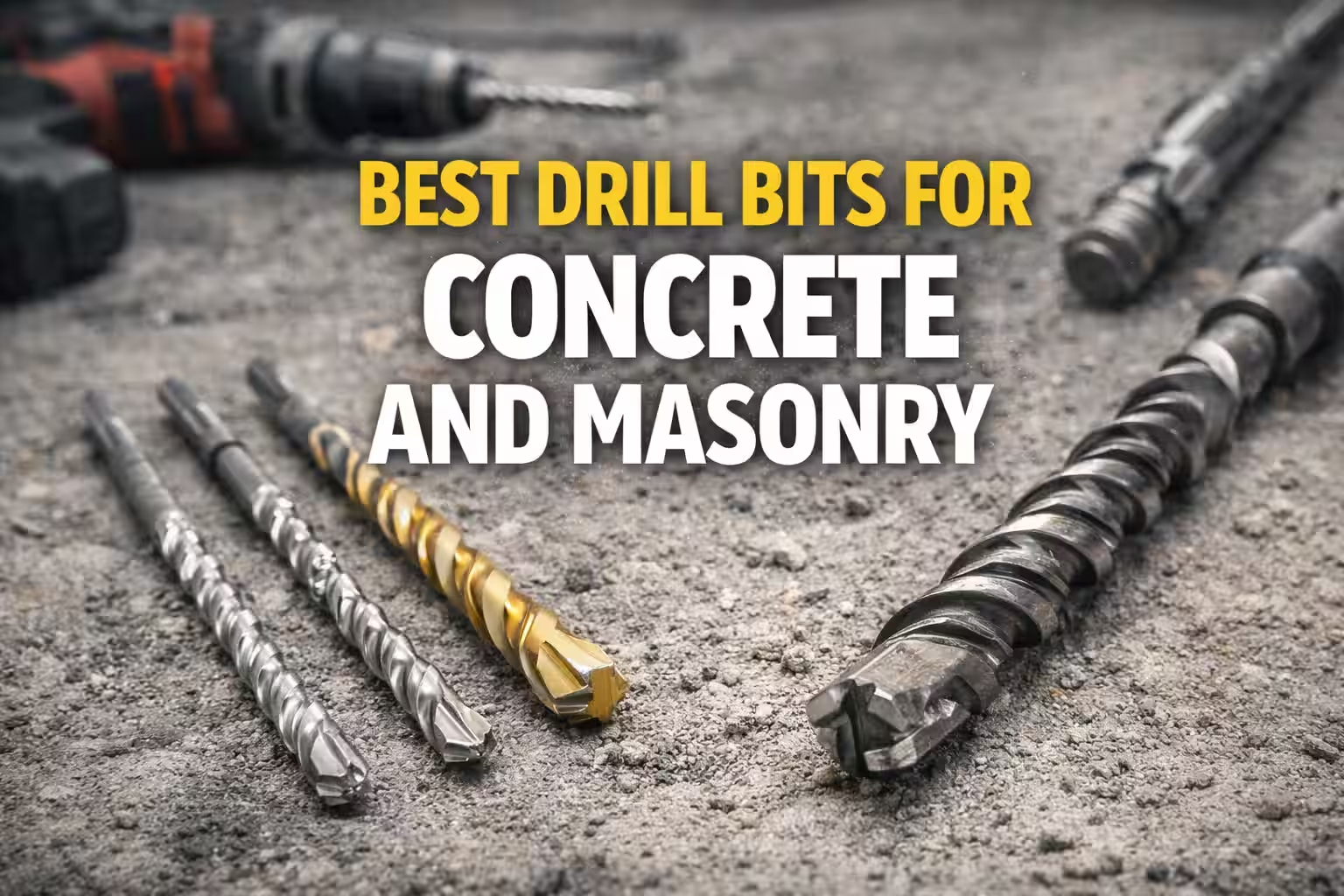
  • Best Drill Bits for Concrete and Masonry

    Drilling into concrete or masonry isn’t just about having the right drill — the drill bit matters just as much. Even a powerful hammer drill will struggle or fail if the wrong bit is used.

    This guide is for homeowners and DIY users who want clean, accurate holes in concrete, brick, or masonry without damaging tools, wasting time, or breaking bits. Below, you’ll learn which drill bits work best, how they differ, and how to avoid common mistakes.


    What Type of Drill Bits Are Best for Concrete?

    Masonry drill bits are the correct choice for drilling into concrete and masonry.

    These bits are specifically designed to handle hard, abrasive materials. They feature a hardened tip that crushes concrete rather than cutting it like a wood or metal bit.
    If you are unsure whether your drill setup is suitable for concrete in the first place, it’s important to understand which drill types are appropriate before choosing bits. A standard drill can work in limited cases, but it has clear limitations when paired with masonry bits.
    Can a Regular Drill Drill Into Concrete?


    Masonry Drill Bits Explained

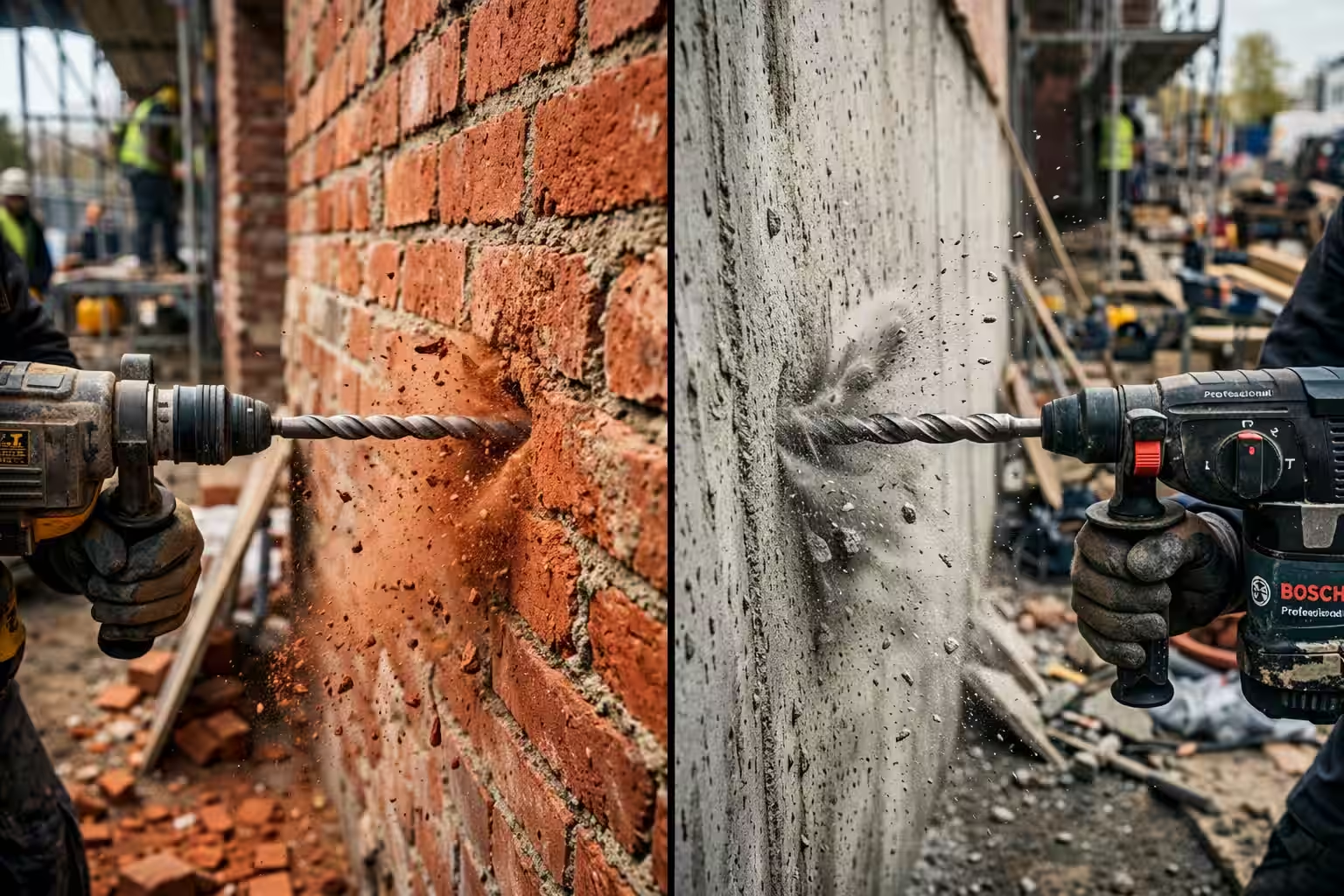
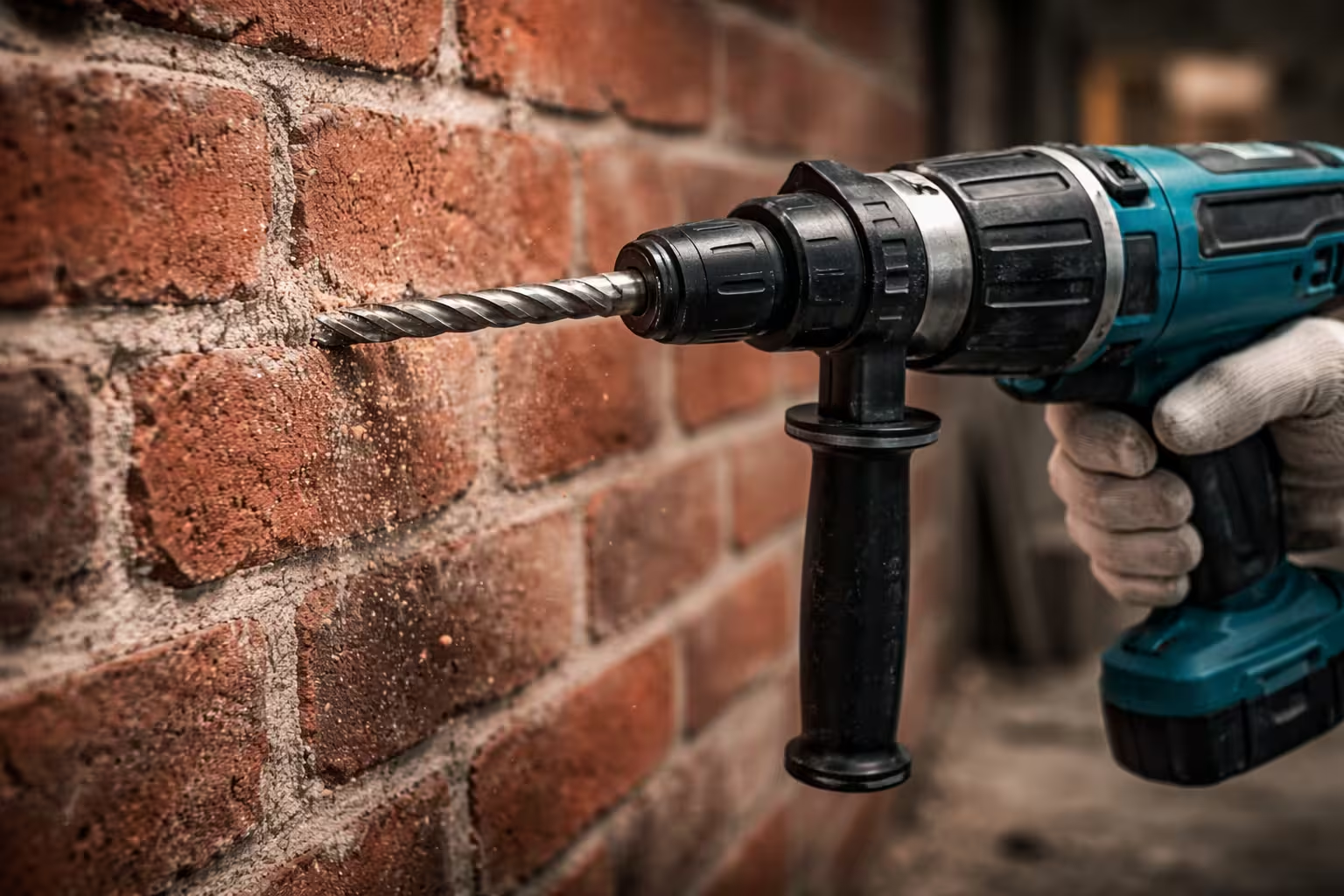
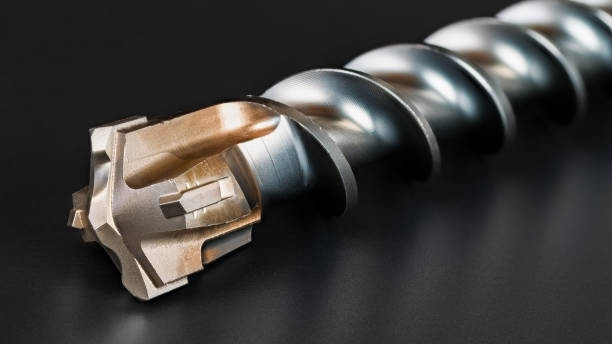
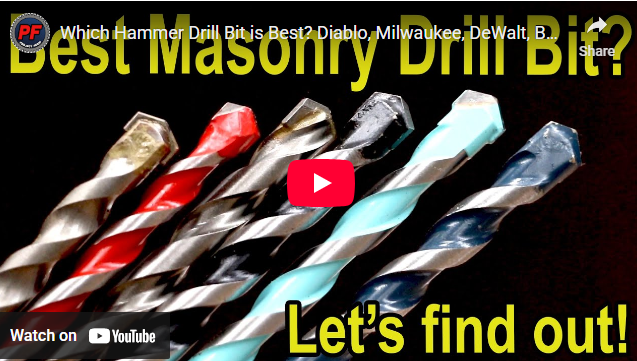
    Masonry drill bits are easily identified by their carbide tip, which is brazed onto the end of the bit.

    Key characteristics:

    • Hardened carbide tip
    • Designed for impact and hammer action
    • Available in many diameters and lengths
    • Compatible with hammer drills and rotary hammers

    These bits work best when paired with a hammer drill, which provides the impact force needed to break concrete efficiently. If you’re deciding between drill types, understanding the difference between hammer drills and rotary hammers helps ensure bit compatibility.
    Hammer Drill vs Rotary Hammer: What’s the Difference?


    Standard Masonry Bits vs SDS Bits

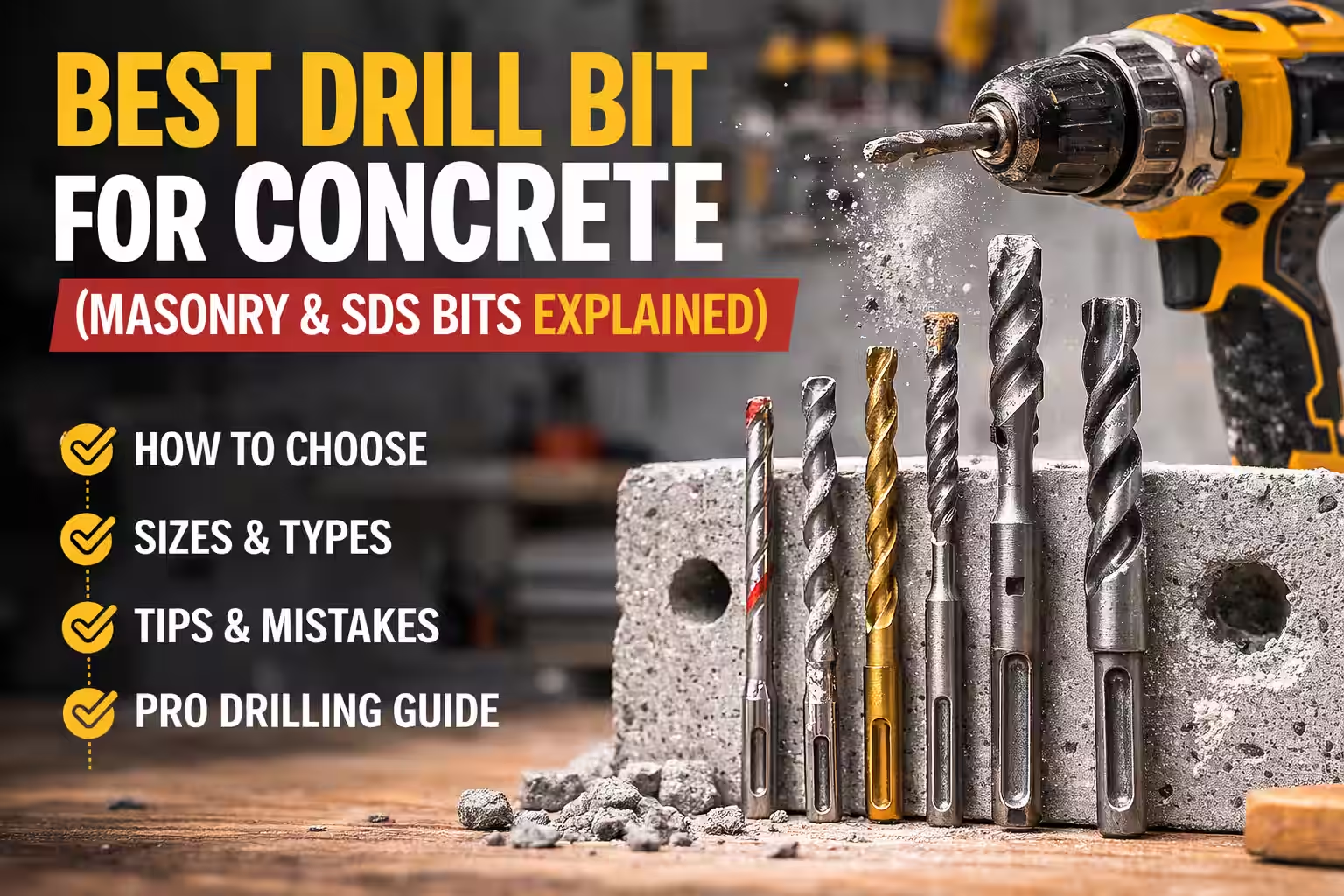
    Not all concrete drill bits are the same. The two most common types are standard masonry bits and SDS bits.

    Standard Masonry Drill Bits

    • Fit regular drill chucks
    • Used with hammer drills or regular drills
    • Ideal for small to medium holes
    • Common for homeowner projects

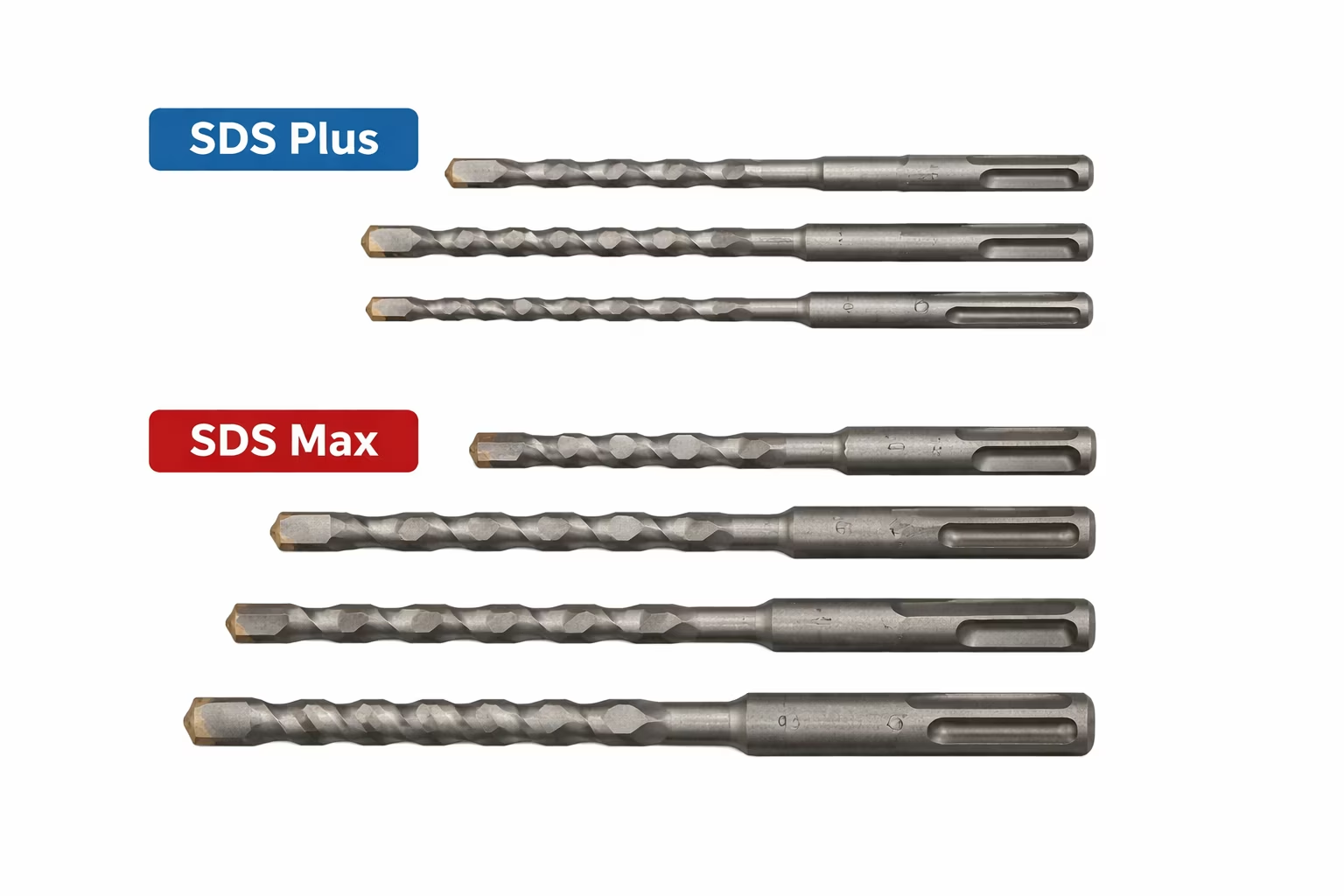
    SDS Drill Bits

    • Designed for rotary hammers
    • Lock into the drill using a slotted shank
    • Handle heavier impact forces
    • Better for deep or repeated drilling

    For most DIY tasks like installing anchors or mounting shelves, standard masonry bits are sufficient. SDS bits are typically used for more demanding jobs or frequent concrete drilling.


    Choosing the Right Size Drill Bit

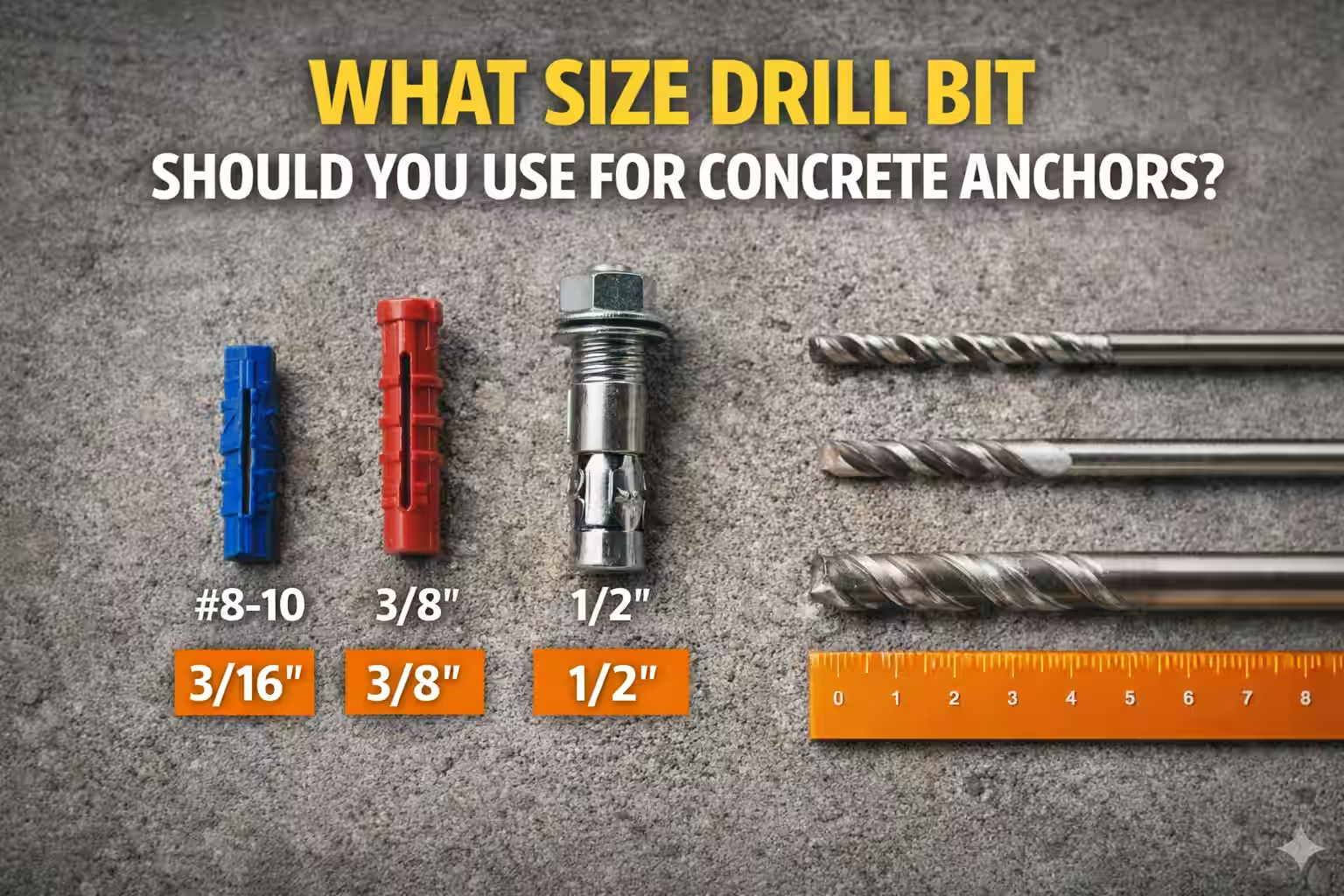
    Choosing the correct bit size is critical for secure anchors and clean holes.

    Tips for sizing:

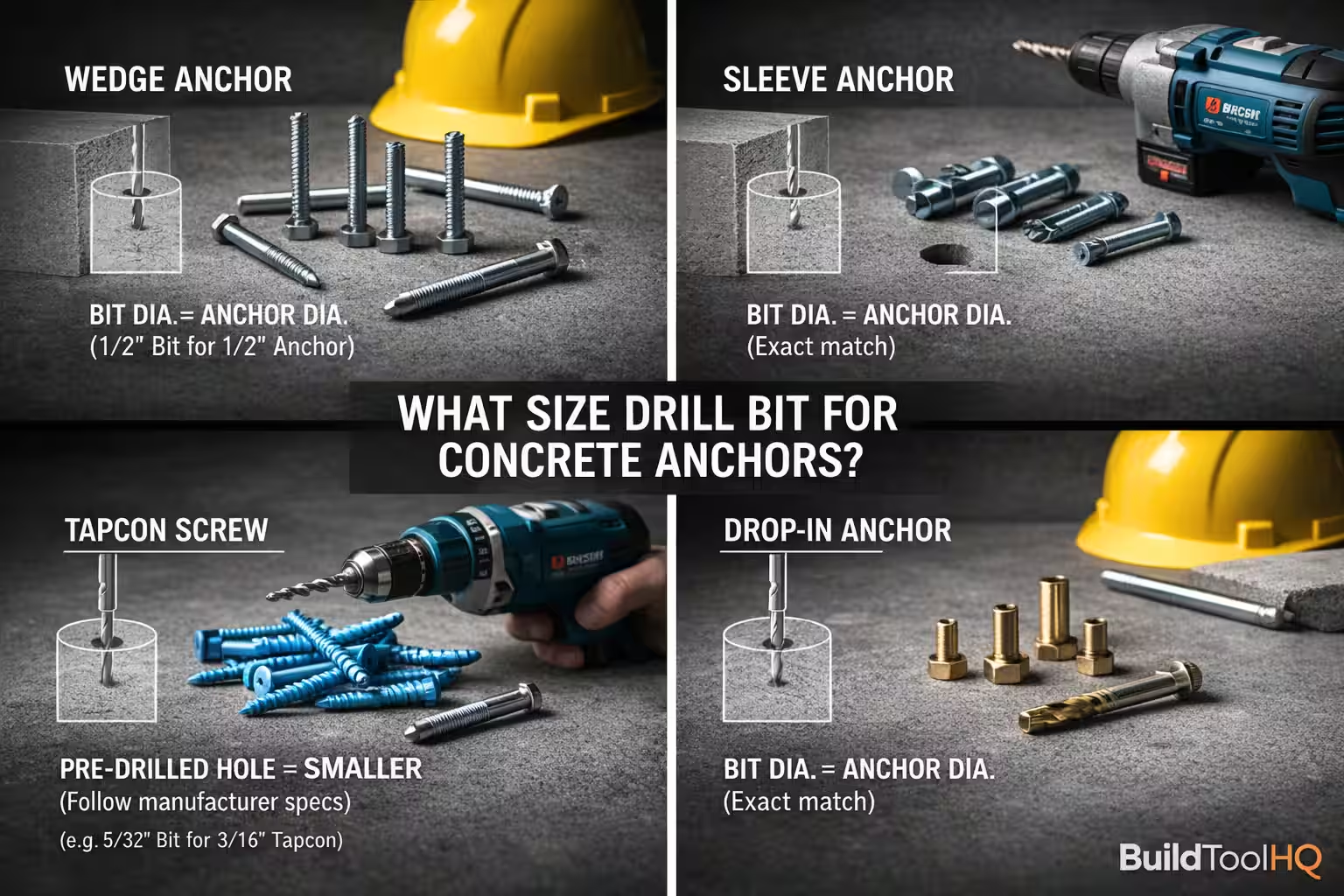
    • Match the bit size to the anchor diameter
    • Do not oversize the hole
    • Check manufacturer recommendations for anchors
    • Use longer bits for deeper holes only when necessary

    Using a bit that’s too large can weaken anchor hold, while a bit that’s too small may crack masonry or break the bit.


    Can You Use Wood or Metal Bits on Concrete?

    No. Wood and metal drill bits are not designed for concrete.

    Using the wrong bit can cause:

    • Rapid dulling
    • Overheating
    • Bit breakage
    • Damage to the drill

    Concrete requires crushing force, not cutting edges. Always use masonry-rated bits for brick, block, or concrete surfaces.


    How to Make Masonry Drill Bits Last Longer

    Concrete is abrasive, and poor technique shortens bit life.

    Best practices:

    • Drill at controlled speed
    • Let the drill do the work
    • Avoid excessive pressure
    • Pull the bit out occasionally to clear dust
    • Allow the bit to cool between holes

    Using proper drilling technique also depends on selecting the right drill for concrete work. If you haven’t already, understanding which drill works best for concrete walls helps prevent unnecessary wear on bits and tools.
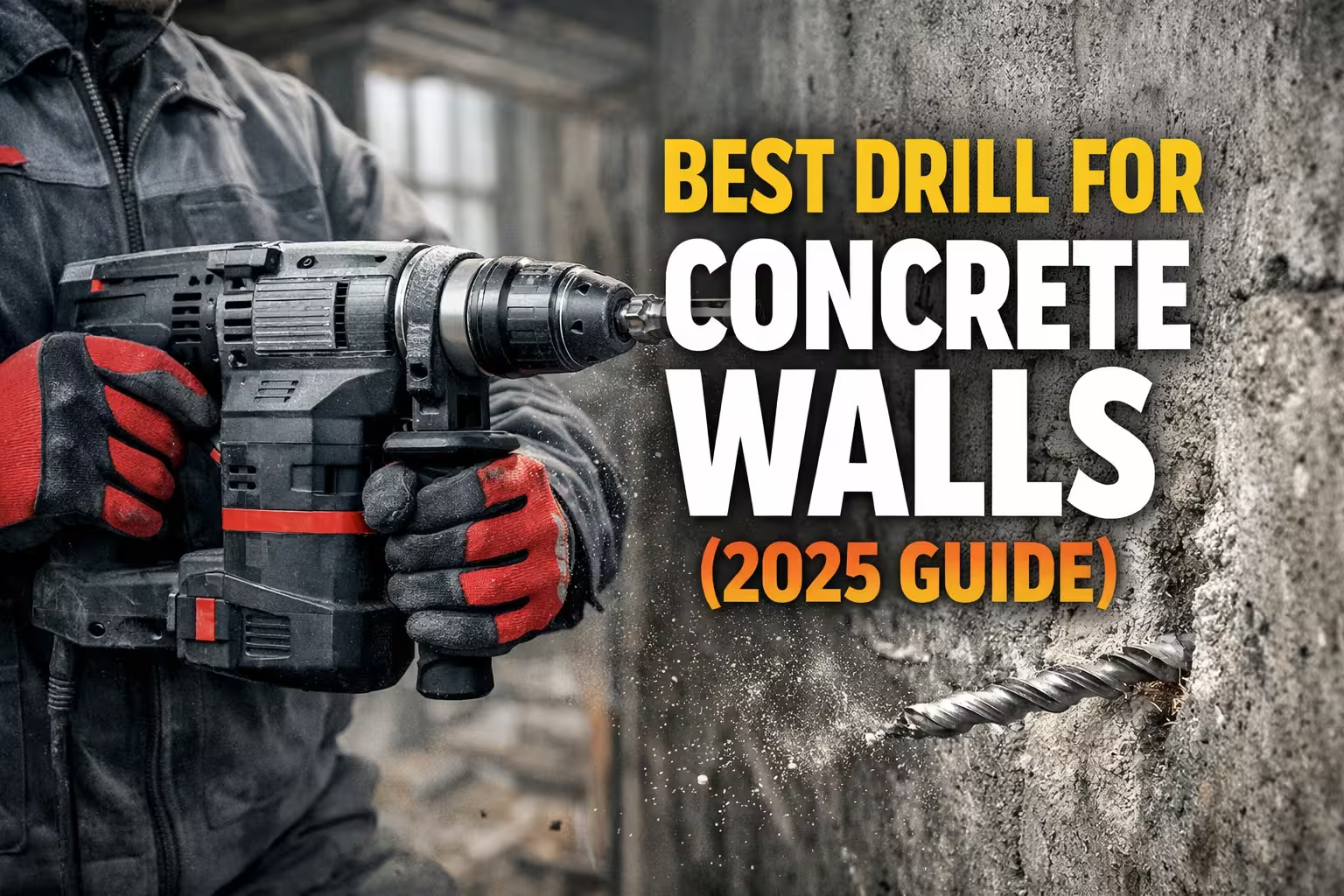
    Best Drill for Concrete Walls


    Common Mistakes When Using Concrete Drill Bits

    Many drilling issues come from avoidable errors.

    • Using the wrong type of bit
    • Drilling without hammer mode enabled
    • Applying too much force
    • Drilling at high speed
    • Skipping dust clearing during drilling

    Avoiding these mistakes results in cleaner holes, better anchor grip, and longer bit lifespan.


    Frequently Asked Questions

    Do masonry drill bits require a hammer drill?
    They work best with hammer drills, but can be used carefully with regular drills for soft masonry.

    How long do concrete drill bits last?
    Lifespan depends on material hardness, drilling technique, and cooling. Proper use extends life significantly.

    Can masonry bits drill through rebar?
    No. Hitting rebar requires specialized bits and techniques. Stop drilling if metal resistance is felt.

    Should I use water when drilling concrete?
    For most DIY drilling, no. Dry drilling with dust clearing is sufficient.

    Are longer drill bits weaker?
    Longer bits can flex more. Use the shortest bit that meets your depth requirement.


    Conclusion

    Drilling into concrete and masonry requires more than just power — it requires the right drill bit. Masonry drill bits are specifically designed to handle the hardness and abrasiveness of concrete, making them essential for safe and effective drilling.

    By choosing the correct bit type, matching it to the right drill, and using proper technique, homeowners and DIY users can drill clean, accurate holes with less effort and fewer broken tools.

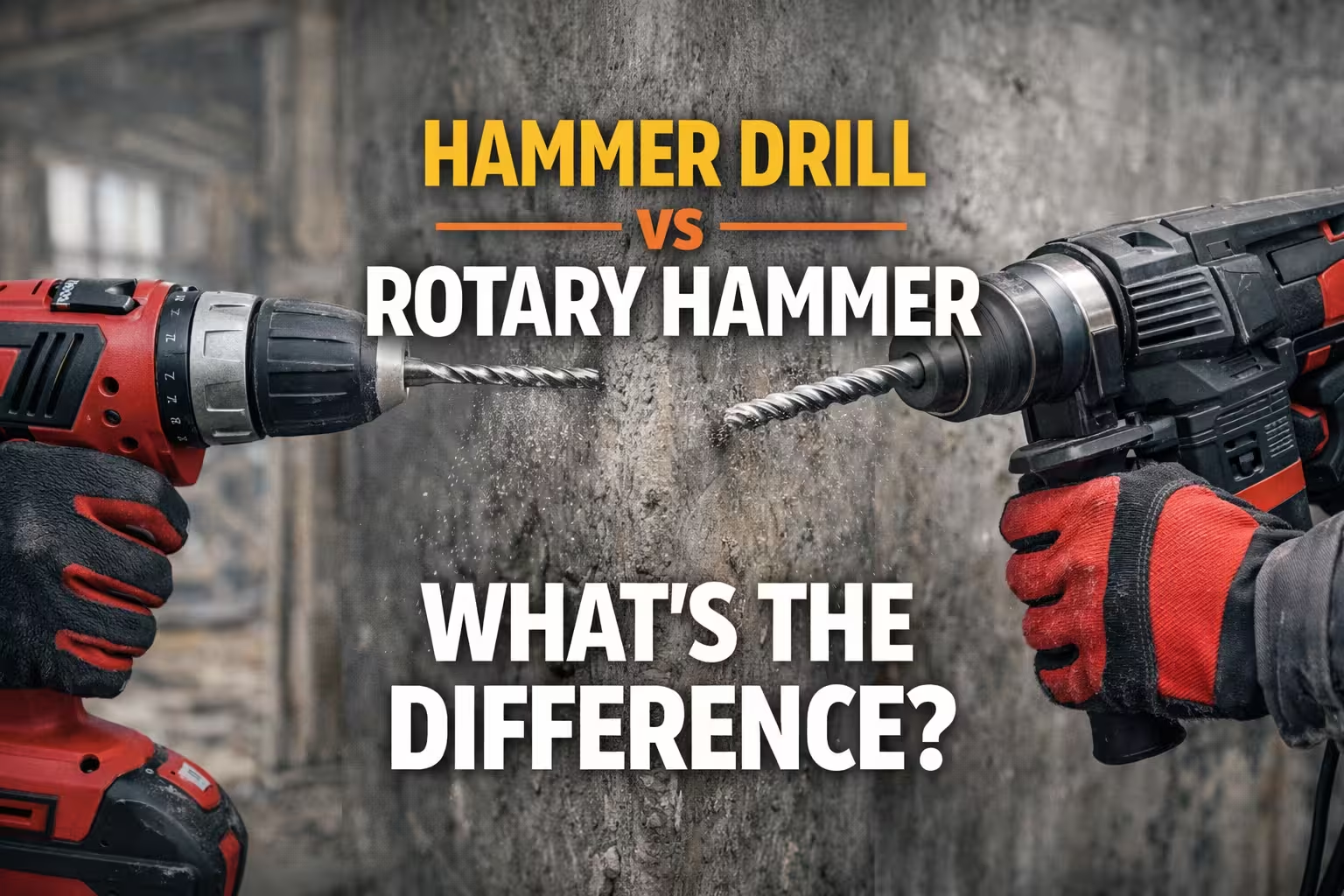
  • Hammer Drill vs Rotary Hammer: What’s the Difference?

    When drilling into concrete, brick, or masonry, many homeowners and DIY users are unsure whether they need a hammer drill or a rotary hammer. While both tools are designed for hard materials, they work differently and are suited for different types of projects.

    This guide explains the key differences, when each tool makes sense, and how to choose the right one for your needs.


    Short Answer

    • Hammer drills are best for light to medium concrete work, such as drilling anchor holes in walls.
    • Rotary hammers are designed for heavy-duty concrete drilling, larger holes, and repeated use.

    For most home projects, a hammer drill is sufficient.If you’re choosing the right tool overall for masonry work, see our full guide on the best drill for concrete walls. Rotary hammers are more powerful but often unnecessary for basic DIY tasks.


    How a Hammer Drill Works

    A hammer drill combines rotation with a rapid hammering motion. As the bit spins, the drill lightly “taps” it forward, helping break up concrete and masonry.

    Best uses for a hammer drill:

    • Drilling holes for wall anchors
    • Mounting shelves, TVs, or cabinets
    • Working with concrete block or brick
    • Occasional concrete drilling

    Hammer drills are versatile and usually lighter, making them easier to control for homeowners.


    How a Rotary Hammer Works

    A rotary hammer uses a piston-driven mechanism to deliver much stronger impact force. Instead of light tapping, it actively drives the bit into the concrete.

    Best uses for a rotary hammer:

    • Drilling deep or large-diameter holes
    • Hard, reinforced concrete
    • Repeated or long drilling sessions
    • Chipping or light demolition (with the right bit)

    Rotary hammers are powerful but heavier and more specialized.


    Key Differences Between Hammer Drills and Rotary Hammers

    Impact Strength

    • Hammer drill: Light to moderate impact
    • Rotary hammer: Very strong impact

    Speed

    • Hammer drill: Faster for small holes
    • Rotary hammer: Faster for large or deep holes

    Control

    • Hammer drill: Easier for beginners
    • Rotary hammer: Requires more control and experience

    Weight

    • Hammer drill: Lighter and more compact
    • Rotary hammer: Heavier and bulkier

    Which One Do You Actually Need?

    For most homeowners, a hammer drill is the better choice. It handles common concrete wall tasks efficiently without the extra weight or cost of a rotary hammer.

    If you are unsure which drill works best overall for concrete walls, see our full guide on the best drill for concrete walls.

    A rotary hammer only becomes necessary when working with very hard concrete, drilling many holes, or performing demanding projects.


    Can You Use These Tools Like a Regular Drill?

    Hammer drills can usually switch off the hammer function and act like a normal drill. Rotary hammers are more specialized and are not ideal for everyday drilling tasks.

    If you are wondering whether a standard drill can handle concrete at all, read our article on can a regular drill drill into concrete.


    Common Mistakes When Choosing Between Them

    • Buying a rotary hammer for light household tasks
    • Using a hammer drill for very thick or reinforced concrete
    • Ignoring bit compatibility
    • Applying excessive pressure instead of letting the tool work

    Choosing the right tool saves time and reduces wear on both the drill and the bits.


    Conclusion

    The difference between a hammer drill and a rotary hammer comes down to power and purpose. Hammer drills are ideal for most concrete wall projects around the home, while rotary hammers are built for heavy-duty, professional-level work.

    Understanding these differences helps you choose the right tool, drill cleaner holes, and avoid unnecessary frustration.

  • Can a Regular Drill Drill Into Concrete?

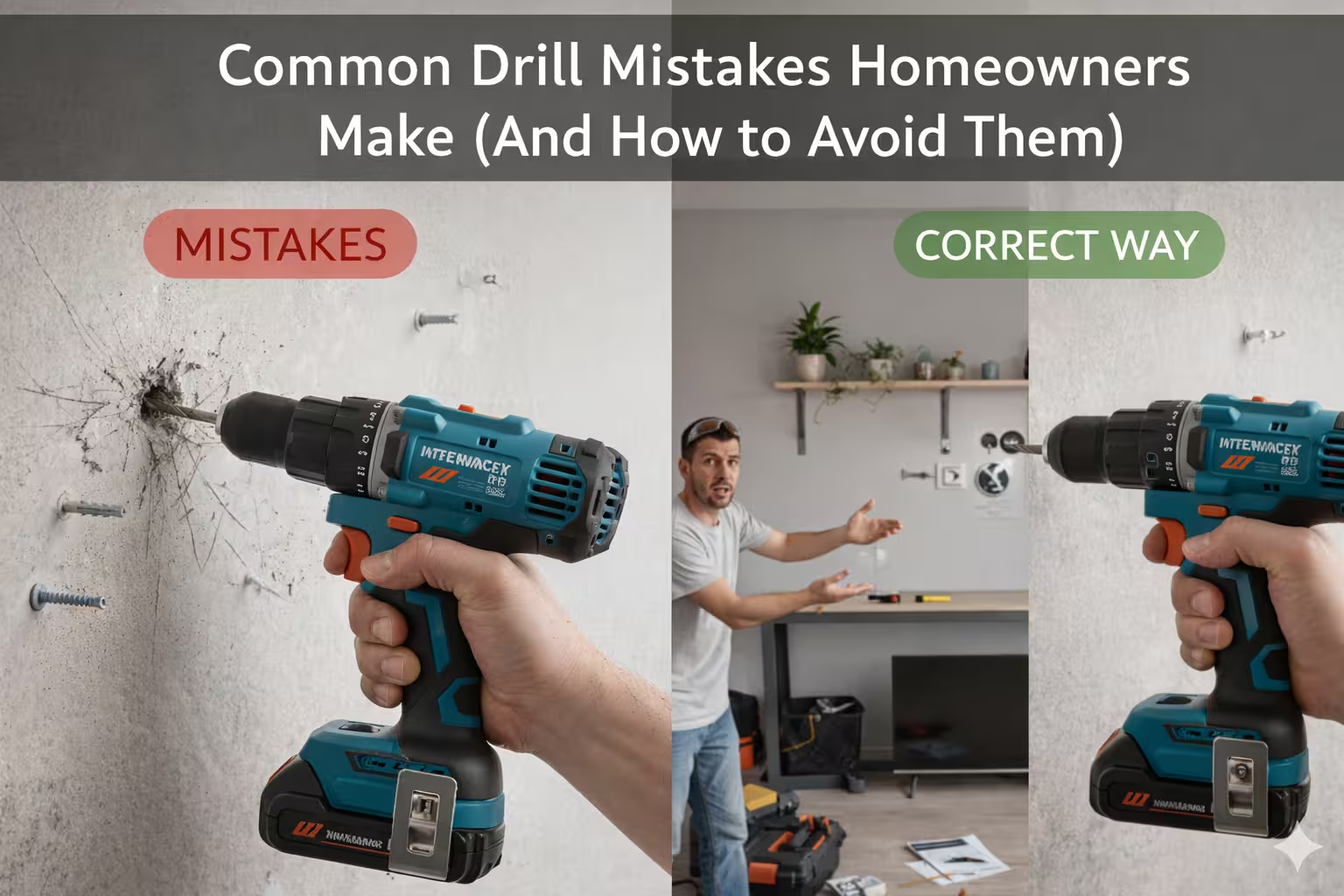
    Homeowners and DIY users often wonder whether a standard drill is enough for drilling into concrete walls. The short answer is yes, sometimes, but it depends on the type of concrete, the hole size, and the drill itself. This guide explains when a regular drill works, when it doesn’t, and what to expect.


    Short Answer

    A regular drill can drill into concrete, but only for light-duty tasks. Dense concrete, large holes, or repeated drilling usually require a hammer drill or rotary hammer.


    When a Regular Drill Can Work

    A standard drill may be enough in these situations:

    • Soft or older concrete
    • Concrete block or mortar joints
    • Small holes (typically under 1/4 inch)
    • Occasional drilling, not repeated use

    In these cases, using a masonry drill bit and applying steady pressure at low speed can allow a regular drill to slowly penetrate the surface.


    When a Regular Drill Is Not Enough

    A regular drill will struggle or fail when:

    • Drilling into reinforced or cured concrete
    • Drilling multiple holes
    • Making medium to large holes
    • The concrete is very dense or hard

    Without a hammering action, the drill bit often overheats, dulls quickly, or stops progressing altogether.


    Why Concrete Is Hard to Drill

    Concrete is not just hard — it is abrasive. It resists cutting and requires both rotation and impact to break apart effectively. This is why tools designed for masonry use a hammering motion in addition to spinning.

    Regular drills provide rotation only, which makes drilling slow and difficult in tougher materials.

    Better Tool Options for Concrete

    If you plan to drill concrete more than once, upgrading the tool makes a big difference.

    • Hammer drills add a light hammering motion for improved performance
    • Rotary hammers deliver strong impact energy for fast, clean holes

    For a full breakdown of the right tools, see our guide on the best drill for concrete walls.


    Tips If You Use a Regular Drill

    If you must use a standard drill:

    • Always use a masonry drill bit
    • Drill at low speed
    • Apply firm, steady pressure
    • Pause often to prevent overheating
    • Expect slower progress

    These steps can help, but they do not replace the performance of the proper tool.


    Conclusion

    A regular drill can drill into concrete in limited situations, but it is not ideal. For small, occasional holes in soft material, it may work with patience. For anything more demanding, a hammer drill or rotary hammer will save time, effort, and frustration.

    Choosing the right tool from the start leads to cleaner holes and safer results.
  • Best Drill for Concrete Walls (2025 Guide)

    Drilling into concrete walls is very different from drilling into wood or drywall. Concrete, brick, and masonry are dense, hard materials that require the right type of drill and technique. This guide is for homeowners and DIY users who want to hang shelves, install anchors, mount TVs, or complete basic renovation work without damaging tools or walls.
    Below, you’ll learn which drill works best for concrete walls, how different drill types compare, what features actually matter, and how to avoid common mistakes.


    What Type of Drill Is Best for Concrete Walls?

    A hammer drill is the best choice for most homeowners drilling into concrete walls.

    A hammer drill combines rotational drilling with a hammering action that helps break up concrete as the bit spins. This makes drilling faster, easier, and far less stressful on the drill and the user.

    For small holes and light-duty tasks, a hammer drill is ideal. For very hard concrete, thick slabs, or repeated heavy drilling, a rotary hammer is more effective. A regular drill can work in limited cases but is not recommended for most concrete jobs.If you’re unsure whether a standard drill is enough for masonry work, see our detailed guide on can a regular drill drill into concrete.


    Hammer Drill vs Regular Drill vs Rotary Hammer

    Understanding the differences between these tools helps you choose the right one for your project.

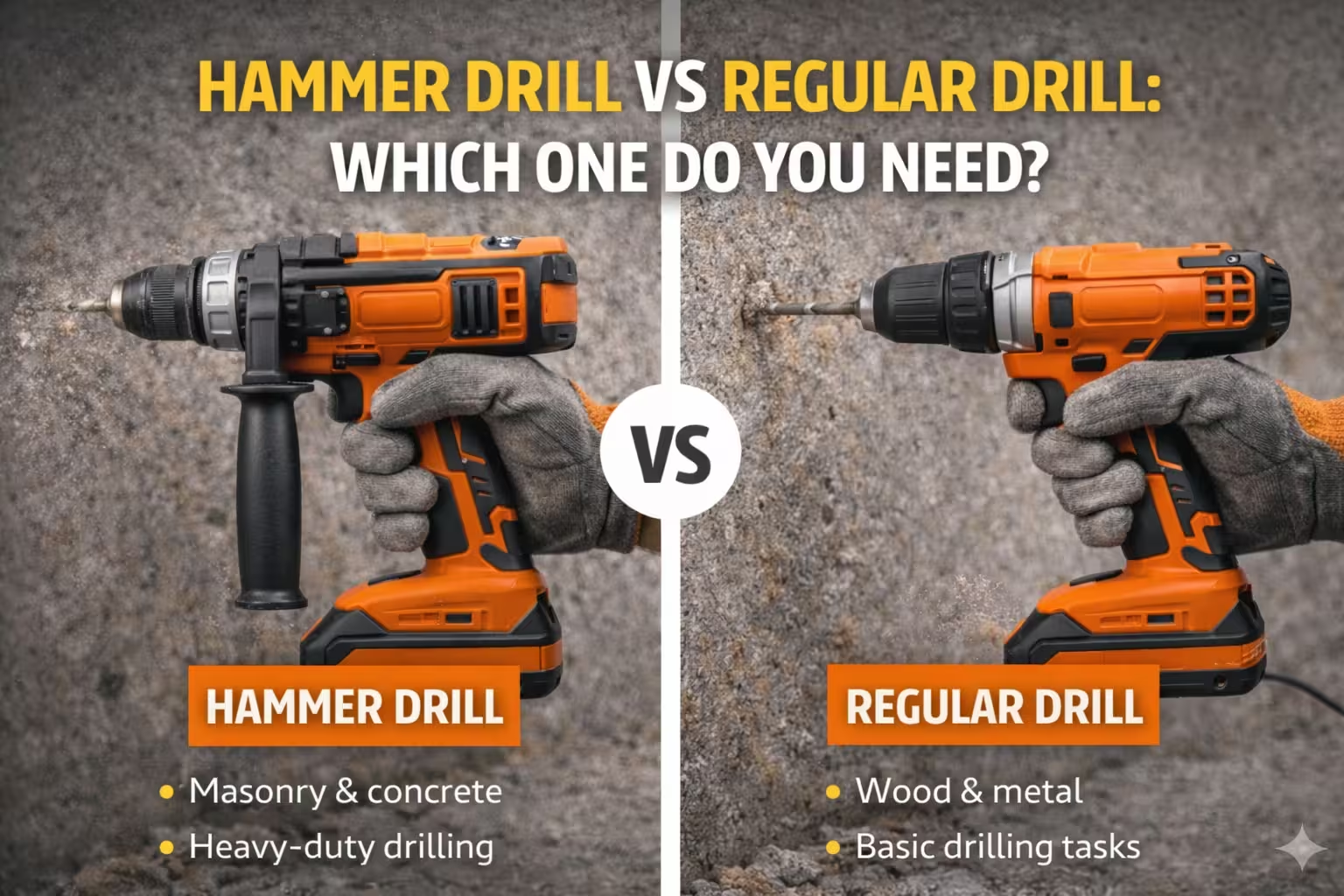
    Regular Drill

    A standard drill only spins the bit. It does not provide any hammering action.

    • Best for: Wood, drywall, light materials
    • Concrete performance: Poor to limited
    • Verdict: Can drill into soft masonry with masonry bits, but slow and inefficient

    Hammer Drill

    A hammer drill spins and lightly “punches” the bit forward as it rotates.

    • Best for: Concrete walls, brick, masonry anchors
    • Concrete performance: Good for most household tasks
    • Verdict: Best all-around option for homeowners

    Rotary Hammer

    A rotary hammer uses a piston-driven hammering mechanism that delivers much more impact force.

    • Best for: Thick concrete, structural work, large holes
    • Concrete performance: Excellent
    • Verdict: Overkill for most DIY users, but ideal for heavy-duty work

    Summary:

    • Small to medium holes → Hammer drill
    • Large holes or repeated drilling → Rotary hammer
    • Occasional light drilling → Regular drill (not ideal)

    What Features Matter When Drilling Concrete

    Not all drills perform the same, even within the same category. These features make the biggest difference when drilling into concrete walls.

    Hammer Function

    A true hammer mode is essential. Make sure the drill has a dedicated hammer setting, not just high speed.

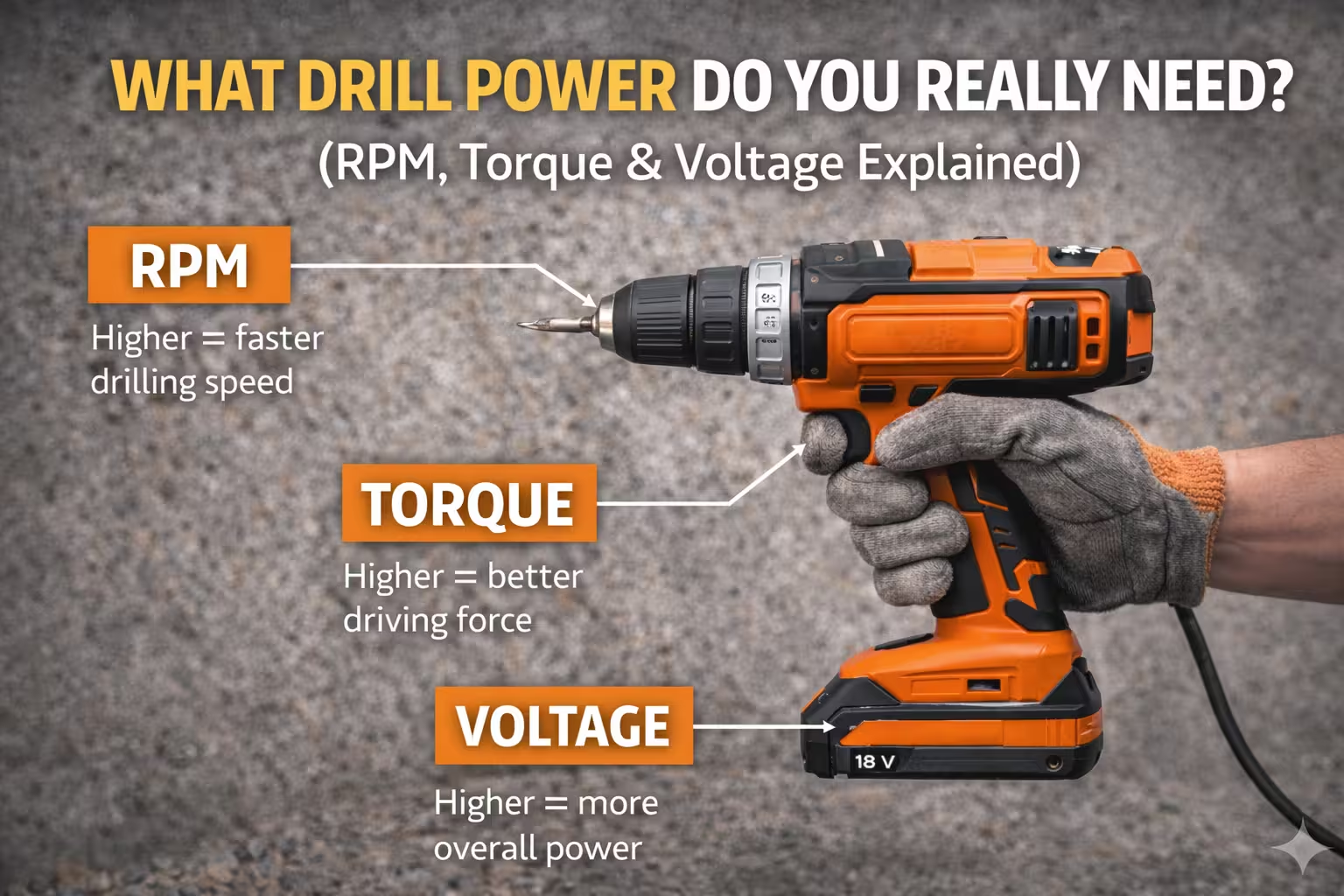
    Power and Torque

    Concrete requires steady power. Higher torque helps maintain drilling pressure without stalling.

    Speed Control

    Lower speeds with consistent power reduce bit wear and improve control.

    Masonry Bit Compatibility

    The drill should accept masonry or SDS bits, depending on the tool type.

    Grip and Stability

    Concrete drilling requires firm pressure. A side handle or ergonomic grip improves safety and accuracy.


    Safety Tips for Drilling Concrete Walls

    Drilling into concrete creates dust, vibration, and resistance. Basic safety steps reduce risk.

    • Wear eye protection to block concrete dust
    • Use hearing protection for extended drilling
    • Start drilling slowly to prevent bit wandering
    • Keep the drill perpendicular to the wall
    • Take breaks to prevent overheating
    • Check for electrical wiring or plumbing before drilling

    Concrete dust can be harmful when inhaled, so proper ventilation is important.


    Common Mistakes to Avoid

    Many drilling problems come from simple errors.

    • Using wood or metal drill bits instead of masonry bits
    • Applying too much pressure instead of letting the drill work
    • Drilling at high speed instead of controlled speed
    • Using a regular drill for hard concrete
    • Skipping pilot holes when accuracy matters

    Avoiding these mistakes extends tool life and produces cleaner holes.


    Frequently Asked Questions

    Can a regular drill drill into concrete?

    Yes, but only into soft masonry and very slowly. A hammer drill is far more effective and safer for concrete walls.

    Do I need special drill bits for concrete?

    Yes. Masonry drill bits are designed to handle concrete and brick. Standard bits will dull quickly or fail.

    How deep can you drill into a concrete wall?

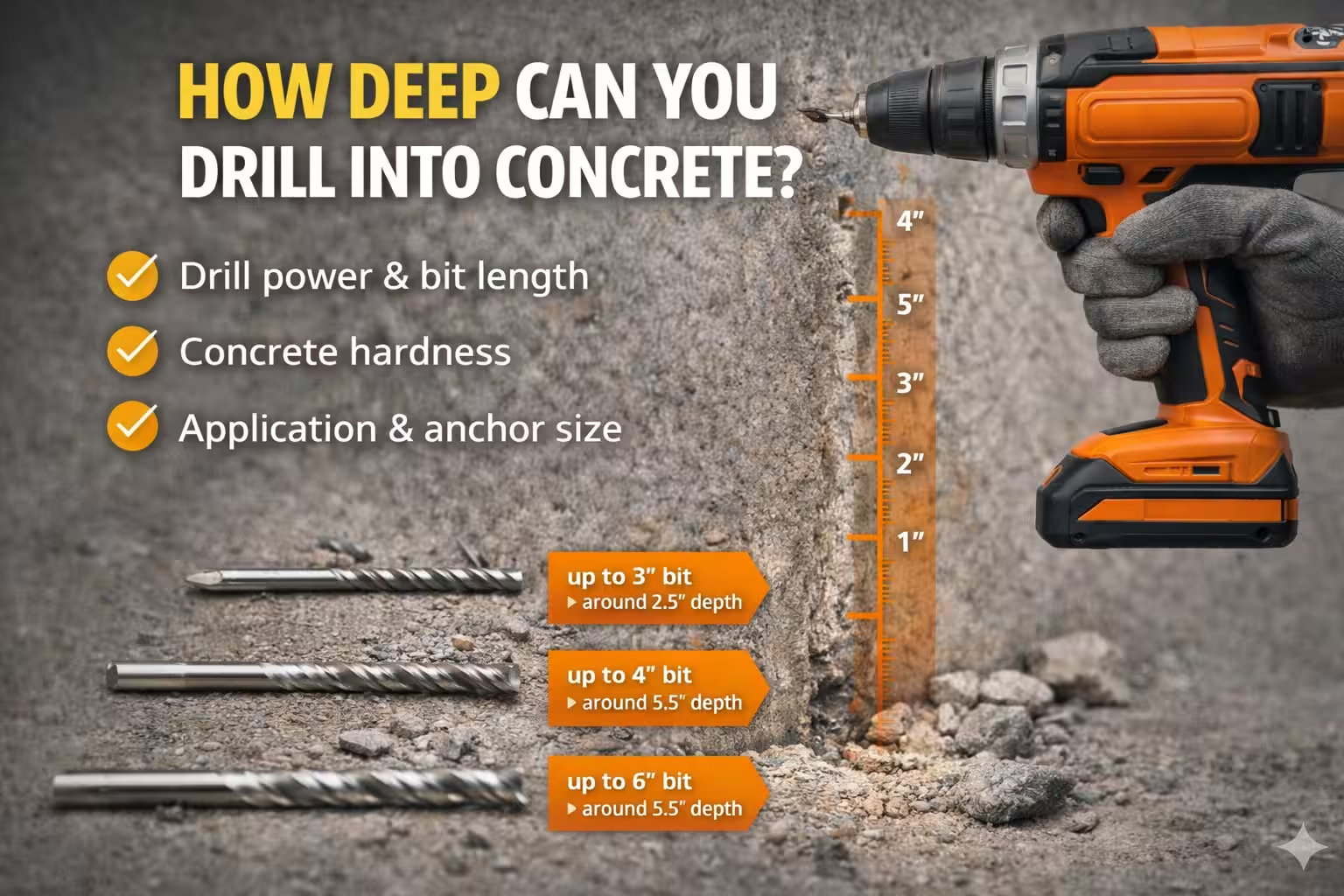
    Depth depends on the drill power, bit length, and concrete hardness. Most homeowner drills can handle anchor-depth holes easily.

    Should I use hammer mode on brick walls?

    Yes. Brick and mortar respond well to hammer mode, but start slowly to avoid cracking.

    Is a rotary hammer better than a hammer drill?

    A rotary hammer is stronger, but for most DIY tasks, a hammer drill is easier to control and more practical.


    Conclusion

    Drilling into concrete walls requires the right tool, not brute force. For most homeowners and DIY users, a hammer drill offers the best balance of power, control, and ease of use. Rotary hammers are reserved for heavy-duty work, while regular drills are best avoided for concrete whenever possible.

    Using the correct drill, proper bits, and safe technique makes drilling into concrete walls faster, cleaner, and far less frustrating.