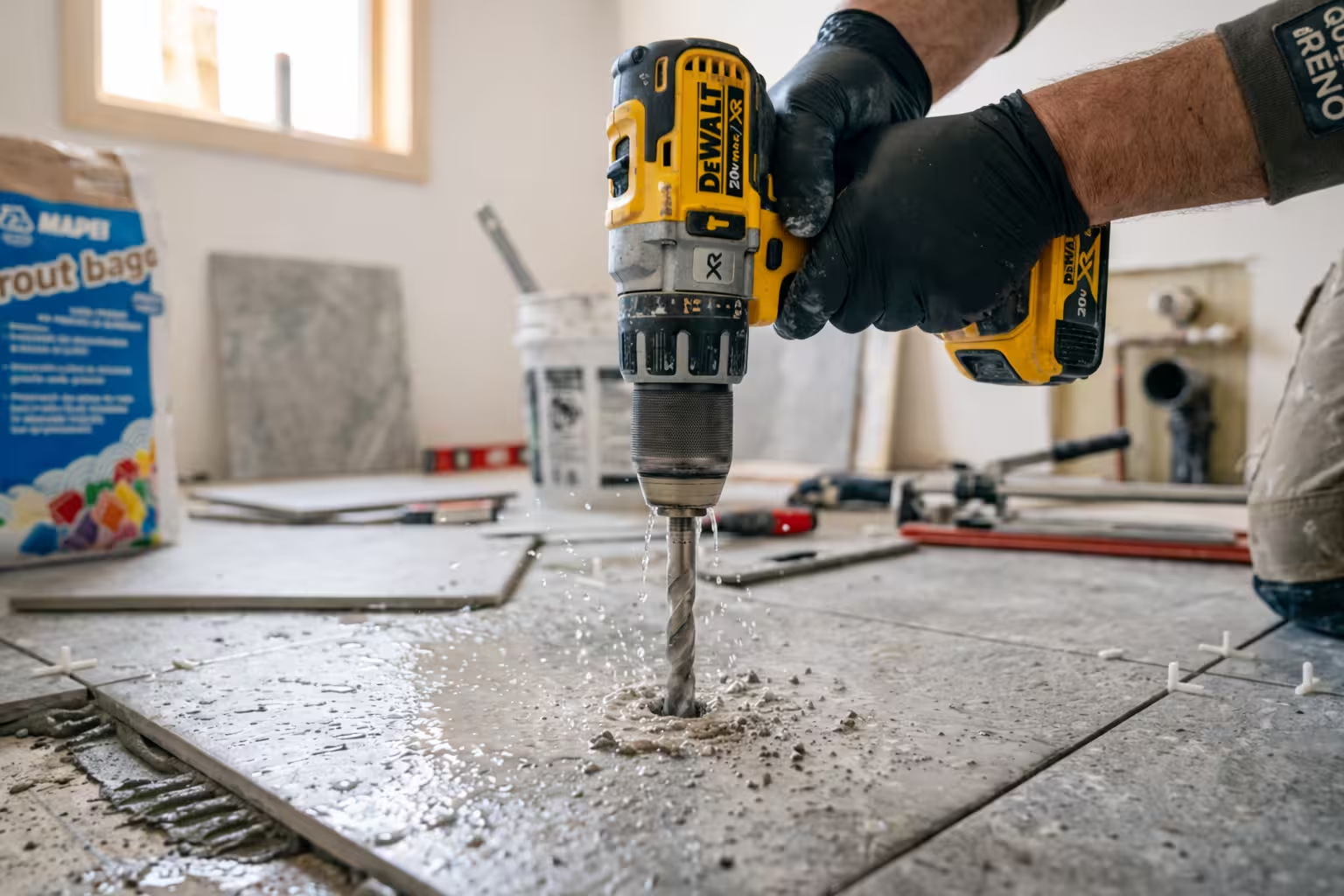
Drilling into tile and porcelain can be challenging because these materials are extremely hard but also very brittle. Using the wrong drill bit or drilling technique can easily cause cracks, chipped edges, or broken tiles.
Choosing the best drill bit for tile and porcelain ensures clean holes, reduces the risk of damage, and makes installation projects much easier.
Whether you’re installing bathroom fixtures, mounting shelves, or running plumbing through tile surfaces, the correct drill bit and drilling technique are essential.
If you want a broader overview of drill bits used for different materials, see (Best Drill Bits for Every Material (2026 Complete Guide)).
Tile Drill Bit Types Comparison
Different drill bits can be used to drill tile depending on the hardness of the material.
| Drill Bit Type | Best For | Material | Key Feature |
|---|---|---|---|
| Diamond Drill Bit | Porcelain tile | Porcelain, ceramic | Extremely hard cutting edge |
| Carbide Tile Bit | Ceramic tile | Ceramic | Spear-shaped carbide tip |
| Glass Drill Bit | Glass and soft tile | Glass, ceramic | Sharp spear point |
| Hole Saw Diamond Bit | Large holes | Porcelain, tile | Circular diamond cutting edge |
Using the correct drill bit significantly reduces the risk of cracking tiles.
Diamond Drill Bits
Diamond drill bits are the best drill bit for porcelain tile and extremely hard surfaces.
These bits use industrial diamond particles embedded in the cutting edge to grind through hard materials instead of cutting them aggressively.
Diamond drill bits are commonly used for:
- porcelain tile
- granite tile
- stone surfaces
- glass
Because porcelain tiles are very dense, diamond drill bits are often the safest and most effective option.
They produce smooth holes and reduce the chance of cracking the tile.
Carbide Tile Drill Bits
Carbide tile drill bits are commonly used for drilling ceramic tiles.
They feature a spear-shaped carbide tip that helps the drill bit slowly penetrate the tile surface.
These bits are ideal for:
- bathroom tile installation
- kitchen backsplash drilling
- mounting fixtures on ceramic tiles
Carbide tile bits are effective for softer tiles but may struggle with very dense porcelain tiles.
For extremely hard tiles, diamond bits typically perform better.
Diamond Hole Saw Drill Bits
When large holes are required, diamond hole saw drill bits are often the best option.
These bits create clean circular holes and are commonly used for installing:
- plumbing pipes
- shower fixtures
- electrical outlets
- faucet connections
Diamond hole saw bits grind through tile surfaces while maintaining smooth hole edges.
Because they cut slowly and evenly, they reduce the risk of cracking tiles.
Why Tiles Crack During Drilling
Tile cracking is one of the most common problems homeowners encounter when drilling into tile.
This usually happens when too much pressure or speed is applied during drilling.
Common causes include:
Drilling too fast
High speeds generate excessive heat and stress.
Using the wrong drill bit
Standard drill bits are not designed for tile surfaces.
Applying too much pressure
Too much pressure can fracture the tile.
Using hammer mode
Hammer drills should never be used when starting holes in tile.
If drill bits frequently overheat or break, see (Why Drill Bits Burn or Break (And How to Prevent It)).
Tips for Drilling Tile Without Cracking
Using the correct technique is just as important as using the right drill bit.
Use masking tape
Applying tape over the drilling area helps prevent the drill bit from slipping across the tile surface.
Drill slowly
Low speed helps prevent overheating and cracking.
Use water for cooling
Water reduces heat buildup when drilling hard tiles like porcelain.
Start with light pressure
Allow the drill bit to slowly grind into the tile.
These techniques significantly reduce the risk of damaging tile surfaces.
Porcelain vs Ceramic Tile
Understanding the difference between porcelain and ceramic tiles helps determine the best drill bit to use.
Ceramic tiles
- softer material
- easier to drill
- carbide tile bits work well
Porcelain tiles
- extremely dense
- harder to drill
- diamond drill bits recommended
Because porcelain tiles are fired at higher temperatures, they become much harder than ceramic tiles.
This is why diamond drill bits are often required for porcelain surfaces.
Choosing the Right Drill
The drill itself can also affect drilling performance.
For tile drilling, a standard drill with variable speed control is usually recommended.
Hammer mode should always be turned off when starting a hole in tile.
Once the tile layer is drilled through, hammer mode may sometimes be used when drilling into the concrete behind the tile.
If you’re choosing a drill for home projects, see (Best Drill for Home Use (2026 Guide)).
Final Thoughts
Choosing the best drill bit for tile and porcelain helps prevent cracks and produces clean, professional holes.
Quick recap:
- Diamond drill bits are best for porcelain tiles
- Carbide tile bits work well for ceramic tiles
- Diamond hole saw bits create large circular holes
- Slow drilling speeds help prevent tile damage
Using the correct drill bit and proper drilling technique will ensure safe and accurate drilling into tile surfaces.
For a complete overview of drill bits used for different materials, see (Best Drill Bits for Every Material (2026 Complete Guide)).
Tile and Porcelain Drill Bit FAQs
Frequently Asked Questions About Drill Bits for Tile and Porcelain
What is the best drill bit for tile and porcelain?
The best drill bits for tile and porcelain are diamond drill bits or carbide-tipped spear-point drill bits. These bits are designed to cut through hard ceramic surfaces without cracking or chipping the tile.
Can you drill porcelain tile with a regular drill bit?
No. Standard metal or wood drill bits are not designed for hard materials like porcelain. Drilling porcelain requires diamond drill bits or specialized tile drill bits to prevent cracking and excessive wear.
Do you need a hammer drill to drill tile?
No. When drilling tile or porcelain, you should turn off the hammer function on your drill. The hammering action can crack or break the tile. Use slow speed and steady pressure instead.
What speed should you use when drilling tile?
Tile and porcelain should be drilled at low speed with light pressure. Drilling too fast creates heat and increases the risk of cracking the tile.
Do you need water when drilling porcelain tile?
Yes. Water acts as a coolant and lubricant, reducing heat and helping the drill bit cut more smoothly through the tile surface.
How do you stop a drill bit from slipping on tile?
Tile surfaces are very smooth, so drill bits can slip easily. To prevent slipping:
- Place masking tape over the drilling spot
- Mark the hole location clearly
- Start drilling slowly to create a small guide hole
Why does tile crack while drilling?
Tile can crack due to excessive pressure, high drilling speed, using the hammer function, or using the wrong drill bit. Always use tile-specific drill bits and drill slowly.
What drill bit should you use for large holes in tile?
For larger holes in tile or porcelain, diamond hole saw drill bits are typically used. These bits allow you to drill clean circular openings for pipes, plumbing fixtures, or electrical outlets.
Can you drill through grout instead of tile?
Yes. Drilling through grout lines is sometimes easier and reduces the risk of damaging the tile. However, grout may not always provide enough strength for anchors depending on the installation.
Leave a Reply