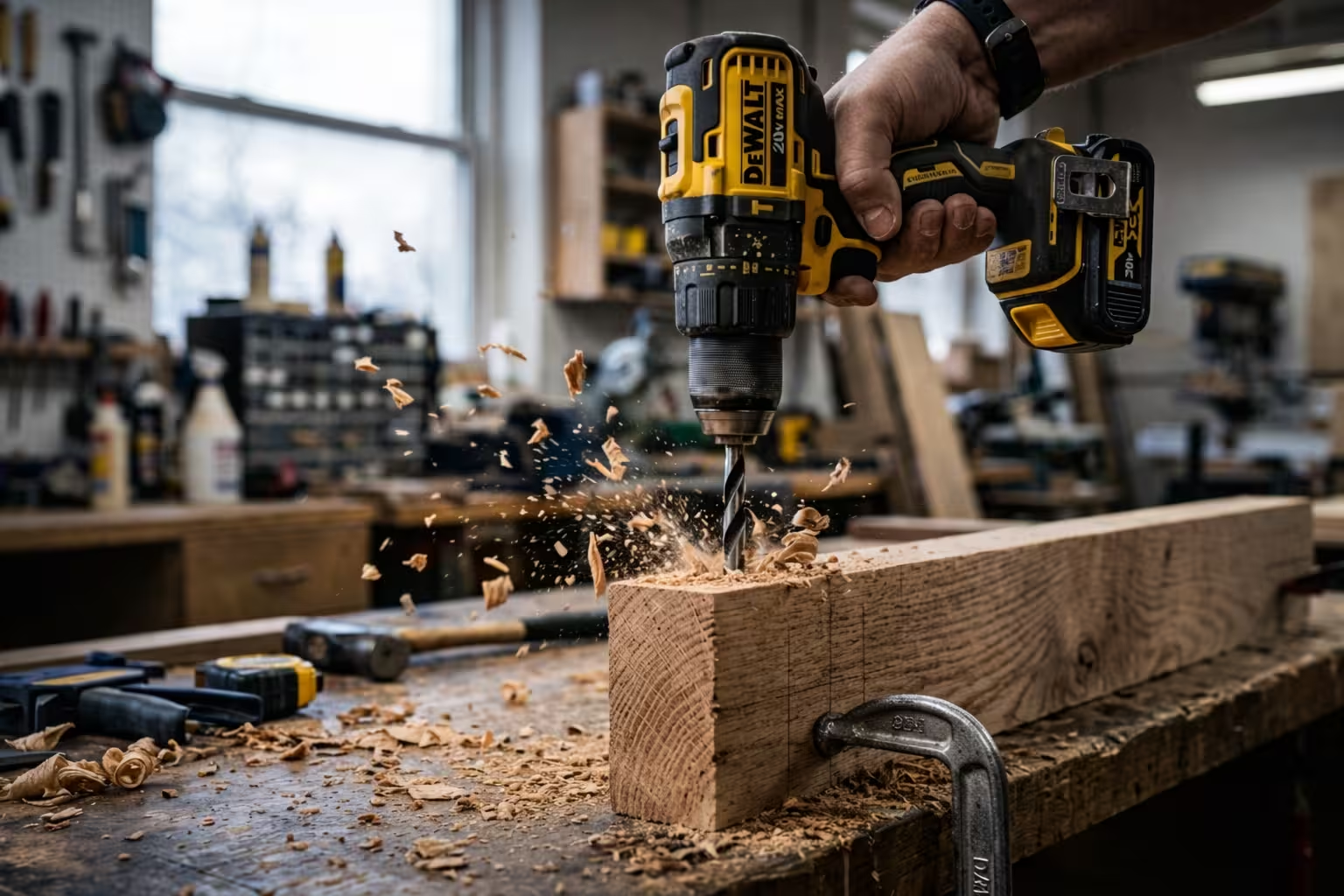
Drilling into wood may seem simple, but choosing the right drill bit can make a huge difference in the quality of the hole. The best drill bits for wood produce clean edges, accurate holes, and smooth drilling without splintering the material.
Whether you’re building furniture, installing shelves, or working on DIY home repairs, using the correct wood drill bit helps improve precision and reduce damage to the wood surface.
In this guide, we’ll cover the best drill bits for wood, when to use each type, and how to get perfectly clean holes every time.
If you want a complete overview of drill bits for different materials, see our guide on (Best Drill Bits for Every Material).
What Makes a Drill Bit Good for Wood?
Wood drill bits are designed differently from metal or masonry bits. They typically include a sharp center point and cutting spurs that help guide the bit and produce cleaner holes.
Good wood drill bits should offer:
- Sharp cutting edges
- A center point for accurate positioning
- Fast chip removal
- Clean entry and exit holes
- Minimal tear-out on the wood surface
These features allow the bit to cut through wood fibers efficiently while maintaining a smooth finish.
Best Types of Drill Bits for Wood
Several types of drill bits work well for wood, but each serves a different purpose depending on the type of project.
Brad Point Drill Bits (Best for Clean Holes)
Brad point drill bits are one of the best options for drilling clean holes in wood.
These bits feature a sharp center point that keeps the bit from wandering and two outer cutting spurs that slice through wood fibers before the bit removes material.
Advantages of Brad Point Bits
- Extremely accurate drilling
- Clean hole edges
- Minimal splintering
- Ideal for woodworking projects
Brad point bits are commonly used for:
- Furniture building
- Cabinet making
- Wood joinery
- Precise dowel holes
For most woodworking tasks, brad point bits are considered the best all-around drill bits for wood.
Spade Drill Bits (Best for Fast Drilling)
Spade bits, also known as paddle bits, are designed for fast drilling in wood.
They have a flat blade shape with a center point and two cutting edges.
Advantages of Spade Bits
- Drill large holes quickly
- Affordable and widely available
- Good for rough construction work
Spade bits are commonly used for:
- Running electrical cables
- Plumbing installations
- Framing projects
- Drilling large holes in softwood
The main drawback is that they tend to produce rougher holes compared to brad point bits.
Auger Drill Bits (Best for Deep Holes)
Auger drill bits are designed for deep drilling in wood.
They feature a threaded screw tip that pulls the bit into the wood automatically while the spiral flutes remove chips efficiently.
Advantages of Auger Bits
- Excellent chip removal
- Ideal for deep holes
- Smooth drilling action
- Great for thick wood beams
Auger bits are commonly used in carpentry and construction work.
Hole Saw Bits (Best for Large Holes)
Hole saws are used when you need to create large circular holes in wood.
These bits consist of a cylindrical saw blade attached to a mandrel.
Hole saws are often used for:
- Door lock installation
- Electrical boxes
- Pipe openings
- Ventilation holes
They are excellent for drilling holes that are much larger than standard drill bits.
Choosing the Right Drill for Wood
Most wood drilling can be done with a standard cordless drill.
If you’re looking for a reliable tool for home projects, see:
These guides cover the best drills for typical DIY work around the house.
Tips for Drilling Clean Holes in Wood
Even the best drill bit will produce poor results if used incorrectly.
Follow these tips for the best results.
Use the Correct Drill Speed
Wood drilling usually works best at medium to high speeds depending on the bit size.
Large bits should be used at slower speeds to maintain control.
Prevent Tear-Out
Tear-out happens when wood fibers splinter as the drill bit exits the material.
To reduce tear-out:
- Place a scrap piece of wood underneath the workpiece
- Drill slowly as the bit exits
- Use sharp brad point bits
Keep Drill Bits Sharp
Dull bits tear wood fibers instead of cutting them cleanly.
Sharp bits produce cleaner holes and require less pressure.
Avoid Overheating
Drill bits can overheat when used improperly or at excessive speeds.
If you want to understand why this happens, see our guide on (Why Drill Bits Burn or Break).
Drill Chuck Compatibility
Before purchasing new drill bits, make sure they fit your drill.
Most household drills use either 3/8-inch or 1/2-inch chucks.
If you’re unsure about compatibility, see our guide on (Drill Chuck Sizes Explained).
Understanding chuck sizes helps ensure your drill bits fit properly and operate safely.
Final Thoughts
Choosing the best drill bit for wood depends on the type of project and the size of the hole you need.
For most woodworking tasks:
- Brad point bits are best for clean, accurate holes
- Spade bits are best for fast drilling
- Auger bits are best for deep holes
- Hole saws are best for large openings
Using the right drill bit helps you drill faster, produce cleaner results, and extend the life of your tools.
If you’re building a complete drill bit collection, make sure to explore our full guide on (Best Drill Bits for Every Material).
Wood Drill Bit FAQs
Frequently Asked Questions About Drill Bits for Wood
What is the best drill bit for wood?
The best drill bit for wood is usually a brad point drill bit. Brad point bits have a sharp center tip and cutting spurs that create clean, precise holes with minimal splintering in wood.
Can you drill wood with a regular drill bit?
Yes. Standard high-speed steel (HSS) drill bits can drill wood, but they are not ideal for clean woodworking results. Specialized wood bits like brad point or spade bits provide faster drilling and cleaner holes.
What drill bit is best for drilling large holes in wood?
For large holes in wood, spade bits or hole saws are commonly used. Spade bits are great for fast rough holes, while hole saws create larger and cleaner circular openings.
What speed should you drill wood at?
Wood can usually be drilled at medium to high speeds depending on the drill bit size. Larger bits should be used at lower speeds to maintain control and prevent overheating.
How do you prevent wood from splintering when drilling?
To prevent splintering:
- Use brad point drill bits
- Place a scrap wood backing board behind the material
- Drill slowly when exiting the wood
- Use sharp drill bits
These techniques help produce cleaner holes in wood.
Why does my drill bit burn the wood?
Drill bits can burn wood when they are dull, spinning too fast, or when too much pressure is applied. Excessive friction generates heat that scorches the wood surface.
Can you use masonry drill bits on wood?
Masonry drill bits can technically drill wood, but they are not designed for wood fibers and usually produce rough holes. Wood-specific bits will always provide better results.
What drill bit is best for deep holes in wood?
Auger drill bits are ideal for drilling deep holes in wood. Their threaded tip pulls the bit into the wood while the spiral flutes remove wood chips efficiently.
What drill should you use for wood drilling?
Most woodworking tasks can be done with a standard cordless drill. If you’re choosing a drill for home projects, see (Best Drill for DIY Projects at Home) or (Best Drill for Small Home Repairs).
Leave a Reply