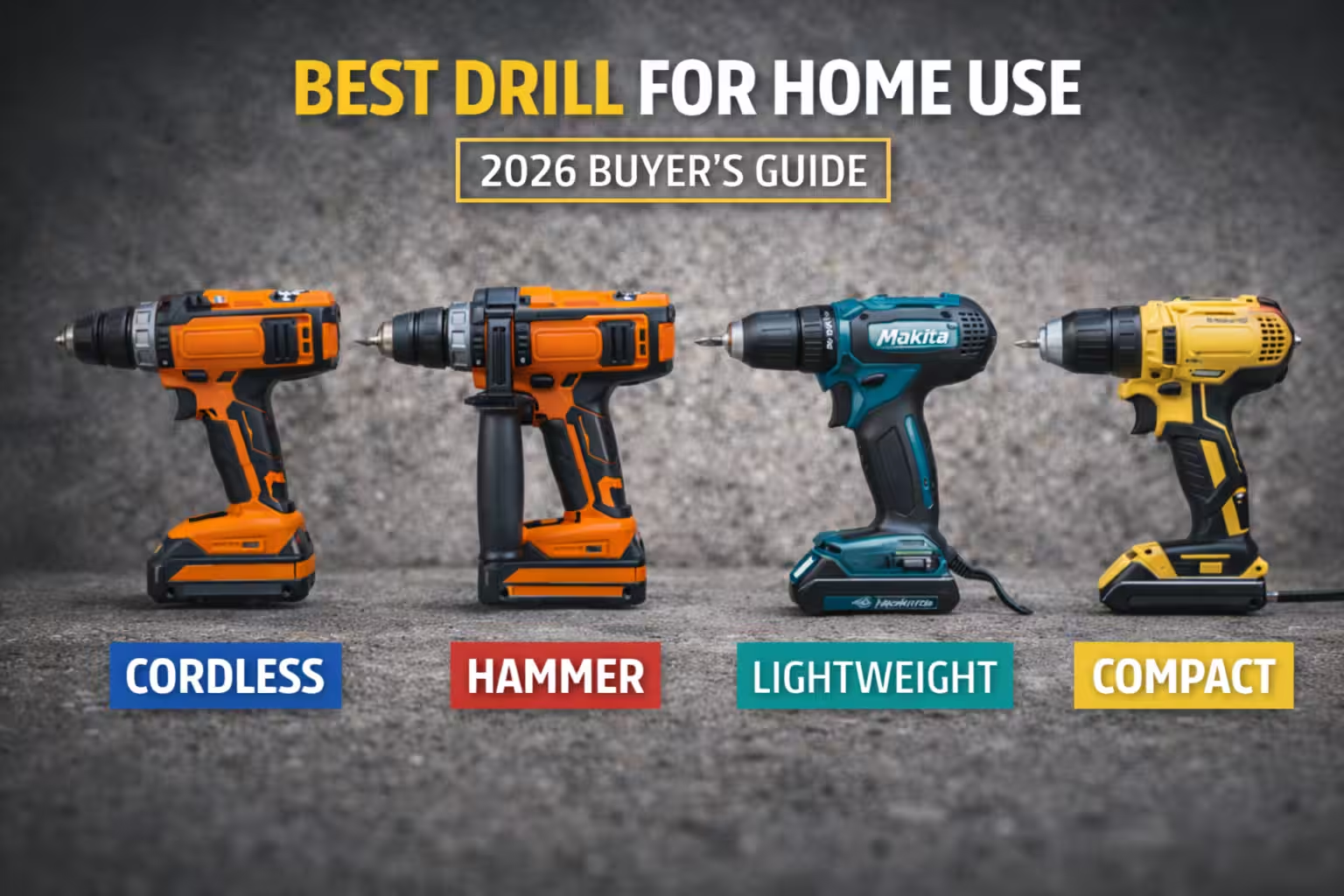
Choosing the best drill for home use in 2026 depends on what you plan to drill, how often you’ll use it, and whether you’re working with materials like wood, drywall, brick, or concrete.
For most homeowners and DIY users, the wrong drill leads to frustration, stripped screws, cracked walls, or wasted money. This guide explains exactly which drill you need, which features actually matter, and when you should upgrade to a more powerful tool—without buying professional-grade equipment you don’t need.
This is the complete homeowner drill guide, with links to detailed step-by-step and comparison articles when you want to go deeper.
What Is the Best Drill for Home Use in 2026?
For most homeowners, the best drill for home use is a cordless drill with hammer functionality.
Why? Because it handles:
- Wood and drywall
- Light masonry and brick
- Small concrete anchors
- Everyday DIY and home maintenance
If you plan to drill into concrete or masonry regularly, you’ll want a hammer-capable drill. For occasional concrete drilling, a standard drill can work—but with limitations (see:👉 (Best Drill for Concrete Walls (2025 Guide))
Types of Drills Explained (Homeowner-Friendly)
Regular Drill
A regular drill provides rotational force only.
Best for:
- Wood
- Drywall
- Plastic
- Light metal
Limitations:
- Struggles with concrete and brick
- Requires masonry bits and patience
👉 Learn the limits here: (Can a Regular Drill Drill Into Concrete?)
Hammer Drill
A hammer drill combines rotation with a light hammering action.
Best for:
- Concrete walls
- Brick and masonry
- Anchors and wall mounts
- Most homeowner projects
This is the sweet spot for home use.
👉 Full comparison: (Hammer Drill vs Rotary Hammer: What’s the Difference?)
Rotary Hammer
A rotary hammer uses a piston-driven impact system.
Best for:
- Thick concrete
- Structural drilling
- Large anchor holes
For most homeowners, this is overkill.
Cordless vs Corded Drills for Home Use
Most homeowners should choose cordless drills in 2026.
Cordless Drills
- Easy to use
- Portable
- Plenty powerful for DIY
- Ideal for indoor projects
Corded Drills
- Unlimited runtime
- Heavier
- Less convenient
👉 Full breakdown: (Cordless vs Corded Hammer Drill for Concrete: Which Is Better?)
What Features Matter Most in a Home Drill?
Power & Torque
You don’t need extreme power, but steady torque matters for drilling into tougher materials.
Hammer Mode
Essential if you plan to drill into:
- Concrete
- Brick
- Masonry
Speed Control
Lower speeds improve control and reduce bit wear.
Chuck Size
- ⅜” is fine for most homeowners
- ½” offers more versatility
👉 Detailed explanation: (Drill Chuck Sizes Explained)
Best Drill Uses by Project Type
Hanging Shelves or TVs
- Cordless hammer drill
- Masonry bit if mounting into concrete
Installing Concrete Anchors
- Hammer drill recommended
- Proper bit sizing matters
👉 See: (What Size Drill Bit Should You Use for Concrete Anchors?)
Renovation & General DIY
- Cordless drill with hammer mode
- Multiple speed settings
Safety Matters (Don’t Skip This)
Drills are powerful tools. Follow basic safety rules:
- Wear eye protection
- Keep the drill straight
- Let the drill do the work
- Avoid overheating bits
- Check for wiring and plumbing
👉 Full step-by-step safety guide: (How to Drill Into Concrete Safely – Step-by-Step Guide)
Common Drill Mistakes Homeowners Make
Avoid these common issues:
- Using the wrong drill bit
- Applying too much pressure
- Drilling too fast
- Using a regular drill for concrete
- Ignoring safety basics
👉 Full breakdown: (Common Mistakes When Drilling Into Concrete – And How to Avoid Them)
Watch: The Best Impact Drivers of 2026 Compared
If you’re still undecided on which brand to commit to, this deep dive by Pro Tool Reviews compares the heavy hitters—Milwaukee, DeWalt, Makita, and Flex—to see which one actually dominates on the job site.

Frequently Asked Questions
What is the best drill for a homeowner?
A cordless hammer drill offers the best balance of power, versatility, and ease of use.
Do I need a hammer drill for home use?
If you drill into concrete, brick, or masonry—even occasionally—yes.
Can one drill handle everything?
For most DIY users, yes. A quality hammer drill covers 90% of home projects.
Final Verdict: Best Drill for Home Use (2026)
If you want one drill that handles nearly every home project, choose a cordless hammer drill. It’s powerful enough for concrete, gentle enough for wood, and flexible enough for everyday DIY.
Use a regular drill only for light tasks. Reserve rotary hammers for heavy-duty concrete work.
This guide gives you the foundation—use the linked articles above to master each specific task with confidence.
Leave a Reply