Tag: DIY concrete projects

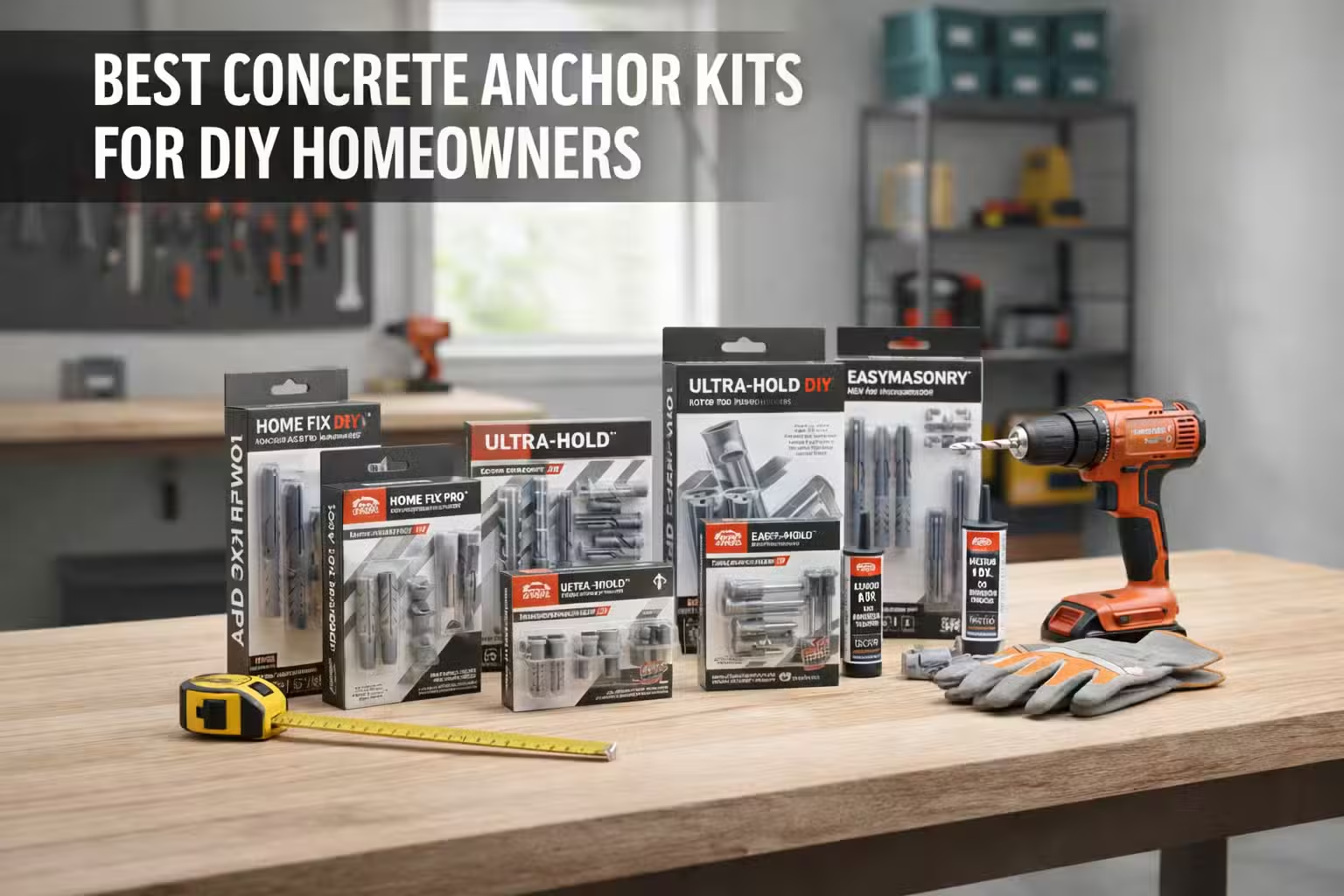
  • Best Concrete Anchor Kits for Homeowners (2026 Review)

    Best Concrete Anchor Kits for Homeowners (2026 Review)

    The best concrete anchor kits for homeowners make it easier to tackle a wide range of DIY projects without buying anchors one by one. Whether you’re mounting shelves, securing a TV, installing garage storage, or working on light outdoor projects, a quality anchor kit provides the right sizes and anchor types for safe, reliable fastening in concrete and masonry.

    If you’re new to concrete anchoring, start with (Best Concrete Anchors for Home Use – 2026 Guide) to understand anchor basics before choosing a kit.


    What Is a Concrete Anchor Kit?

    A concrete anchor kit is a bundled assortment of anchors designed to handle multiple household applications. Instead of buying individual fasteners for each project, a kit gives you a range of sizes and styles in one package.

    Most homeowner-focused kits include:

    • Tapcon-style concrete screws
    • Sleeve anchors
    • Small wedge anchors or drop-in anchors
    • Masonry drill bits (in higher-quality kits)

    If you’re unsure which anchor is best for each job, use (Concrete Anchor Selection Chart – Homeowner’s Quick Reference Guide) before installing.


    Best Types of Concrete Anchor Kits for DIY Homeowners

    Not all anchor kits are created equal. The best homeowner kits prioritize versatility, safety, and ease of installation.


    1️⃣ Tapcon Screw Kits (Best for Light-Duty Projects)

    Tapcon screws are ideal for:

    • Wall-mounted shelves
    • TV mounts into concrete
    • Wood-to-concrete fastening

    They’re quick to install, removable, and forgiving for DIY use. However, they are not designed for heavy structural loads.

    For a full comparison, see (Tapcon Screws vs Concrete Anchors: Which Should You Use?).


    2️⃣ Sleeve Anchor Kits (Best All-Around Option)

    Sleeve anchors are the most versatile anchors found in homeowner kits. They perform well in:

    • Solid concrete
    • Brick
    • Concrete block (CMU)

    Because sleeve anchors distribute expansion forces more evenly, they’re safer for mixed masonry projects.

    If you plan to anchor into masonry, read (Can You Use Concrete Anchors in Brick or Block?) before choosing wedge anchors.


    3️⃣ Wedge Anchor Kits (For Heavier Loads)

    Some premium kits include small wedge anchors for:

    • Deck posts
    • Railings
    • Structural brackets

    Wedge anchors provide the highest holding strength, but they require proper drilling, spacing, and edge distance.

    Before using them, review (How Much Weight Can Concrete Anchors Hold?) to confirm safety limits.


    What to Look for in the Best Concrete Anchor Kits (2026)

    When comparing kits, focus on quality and usability, not just the number of pieces.


    ✔ Multiple Sizes

    A good homeowner kit should include at least:

    • 3/16″
    • 1/4″
    • 3/8″

    Using the correct size allows you to match anchor strength to the job instead of over- or under-engineering.


    ✔ Clear Load Ratings

    Avoid kits that don’t specify load capacity. Improper load matching is one of the most common DIY mistakes, explained in (Common Concrete Anchor Mistakes (And How to Avoid Them)).


    ✔ Corrosion Resistance

    For garages, basements, or outdoor projects, zinc-plated or stainless anchors last significantly longer.


    ✔ Correct Drill Bits Included

    Using the wrong drill bit can ruin anchor performance. Always match bit size exactly, as explained in (What Size Drill Bit for Concrete Anchors?).

    If you’re unsure your drill is suitable, review (Best Drill for Concrete Walls (2025 Guide)) or (Best Drill for Home Use (2026 Guide)) before starting.


    Are Concrete Anchor Kits Safe for Heavy Loads?

    Concrete anchor kits are best suited for light to medium-duty household projects. For overhead or safety-critical applications—such as suspended piping, water heaters, or structural steel—individual anchors rated for the exact load are safer than general-purpose kits.

    Spacing and edge distance also matter. Poor placement weakens even strong anchors, so review (Concrete Anchor Spacing & Edge Distance: How Far Apart Should Anchors Be?) before heavier installations.


    Installation Tips for Kit-Based Anchors

    Even the best anchor kit will fail if installed incorrectly. Always:

    • Drill to the correct depth
    • Clean dust from the hole
    • Avoid cracked or deteriorated concrete
    • Tighten anchors to recommended torque

    For a complete walkthrough, follow (How to Install Concrete Anchors Correctly – Step-by-Step Guide).


    Final Verdict: Are Concrete Anchor Kits Worth It?

    Yes—for most DIY homeowners.

    Concrete anchor kits save money, reduce trips to the hardware store, and ensure you always have the right fastener on hand. The best kits combine Tapcon screws and sleeve anchors, cover multiple sizes, and provide clear load guidance.

    For heavy or safety-critical installations, individual anchors remain the better choice—but for everyday home projects, a quality concrete anchor kit is one of the most practical additions to your toolbox.


    Frequently Asked Questions

    Q: Are concrete anchor kits strong enough for home use?
    A: Yes. Most kits are designed for light to medium-duty household projects such as shelves, TV mounts, and garage storage.

    Q: What anchor types are usually included in concrete anchor kits?
    A: Most kits include Tapcon screws, sleeve anchors, and sometimes wedge or drop-in anchors in multiple sizes.

    Q: Can I use concrete anchor kits in brick or block?
    A: Some anchors in kits work in brick or CMU, but sleeve anchors are usually the safest option for masonry applications.
    Related Concrete Anchor Guides

  • Best Concrete Anchors for Home Use (2026 Guide)

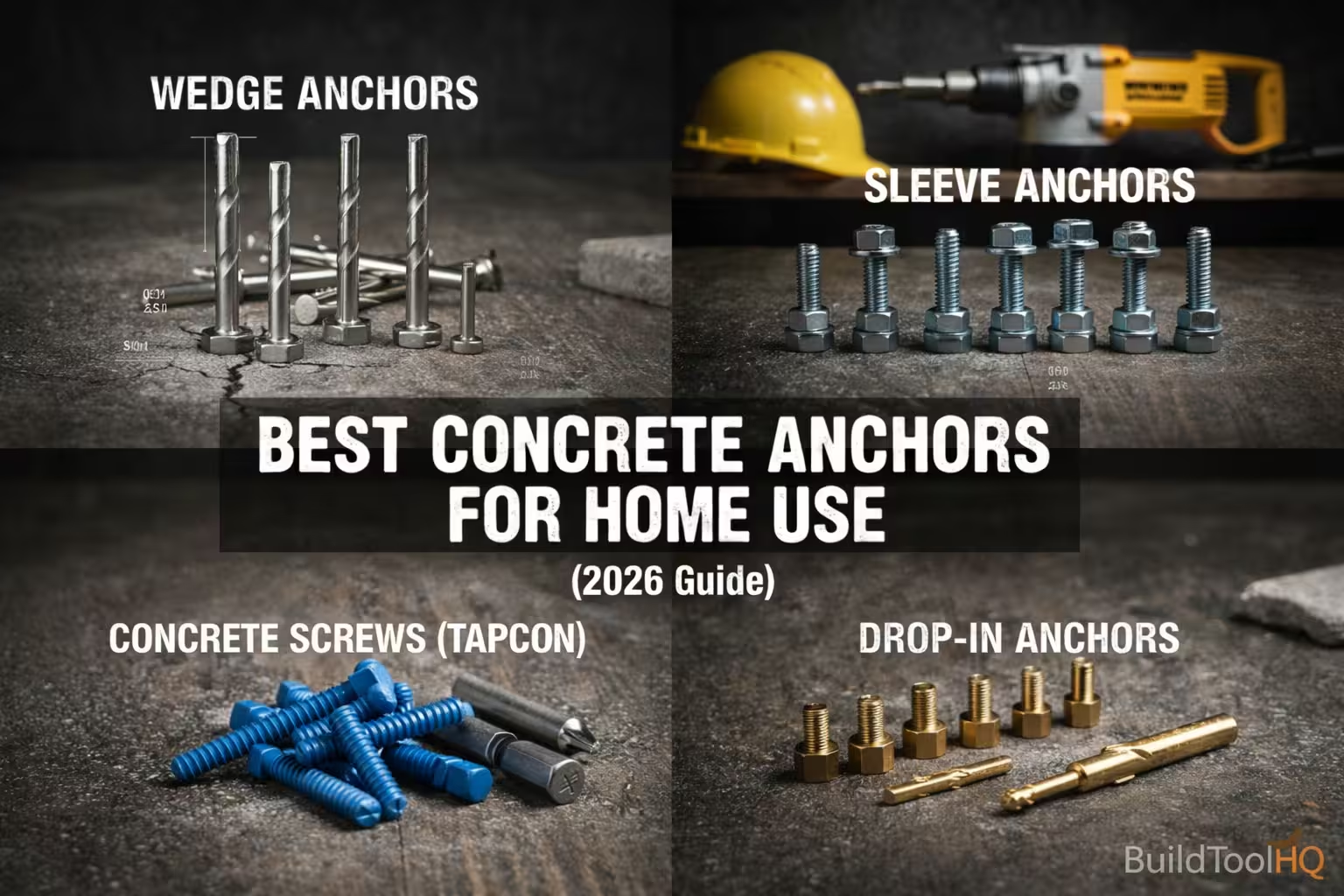
    Best Concrete Anchors for Home Use (2026 Guide)

    Best concrete anchors for home use are essential when mounting shelves, TVs, cabinets, and heavy fixtures into concrete, brick, or block walls. Choosing the wrong anchor can lead to loose mounts, cracked masonry, or unsafe installations — which is why selecting the right anchor type matters for every home project.

    In this guide, you’ll learn which concrete anchors are best for home use, how to choose the right type for your project, and how they connect with proper drilling techniques covered in our other guides.


    What Are Concrete Anchors?

    Concrete anchors are fasteners designed to secure objects into hard masonry surfaces such as concrete, brick, or concrete block. Unlike wood screws or drywall anchors, concrete anchors expand, grip, or thread directly into masonry to create a strong mechanical hold.

    Before choosing an anchor, it’s important to understand:

    • The type of wall (solid concrete, brick, block)
    • The weight of the item
    • The hole size and depth required

    If you’re not sure how drilling affects anchor strength, start with How Deep Can You Drill Into Concrete? and How to Drill Into Concrete Safely – Step-by-Step Guide


    Types of Concrete Anchors (Quick Overview)

    There are several common anchor types used by homeowners. Each has a specific use case.

    For a full breakdown, see (Types of Concrete Anchors Explained – Sleeve, Wedge, Drop-In, Tapcon).

    Common anchor types:

    • Sleeve anchors – versatile, good for brick and block
    • Wedge anchors – extremely strong, concrete only
    • Drop-in anchors – flush-mounted, professional-grade
    • Concrete screws (Tapcon-style) – removable and easy to install
    • Plastic masonry anchors – light-duty only

    Best Concrete Anchors for Common Home Projects

    🧱 Best for Shelves & Light Fixtures

    Concrete screws (Tapcon-style)

    • Easy installation
    • Removable
    • Ideal for shelves, towel bars, small cabinets

    Make sure your hole size is correct — see (What Size Drill Bit Should You Use for Concrete Anchors?).


    📺 Best for TV Mounts & Heavy Wall Loads

    Sleeve anchors or wedge anchors

    • High load capacity
    • Strong expansion grip

    If you’re comparing tools, (Hammer Drill vs Regular Drill: Which One Do You Need?) explains why hammer drills are often required for these anchors.


    🧰 Best for Brick or Block Walls

    Sleeve anchors

    • Even expansion prevents cracking
    • Works well in hollow materials

    Avoid wedge anchors in brick — this mistake is covered in (Common Mistakes When Drilling Into Concrete – And How to Avoid Them).


    🔩 Best for DIY Homeowners

    Concrete anchor kits

    • Multiple sizes included
    • Ideal for mixed projects

    We review the best options in (Best Concrete Anchor Kits for Homeowners – 2026 Review).


    How Much Weight Can Concrete Anchors Hold?

    Anchor strength depends on:

    • Anchor type
    • Diameter and embedment depth
    • Concrete quality
    • Installation accuracy

    For real-world numbers and safety margins, read (How Much Weight Can Concrete Anchors Hold? – Load Ratings Explained).

    ⚠️ Tip: Always derate manufacturer ratings by 25–30% for home projects.


    Concrete Anchors vs Wall Plugs

    Many homeowners confuse concrete anchors with plastic wall plugs.

    Here’s the rule:

    • Wall plugs → light-duty, masonry or brick
    • Concrete anchors → medium to heavy-duty loads

    We break this down clearly in (Types of Concrete Anchors Explained (Sleeve, Wedge, Drop-In, Tapcon).


    Drill Bits Matter More Than You Think

    The anchor is only as strong as the hole it’s installed in.

    Always use:

    • Carbide-tipped masonry bits
    • Correct diameter (never oversize)
    • Clean holes (dust reduces grip)

    If you’re unsure which bit to buy, see (Best Drill Bits for Concrete and Masonry).


    How to Install Concrete Anchors Correctly (Summary)

    Correct installation prevents anchor failure.

    Basic steps:

    1. Mark and level
    2. Drill to correct depth
    3. Clean out dust
    4. Insert anchor
    5. Tighten gradually

    For a full walkthrough, follow (How to Install Concrete Anchors Correctly – Step-by-Step Guide).


    Common Concrete Anchor Mistakes to Avoid

    Avoid these frequent errors:

    • Using the wrong anchor type
    • Drilling too shallow or too deep
    • Overtightening
    • Installing anchors too close to edges

    We cover these in detail in (Common Concrete Anchor Installation Mistakes – And How to Avoid Them).


    Best Tools for Installing Concrete Anchors

    For most home projects:

    • Hammer drill for concrete
    • Standard drill for light masonry
    • Cordless drills for small anchors

    Compare your options in:


    Final Recommendation: Which Concrete Anchor Should You Choose?

    Quick decision guide:

    • Shelves / fixtures → Concrete screws
    • TV mounts → Sleeve anchors
    • Structural loads → Wedge anchors
    • Mixed DIY jobs → Anchor kits

    If you’re still deciding between fastening methods, see (Tapcon Screws vs Concrete Anchors: Which Should You Use?).


    Next Steps

    Now that you understand concrete anchors, continue with:

    These guides will ensure your installations are safe, strong, and long-lasting.

    Concrete Anchor FAQs

    Frequently Asked Questions About Concrete Anchors

    What are the best concrete anchors for home use?

    The best concrete anchors for home use are usually concrete screws (Tapcon-style), sleeve anchors, or wedge anchors, depending on the weight of the item being installed. Concrete screws are ideal for light fixtures and shelves, while sleeve or wedge anchors are better for heavy loads such as TV mounts or cabinets.


    Can you use regular screws in concrete?

    No. Regular wood or drywall screws will not hold properly in concrete. Concrete requires specialized anchors or concrete screws designed to grip masonry surfaces and provide a secure hold.


    What drill bit should you use for concrete anchors?

    Concrete anchors require carbide-tipped masonry drill bits that match the diameter recommended by the anchor manufacturer. Using the wrong drill bit size can reduce the anchor’s holding strength.


    Do you need a hammer drill for concrete anchors?

    A hammer drill is strongly recommended when drilling into solid concrete. The hammering action helps break the concrete while the drill rotates, making drilling faster and more accurate.


    How deep should you drill for concrete anchors?

    The hole should usually be drilled slightly deeper than the anchor length to allow dust and debris to settle at the bottom. This helps the anchor seat fully and achieve maximum holding strength.


    How much weight can concrete anchors hold?

    Concrete anchor strength depends on:

    • Anchor type
    • Diameter and embedment depth
    • Concrete quality
    • Installation accuracy

    Heavy-duty anchors like wedge anchors or sleeve anchors can support hundreds of pounds when properly installed.


    Can you install concrete anchors in brick or block walls?

    Yes. Many concrete anchors can be installed in brick, mortar joints, or concrete block walls, but some anchors—such as wedge anchors—are designed specifically for solid concrete.


    Why do concrete anchors fail?

    Concrete anchors may fail due to:

    • Incorrect hole size
    • Dust left in the hole
    • Overtightening
    • Installing too close to edges
    • Using the wrong anchor type for the material

    Proper drilling and installation techniques are essential for a secure hold.


    Are concrete screws removable?

    Yes. Concrete screws (Tapcon-style anchors) can usually be removed and reinstalled, making them a popular option for DIY homeowners who may need to adjust or relocate fixtures.

  • What Size Drill Bit Should You Use for Concrete Anchors?

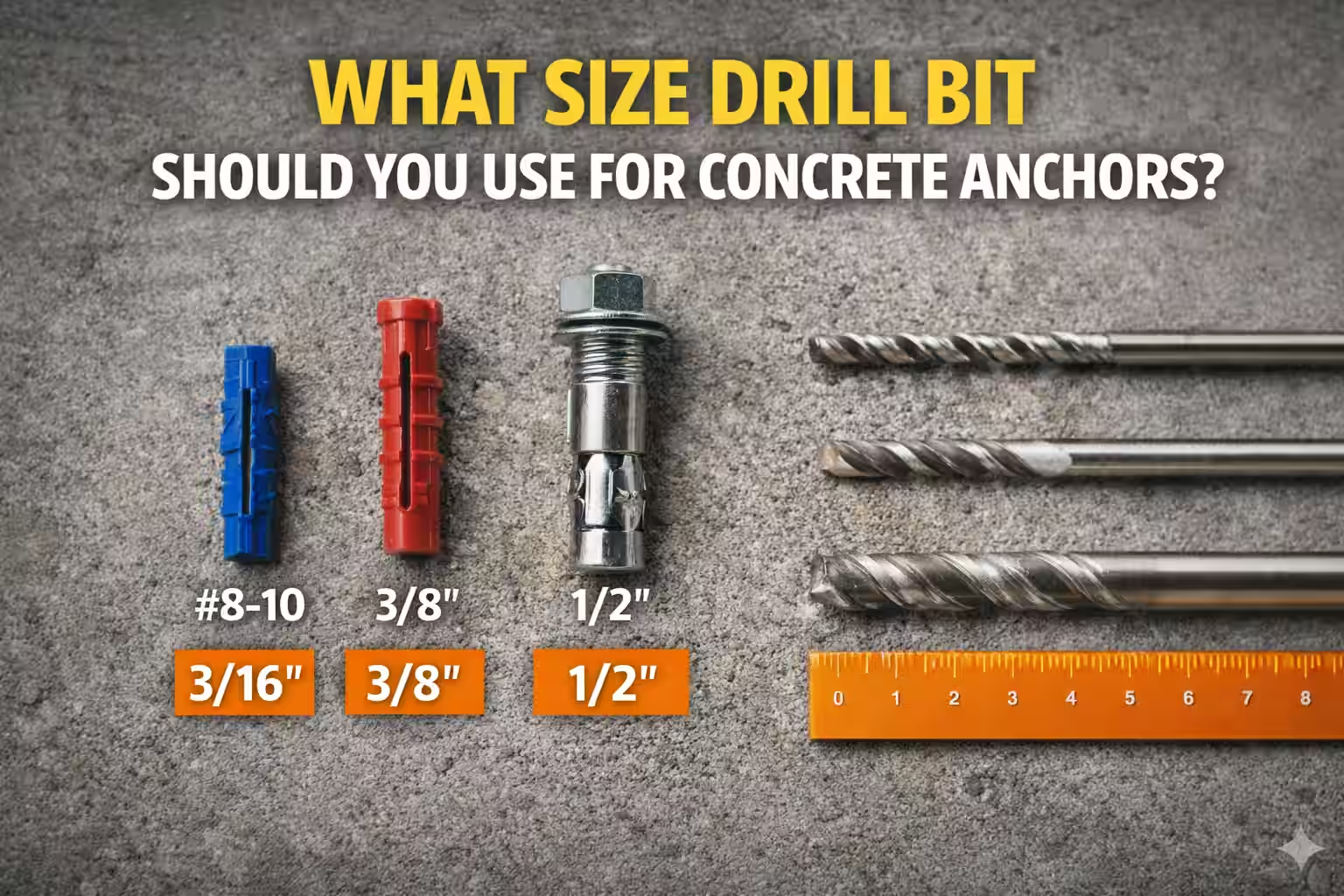
    What Size Drill Bit Should You Use for Concrete Anchors?

    What size drill bit should you use for concrete anchors is one of the most common questions homeowners ask when mounting shelves, brackets, TVs, or fixtures to concrete walls. Choosing the wrong bit size can lead to loose anchors, weak holding power, or damaged concrete.

    This guide explains how to choose the correct drill bit size for concrete anchors, how depth affects strength, and which mistakes to avoid for safe, reliable installations.


    Why Drill Bit Size Matters for Concrete Anchors

    Concrete anchors rely on friction, expansion, or bonding to hold securely inside the hole. If the hole size is incorrect, the anchor cannot perform as designed.

    • Hole too small → anchor won’t fit or may crack concrete
    • Hole too large → anchor won’t grip and may pull out
    • Incorrect depth → reduced holding strength

    Using the correct drill bit size ensures the anchor seats properly and supports the intended load.


    General Rule: Match the Drill Bit to the Anchor Size

    In most cases, the drill bit size should match the diameter of the anchor, not the screw.

    For example:

    • 1/4-inch anchor → 1/4-inch drill bit
    • 3/8-inch anchor → 3/8-inch drill bit

    Always follow the anchor manufacturer’s instructions when available.

    For an overview of tools suitable for anchor installation, see
    Best Drill for Concrete Walls (2025 Guide)


    Common Types of Concrete Anchors and Bit Size Requirements

    Plastic Expansion Anchors

    • Drill bit size = anchor diameter
    • Suitable for light-duty applications

    Sleeve Anchors

    • Drill bit size = anchor diameter
    • Used for medium to heavy loads

    Wedge Anchors

    • Drill bit size = anchor diameter
    • Designed for heavy-duty concrete fastening

    Drop-In Anchors

    • Drill bit size = anchor diameter
    • Requires precise depth and clean holes

    No matter the anchor type, accuracy matters.


    How Deep Should You Drill for Concrete Anchors?

    Drilling depth is just as important as diameter.

    As a general rule:

    • Drill the hole slightly deeper than the anchor length
    • Extra depth allows room for dust and debris

    Drilling too shallow prevents proper seating, while drilling excessively deep weakens the surrounding concrete.

    For a detailed explanation, see
    How Deep Can You Drill Into Concrete?


    Using the Correct Drill and Bit for Anchor Holes

    Concrete anchor holes should be drilled using:

    • A hammer drill for most wall applications
    • A rotary hammer for thick or reinforced concrete

    Use masonry drill bits with carbide tips to handle concrete abrasion.

    For bit selection guidance, read
    Best Drill Bits for Concrete and Masonry


    Common Mistakes When Drilling Anchor Holes

    Many anchor failures happen because of simple mistakes:

    • Using the wrong drill bit size
    • Not drilling deep enough
    • Failing to clear dust from the hole
    • Using a regular drill instead of a hammer drill
    • Applying excessive pressure

    Avoid these issues by following proper drilling technique.

    Common Mistakes When Drilling Into Concrete (And How to Avoid Them)


    Safety Tips When Drilling Anchor Holes

    Concrete drilling produces dust and vibration.

    Always:

    • Wear eye protection
    • Use hearing protection for extended drilling
    • Drill straight and steady
    • Clear dust before inserting anchors

    For a full safety walkthrough, follow
    How to Drill Into Concrete Safely (Step-by-Step Guide)


    Frequently Asked Questions

    Should the drill bit be the same size as the anchor?

    Yes. In most cases, the drill bit should match the anchor diameter exactly.

    Can I use a regular drill for anchor holes?

    Only for very soft masonry. For concrete walls, a hammer drill is recommended.

    Can a Regular Drill Drill Into Concrete?

    What happens if the hole is too big?

    The anchor may spin, loosen, or fail to hold weight securely.


    Conclusion: Choosing the Right Drill Bit Size for Concrete Anchors

    Choosing the correct drill bit size for concrete anchors is essential for safe, secure installations. Matching the bit size to the anchor, drilling to the proper depth, and using the right tools ensures strong holding power and long-lasting results.

    When in doubt, measure carefully and drill precisely—concrete offers no second chances.

  • How to Drill Into Concrete Safely (Step-by-Step Guide)

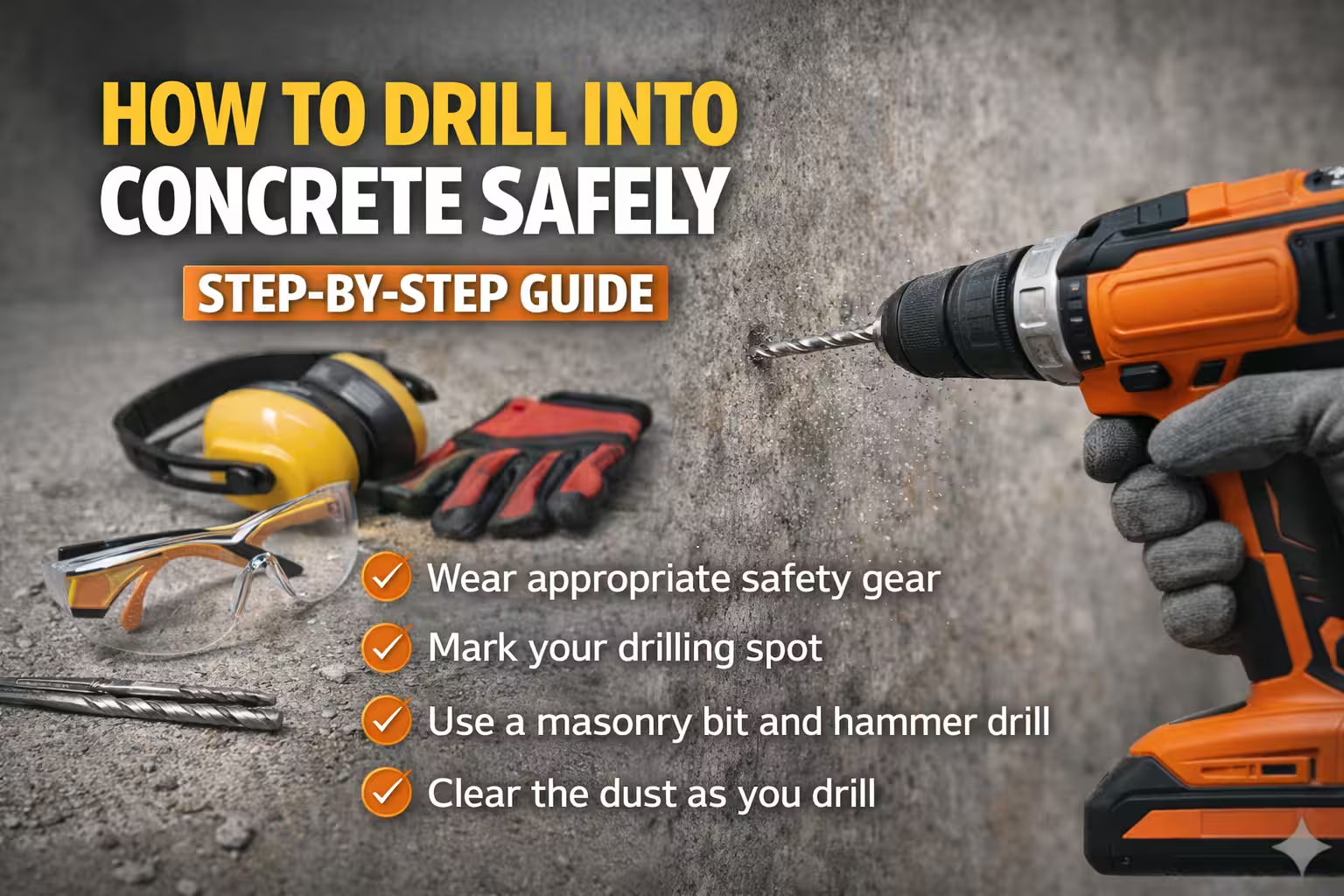
    How to Drill Into Concrete Safely (Step-by-Step Guide)

    How to drill into concrete safely is one of the most common concerns for homeowners and DIY users working with masonry walls. Concrete is extremely hard, produces fine dust, and places stress on both tools and users if done incorrectly.

    This step-by-step guide explains how to drill into concrete safely, which tools and drill bits to use, and how to avoid common mistakes that cause cracked walls, broken bits, or injuries.


    Step 1: Choose the Right Drill for Concrete

    Using the correct drill is the most important safety decision.

    For most homeowners, a hammer drill is the safest and most effective option for drilling into concrete walls. It combines rotation with a light hammering action that helps break up concrete as the bit spins.

    • For standard anchors and wall mounting → Hammer drill
    • For thick slabs or repeated heavy drilling → Rotary hammer
    • For light, occasional jobs only → Regular drill (not ideal)

    If you’re unsure whether your drill is suitable, see Can a Regular Drill Drill Into Concrete? and Hammer Drill vs Rotary Hammer: What’s the Difference?


    Step 2: Use the Correct Drill Bit

    Safety and performance depend heavily on using the right bit.

    Concrete requires masonry drill bits, which are designed to withstand high friction and impact. Using wood or metal bits will cause overheating, dulling, or snapping.

    For a detailed breakdown of bit types and materials, see Best Drill Bits for Concrete and Masonry

    Never drill concrete with:

    • Wood bits
    • Metal bits
    • Dull or damaged bits

    Step 3: Mark and Prepare the Drilling Spot

    Before drilling:

    1. Mark the hole location clearly
    2. Check for hidden electrical wires or plumbing
    3. Make sure the drill bit is seated straight in the chuck
    4. Hold the drill perpendicular to the wall

    Starting crooked increases the risk of bit slipping or wall damage.


    Step 4: Wear Proper Safety Gear

    Concrete drilling produces dust, vibration, and noise.

    Always wear:

    • Safety glasses (concrete dust can damage eyes)
    • Hearing protection for longer jobs
    • Gloves for grip and vibration control
    • A dust mask when drilling multiple holes

    Concrete dust can be harmful if inhaled, especially indoors.


    Step 5: Start Drilling Slowly

    Safety comes from control, not force.

    • Start at a low speed
    • Apply steady, moderate pressure
    • Let the drill and bit do the work

    Do not force the drill. Excess pressure causes overheating and increases the chance of bit failure.


    Step 6: Use Hammer Mode Correctly

    Once the bit has started cleanly:

    • Switch to hammer mode (if using a hammer drill)
    • Maintain consistent pressure
    • Pause occasionally to clear dust from the hole

    Brick and mortar respond well to hammer mode, but fragile surfaces require a gentle start.


    Step 7: Drill to the Correct Depth

    Drilling deeper than necessary weakens anchors and creates excess dust.

    Anchor depth depends on:

    • Bit size
    • Anchor type
    • Concrete hardness

    For detailed depth guidance, see How Deep Can You Drill Into Concrete? and What Size Drill Bit Should You Use for Concrete Anchors?


    Step 8: Let the Drill Cool Down

    Concrete drilling creates heat.

    • Stop periodically
    • Allow the bit and drill to cool
    • Clear dust from the hole before continuing

    Overheating shortens tool life and increases injury risk.


    Common Safety Mistakes to Avoid

    Many concrete drilling accidents come from avoidable mistakes:

    • Using the wrong drill or bit
    • Drilling at high speed from the start
    • Applying excessive pressure
    • Skipping safety gear
    • Ignoring dust buildup

    For a full breakdown, see Common Mistakes When Drilling Into Concrete (And How to Avoid Them)


    Frequently Asked Questions

    Is drilling into concrete dangerous?

    It can be if done incorrectly. Using proper tools, safety gear, and technique greatly reduces risk.

    Can I drill concrete indoors?

    Yes, but ensure proper ventilation and dust control.

    Should I use hammer mode on brick?

    Yes, but start slowly to avoid cracking softer brick or mortar.


    Conclusion

    Learning how to drill into concrete safely comes down to preparation, proper tools, and patience. A hammer drill, masonry bits, controlled speed, and basic safety gear make concrete drilling safe and manageable for most homeowners.

    Following these steps protects your tools, your walls, and most importantly—you.

    A step-by-step guide explaining how to drill into concrete safely using the correct tools, drill bits, and techniques.

    Total Time: 15 minutes

    Choose the right drill for concrete

    Use a hammer drill for most concrete walls or a rotary hammer for heavier jobs.

    Use the correct drill bit

    Select a masonry drill bit designed for concrete and avoid wood or metal bits.

    Mark and prepare the drilling spot

    Mark the hole location and ensure the drill is held straight and perpendicular.

    Wear proper safety gear

    Wear safety glasses, hearing protection, gloves, and a dust mask.

    Start drilling slowly

    Begin drilling at a low speed with steady pressure and avoid forcing the drill.

    Use hammer mode correctly

    Switch to hammer mode after the hole starts cleanly and clear dust periodically.

    Drill to the correct depth

    Drill only as deep as required for the anchor or fastener.

    Let the drill cool down

    Pause to let the drill and bit cool and remove dust buildup.

    Tools:

    • Hammer drill
    • Masonry drill bit
    • Safety glasses
    • Hearing protection
    • Dust mask

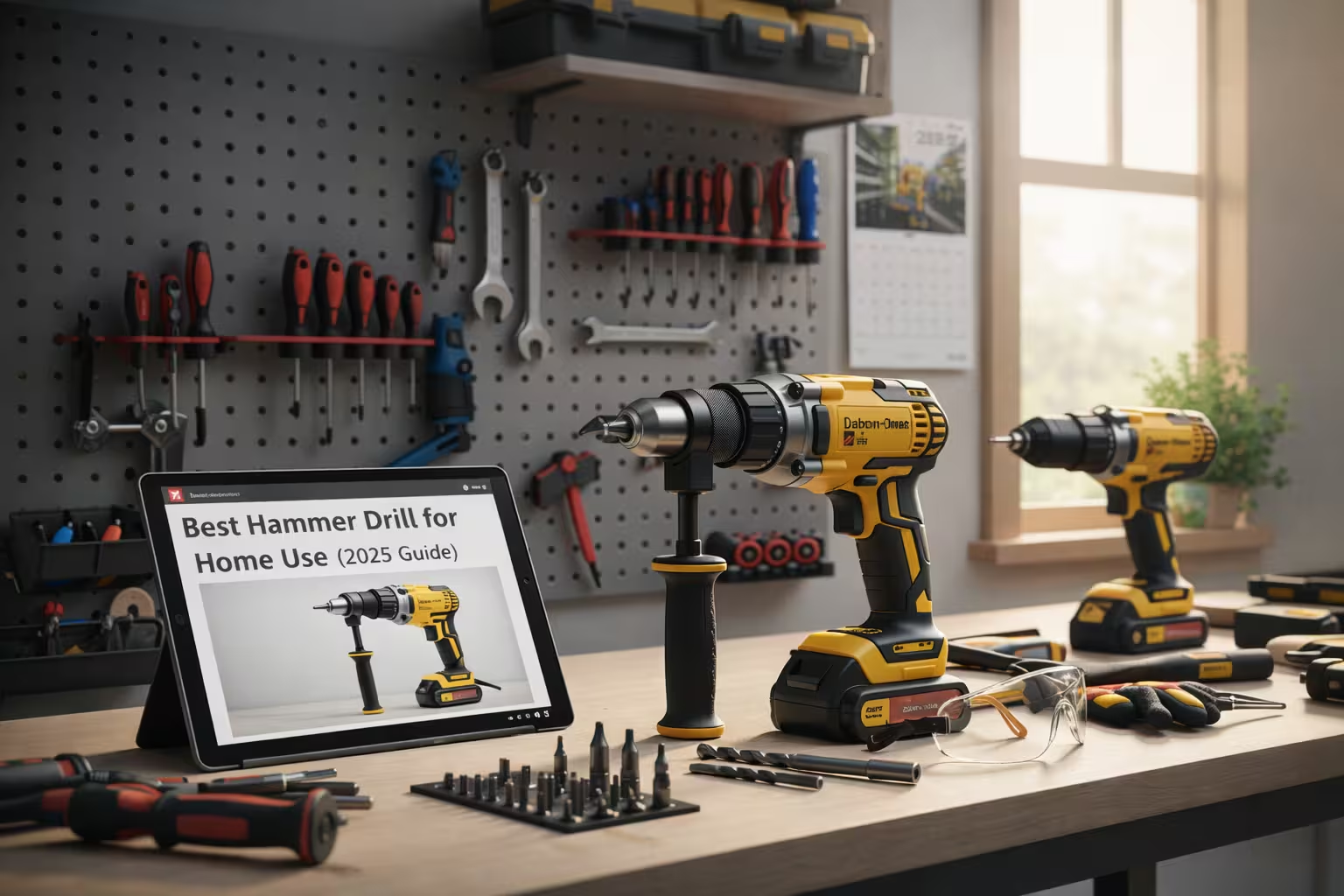
  • Best Hammer Drill for Home Use (2025 Guide)

    Best Hammer Drill for Home Use (2025 Guide)

    Choosing the best hammer drill for home use depends on power, comfort, and how often you need to drill into concrete, brick, or masonry.

    How to Choose the Best Hammer Drill for Home Use

    Hammer drills are among the most useful power tools for homeowners who need to drill into tough materials like concrete, brick, or masonry. Although they’re often associated with professional construction work, modern hammer drills are widely used for DIY projects, home renovations, and general maintenance.

    This guide is designed for homeowners and DIY users looking for a practical hammer drill for everyday tasks such as mounting shelves, installing anchors, hanging TVs, or drilling into concrete walls—without investing in an oversized or overly complex tool.


    What Is a Hammer Drill?

    A hammer drill is a power drill that combines rotational drilling with a hammering action. As the bit spins, the drill rapidly pulses forward, helping break up hard materials like concrete and brick.

    This hammering motion makes drilling into masonry faster, easier, and more controlled compared to using a regular drill.

    If you’re unsure whether a hammer drill is truly necessary for your needs, this is explained in more detail here:
    Can a Regular Drill Drill Into Concrete?


    Why a Hammer Drill Is Ideal for Home Use

    For most homeowners, a hammer drill offers the best balance between power, versatility, and ease of use.

    Key benefits for DIY users:

    • Handles concrete, brick, and masonry with less effort
    • Works as a regular drill when hammer mode is turned off
    • Lighter and easier to control than a rotary hammer
    • Suitable for occasional to frequent home projects

    A hammer drill is often the best upgrade for homeowners who have outgrown a standard drill but don’t need professional demolition-level power.

    For a deeper comparison between drill types, see:
    Hammer Drill vs Rotary Hammer: What’s the Difference?


    Hammer Drill vs Rotary Hammer for Homeowners

    Many DIY users wonder whether they should choose a hammer drill or a rotary hammer. The difference matters.

    Hammer Drill

    • Best for: Concrete walls, brick, masonry anchors
    • Typical use: Home renovations and DIY projects
    • Size and weight: Compact and manageable
    • Learning curve: Easy for beginners

    Rotary Hammer

    • Best for: Thick concrete, structural drilling
    • Typical use: Heavy-duty or professional work
    • Size and weight: Larger and heavier
    • Learning curve: More advanced

    For most homeowners, a hammer drill is the more practical and user-friendly option.


    Features to Look for in a Hammer Drill for Home Use

    Not all hammer drills are the same. These features matter most for residential projects.

    Variable Speed Control

    Allows better control when starting holes and drilling into brittle materials.

    Dedicated Hammer Mode

    Make sure the drill has a true hammer setting that can be turned on or off.

    Comfortable Grip and Side Handle

    Concrete drilling creates vibration. A stable grip improves accuracy and reduces fatigue.

    Chuck Type

    Standard keyed or keyless chucks are fine for home use. SDS systems are usually found on rotary hammers.

    Power Balance

    More power is helpful, but excessive power can make the drill harder to control for smaller tasks.


    Drill Bits Matter Just as Much as the Drill

    Even the best hammer drill will struggle if the wrong drill bit is used.

    Masonry drill bits are specifically designed to withstand impact and grind through concrete rather than cut it.

    For a detailed explanation of which bits work best, see:
    Best Drill Bits for Concrete and Masonry


    Safety Tips for Using a Hammer Drill at Home

    Concrete drilling involves dust, vibration, and resistance. Basic safety steps go a long way.

    • Wear eye protection to prevent debris injury
    • Use hearing protection for extended drilling
    • Keep the drill straight and steady
    • Let the drill do the work—avoid forcing it
    • Take breaks to prevent overheating

    Always check for electrical wiring or plumbing before drilling into walls.


    Common Mistakes Homeowners Make

    Avoiding these mistakes will improve results and protect your tools.

    • Using standard drill bits instead of masonry bits
    • Applying excessive pressure
    • Drilling at full speed immediately
    • Ignoring hammer mode settings
    • Choosing an oversized tool for small jobs

    Good technique matters as much as the drill itself.


    Frequently Asked Questions

    Is a hammer drill overkill for home use?

    No. A hammer drill is one of the most versatile tools a homeowner can own and is suitable for many everyday projects.

    Can a hammer drill replace a regular drill?

    Yes. Most hammer drills function as standard drills when hammer mode is turned off.

    Do I need a hammer drill for brick walls?

    Yes. Brick and mortar respond well to hammer drilling and reduce strain on the tool.

    Is corded or cordless better for homeowners?

    Both work well. Cordless offers convenience, while corded provides continuous power.

    Can a hammer drill drill into concrete slabs?

    Yes, for light to moderate drilling. For repeated deep holes, a rotary hammer is better.


    Conclusion

    For homeowners and DIY users, a hammer drill is the best all-around tool for drilling into concrete, brick, and masonry. It offers enough power for demanding tasks while remaining easy to control and versatile for everyday use.

    When paired with the correct masonry bits and proper technique, a hammer drill makes concrete drilling faster, cleaner, and far less frustrating—making it an essential upgrade for serious DIY work.

  • Best Drill Bits for Concrete and Masonry

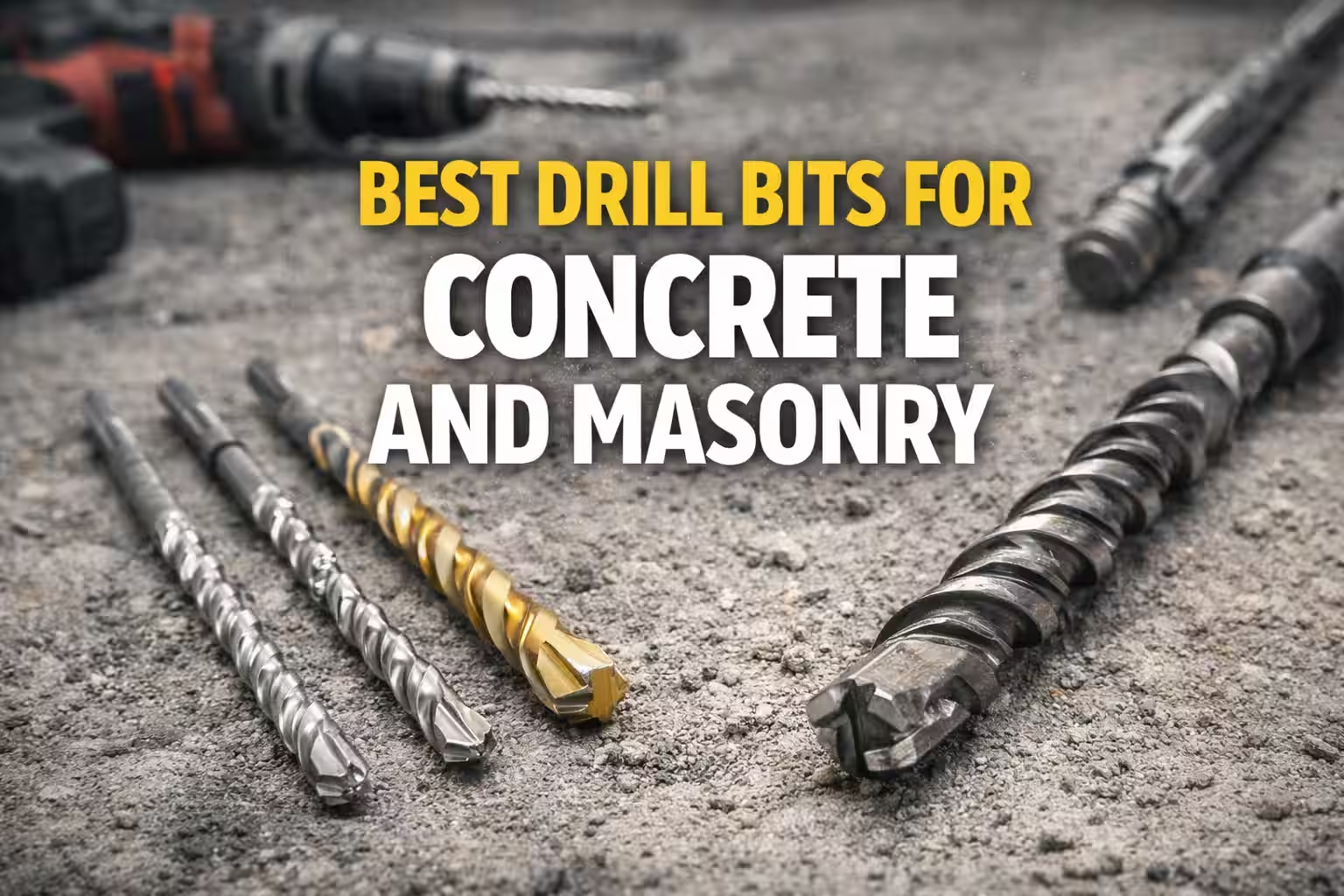
    Best Drill Bits for Concrete and Masonry

    The best drill bits for concrete and masonry are essential if you want clean, accurate holes without damaging your tools. Even the most powerful hammer drill will struggle—or fail entirely—if the drill bit isn’t designed for hard materials like concrete, brick, or block.

    Concrete, brick, block, and stone are extremely abrasive materials. Standard wood or metal bits will dull quickly, overheat, or snap. In this guide, you’ll learn which drill bits work best for concrete and masonry, how to choose the right size and type, and how to avoid common drilling mistakes.

    If you’re still choosing a drill, start with Best Drill for Concrete Walls (2025 Guide) for a complete overview.


    What Are Concrete and Masonry Drill Bits?

    Concrete and masonry drill bits are specially designed to handle hard, abrasive surfaces. They feature a carbide tip that crushes and chips concrete instead of cutting it like wood or metal.

    These bits are built to withstand:

    • High vibration
    • Impact force from hammer mode
    • Heat generated by friction

    Without the correct bit, drilling into concrete becomes slow, inaccurate, and unsafe.


    Types of Drill Bits for Concrete and Masonry

    1. Standard Masonry Drill Bits

    These are the most common bits used for concrete and brick. They have a carbide tip brazed onto a steel shaft.

    Best for:

    • Concrete walls
    • Brick and mortar
    • Light to medium anchor holes

    Works with:

    • Hammer drills
    • Regular drills (limited use)

    For most homeowners, standard masonry bits paired with a hammer drill are more than sufficient. See Best Hammer Drill for Home Use (2025 Guide) for compatible tools.


    2. SDS Drill Bits (SDS / SDS-Plus)

    SDS bits are designed specifically for rotary hammers. Instead of being clamped, they lock into the drill and move back and forth for stronger hammering action.

    Best for:

    • Thick or reinforced concrete
    • Large-diameter holes
    • Heavy-duty drilling

    Works with:

    • Rotary hammers only

    If you’re unsure whether you need this level of power, compare tools in Hammer Drill vs Rotary Hammer: What’s the Difference?


    3. Multi-Material Drill Bits (Limited Use)

    Some bits are marketed as “multi-material” and claim to drill through wood, metal, and masonry.

    Verdict:

    • Acceptable for soft brick or mortar
    • Not recommended for concrete

    They wear out quickly and lack the durability needed for repeated concrete drilling.


    Choosing the Right Drill Bit Size

    Selecting the correct size drill bit is critical—especially for anchors.

    • Too small → anchor won’t fit
    • Too large → anchor won’t hold securely

    Always match the bit size to the anchor manufacturer’s recommendation. For a detailed breakdown, see What Size Drill Bit Should You Use for Concrete Anchors?


    How Deep Can You Drill with Masonry Bits?

    Depth depends on:

    • Bit length
    • Drill power
    • Concrete hardness

    Most masonry bits can handle anchor-depth holes easily. For deeper drilling considerations, read How Deep Can You Drill Into Concrete?


    Common Mistakes When Using Concrete Drill Bits

    Many drilling problems come from incorrect bit use rather than poor tools.

    Avoid these mistakes:

    • Using wood or metal bits on concrete
    • Drilling at high speed instead of steady pressure
    • Not clearing dust from the hole
    • Applying excessive force instead of letting the bit work
    • Skipping hammer mode when needed

    More mistakes and fixes are covered in Common Mistakes When Drilling Into Concrete (And How to Avoid Them)


    Safety Tips When Drilling with Masonry Bits

    Concrete drilling creates dust, heat, and vibration. Follow these safety steps:

    • Wear eye protection
    • Use hearing protection for extended drilling
    • Pause to let bits cool
    • Keep the drill straight to avoid bit binding

    For a full safety walkthrough, follow How to Drill Into Concrete Safely (Step-by-Step Guide).

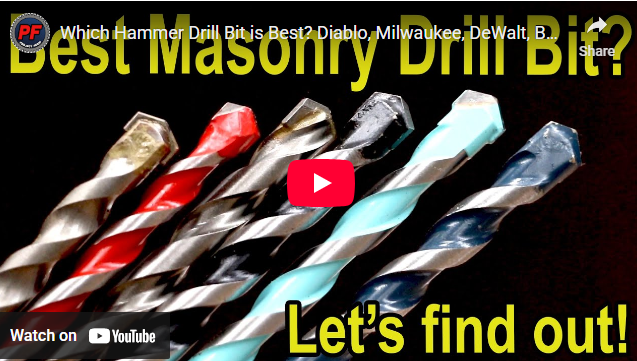
    🎥 Which Hammer Drill Bit Is Best? (Real Brand Comparison)

    Choosing the right hammer drill bit can make the difference between smooth, fast drilling and frustrating delays. In this head-to-head comparison, some of the most popular brands are put to the test — including Diablo, Milwaukee, DeWalt, Bosch, Irwin, Makita, and Ryobi.

    Instead of relying on marketing claims, this video shows real-world drilling performance in concrete and masonry. You’ll see differences in:

    • ⚡ Drilling speed
    • 🧱 Concrete penetration efficiency
    • 🔥 Heat resistance
    • 🪨 Durability under repeated impact
    • 💰 Value for money

    If you’re trying to decide which brand gives the best performance for the price — especially for heavy-duty concrete work — this breakdown will help you make a smarter choice.

    Watch the full comparison below:


    Final Verdict: Best Drill Bits for Concrete and Masonry

    For most homeowners and DIY users:

    • Standard carbide-tipped masonry bits are the best choice
    • Pair them with a hammer drill for best results
    • Reserve SDS bits for heavy-duty or professional concrete work

    Using the right drill bit protects your tools, saves time, and produces clean, accurate holes—every time.

  • Can a Regular Drill Drill Into Concrete?

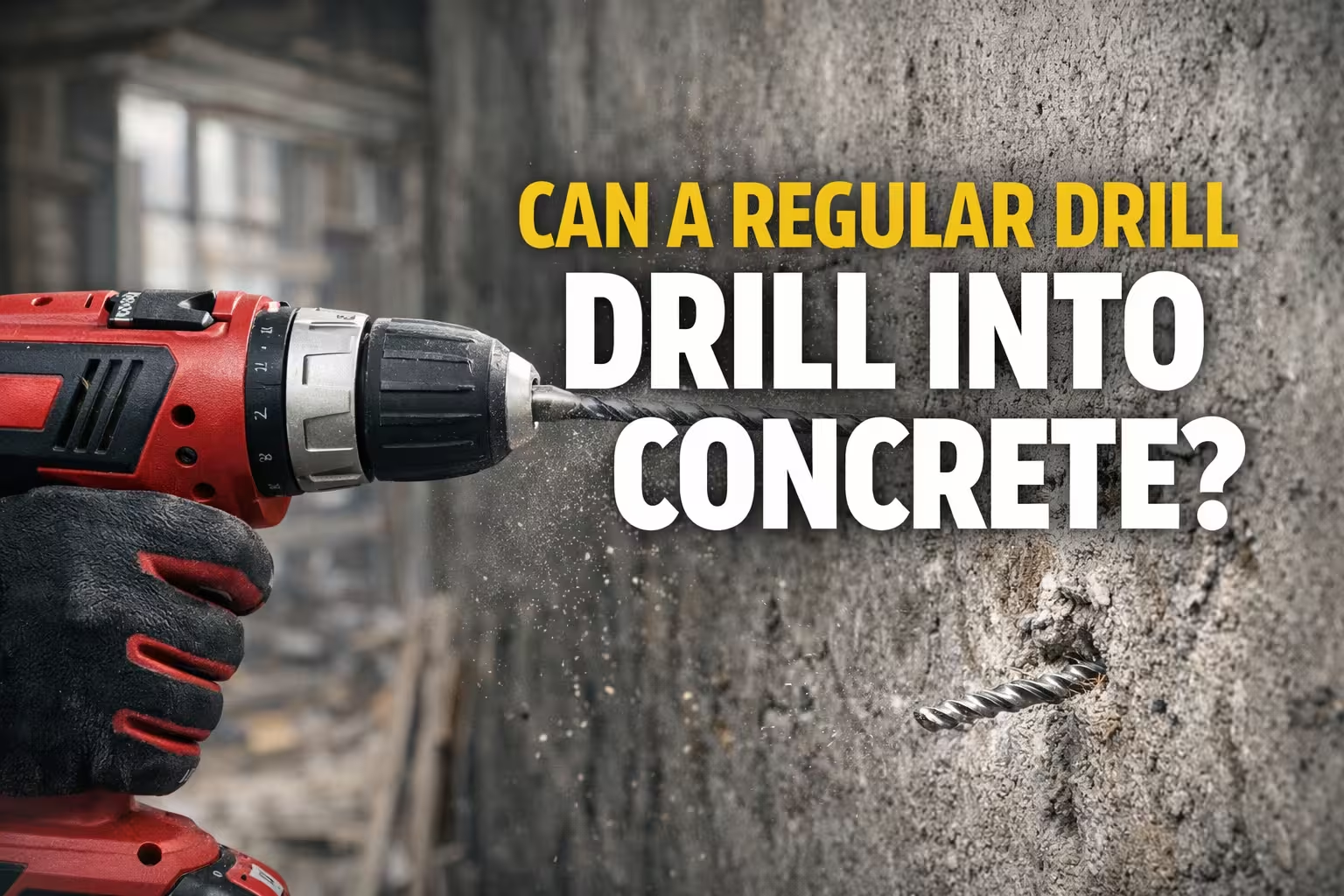
    Can a Regular Drill Drill Into Concrete?

    Many homeowners wonder: can a regular drill drill into concrete, especially for small projects like hanging shelves, installing anchors, or mounting light fixtures.

    The short answer is yes—but only in limited situations, and it’s usually not the best tool for the job.

    In this guide, we’ll explain when a regular drill can work on concrete, why it often struggles, and when you should use a hammer drill instead to avoid frustration or damage.


    Can a Regular Drill Drill Into Concrete?

    A regular drill can drill into concrete, but only under specific conditions:

    • The concrete is relatively soft or old
    • The hole is small and shallow
    • You use the correct masonry drill bit
    • You drill slowly and apply steady pressure

    Even then, drilling into concrete with a standard drill is slow, inefficient, and hard on the tool.

    For most homeowners, a hammer drill is the safer and more practical choice.

    Best Drill for Concrete Walls (2025 Guide)


    Why Regular Drills Struggle With Concrete

    Concrete is much harder than wood or drywall. It requires more than just rotational force to penetrate effectively.

    A regular drill:

    • Spins the bit only
    • Relies entirely on pressure from the user
    • Cannot break up dense material efficiently

    As a result, the bit overheats, progress slows dramatically, and the drill motor experiences unnecessary strain.

    This is why many DIY users think concrete is “impossible” to drill — when the real issue is using the wrong tool.


    When a Regular Drill Might Work on Concrete

    There are a few situations where a regular drill can get the job done:

    Soft Masonry or Mortar

    Mortar joints and softer masonry are easier to drill than solid concrete.

    Small Anchor Holes

    Very small holes (such as for light-duty plastic anchors) may be possible.

    Occasional One-Time Jobs

    If you only need one or two shallow holes and don’t own a hammer drill, a regular drill may suffice.

    That said, even in these cases, drilling will be slow and physically demanding.


    Regular Drill vs Hammer Drill for Concrete

    The biggest difference between these tools is how they handle resistance.

    Regular Drill

    • Rotation only
    • Requires high pressure from the user
    • Poor efficiency in concrete

    Hammer Drill

    • Rotation + hammering action
    • Breaks up concrete as it drills
    • Faster, cleaner, and safer results

    For a detailed comparison, see:
    Hammer Drill vs Rotary Hammer: What’s the Difference?


    What Happens If You Use a Regular Drill on Hard Concrete

    Using a regular drill on dense concrete often leads to problems:

    • Burned or dull drill bits
    • Overheating the drill motor
    • Excessive vibration and fatigue
    • Crooked or incomplete holes
    • Cracked masonry from uneven pressure

    Many of these issues can be avoided simply by choosing the right drill.

    Common Mistakes When Drilling Into Concrete (And How to Avoid Them)


    Do You Need Special Drill Bits for Concrete?

    Yes. Whether you use a regular drill or a hammer drill, masonry drill bits are essential.

    Concrete drilling requires bits with:

    • Hardened carbide tips
    • Proper flute design for dust removal

    Using wood or metal bits will quickly dull them and may damage the drill.

    Best Drill Bits for Concrete and Masonry


    Safety Tips When Drilling Concrete With Any Drill

    Concrete drilling creates dust, vibration, and resistance. Always follow basic safety precautions:

    • Wear eye protection
    • Use hearing protection for extended drilling
    • Start slowly to prevent bit wandering
    • Keep the drill straight and steady
    • Take breaks to prevent overheating

    For a complete walkthrough, see:
    How to Drill Into Concrete Safely (Step-by-Step Guide)


    Frequently Asked Questions

    Is a regular drill strong enough for concrete anchors?

    Only for very small anchors in soft masonry. For most anchors, a hammer drill is recommended.

    Can a cordless drill drill into concrete?

    Yes, but only if it has a hammer function. Cordless hammer drills work well for light to medium concrete tasks.

    Cordless vs Corded Hammer Drill for Concrete: Which Is Better?

    How deep can a regular drill go into concrete?

    Depth is limited and depends on bit quality and concrete hardness. Most regular drills struggle beyond shallow holes.

    How Deep Can You Drill Into Concrete?


    Conclusion: Should You Use a Regular Drill on Concrete?

    A regular drill can drill into concrete in limited situations, but it is not the ideal tool. For most homeowners and DIY users, a hammer drill provides faster results, less effort, and better safety.

    If you plan to drill into concrete more than once, investing in the right drill will save time, protect your tools, and deliver cleaner results.


  • Best Drill for Concrete Walls (2025 Guide)

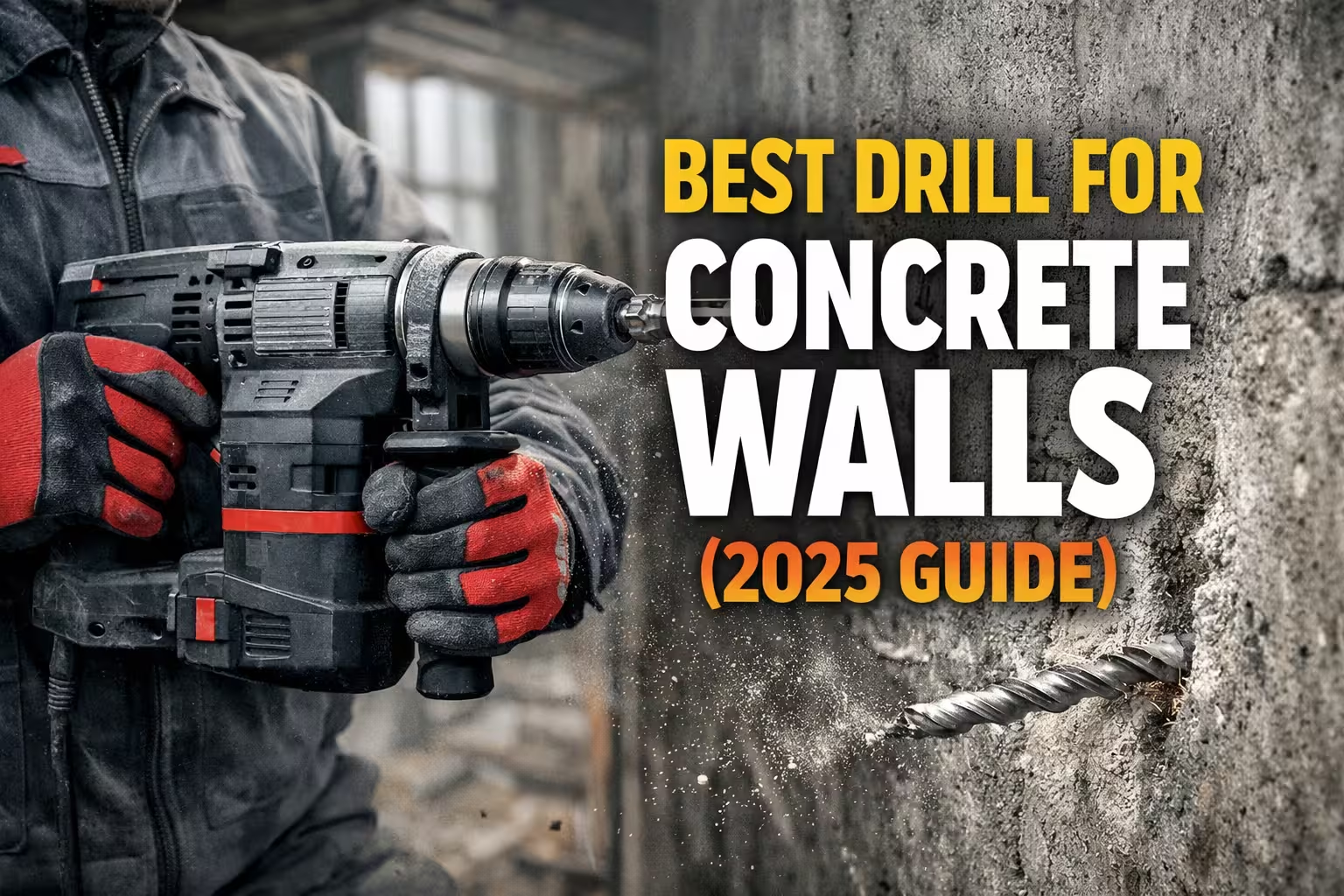
    Best Drill for Concrete Walls (2025 Guide)

    What is the best drill for concrete walls? Drilling into concrete walls is very different from drilling into wood or drywall. Concrete, brick, and masonry are dense materials that require the right drill type, proper technique, and correct accessories to avoid damaged tools, broken bits, or cracked walls.

    This guide is designed for homeowners and DIY users who want to hang shelves, install anchors, mount TVs, or complete light renovation work safely and efficiently.

    By the end of this guide, you’ll know:

    • Which drill works best for concrete walls
    • How hammer drills compare to rotary hammers
    • What features actually matter
    • How to drill safely and avoid common mistakes

    What Is the Best Drill for Concrete Walls?

    For most homeowners, the best drill for concrete walls is a hammer drill.

    A hammer drill combines normal rotary drilling with a rapid hammering action. This action helps break up concrete as the bit spins, making drilling faster, easier, and far less stressful on both the tool and the user.

    For everyday tasks like anchor holes, shelving, or wall mounts, a hammer drill provides the best balance of power, control, and affordability.

    For heavier-duty work—such as drilling large or deep holes into reinforced concrete—a rotary hammer may be more effective. A standard drill can work in limited cases but is not recommended for most concrete jobs.

    Can a Regular Drill Drill Into Concrete?


    Hammer Drill vs Regular Drill vs Rotary Hammer

    Understanding the differences between drill types helps you choose the right tool for your project.

    Regular Drill

    A regular drill only rotates the bit and does not provide any hammering action.

    • Best for: Wood, drywall, plastic, light metal
    • Concrete performance: Poor to very limited
    • Verdict: Can work slowly in soft masonry, but inefficient and frustrating

    Hammer Drill

    A hammer drill rotates the bit while applying light forward impacts.

    • Best for: Concrete walls, brick, masonry anchors
    • Concrete performance: Good for most household tasks
    • Verdict: Best all-around option for homeowners

    Rotary Hammer

    A rotary hammer uses a piston-driven mechanism to deliver powerful impacts.

    • Best for: Thick concrete, structural work, large holes
    • Concrete performance: Excellent
    • Verdict: Overkill for most DIY users

    If you’re unsure which tool fits your needs, see our full breakdown here:
    Hammer Drill vs Rotary Hammer: What’s the Difference?


    Quick Summary

    • Small to medium holes → Hammer drill
    • Large or repeated holes → Rotary hammer
    • Occasional light drilling → Regular drill (not ideal)

    Key Features That Matter When Drilling Concrete Walls

    Not all drills perform the same, even within the same category. These features make the biggest difference when drilling into concrete.

    Hammer Function

    Always choose a drill with a true hammer mode, not just high speed.

    Power and Torque

    Concrete requires steady power. Higher torque prevents stalling and improves control.

    Speed Control

    Lower, controlled speeds reduce bit wear and improve accuracy.

    Masonry Bit Compatibility

    Use proper masonry bits designed for concrete and brick.
    Best Drill Bits for Concrete and Masonry

    Grip and Stability

    Side handles and ergonomic grips improve safety and drilling precision.


    Safety Tips for Drilling Into Concrete Walls

    Concrete drilling produces dust, vibration, and resistance. Follow these safety basics:

    • Wear eye protection to block concrete dust
    • Use hearing protection for extended drilling
    • Start slowly to prevent bit wandering
    • Keep the drill perpendicular to the wall
    • Take breaks to prevent overheating
    • Check for electrical wiring or plumbing before drilling

    For a full safety walkthrough, see:
    How to Drill Into Concrete Safely (Step-by-Step Guide)


    Common Mistakes to Avoid When Drilling Concrete

    Many drilling problems come from simple, avoidable mistakes:

    • Using wood or metal bits instead of masonry bits
    • Applying too much pressure instead of letting the drill work
    • Drilling at high speed instead of controlled speed
    • Using a regular drill for hard concrete
    • Skipping pilot holes when accuracy matters

    Avoiding these mistakes improves results and extends tool life.
    Common Mistakes When Drilling Into Concrete (And How to Avoid Them)


    Concrete Anchors, Bit Size, and Depth

    Choosing the right bit size and drilling depth is essential for secure anchors.

    • Anchor size determines the required bit diameter
    • Hole depth must match anchor length
    • Over-drilling weakens holding power

    Learn more here:
    What Size Drill Bit Should You Use for Concrete Anchors?
    How Deep Can You Drill Into Concrete?


    Cordless vs Corded Drills for Concrete Walls

    Both cordless and corded hammer drills can work well for concrete, but each has trade-offs.

    • Cordless drills offer convenience and portability
    • Corded drills provide continuous power for longer jobs

    If you’re deciding between the two, read our comparison:
    Cordless vs Corded Hammer Drill for Concrete: Which Is Better?


    Conclusion: Choosing the Right Drill for Concrete Walls

    Drilling into concrete walls requires the right tool—not brute force. For most homeowners and DIY users, a hammer drill offers the best balance of power, control, and ease of use.

    Rotary hammers are ideal for heavy-duty work, while regular drills should only be used in limited cases. With the correct drill, proper bits, and safe technique, concrete drilling becomes straightforward and reliable.

    Frequently Asked Questions

    Can a regular drill drill into concrete?

    Yes, but only into soft masonry and very slowly. A hammer drill is far more effective and safer.

    Do I need special drill bits for concrete?

    Yes. Masonry drill bits are specifically designed for concrete and brick.

    How deep can you drill into a concrete wall?

    Depth depends on drill power, bit length, and concrete hardness. Most homeowner hammer drills handle anchor-depth holes easily.

    Should I use hammer mode on brick walls?

    Yes. Brick and mortar respond well to hammer mode, but start slowly to avoid cracking.

    Is a rotary hammer better than a hammer drill?

    A rotary hammer is more powerful, but a hammer drill is easier to control and more practical for most DIY tasks.