
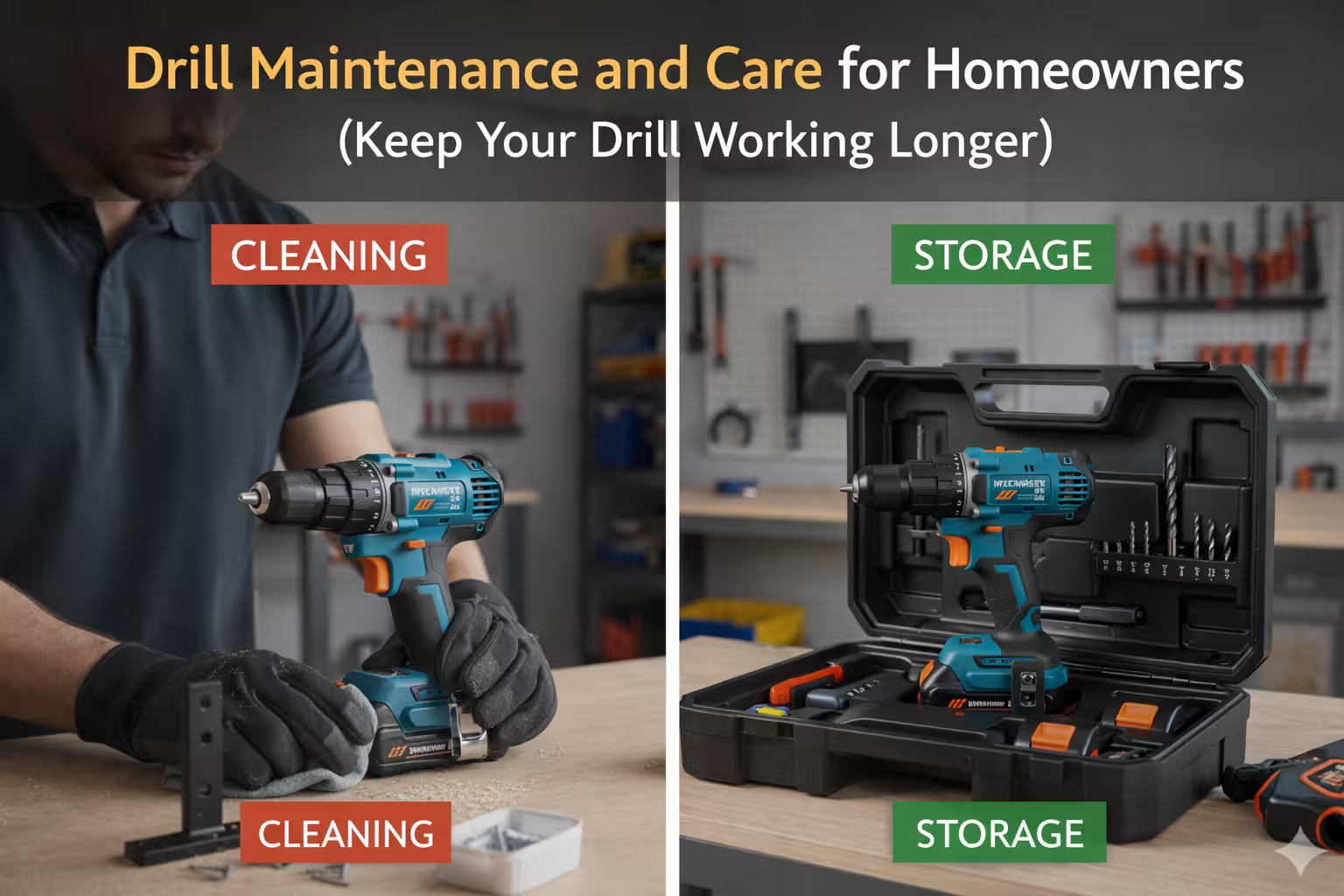
Proper drill maintenance and care is often overlooked by homeowners. Many drills fail early not because they are low quality, but because they are poorly maintained. Dust buildup, dull bits, neglected batteries, and improper storage can dramatically shorten a drill’s lifespan.
This guide explains how homeowners can maintain and care for their drills correctly, so tools last longer, perform better, and remain safe to use for DIY projects.
Why Drill Maintenance Matters
Regular maintenance helps:
- Extend the life of your drill
- Improve drilling performance
- Reduce overheating and motor strain
- Prevent safety issues
A well-maintained drill delivers consistent power and better control, especially during repeated home projects.
Before maintaining your drill, make sure you’re using the right tool for your needs. See
(Best Drill for Home Use (2026 Guide)).
Clean Your Drill After Use
Dust and debris are the biggest enemies of power tools.
After each use:
- Wipe down the drill body
- Remove dust from vents
- Clean the chuck area
Concrete and masonry dust can clog ventilation openings and cause overheating if not removed.
If you drill into masonry often, proper bit and drill choice matters. Review
(Hammer Drill vs Regular Drill: Which One Do You Need?).
Inspect Drill Bits Regularly
Dull or damaged drill bits reduce performance and increase strain on the drill.
Check bits for:
- Worn cutting edges
- Chipped carbide tips
- Bent shanks
Replace bits when they no longer cut cleanly. Continuing to use worn bits causes excessive pressure and motor stress.
For proper bit selection, see
(Best Drill Bits for Concrete and Masonry).
Maintain the Chuck
The drill chuck holds the bit securely. Poor chuck condition leads to slipping bits and unsafe operation.
Chuck care tips:
- Tighten evenly
- Remove debris inside the jaws
- Lightly lubricate if recommended by the manufacturer
If you’re unsure about chuck types, review
(Drill Chuck Sizes Explained (¼”, ⅜”, ½”)).
Battery Care for Cordless Drills
Batteries are one of the most expensive components of cordless drills.
Best battery practices:
- Avoid fully draining batteries frequently
- Store batteries at room temperature
- Remove batteries when not in use
- Use the correct charger
Proper battery care preserves capacity and reduces replacement costs.
If you’re deciding between drill types, see
(Cordless vs Corded Drill: 7 Key Differences for Home Use (2026 Guide)
Cord and Plug Care for Corded Drills
For corded drills:
- Inspect cords for cuts or cracks
- Avoid pulling the drill by the cord
- Store cords loosely to prevent damage
Damaged cords should be repaired or replaced immediately to avoid electrical hazards.
Store Your Drill Correctly
Improper storage leads to moisture damage, dust buildup, and accidental drops.
Best storage practices:
- Keep drills in a dry location
- Use a case or shelf
- Avoid leaving drills on the floor
Proper storage improves safety and tool longevity.
Avoid Common Maintenance Mistakes
Homeowners often:
- Ignore dust buildup
- Continue using dull bits
- Store batteries improperly
- Skip routine inspections
Many of these habits lead to poor performance and early tool failure. More mistakes are explained in
(Common Drill Mistakes Homeowners Make (And How to Avoid Them)
Safety and Maintenance Go Together
Maintenance improves safety. Clean tools, sharp bits, and functioning chucks reduce:
- Kickback
- Bit slippage
- Overheating
For safe operation guidance, review
(How to Use a Drill Safely at Home (2026 Guide)).
Frequently Asked Questions
How often should I clean my drill?
Light cleaning after each use and deeper inspection every few months is ideal.
Do drills need lubrication?
Only specific parts like chucks may need light lubrication. Follow manufacturer guidance.
Can poor maintenance affect drilling quality?
Yes. Poorly maintained drills produce uneven holes and reduce accuracy.
Conclusion: Drill Care Saves Time and Money
Drill maintenance and care are simple but essential. Cleaning after use, inspecting bits, caring for batteries, and storing drills properly can extend tool life significantly.
For homeowners, a few minutes of maintenance prevents frustration, improves performance, and protects your investment.
Leave a Reply