
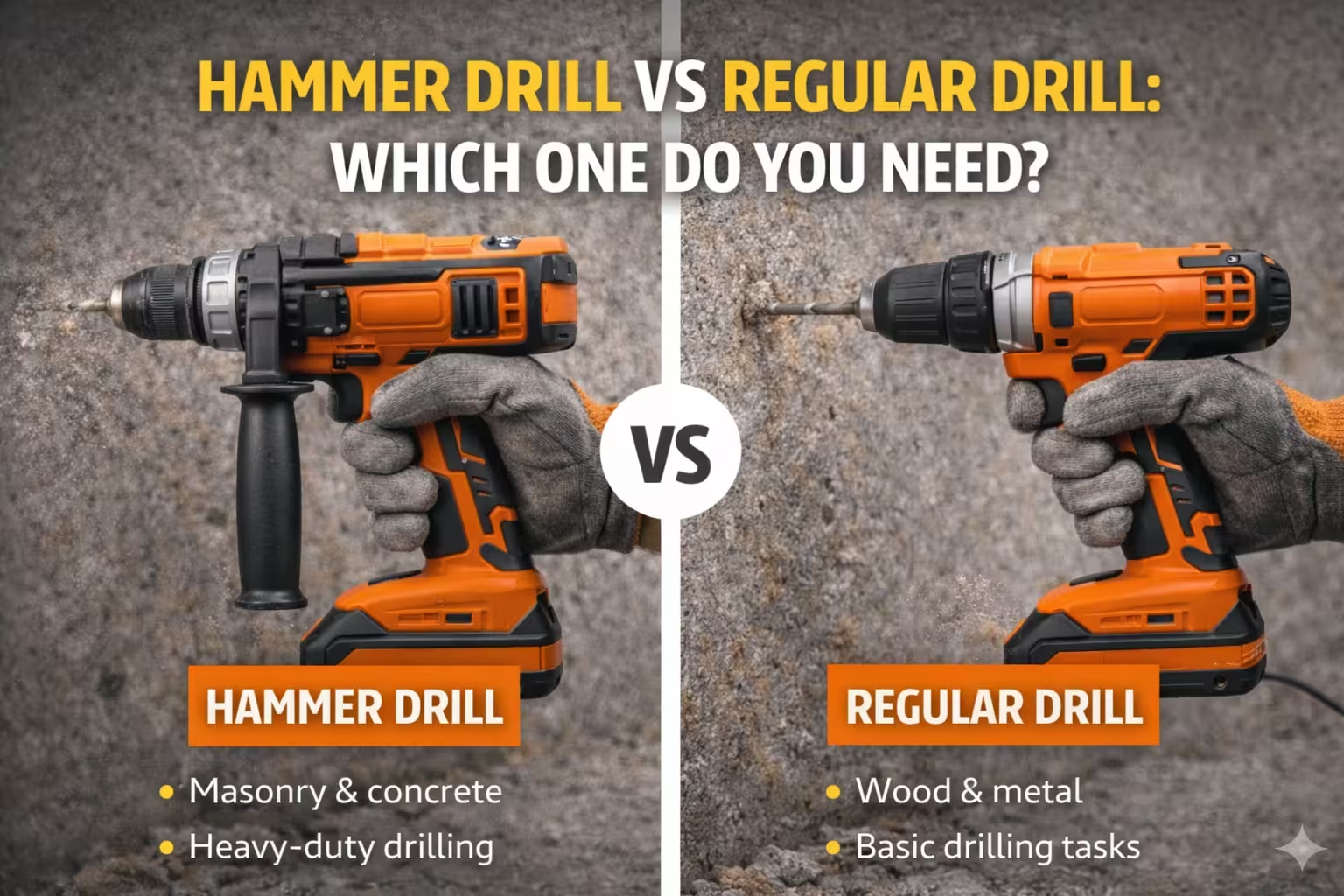
Hammer drill vs regular drill is a common comparison homeowners face when choosing the right tool for DIY and home improvement projects. While both drills look similar, they work very differently and are designed for different materials.
This guide explains the key differences between hammer drills and regular drills, when each one makes sense, and how to choose the right option for your home projects—without overspending or buying tools you don’t need.
What Is a Regular Drill?
A regular drill provides rotational force only. It spins the drill bit to create holes and drive screws but does not deliver any hammering action.
Best uses for a regular drill
- Wood
- Drywall
- Plastic
- Thin metal
- Light household repairs
Regular drills are lightweight, easy to control, and ideal for most basic DIY tasks around the home.
Limitations
Regular drills struggle with hard materials like concrete and brick. They rely entirely on rotation, which makes drilling into masonry slow and inefficient.
If you’re wondering whether a standard drill can handle concrete at all, see
(Can a Regular Drill Drill Into Concrete?)
What Is a Hammer Drill?
A hammer drill combines rotation with a rapid hammering motion. This hammering action helps break up hard materials like concrete and masonry while the bit spins.
Best uses for a hammer drill
- Concrete walls
- Brick and block
- Masonry anchors
- Wall mounts and fixtures
Hammer drills are the preferred choice for homeowners who occasionally need to drill into concrete without stepping up to professional-grade tools.
For a broader overview of drill types, see
(Best Drill for Home Use (2026 Guide))
Hammer Drill vs Regular Drill: Key Differences
Drilling Mechanism
- Regular drill: Rotational force only
- Hammer drill: Rotation + hammering action
Material Capability
- Regular drill: Soft materials
- Hammer drill: Soft materials + masonry
Speed and Efficiency
- Regular drill: Slow in concrete
- Hammer drill: Faster and more controlled in concrete
Versatility
- Regular drill: Great for basic DIY
- Hammer drill: Handles both DIY and light masonry work
Which One Do You Need for Home Use?
Choose a regular drill if:
- You only drill into wood, drywall, or metal
- You don’t install concrete anchors
- You want a lighter, simpler tool
Choose a hammer drill if:
- You drill into concrete or brick occasionally
- You install wall anchors or mounts
- You want one drill that handles most home projects
For homeowners who want a single do-it-all tool, a hammer drill offers much more flexibility.
The video below explains the key differences between a hammer drill and a regular drill, including speed, power, and best use cases.
What About Rotary Hammers?
Some people confuse hammer drills with rotary hammers.
A rotary hammer is a more powerful tool designed for:
- Thick concrete
- Structural drilling
- Large-diameter holes
For most homeowners, rotary hammers are unnecessary. To understand the difference clearly, read
(Hammer Drill vs Rotary Hammer: What’s the Difference?)
Drill Bits Matter More Than You Think
Even the best drill won’t perform well without the correct drill bit.
Concrete drilling requires masonry drill bits with carbide tips. Using wood or metal bits leads to poor results and damaged tools.
Learn more here:
(Best Drill Bits for Concrete and Masonry)
Safety Considerations
Both drill types require safe handling:
- Wear eye protection
- Keep the drill straight
- Avoid excessive pressure
- Let the drill do the work
If you’re drilling into hard surfaces, follow proper safety steps outlined in
(How to Drill Into Concrete Safely (Step-by-Step Guide))
Common Mistakes to Avoid
Homeowners often make these mistakes:
- Using a regular drill on concrete
- Applying too much pressure
- Drilling at high speed from the start
- Using the wrong drill bits
More mistakes and solutions are covered in
(Common Drill Mistakes Homeowners Make (And How to Avoid Them)
Frequently Asked Questions
Can a hammer drill replace a regular drill?
Yes. A hammer drill can function like a regular drill when hammer mode is turned off.
Is a hammer drill harder to use?
No. Modern hammer drills are easy to control and suitable for DIY users.
Do all homeowners need a hammer drill?
Not all, but many benefit from the added versatility.
Conclusion: Hammer Drill vs Regular Drill
Choosing between a hammer drill vs regular drill depends on the materials you work with. For basic DIY tasks, a regular drill is sufficient. For drilling into concrete, brick, or masonry, a hammer drill is the better and safer choice.
For most homeowners, a hammer drill provides the best balance of power, versatility, and long-term value.
Leave a Reply