
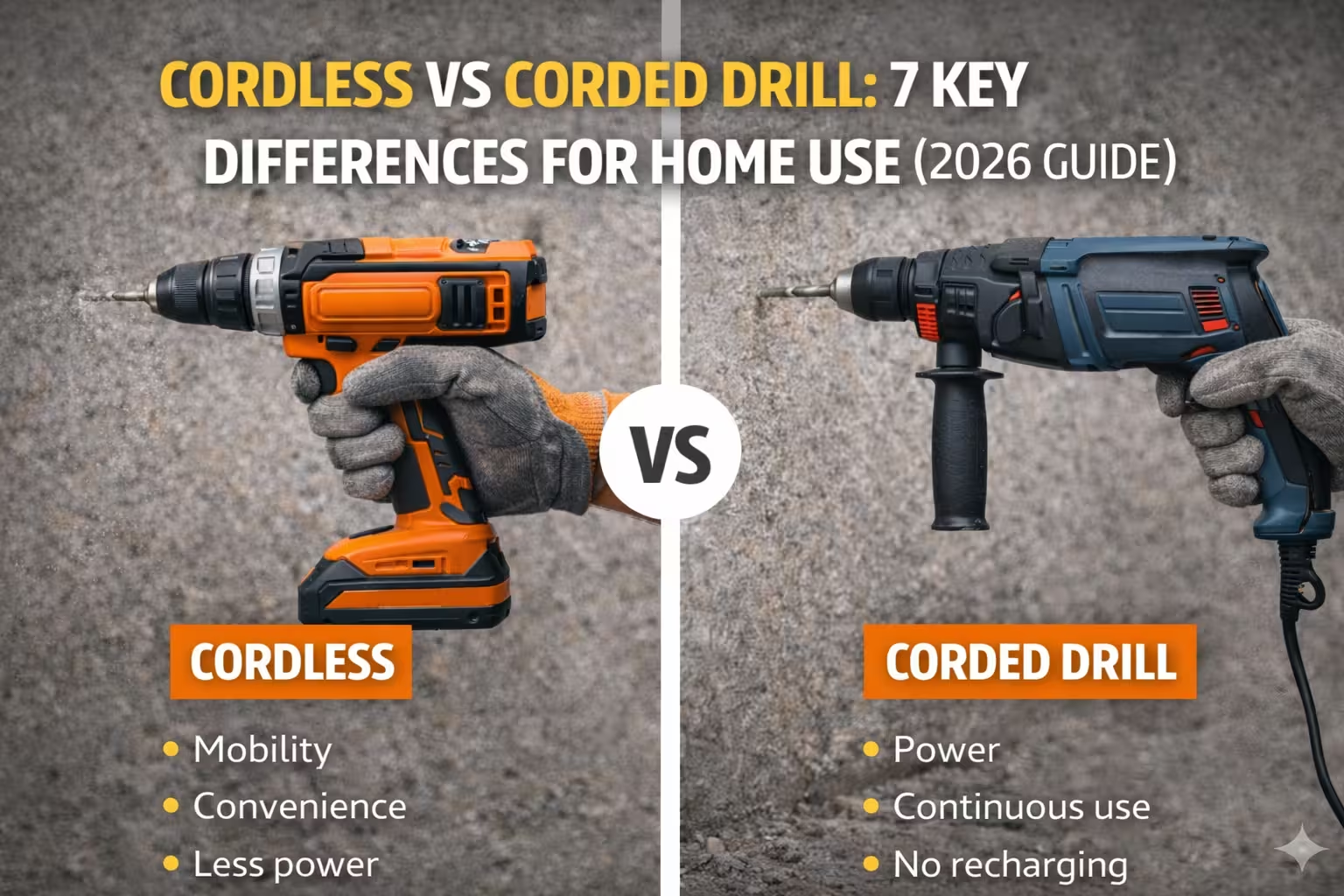
Choosing between a cordless vs corded drill is one of the most common decisions homeowners face when buying a power tool. Both options can handle everyday tasks, but they excel in very different situations.
This guide explains the real differences between cordless and corded drills, which one is better for home use, and how to choose the right option based on your projects—not marketing hype.
1. Power and Performance
Corded drills deliver consistent power because they draw electricity directly from an outlet. This makes them ideal for long drilling sessions or tougher materials.
Cordless drills rely on battery output, which can drop as the battery drains. Modern lithium-ion batteries are powerful, but they still can’t match unlimited corded power for extended use.
Best choice:
- Heavy or continuous drilling → Corded drill
- Light to moderate tasks → Cordless drill
2. Portability and Convenience
Cordless drills clearly win in portability. You can use them anywhere—garage, backyard, ladder, or job site—without worrying about extension cords.
Corded drills limit your movement and require a nearby power source, which can be frustrating for quick jobs.
Winner: Cordless drill
3. Ease of Use for Homeowners
For most homeowners, cordless drills are easier to handle:
- Lighter
- No cable management
- Faster setup
Corded drills can feel bulky and are better suited for workshop environments.
If you’re still deciding between drill types in general, see (Hammer Drill vs Regular Drill: Which One Do You Need?).
4. Runtime and Downtime
Corded drills run non-stop as long as power is available.
Cordless drills depend on battery life. While spare batteries help, charging downtime is still a factor—especially for longer projects.
Best choice:
- Long sessions → Corded
- Short DIY tasks → Cordless
5. Maintenance and Longevity
Corded drills tend to last longer because they don’t rely on batteries that degrade over time.
Cordless drills may require battery replacement after a few years, which adds cost.
Long-term durability: Corded drill
6. Cost and Value
Corded drills are usually cheaper upfront.
Cordless drills cost more because of batteries and chargers—but offer greater flexibility.
Budget-focused buyers: Corded
Convenience-focused buyers: Cordless
7. Best Use Cases for Each
Cordless Drill Is Best For:
- Hanging shelves
- Furniture assembly
- Light drilling and driving
- General home maintenance
Corded Drill Is Best For:
- Workshop use
- Long drilling sessions
- Consistent heavy loads
For a complete recommendation based on all home projects, see (Best Drill for Home Use – 2026 Master Guide).
Frequently Asked Questions
Is a cordless drill powerful enough for home use?
Yes. Modern cordless drills handle most homeowner tasks easily.
Should beginners choose cordless or corded?
Most beginners prefer cordless drills due to ease of use and portability.
Do professionals still use corded drills?
Yes—especially for continuous or high-load work.
Final Verdict: Cordless vs Corded Drill
For most homeowners, a cordless drill is the best all-around choice due to convenience and versatility. A corded drill still makes sense if you work primarily in a garage or need nonstop power.
If you want a single drill that covers the widest range of tasks, your answer will usually be cordless—but choosing the right type still matters.
Leave a Reply