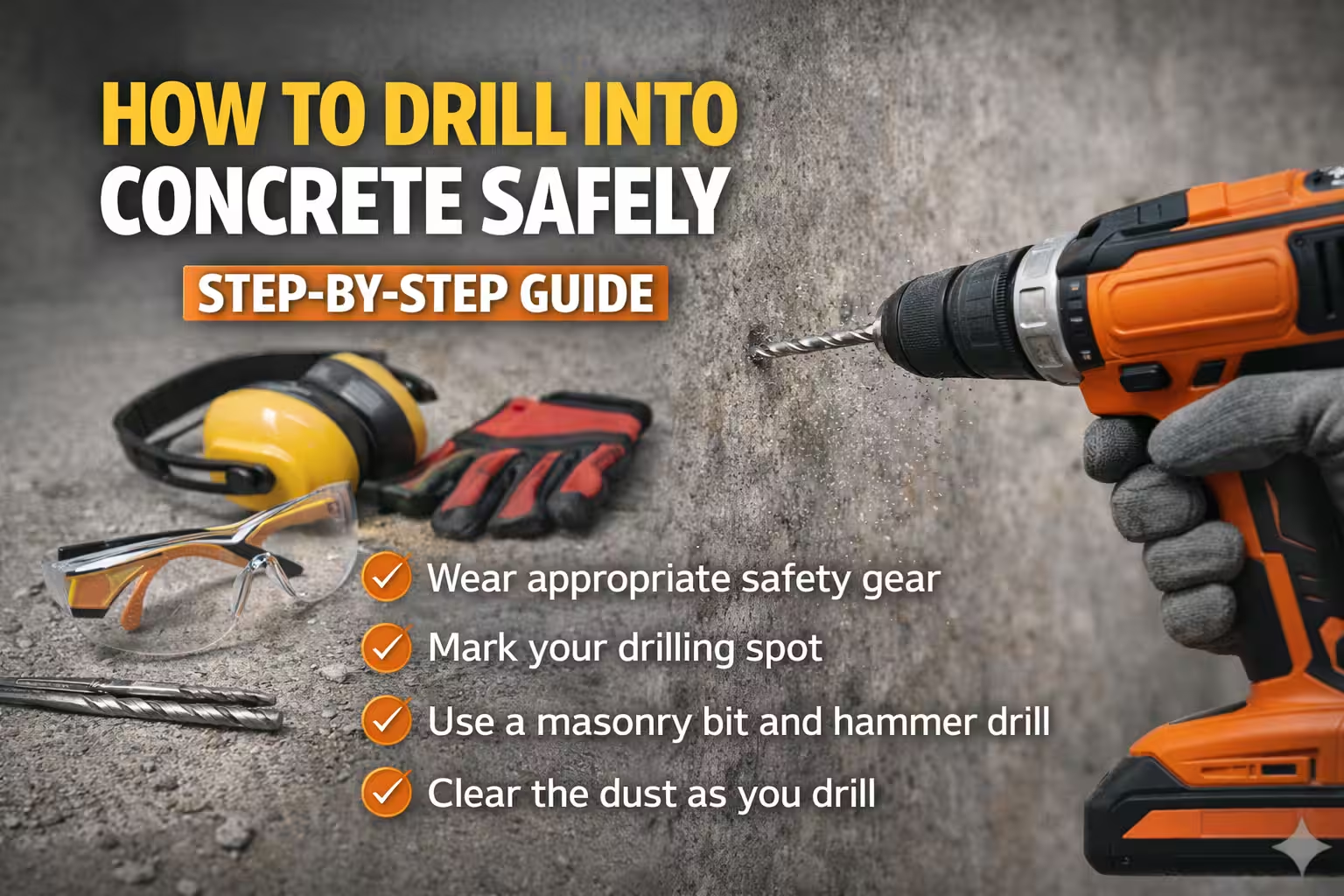
How to drill into concrete safely is one of the most common concerns for homeowners and DIY users working with masonry walls. Concrete is extremely hard, produces fine dust, and places stress on both tools and users if done incorrectly.
This step-by-step guide explains how to drill into concrete safely, which tools and drill bits to use, and how to avoid common mistakes that cause cracked walls, broken bits, or injuries.
Step 1: Choose the Right Drill for Concrete
Using the correct drill is the most important safety decision.
For most homeowners, a hammer drill is the safest and most effective option for drilling into concrete walls. It combines rotation with a light hammering action that helps break up concrete as the bit spins.
- For standard anchors and wall mounting → Hammer drill
- For thick slabs or repeated heavy drilling → Rotary hammer
- For light, occasional jobs only → Regular drill (not ideal)
If you’re unsure whether your drill is suitable, see Can a Regular Drill Drill Into Concrete? and Hammer Drill vs Rotary Hammer: What’s the Difference?
Step 2: Use the Correct Drill Bit
Safety and performance depend heavily on using the right bit.
Concrete requires masonry drill bits, which are designed to withstand high friction and impact. Using wood or metal bits will cause overheating, dulling, or snapping.
For a detailed breakdown of bit types and materials, see Best Drill Bits for Concrete and Masonry
Never drill concrete with:
- Wood bits
- Metal bits
- Dull or damaged bits
Step 3: Mark and Prepare the Drilling Spot
Before drilling:
- Mark the hole location clearly
- Check for hidden electrical wires or plumbing
- Make sure the drill bit is seated straight in the chuck
- Hold the drill perpendicular to the wall
Starting crooked increases the risk of bit slipping or wall damage.
Step 4: Wear Proper Safety Gear
Concrete drilling produces dust, vibration, and noise.
Always wear:
- Safety glasses (concrete dust can damage eyes)
- Hearing protection for longer jobs
- Gloves for grip and vibration control
- A dust mask when drilling multiple holes
Concrete dust can be harmful if inhaled, especially indoors.
Step 5: Start Drilling Slowly
Safety comes from control, not force.
- Start at a low speed
- Apply steady, moderate pressure
- Let the drill and bit do the work
Do not force the drill. Excess pressure causes overheating and increases the chance of bit failure.
Step 6: Use Hammer Mode Correctly
Once the bit has started cleanly:
- Switch to hammer mode (if using a hammer drill)
- Maintain consistent pressure
- Pause occasionally to clear dust from the hole
Brick and mortar respond well to hammer mode, but fragile surfaces require a gentle start.
Step 7: Drill to the Correct Depth
Drilling deeper than necessary weakens anchors and creates excess dust.
Anchor depth depends on:
- Bit size
- Anchor type
- Concrete hardness
For detailed depth guidance, see How Deep Can You Drill Into Concrete? and What Size Drill Bit Should You Use for Concrete Anchors?
Step 8: Let the Drill Cool Down
Concrete drilling creates heat.
- Stop periodically
- Allow the bit and drill to cool
- Clear dust from the hole before continuing
Overheating shortens tool life and increases injury risk.
Common Safety Mistakes to Avoid
Many concrete drilling accidents come from avoidable mistakes:
- Using the wrong drill or bit
- Drilling at high speed from the start
- Applying excessive pressure
- Skipping safety gear
- Ignoring dust buildup
For a full breakdown, see Common Mistakes When Drilling Into Concrete (And How to Avoid Them)
Frequently Asked Questions
Is drilling into concrete dangerous?
It can be if done incorrectly. Using proper tools, safety gear, and technique greatly reduces risk.
Can I drill concrete indoors?
Yes, but ensure proper ventilation and dust control.
Should I use hammer mode on brick?
Yes, but start slowly to avoid cracking softer brick or mortar.
Conclusion
Learning how to drill into concrete safely comes down to preparation, proper tools, and patience. A hammer drill, masonry bits, controlled speed, and basic safety gear make concrete drilling safe and manageable for most homeowners.
Following these steps protects your tools, your walls, and most importantly—you.
A step-by-step guide explaining how to drill into concrete safely using the correct tools, drill bits, and techniques.
Total Time: 15 minutes
Choose the right drill for concrete
Use a hammer drill for most concrete walls or a rotary hammer for heavier jobs.
Use the correct drill bit
Select a masonry drill bit designed for concrete and avoid wood or metal bits.
Mark and prepare the drilling spot
Mark the hole location and ensure the drill is held straight and perpendicular.
Wear proper safety gear
Wear safety glasses, hearing protection, gloves, and a dust mask.
Start drilling slowly
Begin drilling at a low speed with steady pressure and avoid forcing the drill.
Use hammer mode correctly
Switch to hammer mode after the hole starts cleanly and clear dust periodically.
Drill to the correct depth
Drill only as deep as required for the anchor or fastener.
Let the drill cool down
Pause to let the drill and bit cool and remove dust buildup.
Tools:
- Hammer drill
- Masonry drill bit
- Safety glasses
- Hearing protection
- Dust mask
Leave a Reply