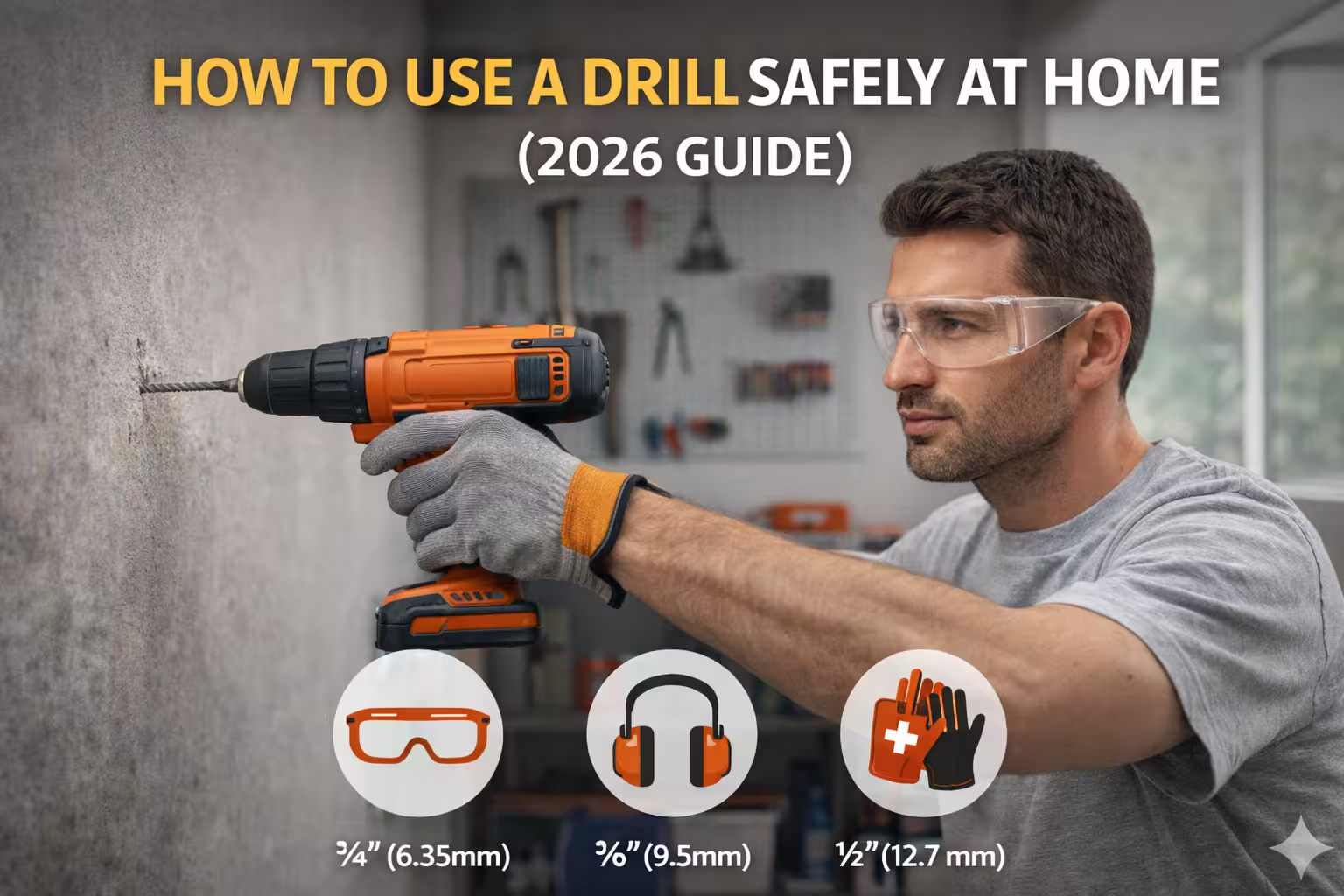
Knowing how to use a drill safely at home is just as important as choosing the right drill. Many homeowner injuries and damaged projects happen not because of bad tools, but because of unsafe drilling habits and skipped precautions.
This guide explains essential drill safety practices for home use, including preparation, proper technique, and common hazards to avoid—so you can complete DIY projects confidently and safely.
Why Drill Safety Matters for Homeowners
Drills are powerful tools capable of causing:
- Hand and eye injuries
- Damaged walls and materials
- Broken drill bits
- Loss of control or kickback
Even small DIY projects require basic safety awareness to prevent accidents.
For help choosing the right drill before starting, see
(Best Drill for Home Use (2026 Guide)
Wear Proper Safety Gear
Before drilling, always protect yourself.
Essential safety equipment:
- Safety glasses to protect eyes from debris
- Gloves for grip (avoid loose-fitting gloves)
- Hearing protection for extended drilling sessions
Concrete and masonry drilling produces fine dust that can irritate eyes and lungs, so protection is especially important.
Check the Surface Before Drilling
One of the most important safety steps is inspecting the surface.
Before drilling:
- Check for electrical wiring
- Locate plumbing pipes
- Use a stud finder for walls
Drilling blindly can lead to serious damage and costly repairs.
If your project involves wall mounting or anchors, review
(Best Drill for DIY Projects at Home (Shelves, TVs, Anchors)).
Choose the Right Drill for the Job
Using the wrong drill increases the risk of injury and tool damage.
Examples:
- Regular drills struggle in concrete
- Hammer drills are unnecessary for wood
- Heavy drills cause fatigue during overhead work
Understanding drill types improves safety and results. Learn the differences in
(Hammer Drill vs Regular Drill: Which One Do You Need?).
Use the Correct Drill Bits
Always match the drill bit to the material:
- Wood bits for lumber
- Masonry bits for concrete or brick
- Metal bits for steel
Using the wrong bit increases slippage and overheating.
For masonry work, see
(Best Drill Bits for Concrete and Masonry).
Set the Correct Speed and Torque
Incorrect settings are a common cause of accidents.
Safe drilling tips:
- Start at low speed
- Increase speed gradually
- Use torque settings for screw driving
High speed and excessive force reduce control and increase the chance of bit breakage.
To better understand drill settings, review
(What Drill Power Do You Really Need? (RPM, Torque & Voltage Explained)
Maintain Proper Body Position
Your stance matters when drilling.
Best practices:
- Keep both feet firmly planted
- Hold the drill with both hands when possible
- Keep the drill perpendicular to the surface
Avoid awkward positions that can cause slips or strain.
Control Pressure and Let the Drill Work
Pressing too hard does not improve performance.
Excessive pressure causes:
- Bit overheating
- Loss of control
- Crooked holes
Apply steady pressure and allow the drill to do the cutting.
Avoid Common Safety Mistakes
Homeowners often:
- Drill without eye protection
- Use dull or damaged bits
- Ignore torque settings
- Drill at full speed immediately
Many of these mistakes are covered in more detail in
(Common Drill Mistakes Homeowners Make (And How to Avoid Them)
Extra Safety Tips for Cordless and Corded Drills
Cordless drill safety:
- Keep batteries charged
- Avoid damaged batteries
- Store batteries properly
Corded drill safety:
- Inspect cords for damage
- Avoid wet conditions
- Use grounded outlets
For help choosing between corded and cordless tools, see
(Cordless vs Corded Drill: 7 Key Differences for Home Use (2026 Guide)).
Frequently Asked Questions
Is drilling dangerous for beginners?
Drilling is safe when basic precautions are followed and the right drill is used.
Should I unplug or remove the battery when changing bits?
Yes. Always disconnect power before changing drill bits.
Can drill safety improve project quality?
Yes. Proper technique results in cleaner holes, better accuracy, and less damage.
Conclusion: Safe Drilling Leads to Better Results
Learning how to use a drill safely at home protects you, your tools, and your property. Simple habits like wearing eye protection, choosing the correct drill and bit, and controlling speed make a significant difference.
Safe drilling leads to cleaner results, fewer mistakes, and more confidence in every DIY project.
Leave a Reply