Best Concrete Anchor Kits for Homeowners (2026 Review)
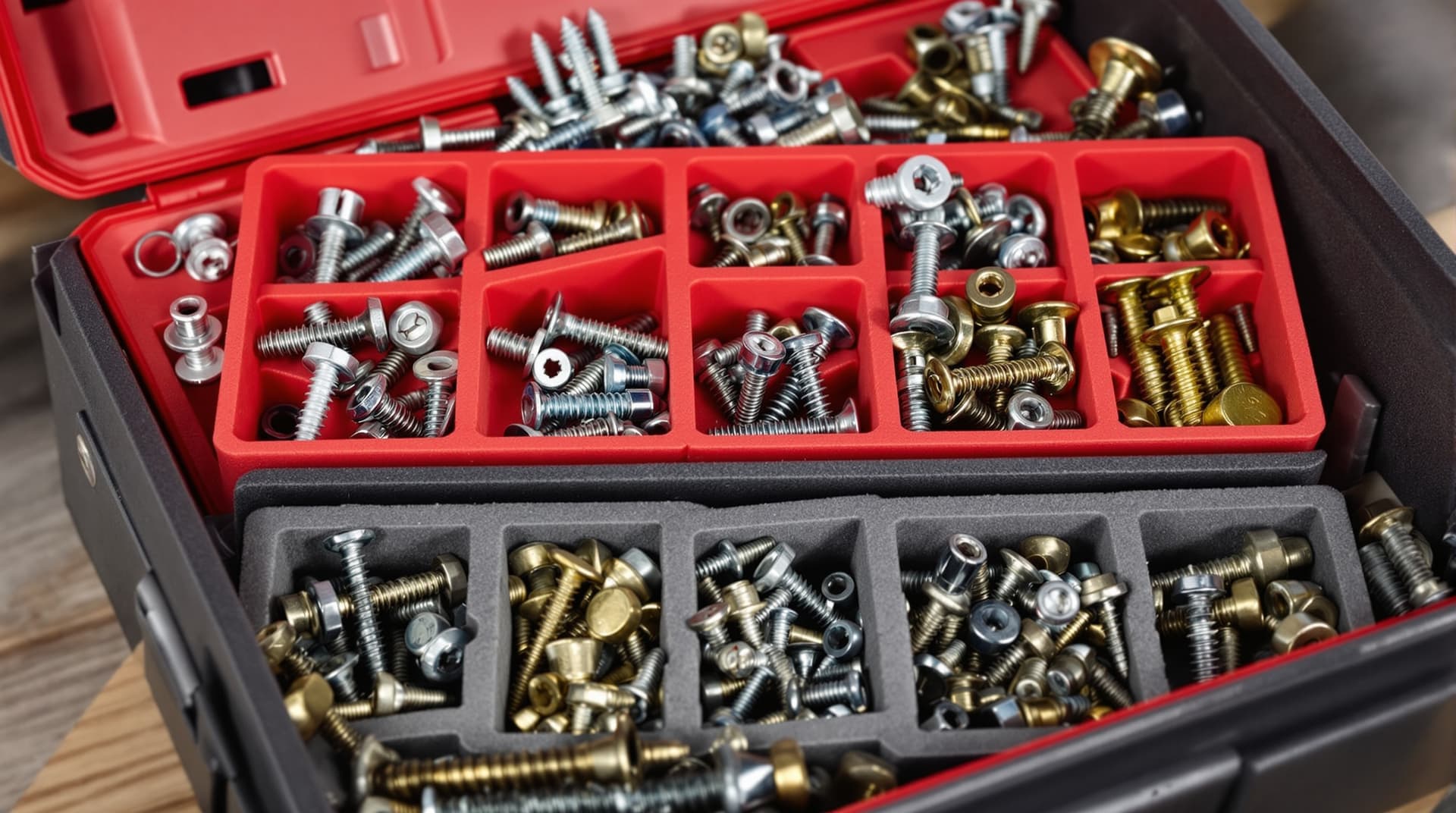
Whether you are mounting a heavy-duty television bracket to a brick fireplace, securing shelving in a concrete basement, or installing a hose reel on your home's exterior, standard drywall screws and wood fasteners simply will not work. Masonry requires specialized fastening solutions. Instead of running to the hardware store for individual pieces every time a new project pops up, keeping a comprehensive concrete anchor kit in your shop saves time and ensures you always have the right hardware for the job.
The best concrete anchor kits for homeowners combine versatility, durability, and convenience into a single organizer. However, not all kits are created equal. A cheap, generic kit filled with brittle plastic sleeves will inevitably fail under load. This guide breaks down exactly what you need in a high-quality masonry fastening kit, how to choose the right components, and the professional techniques required to ensure your fixtures stay securely mounted to the wall.
What is a Concrete Anchor Kit?
A concrete anchor kit is a curated assortment of fasteners engineered specifically for use in concrete, brick, mortar, and hollow block. While commercial contractors typically buy boxes of single-size anchors for large-scale repetitive tasks, homeowners benefit from variety. A proper kit will include several diameters and lengths of fasteners to handle everything from hanging a lightweight picture frame to securing heavy garage storage racks.
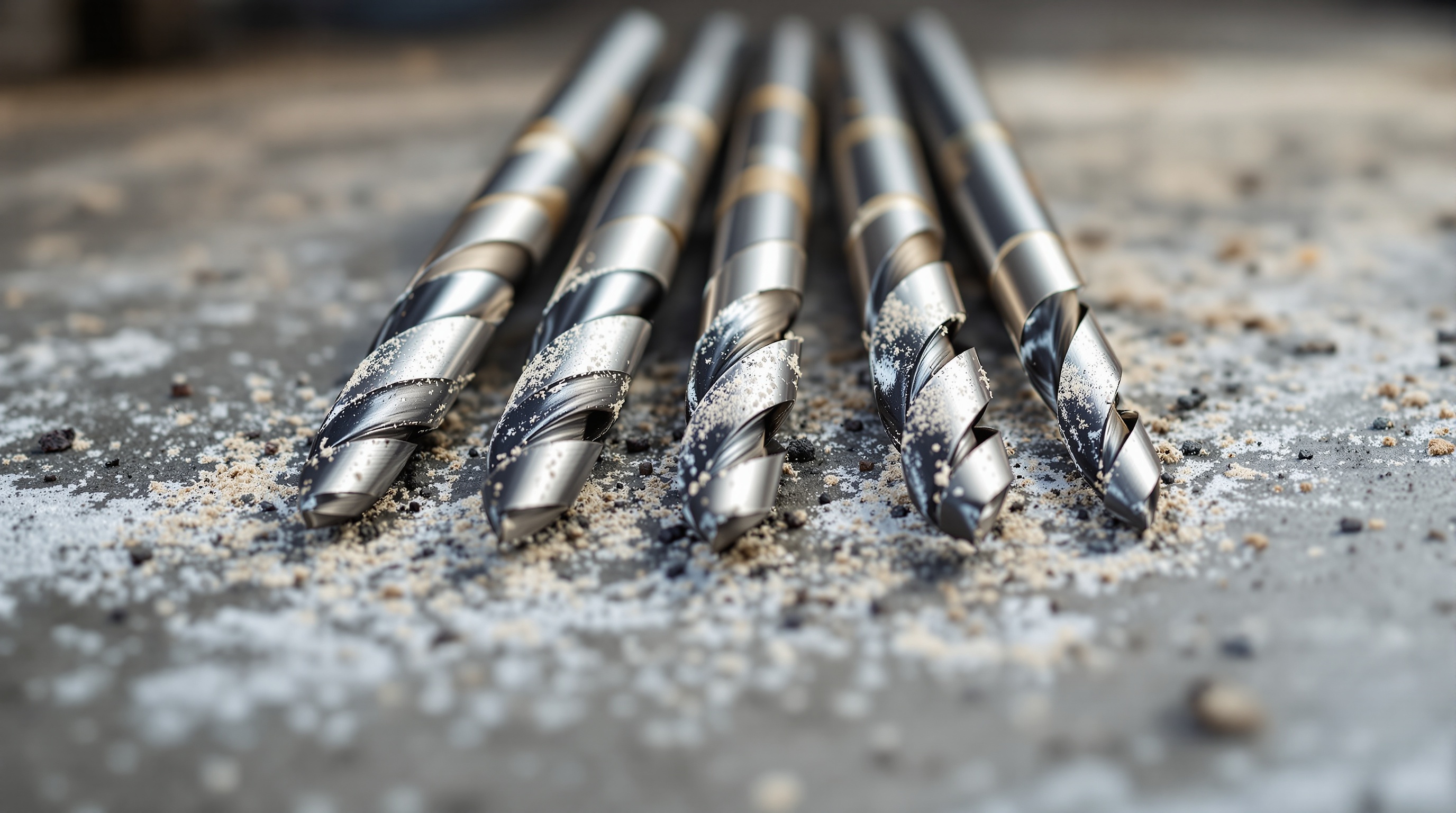
A premium kit from trusted brands like CONFAST, Tapcon, or DEWALT will generally include the anchors themselves, the necessary installation screws, and, crucially, the corresponding carbide-tipped masonry drill bits. Supplying the drill bits within the kit ensures that the homeowner drills the precise hole diameter required for the anchor to achieve its maximum holding power.
When to Use a Concrete Anchor Kit
Concrete anchors are required anytime you are fastening a fixture to a cementitious material. Wood screws rely on cutting into soft wood fibers to create holding tension. Concrete, being rigid and brittle, requires an anchor that either mechanically expands against the walls of a pre-drilled hole or cuts its own threads into the masonry.
Typical home applications include:
- Basement Finishing: Fastening pressure-treated base plates to the concrete slab.
- Garage Organization: Mounting heavy-duty steel shelving, tool organizers, or bike racks to block walls.
- Outdoor Fixtures: Installing exterior lighting, security cameras, hose reels, and address plaques on brick or stucco exteriors.
- Safety Rails: Securing handrails or grab bars to exterior concrete steps.
Before starting any of these projects, it is essential to understand the load ratings of your fasteners. Shear strength refers to the downward weight the anchor can support, while tension (or pull-out) strength dictates how much force it takes to pull the anchor straight out of the wall.
Key Differences: Comparing Anchor Types Inside the Kit
Understanding the different types of concrete anchors included in your kit will dictate which one you choose for your specific project. Most high-quality kits contain a mix of the following:
Plastic Conical and Ribbed Anchors
These are the most common light-duty anchors found in home kits. Usually color-coded by size (such as #8 to #12 or #14 to #16), they require a pre-drilled hole and a standard sheet metal or wood screw. As the screw is driven in, the plastic expands against the masonry walls. They are strictly for light-duty applications like hanging pictures, small mirrors, or lightweight decorative items. They should never be used for overhead mounting or heavy shear loads.
Concrete Screws (Tapcons)
Concrete screws, originally popularized by the brand Tapcon, are threaded fasteners that cut their own path into the concrete. They do not require a secondary sleeve. A common kit will feature 3/16-inch and 1/4-inch diameter screws in lengths ranging from 1-1/4 inches to 2-3/4 inches. They offer excellent holding power and are ideal for fastening wood framing to concrete. They require exact hole tolerances, which is why it is vital to select the exact drill bit size specified by the manufacturer.
Sleeve Anchors
For medium-to-heavy duty applications, sleeve anchors are exceptional. They consist of a threaded stud with a flared cone on the end, wrapped in a metal sleeve. As you tighten the nut on the surface, the cone is pulled up into the sleeve, forcing it to expand outward. Sleeve anchors are incredibly versatile because they work well in solid concrete, brick, and even hollow cinder block where other anchors might fail.
Drop-In and Wedge Anchors
While less common in general homeowner assortments, wedge anchors represent the highest tier of holding power. They are designed exclusively for solid concrete—never brick or hollow block. If your kit includes 3/8-inch or 1/2-inch wedge anchors, reserve them for your heaviest projects, such as bolting down a two-post car lift, a heavy safe, or structural columns.
Expert Pro Tips for Flawless Installation
Even the highest-rated anchor kit is useless if installed poorly. Professional contractors adhere to strict protocols when setting masonry fasteners.
- Control Your Depth: An anchor hole must be deeper than the anchor itself to accommodate the dust created by driving the fastener. A standard rule is to drill at least 1/4-inch to 1/2-inch deeper than the anchor's length. Wrap a piece of brightly colored painter's tape around your drill bit to serve as a visual depth gauge.
- Clean the Hole: This is the most frequently skipped step in DIY masonry work. Concrete dust acts like a lubricant and prevents expansion anchors from gripping the sidewalls. Furthermore, it clogs the threads of concrete screws, causing them to bind and snap. Always use a wire brush, a blow bulb, or a shop vacuum to extract the dust before inserting the fastener.
- Use the Right Drill: While a standard rotary drill can slowly scrape a hole into soft brick, you are better off investing in a dedicated hammer drill for concrete. The rapid percussive action shatters the masonry while the flutes of the bit clear the debris, speeding up the process and preserving the life of your carbide bits.
Common Installation Mistakes
When an anchor pulls out of the wall, user error is almost always the culprit. Beyond failing to clean the dust out of the hole, avoiding common anchor installation mistakes will ensure a permanent hold.
Over-torquing: Homeowners often use an impact driver to secure concrete screws and sleeve anchors. While impact drivers are fast, they easily over-torque fasteners. If you over-tighten a concrete screw, it will strip the threads it just cut into the concrete, instantly reducing its holding power to zero. Always finish tightening masonry fasteners by hand using a socket wrench or screwdriver.
Drilling Wide Holes: If your hammer drill wobbles or you ream the bit in and out of the hole too aggressively, you will create an oversized, bell-shaped hole. Anchors require tight friction. If the hole is even 1/16-inch too wide, expansion anchors will simply spin in place when you attempt to tighten them.
Buying Advice: What to Look for in a Homeowner Kit
When shopping for a concrete anchor kit in 2026, bypass the cheap, unbranded sets found on discount websites. Pay attention to the following specifications to ensure you are buying contractor-grade materials:
- Included Carbide Bits: The best kits include ANSI-compliant carbide-tipped drill bits. If a kit relies on you finding your own 5/32-inch or 3/16-inch masonry bit, skip it. Having the perfectly matched bit guaranteed by the manufacturer is non-negotiable for concrete screws.
- Corrosion Resistance: Look for anchors with a specialized coating. Standard zinc plating is fine for indoor use, but if you plan to mount items outdoors or in a damp garage, look for blue polymer coatings (like those on Tapcons) or hot-dipped galvanized and stainless steel options.
- Segmented Storage: Masonry anchors look similar at a glance but have drastically different load capacities and drill bit requirements. A high-quality kit features a rugged, impact-resistant plastic case with rigid dividers and a clear labeling system inside the lid indicating bit size, anchor size, and minimum embedment depths.
Conclusion
Investing in a high-quality concrete anchor kit saves you from mid-project frustration and guarantees that your heavy shelves, brackets, and fixtures remain safely on the wall. By prioritizing kits with matching drill bits, clear sizing labels, and a mix of light-duty plastic expansion sleeves and heavy-duty concrete screws, you will be prepared for almost any masonry fastening task. Remember that the strength of the anchor is only as reliable as the installation method—use a hammer drill, clear the dust out of your holes, and never over-tighten your fasteners.
Related Articles
Best Masonry Drill Bits (2026 Guide): Selection, Technique & Top Picks
Read more
Best Drill Bit for Steel and Metal (Complete Guide)
Read more
Concrete Anchor Selection Chart (Homeowner’s Quick Reference Guide)
Read more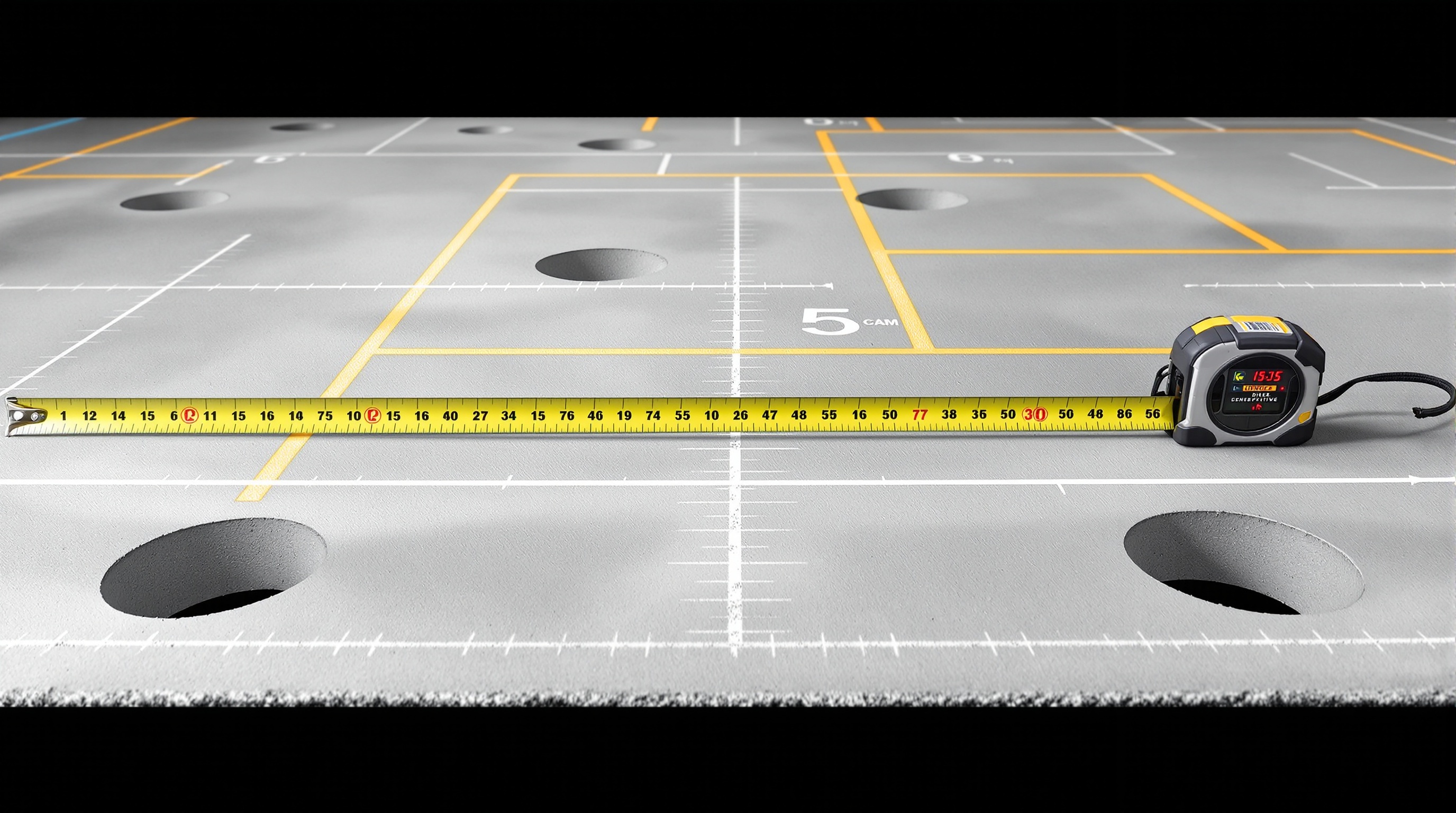
Concrete Anchor Spacing And Edge Distance: How Far Apart Should Anchors Be?
Read more